
But where do the names of whales come from?

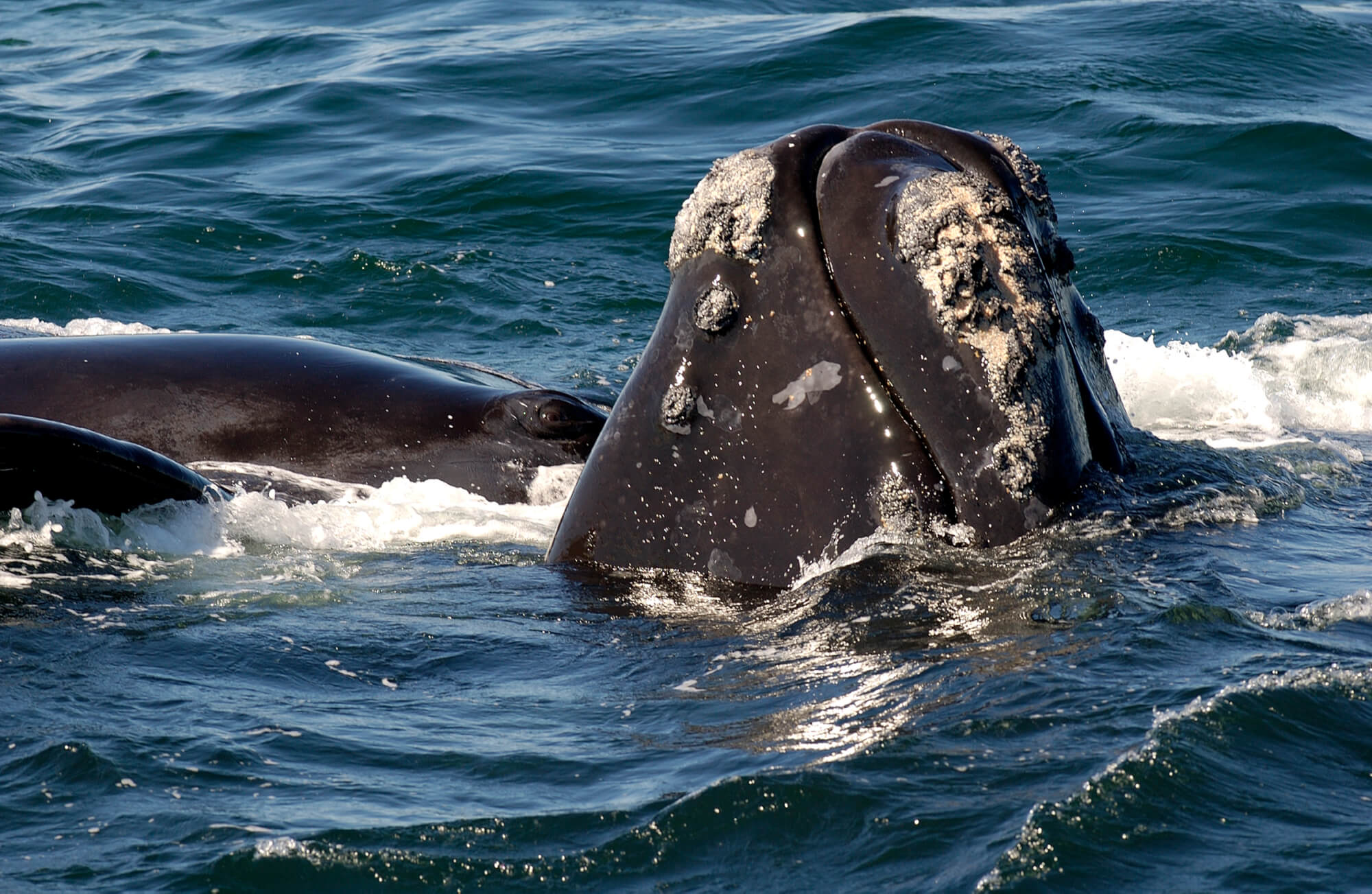
Several species of cetaceans have names that pique our curiosity. Sperm whale, beluga, killer whale, humpback whale… Whales Online took a closer look at the etymology of these words we use every day. It’s a true journey into the heart of history.
These names that come from French…
The Killer Whale: A Sword Stroke in the Water
The killer whale is an extremely rare visitor to the St. Lawrence River. Its name comes from Old French. It likely results from the combination of two words: “espaart,” derived from the word “espee,” meaning “sword”; and “épaule” (shoulder). The killer whale’s dorsal fin does indeed resemble the shape of a sword. Another name for the killer whale is “orca,” borrowed from the Latin *orca*, meaning “a kind of whale.” *Baleines en direct* prefers the term “killer whale.”

Or other languages
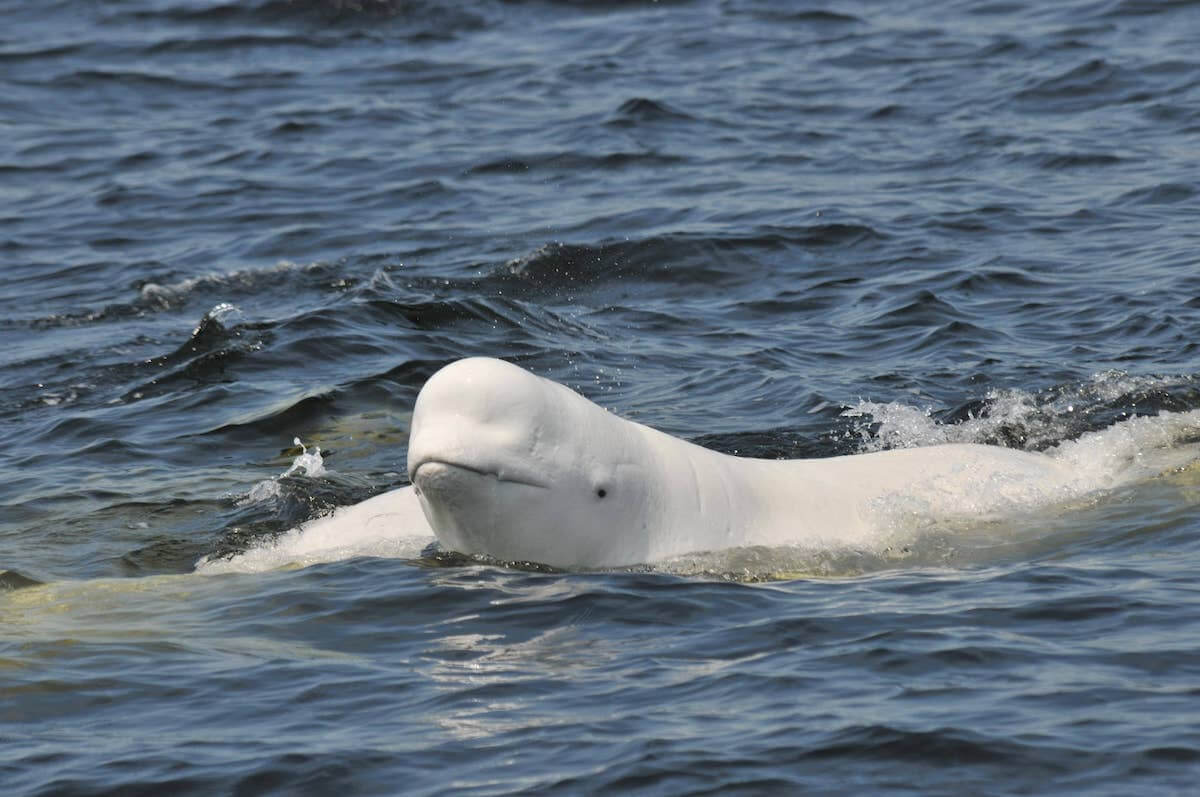
The Beluga, Formerly Known as the White Porpoise
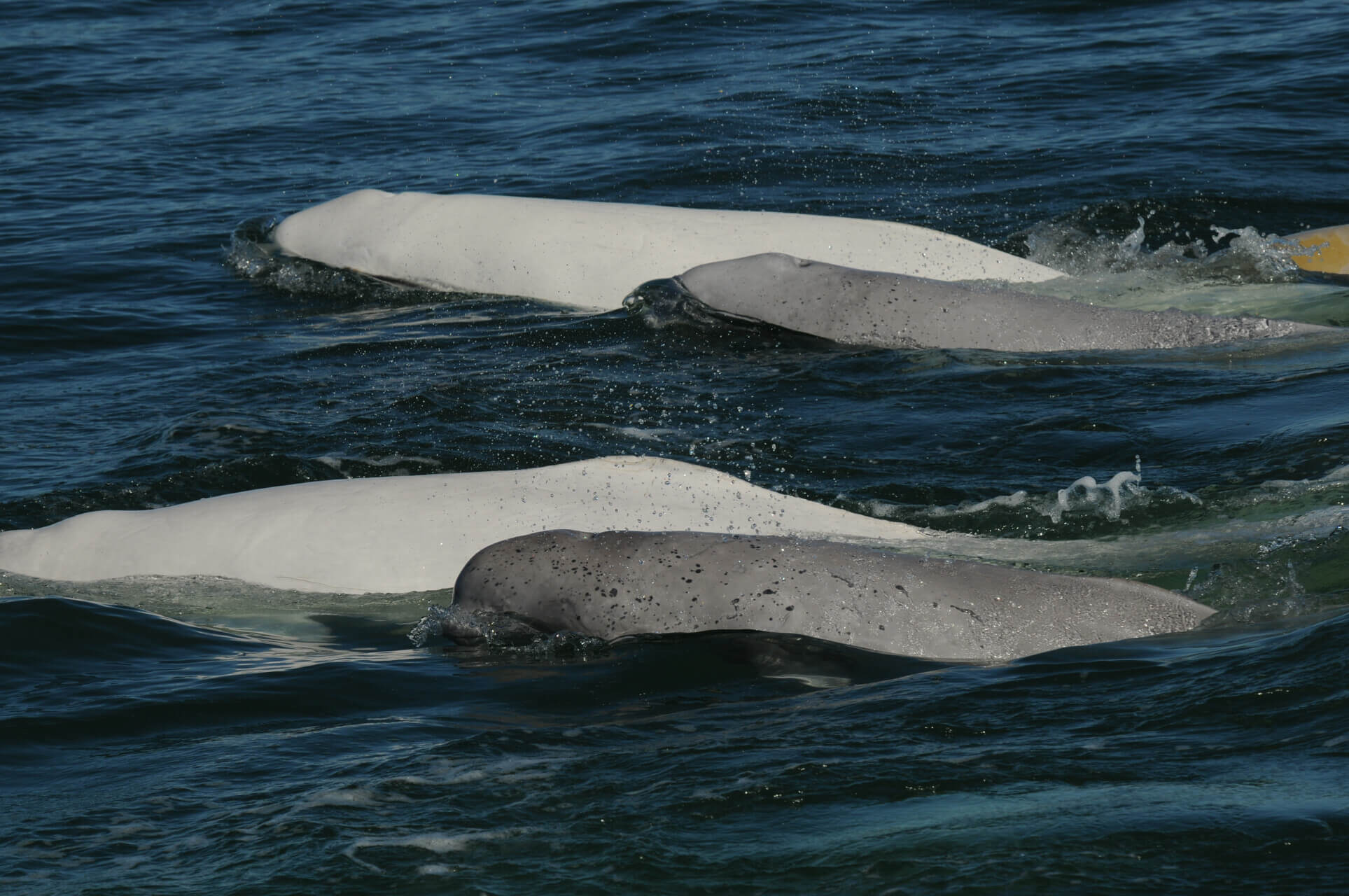
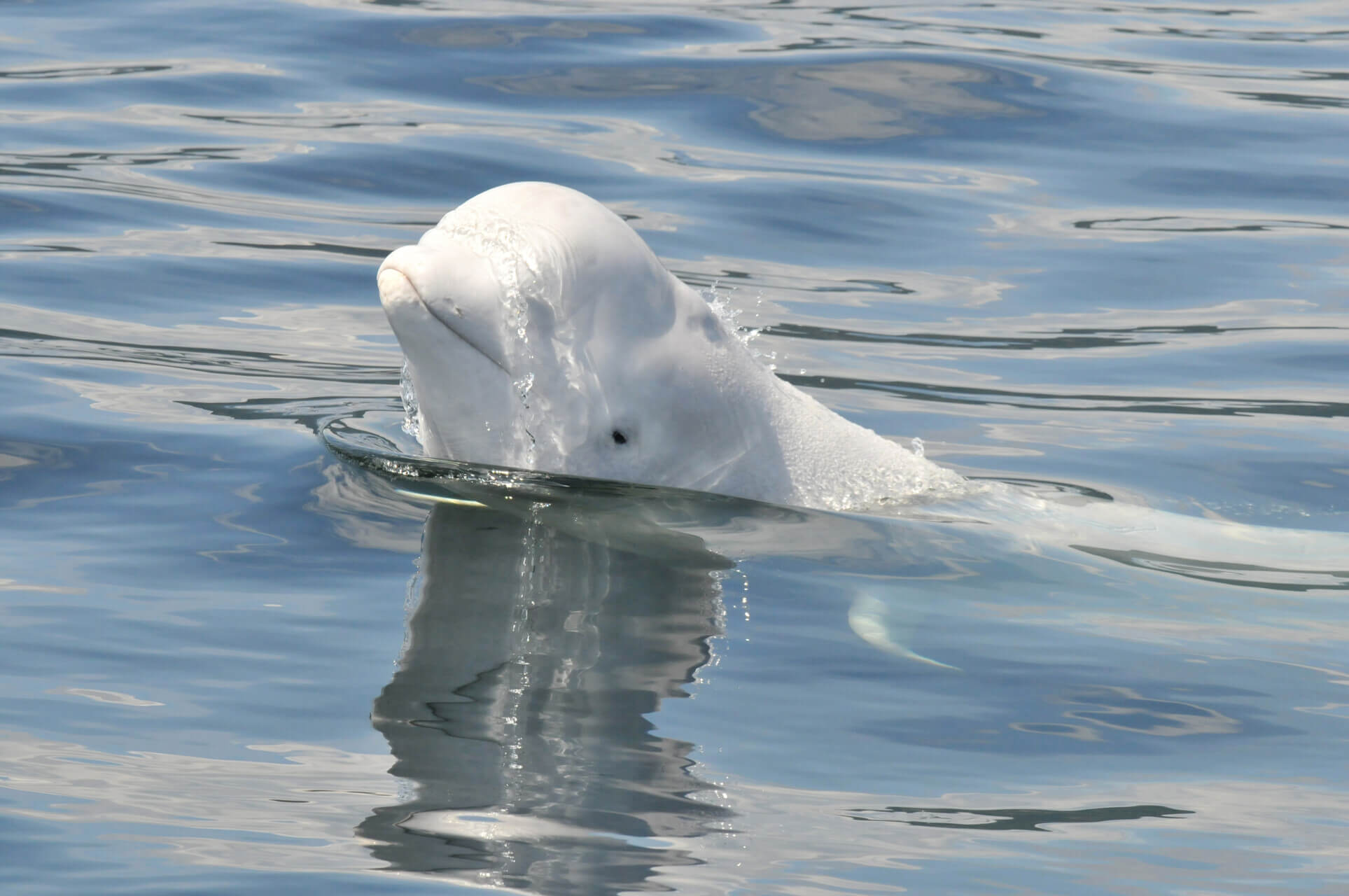
The word “beluga” comes from the Russian word beluxa, which is pronounced “beluga” and means “white.” In Quebec, this name has replaced the traditional “white porpoise” for only half a century. The latter name dates back to the time of Jacques Cartier. The explorer referred to “white porpoises” in one of his accounts, and his description matched that of belugas. Moreover, the Latin name for the beluga, *Delphinapterus leucas*, means “white, wingless dolphin.” However, scientists do not consider the beluga to be a porpoise or a dolphin. Porpoises and dolphins have a dorsal fin, whereas belugas do not.
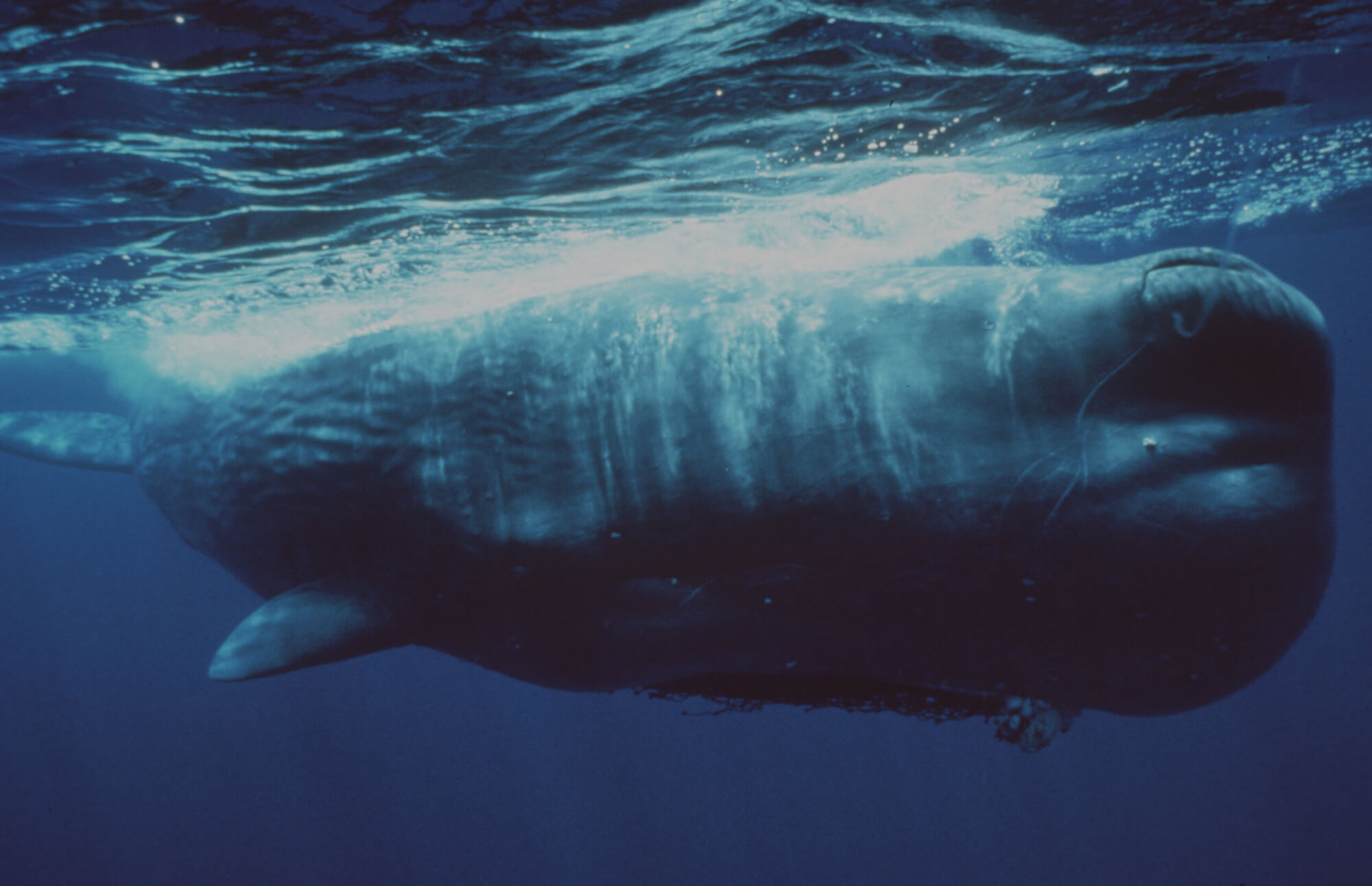
The Sperm Whale and Its Enormous Head
Unsurprisingly, the sperm whale’s name is linked to its most striking physical feature: its enormous, rectangular head. The word “cachalot” is derived from the Portuguese word “cachalote,” which means “big-headed fish”! It is the spermaceti, an organ essential for echolocation, that gives the sperm whale’s head its distinctive shape. In English, the cachalot is called a sperm whale, a name that still refers to this enormous organ composed of a white substance that reminded early observers of seminal fluid.
The Black Pilot Whale, the “Pilot Whale”
The Atlantic black pilot whale is also a victim of its appearance! In Latin, “globus” means “ball,” and “cephalus” means “head”: it’s easy to see why this black cetacean was given this name when you see it! The “melon” refers to a cetacean’s round head. The pilot whale’s melon contains a gelatinous substance. Although it is not made of the same material as a sperm whale’s, it serves the same purposes: echolocation and communication.
Although it is not made of the same material as a sperm whale’s, it serves the same purposes: echolocation and communication.
The pilot whale is sometimes nicknamed “the pilot whale.” This name may stem from the fact that these whales often strand themselves in groups, possibly because of a single individual. Several hypotheses have been put forward to explain this phenomenon. For example, pilot whales may show solidarity with one another. When one member of the group—weakened or disoriented—becomes stranded, the others follow. Another hypothesis suggests that pilot whales become trapped by currents. The areas they usually visit may become inaccessible at certain times of the year due to low tides. The pilot whales may swim against the current and find themselves trapped.
Rorquals: Two Possible Meanings
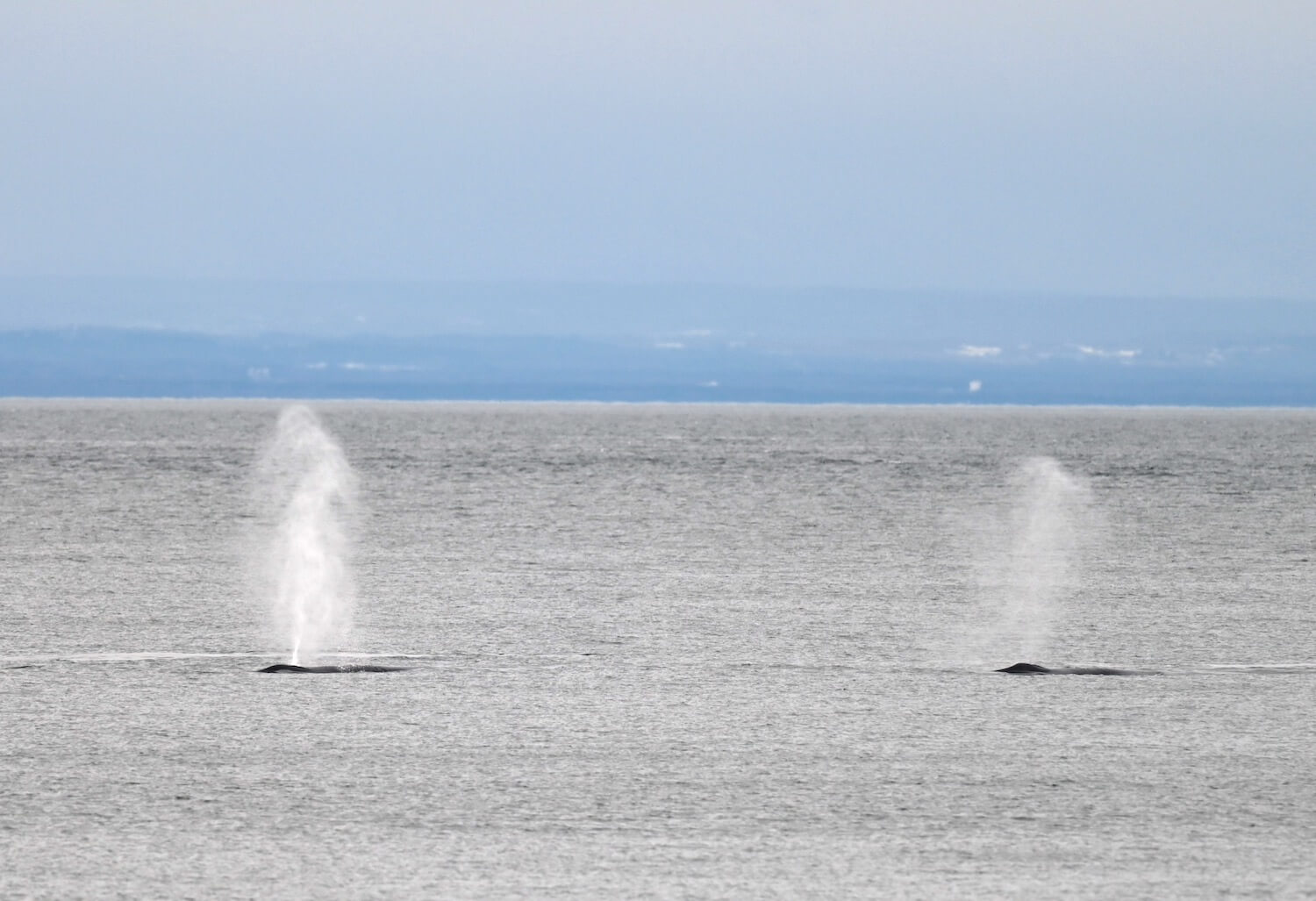
As for the Norwegian word røyrkval, it has two possible meanings. In Swedish, it means “whale with a pleated belly.” The furrows on rorquals’ bellies stretch like an accordion, allowing them to gulp down water and food. In Norwegian, the word means “red whale.” Indeed, the ventral grooves of these whales fill with blood and turn pink when they feed.
The word “krill,” which also comes from this language, means “small school of fish.” Many words related to cetaceans come from Norway, as that country has a long tradition of whaling. The first naturalists to draw diagrams of whale anatomy were Norwegian.
The Minke Whale: The Result of a Mistake
In French, the name for the minke whale is fairly self-explanatory, but in English, things get a little more complicated. The name “minke whale” stems from a legend of which there are several versions. According to one of them, an inexperienced lookout whose name sounded like “Minke” was working on a whaling ship.
He would report the minke whales she spotted, but the crew would remind him that he was mistaking them for other species of whales sought by hunters.
Names That Say It All
The Humpback Whale, the Flying Whale
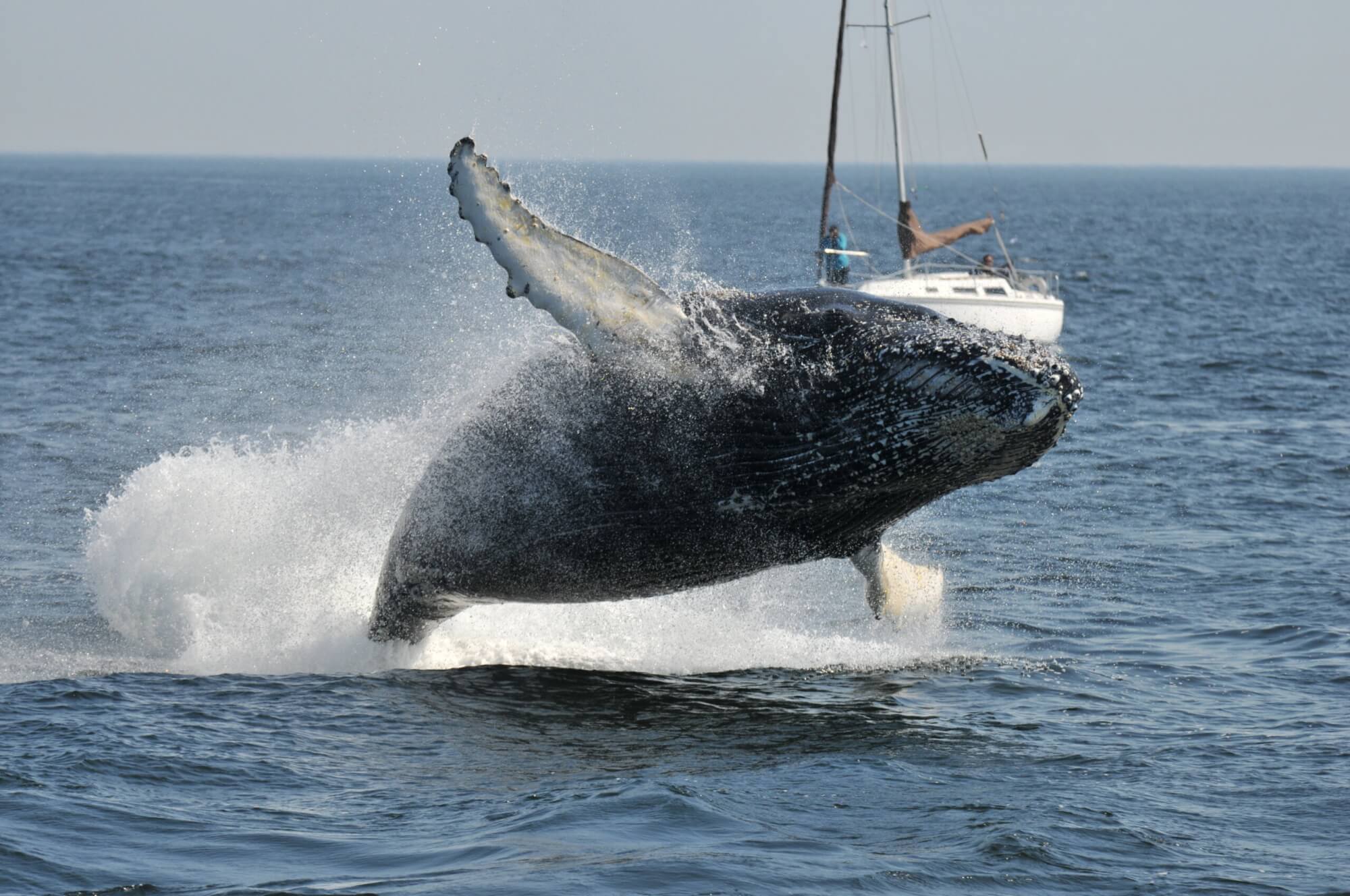
The humpback whale gets its name from the fact that its dorsal fin sits atop a hump. The Latin name for the humpback whale, *Megaptera novaeangliae*, is poetic, to say the least. *Mega* means “large” and *ptera* means “wing.” The humpback whale’s pectoral fins are very elongated, so much so that it appears to fly underwater. They are thought to help it regulate its body temperature or perform acrobatic maneuvers. Its long fins may allow it to choose which side it will land on after a leap. They also give it great agility when hunting fish. Finally, “novaenglicae” means “New England.” Indeed, that is where whalers first described the humpback whale.
The right whale, the “good whale”
On Baleines en direct, we use the term “right whale” to refer to members of the genus Eubalaena (which means “good whale” in Latin), but these species are also commonly called right whales. This name reflects the fact that the right whale was a “good whale” for hunters, for two reasons. First, it moves very slowly and feeds at the surface—in fact, it’s known as a “skimmer.” Copepods, small crustaceans found in plankton that it feeds on, eat algae that need light to grow. Second, this whale is so fatty that its carcass floats. This made it a windfall for hunters.
Les noms des géants
The Fin Whale—Not So Common After All!
The fin whale, the second-largest whale in the world, is classified as a species of least concern. Its name suggests that it was once more abundant in our oceans. In the early days of whaling, the fin whale was less sought after than other species because of its speed. With the advent of motorboats, sailors found it easier to hunt them, and their population plummeted.
And the blue whale—not so blue!
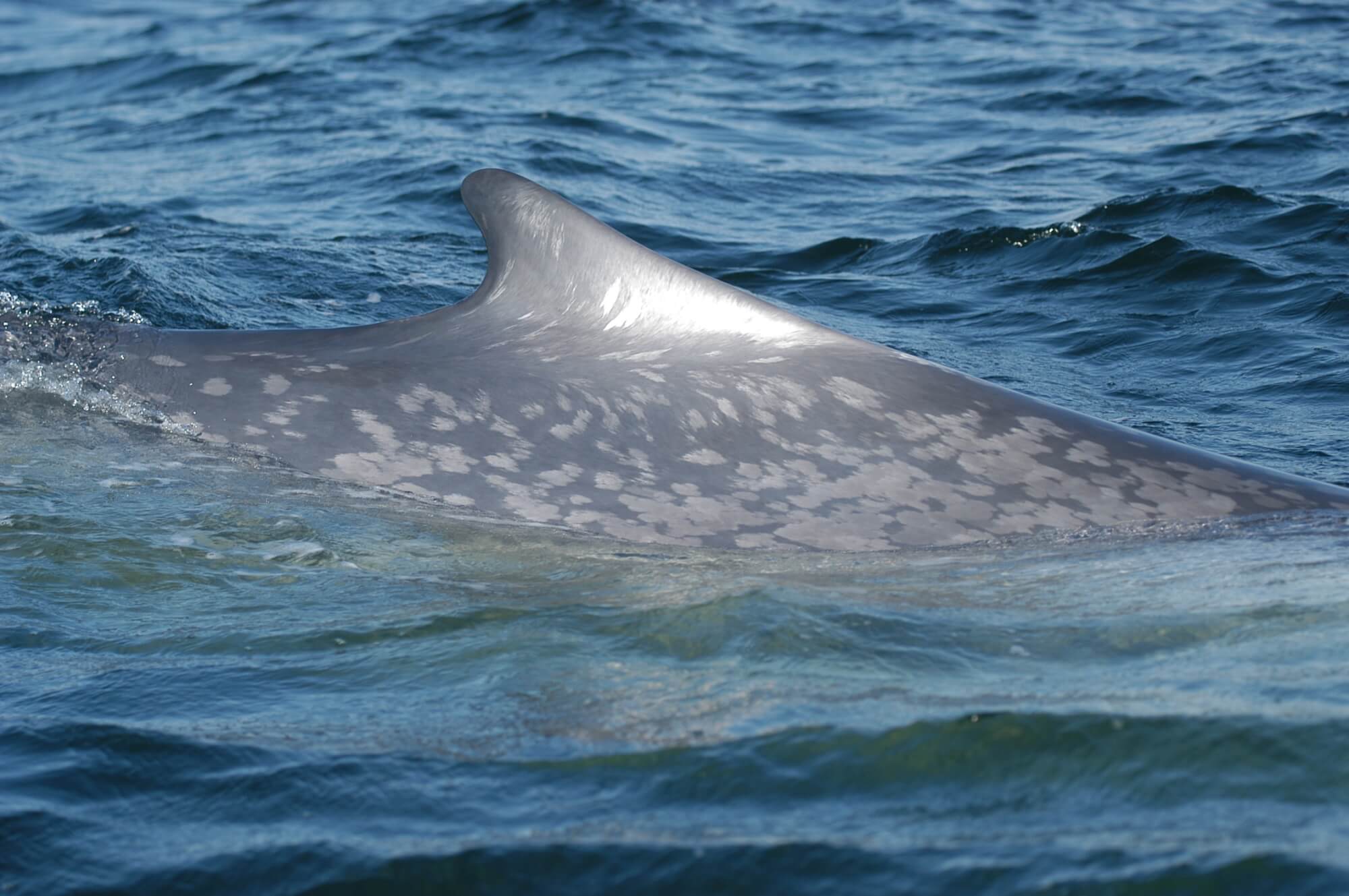
The blue whale, for its part, is the largest animal the Earth has ever supported. It isn’t actually blue: its skin is speckled gray. The illusion is due to the fact that red, yellow, and green cannot penetrate deeply into water, unlike blue. Thus, only the color blue is visible to our eyes when we observe this giant of the seas.
Pour en savoir plus :

Valérie Thériault-Deschênes
Valérie Thériault-Deschênes is a writer and naturalist for GREMM. She is a passionate storyteller, photographer, and outdoor enthusiast. She holds a bachelor's degree in literary studies and is currently completing a certificate in professional editing. Her love of whales was born while she was a guide on Île Verte: she had the privilege of observing them from the lantern room at the top of the lighthouse.
Recommended articles
Your questions about beluga reproduction!
The Whale Watch team and the team of naturalists at the Marine Mammal Interpretation Centre (CIMM) regularly receive questions about…
Why did so many large rorquals visit the St. Lawrence this spring?
Early 2025 was a particularly intense period for observing large rorquals in the Saguenay–St. Lawrence Marine Park. Whether it be…
A Smirk with a Purpose!
Belugas are known for their expressive faces, but what’s behind their endearing smirk? From an “O”-shaped mouth to water spitting…