In short:
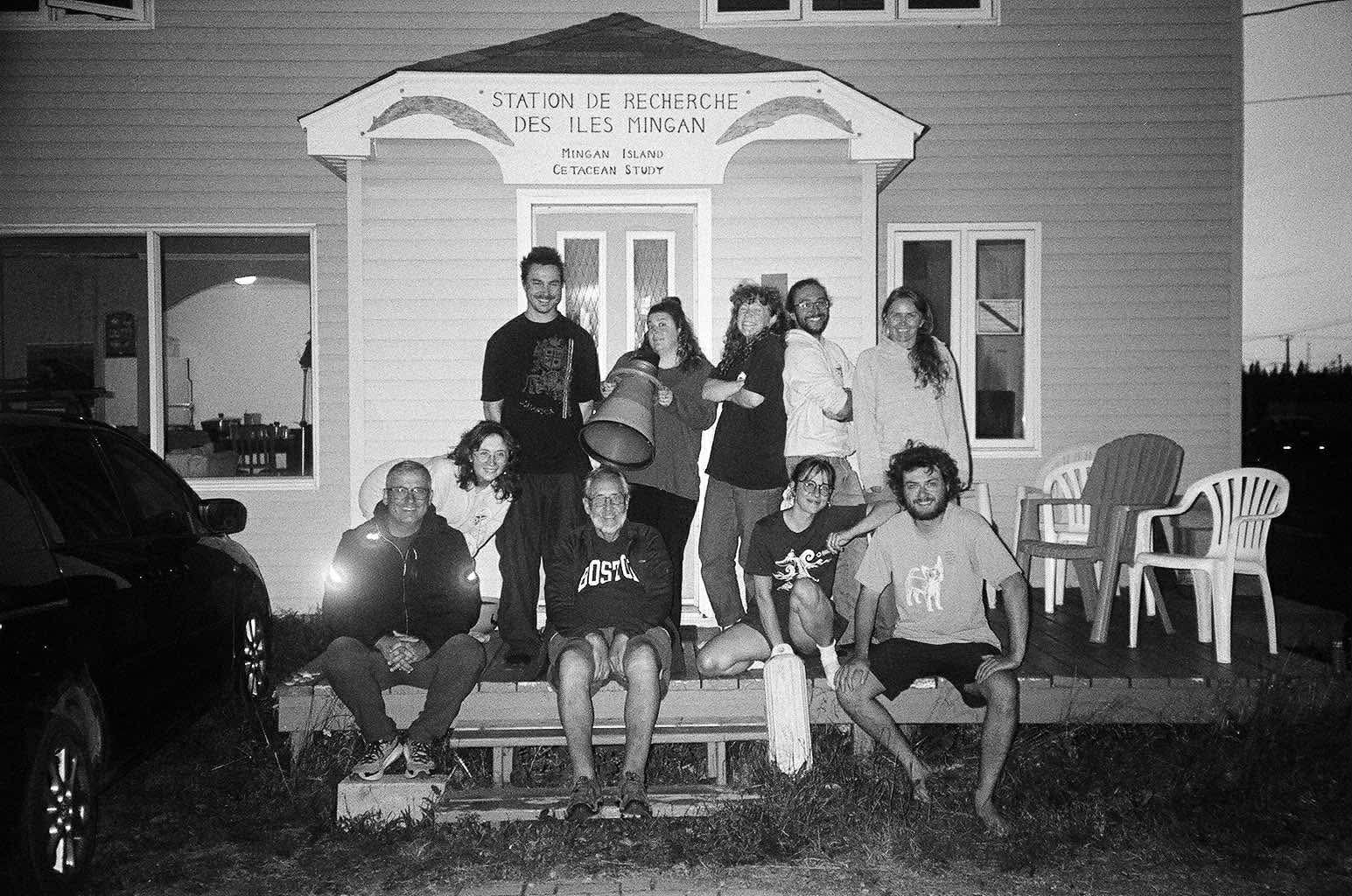
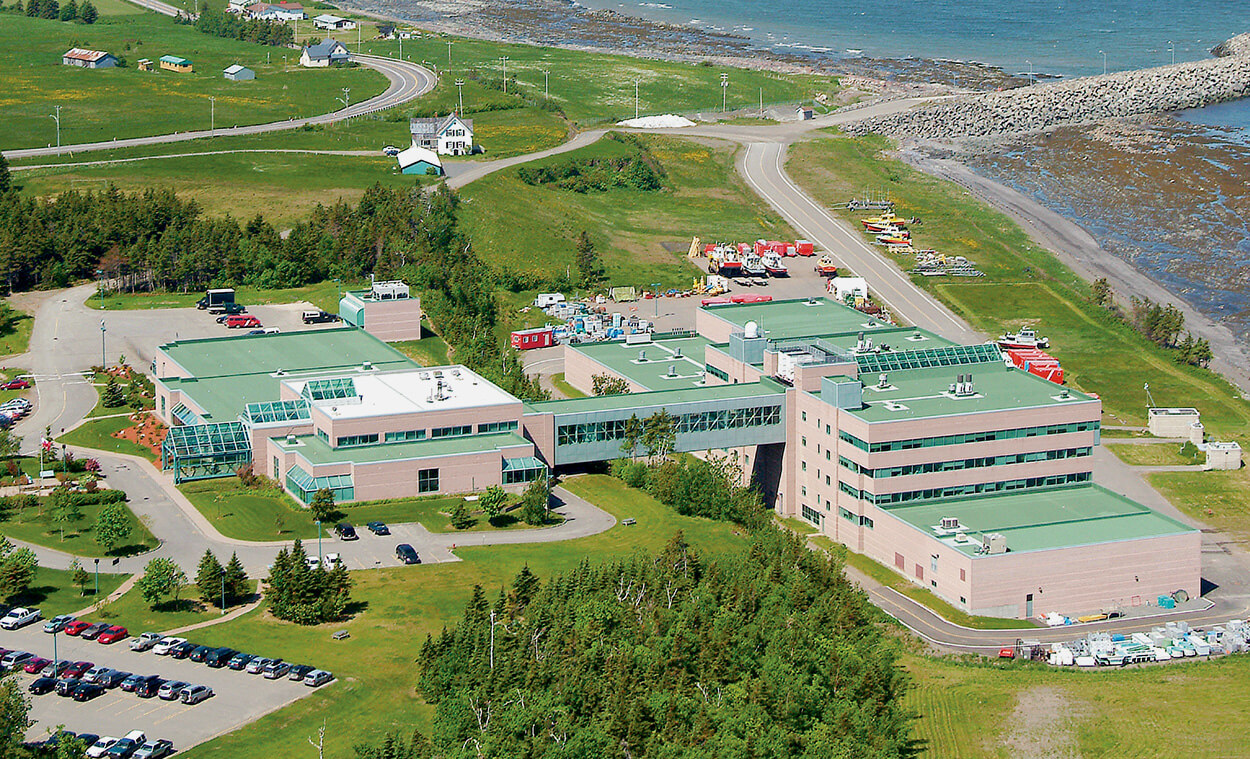
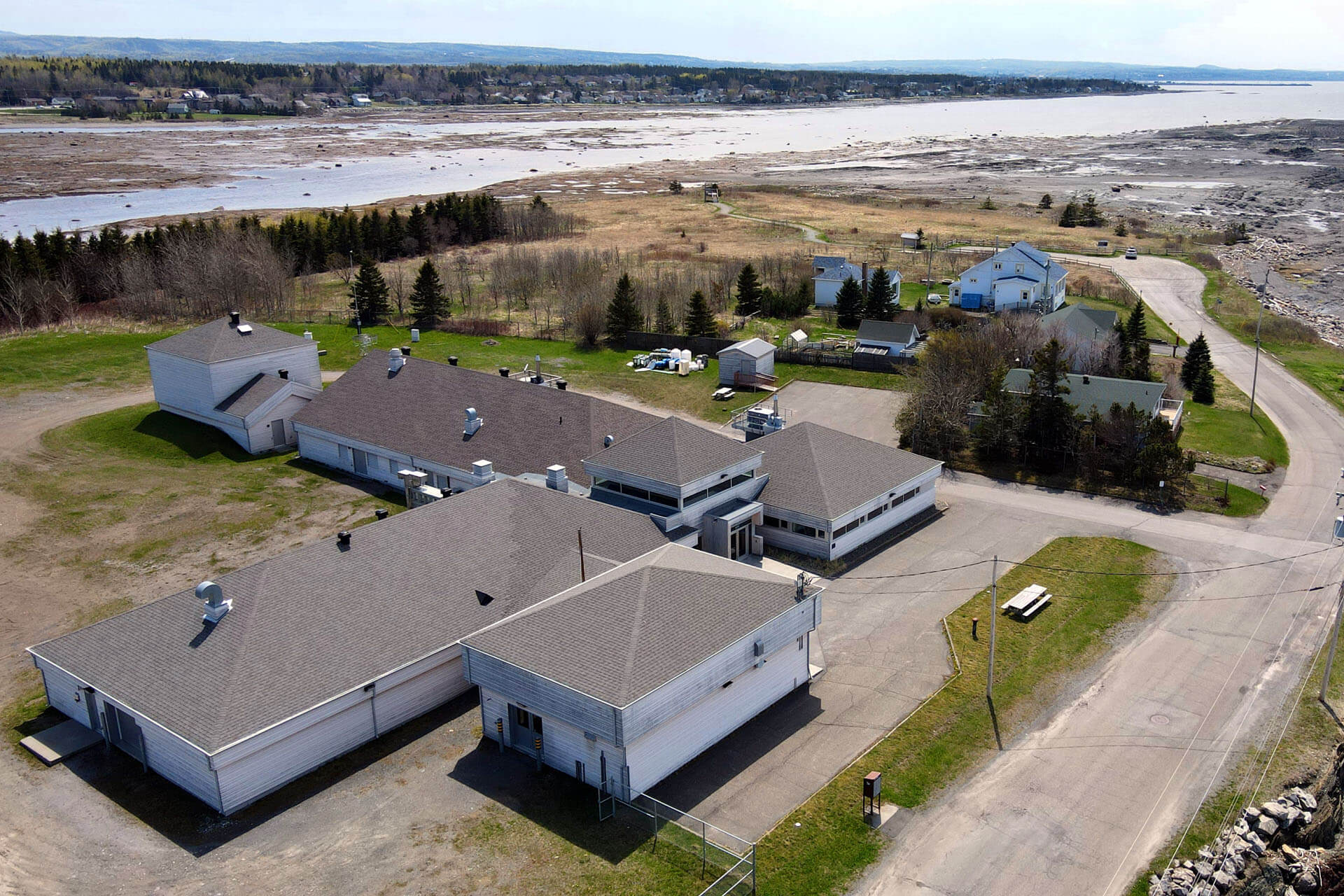
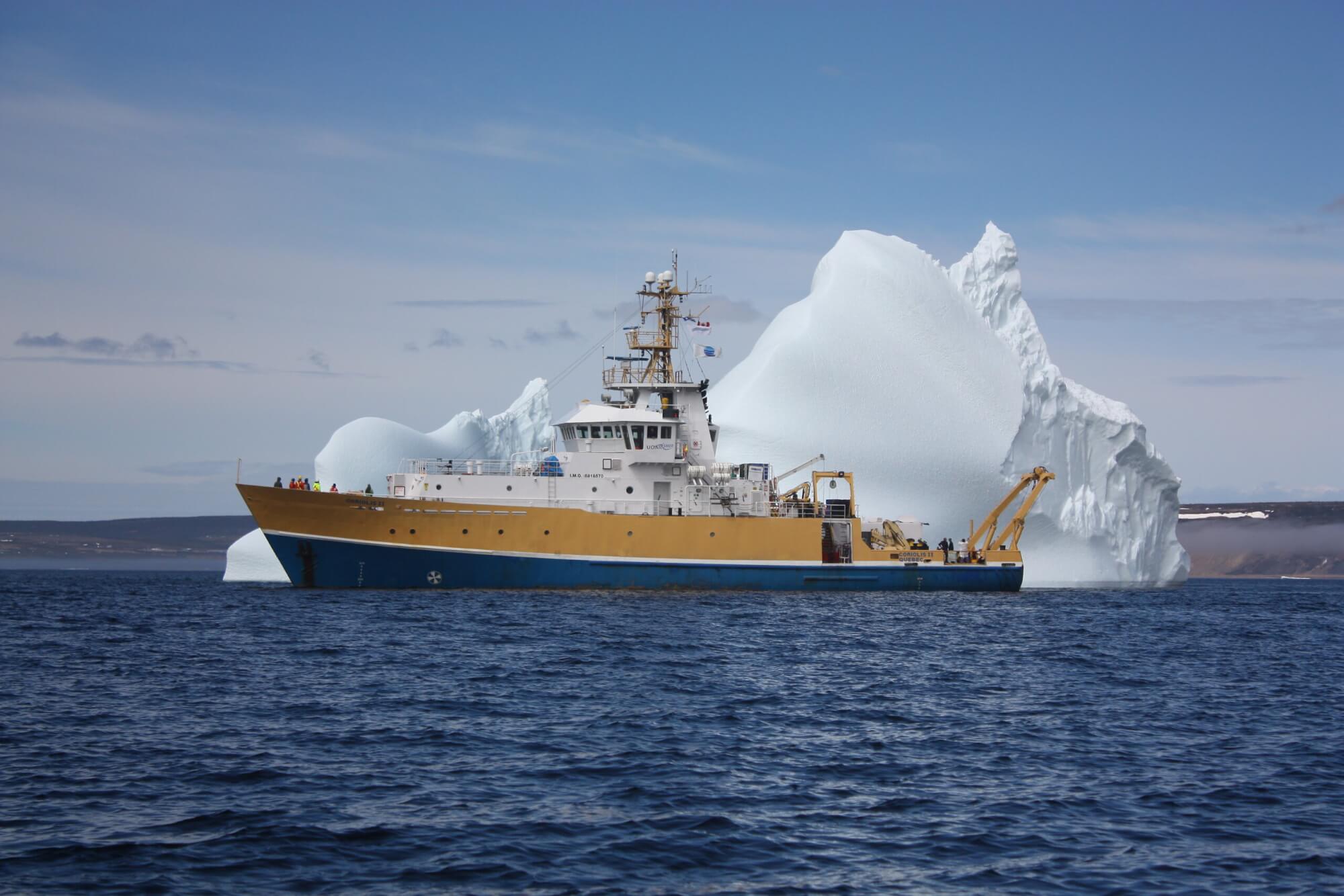
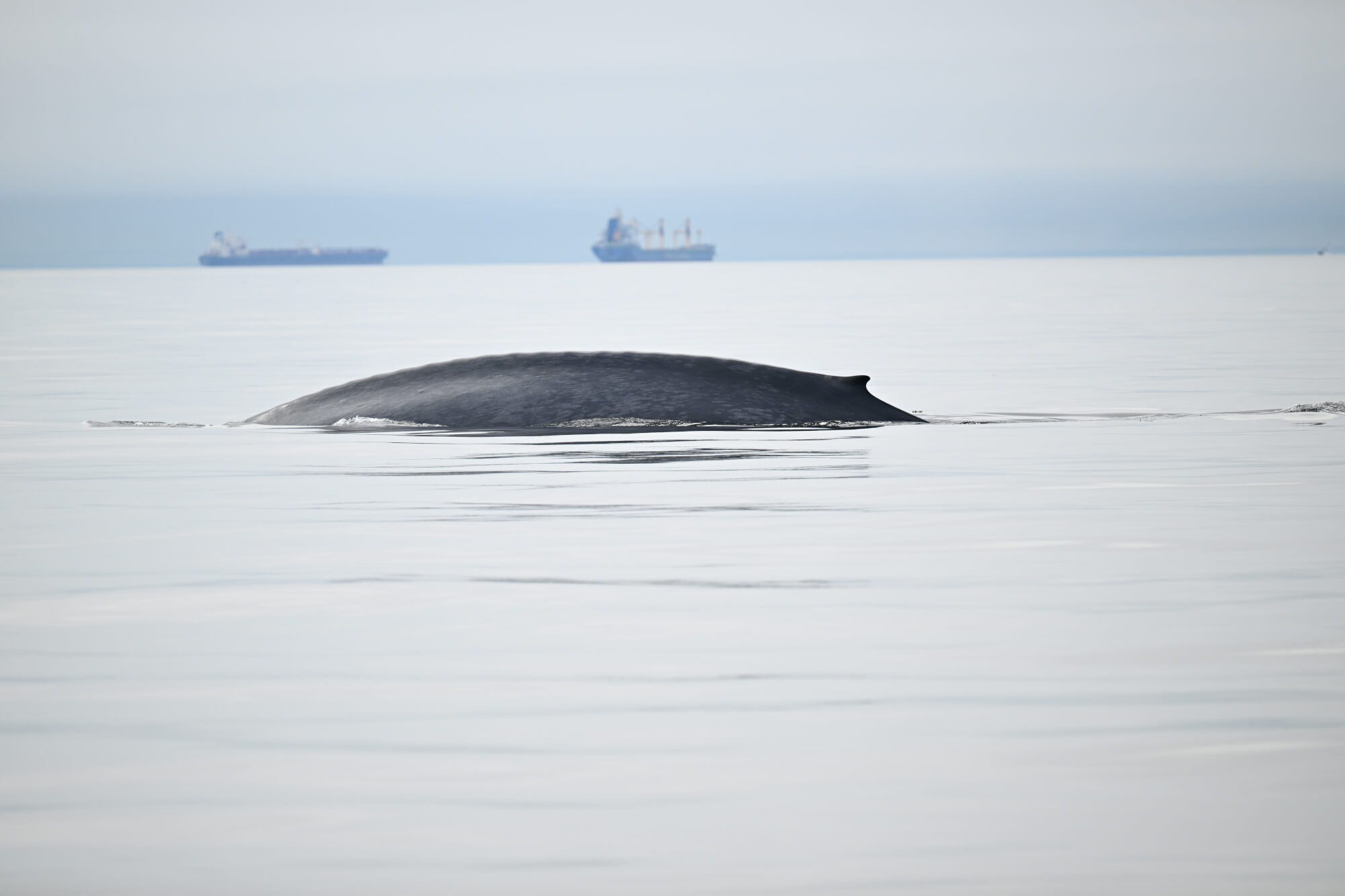
The Mingan Island Cetacean Study (MICS) is a non-profit organization dedicated to the ecological study of marine mammals. Founded in 1979, MICS was a pioneer in long-term research on cetaceans in the Gulf of St. Lawrence, especially blue whales. The organization’s main study areas are in Quebec’s Côte-Nord region in the Sept-Îles, Mingan, and Anticosti Island sectors, as well as along the Gaspé Peninsula.
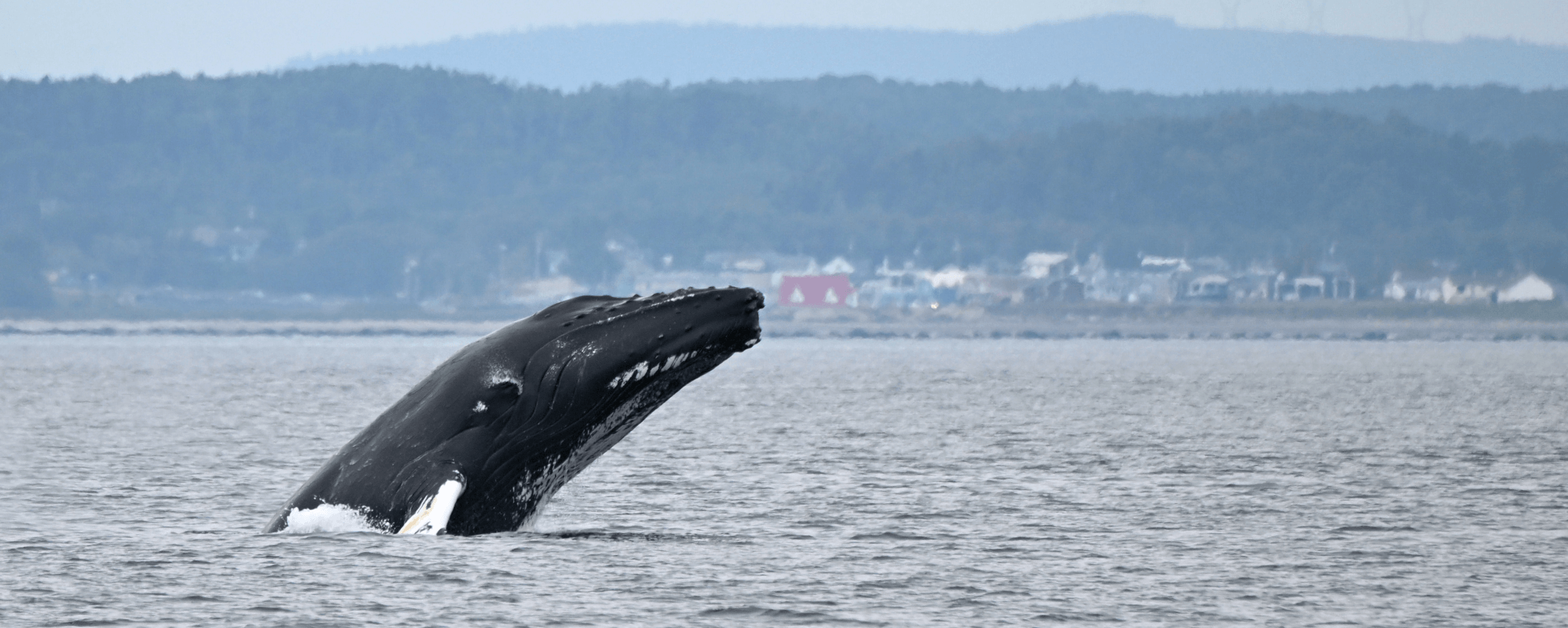
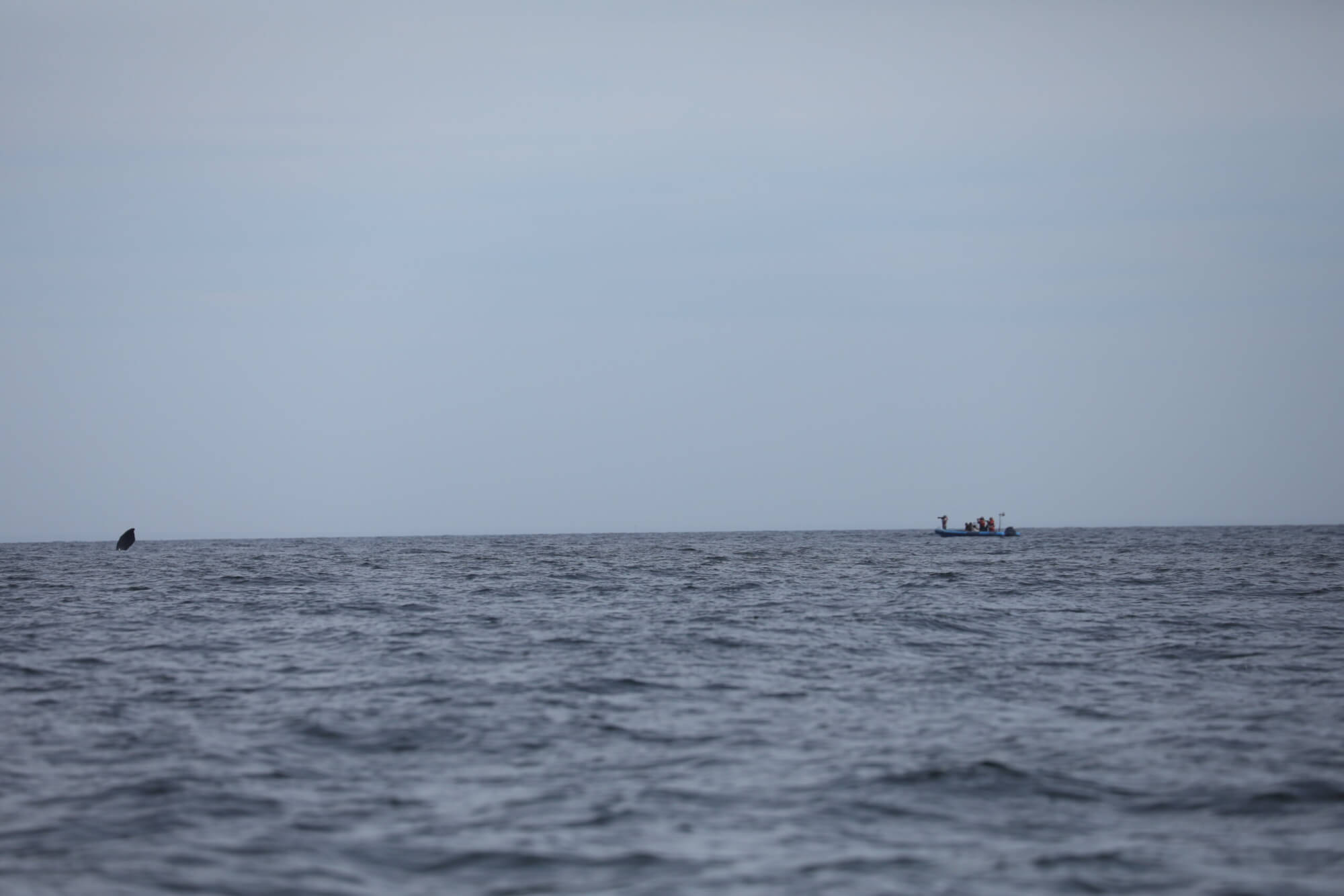
MICS studies blue, humpback, fin, minke, and North Atlantic right whales; harbour porpoises; as well as Atlantic white-sided and white-beaked dolphins.
In research:
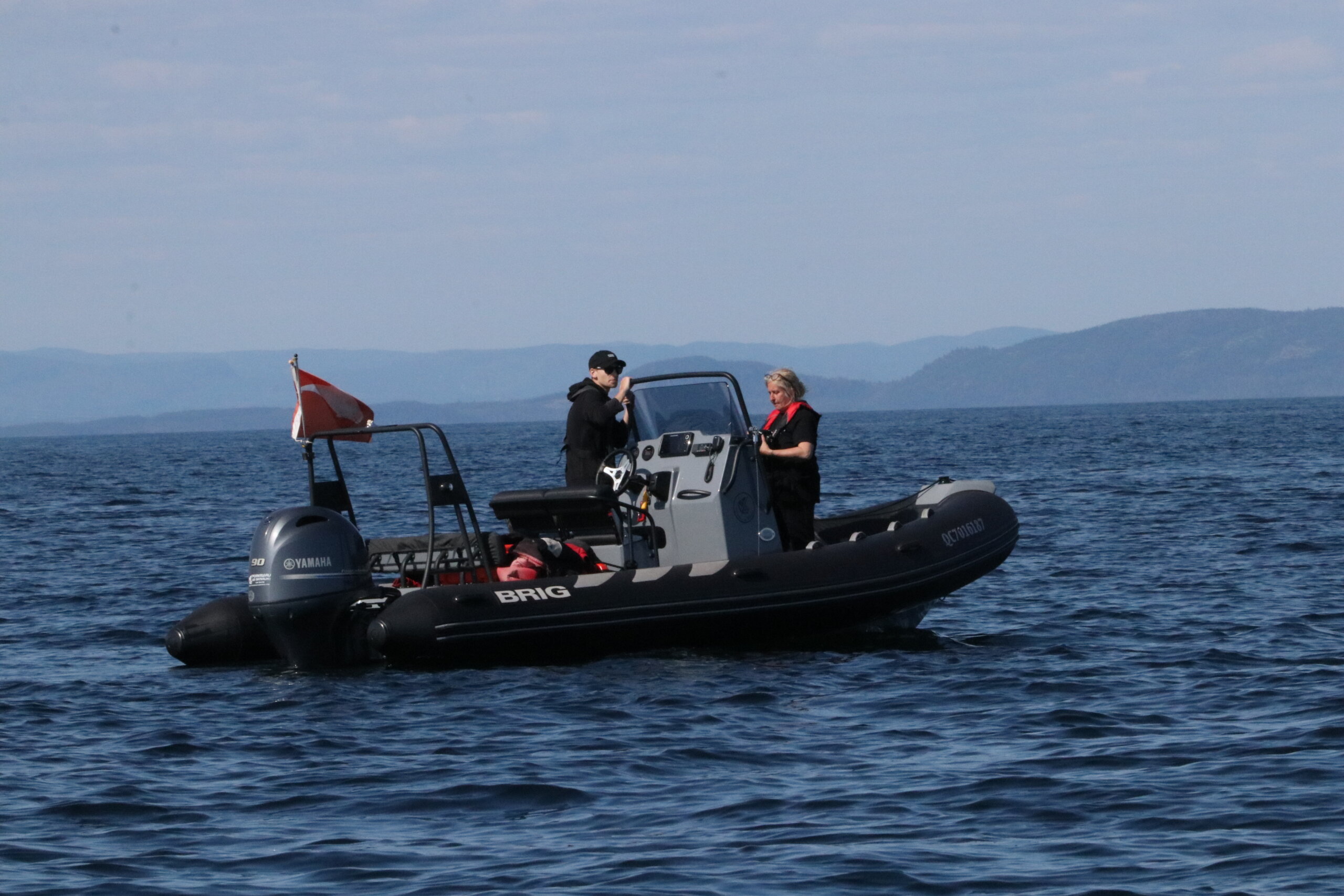
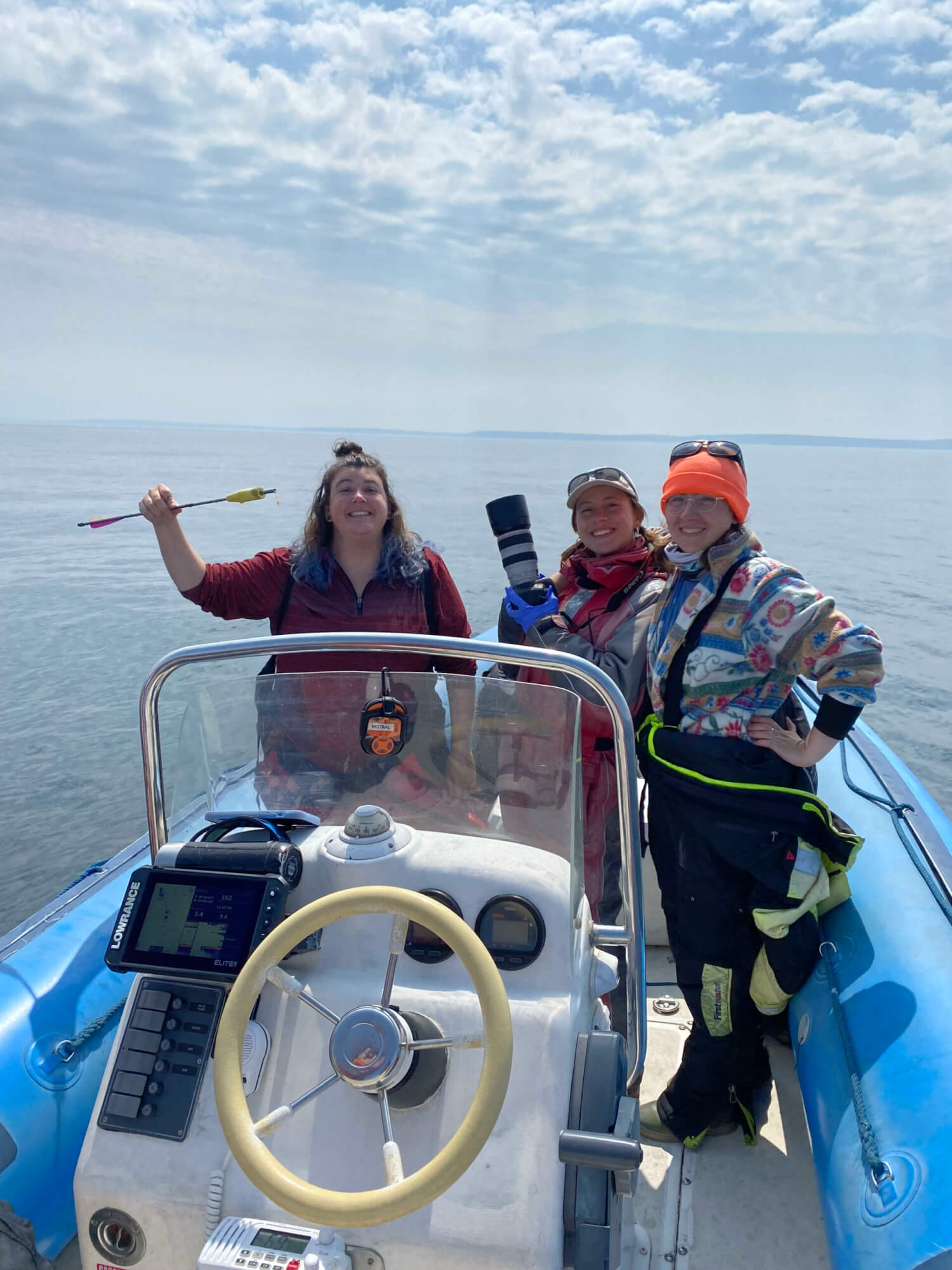
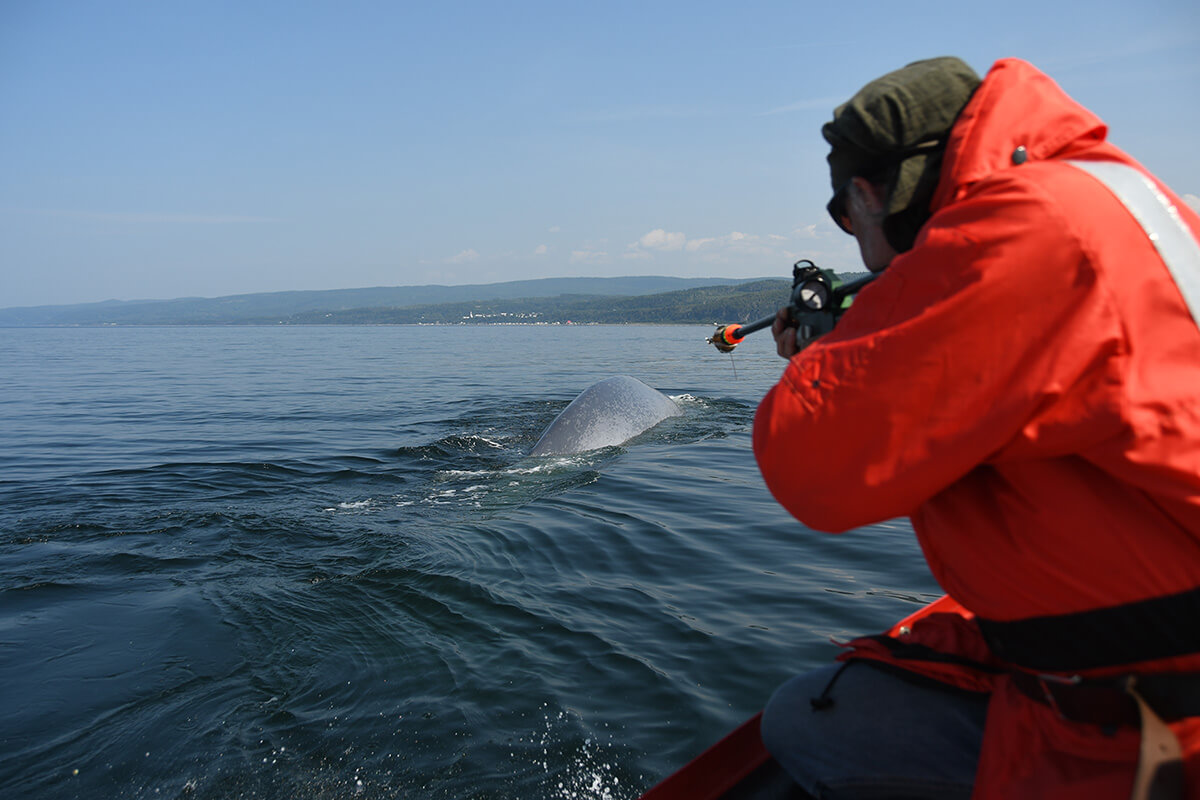
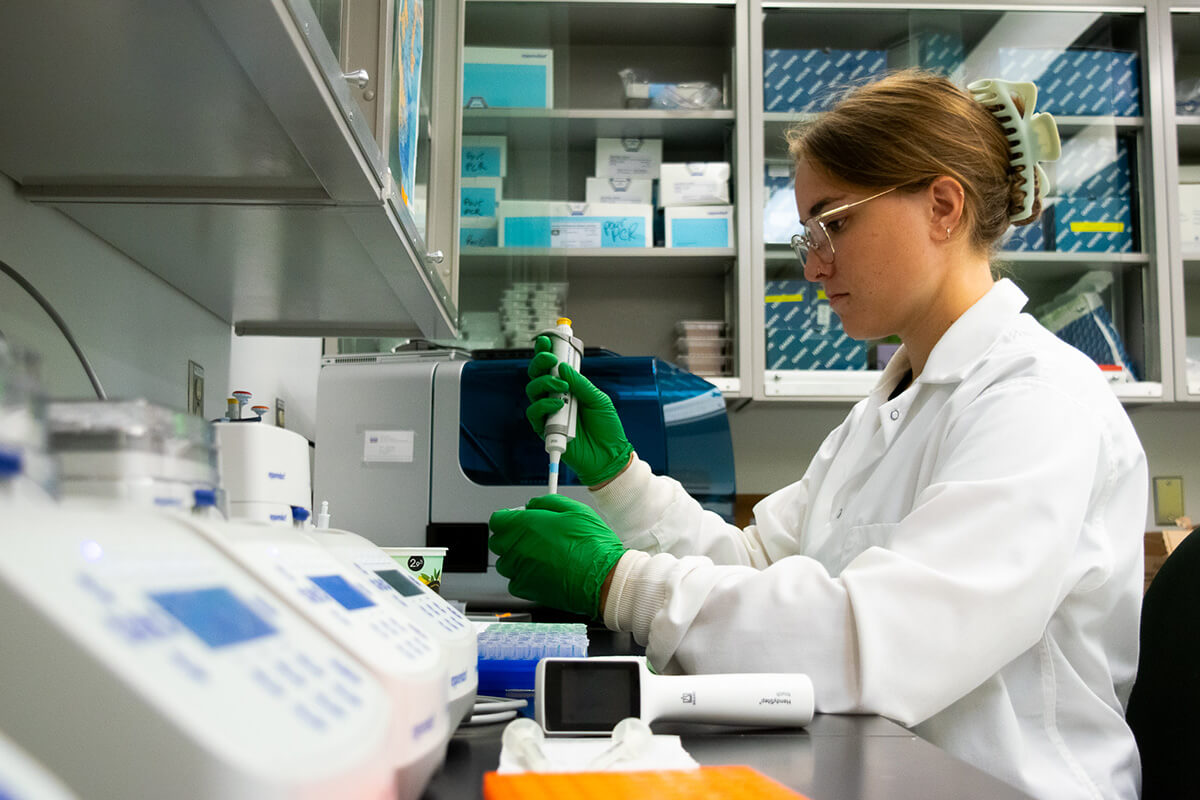
MICS conducts photo-identification and manages blue whale catalogues—one for the western North Atlantic and one for the east—which are used to track observed animals over time and space. The research centre also performs biopsies on selected individuals, a technique in which they take skin and blubber samples. Combined with photo-identification, biopsies help determine an individual’s sex and lineage, thus providing insight into the social structure and reproductive behaviours of the species under study. These samples can also be analyzed to determine the concentrations of contaminants such as pesticides and polychlorinated biphenyls (PCBs).
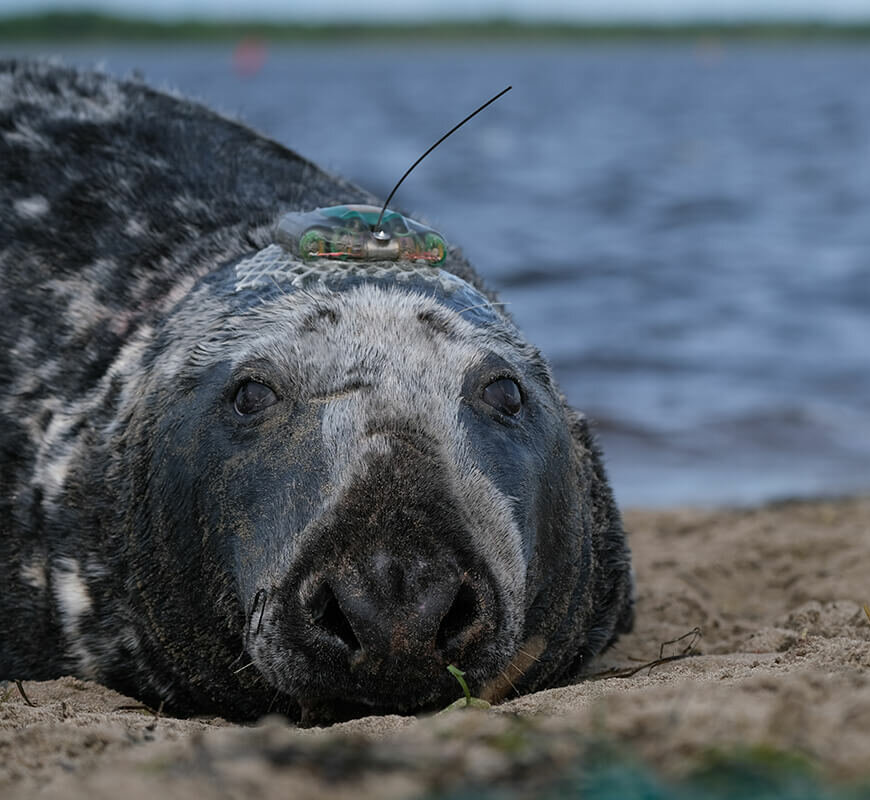
MICS research projects also include monitoring North Atlantic right whales, tracking cetaceans with satellite tags, measuring entanglement rates in fin and blue whales, studying humpback whale reproduction and body condition, differentiating trophic niches in fin whales in the St. Lawrence, and studying the sensory ecology and feeding behaviour of baleen whales.