
Côte-Nord: Prime Location for Autumn Whale Watching

Across Quebec, fall has truly arrived, as evidenced by the turning leaves and the arrival of certain marine mammal species that are considered harbingers of the colder weather to come. The usual small and large cetaceans are still sharing the waters of the St. Lawrence, even as some boaters begin to dock their craft for the season. Meanwhile, the North Shore community has reported a few noteworthy sightings, reminding us that the observation season isn’t over until it’s over!
Winter pinnipeds and a 5-foot dorsal fin
“On my way back from fishing this morning, a lot of gulls were circling and feeding on the water surface when suddenly, a dorsal fin measuring a good 5 feet tall emerged,” exclaims a fisherman from near La Tabatière. “Then, another group of about four or five individuals approached the large male that was now close to me.” The cetaceans described here were none other than killer whales! While sightings of this species occur in the Gulf almost every year, each one remains truly special. Did you know that the dorsal fin of a male orca can reach up to 1.8 metres high?


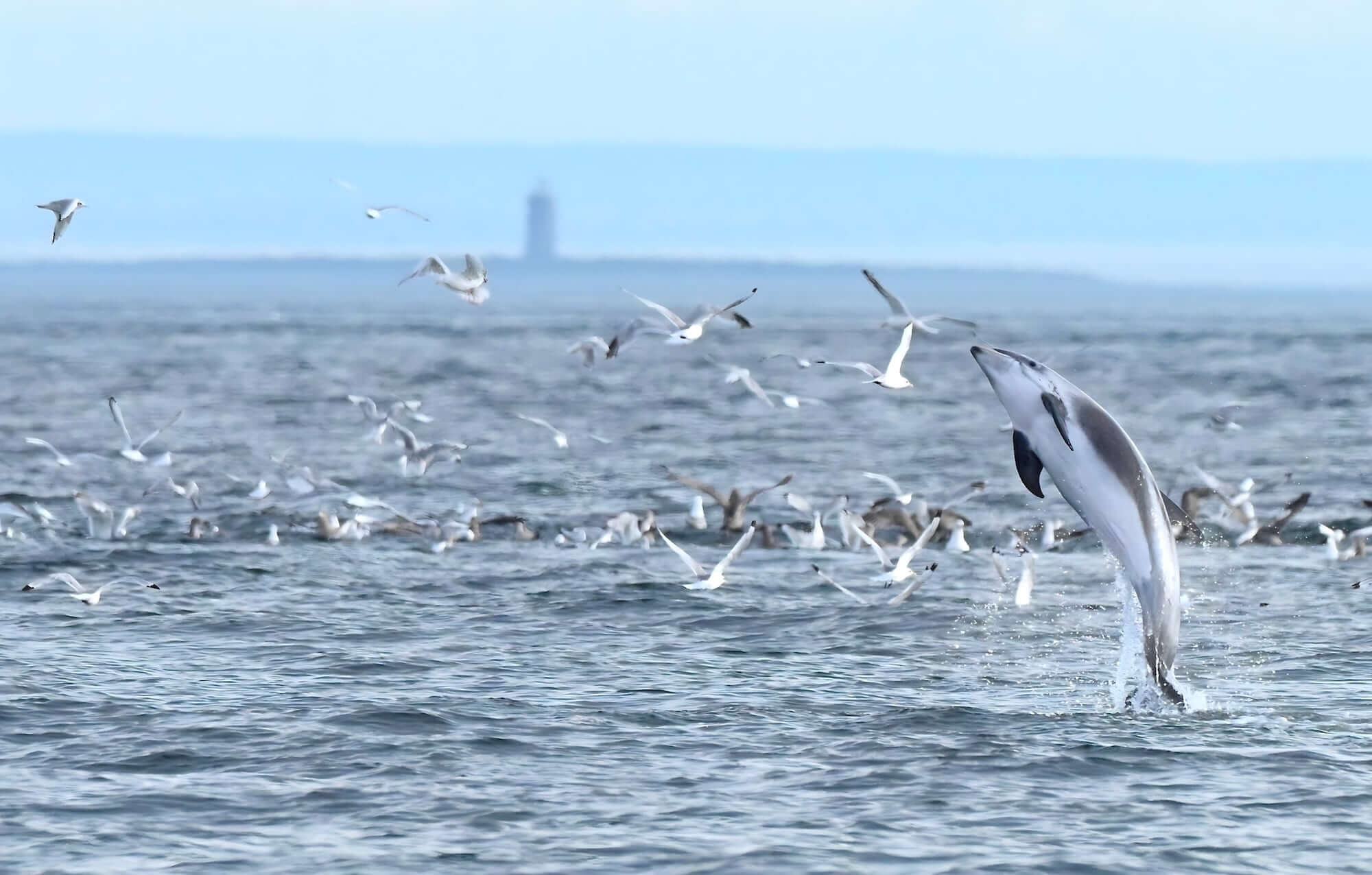
“I saw a nice pod of white-beaked dolphins as well as harp seals,” notes a resident of Franquelin. A fin whale and at least three humpbacks were also in the area, not to mention a few grey seals.
Dolphins are most frequently spotted in the St. Lawrence in spring and fall. Were these some of the same individuals that had brought a sparkle to the eyes of so many folks between Tadoussac and Les Bergeronnes just a few days earlier? As for harp seals, they generally begin their winter migration toward northern Newfoundland, southern Labrador, and the Gulf of St. Lawrence in September. Leaving behind the coastal waters of Greenland and the Canadian Arctic, they seek areas of pack ice for calving and breeding. In a way, their presence is a sign of cooler days around the corner!
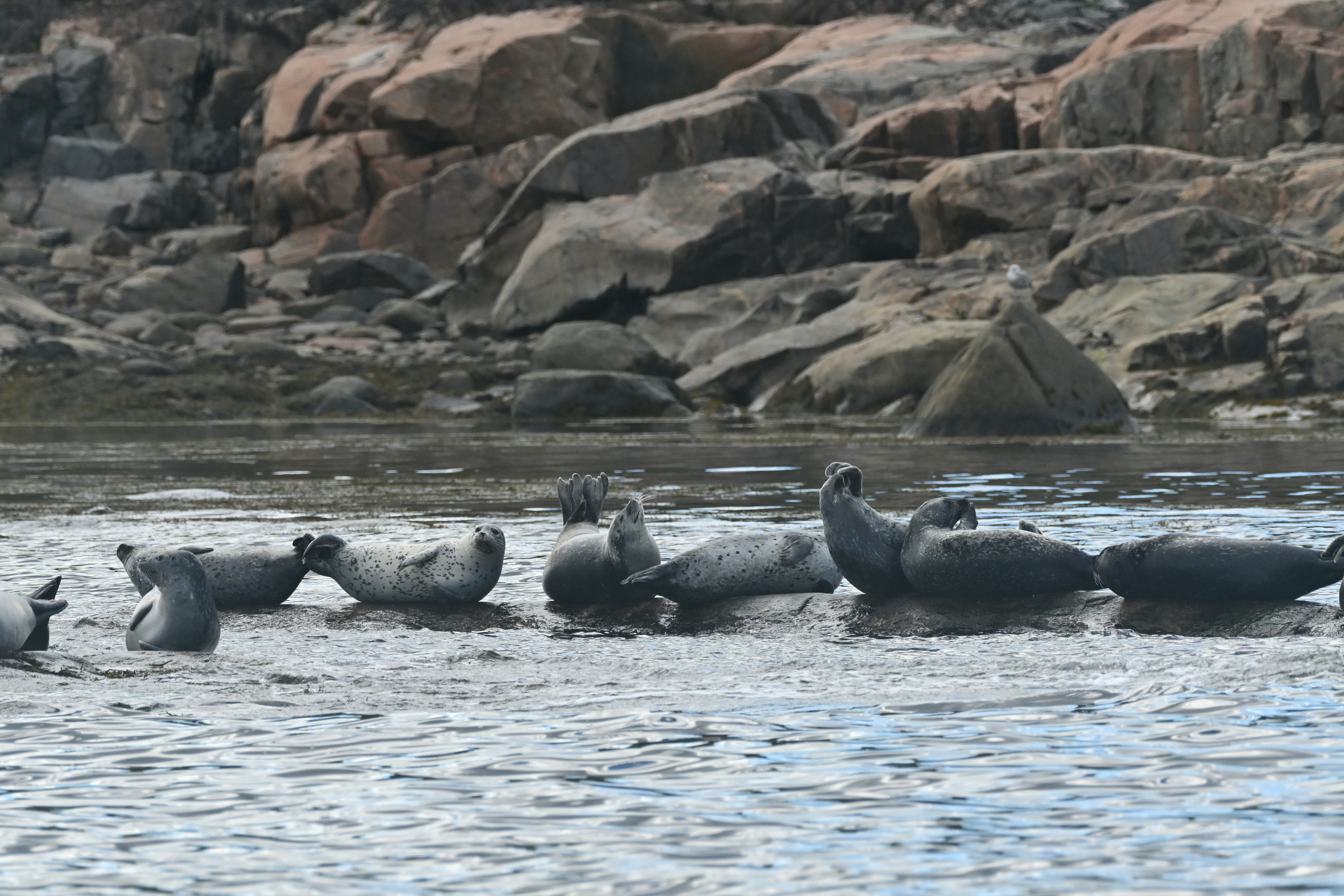
In the Gaspésie region, things remain quiet, notwithstanding a few harbour seals, two fin whales, and two humpbacks reported near the town of Gaspé.
Elated researchers
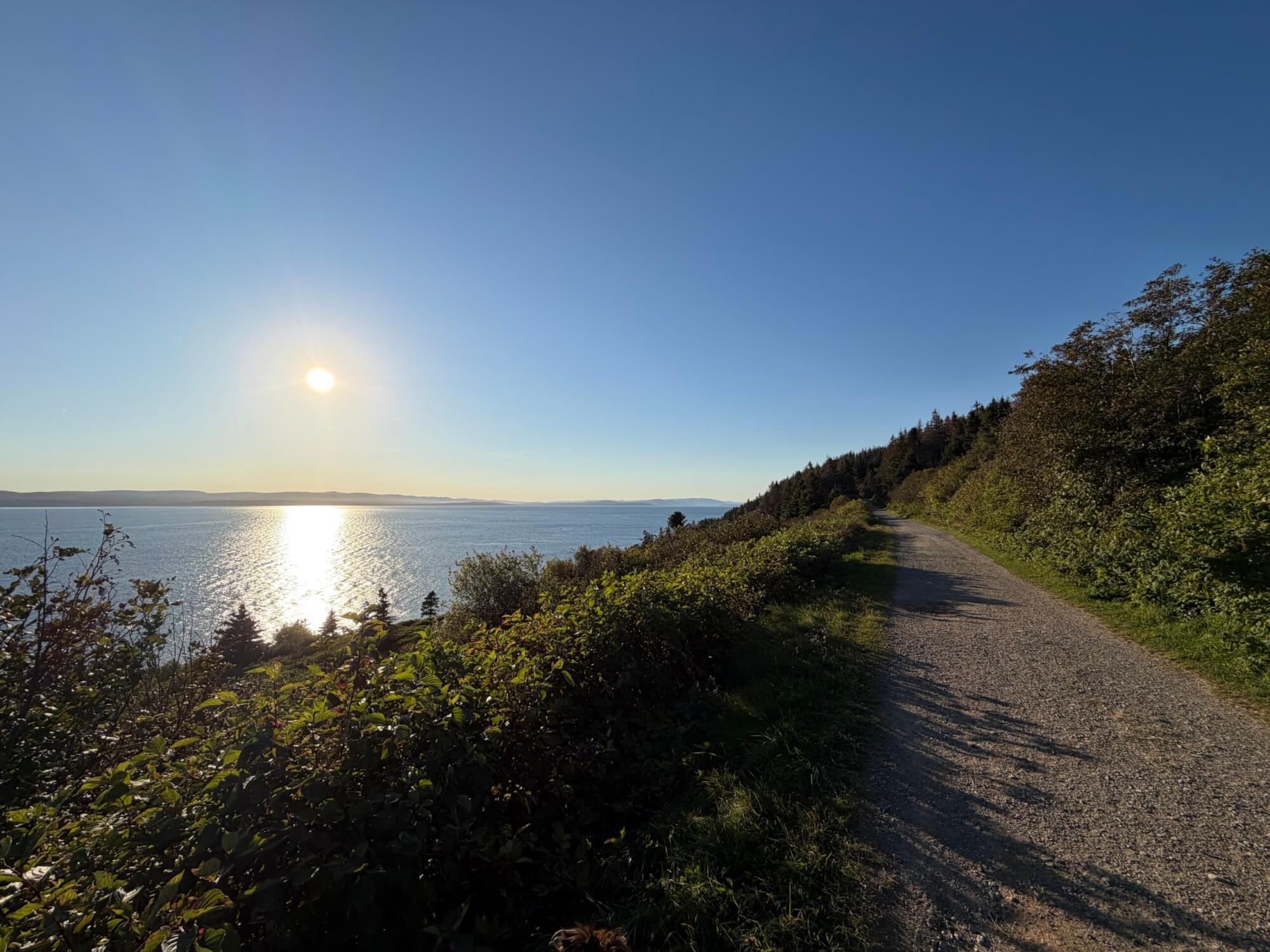
The Mingan Island Cetacean Study (MICS) reports what was “probably the best day of the season so far” in Sept-Îles: three North Atlantic right whales, five fin whales, four blue whales (including B466, B470 and B397) engaged in a “rumba”—a behaviour believed to be a prelude to mating that involves multiple males pursuing a single female—as well as the humpback whale H379 (“Leprechaun”) emitting trumpeting-type vocalizations. A MICS biologist points out that this vocal behaviour by the humpback occurred immediately after a satellite tag was attached to one of the fin whales. He added with a chuckle that the humpback seemed to be acting as the “sea police”!
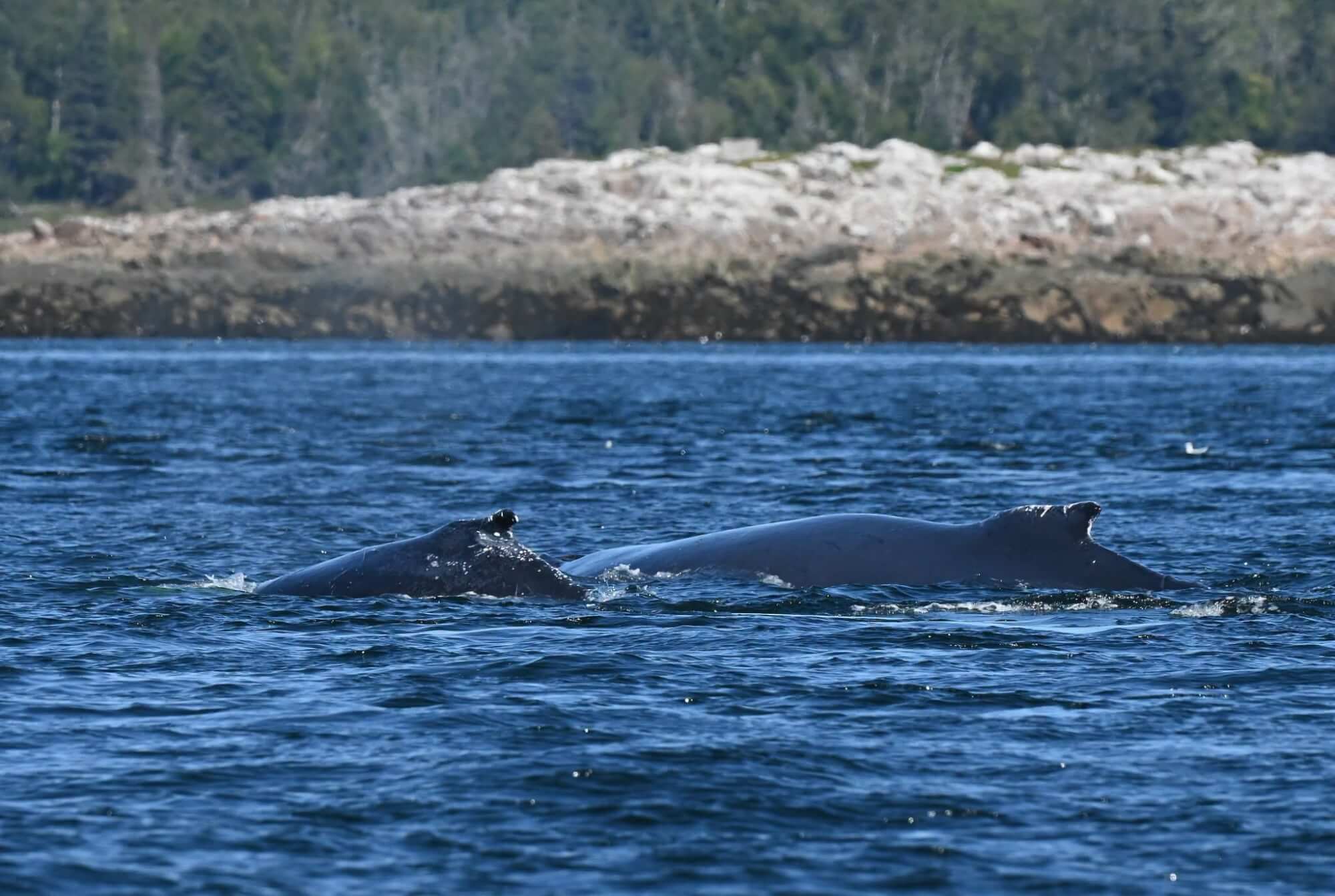
A researcher from the Sept-Îles Education and Research Centre (CERSI) is intrigued: For the past few weeks, she has been watching a group of about a dozen humpbacks, an observation that reminds her of the 2016 season. The following year (2017), several of the females from that gathering were spotted again… this time accompanied by their calves. “Do female humpbacks congregate annually in the St. Lawrence to gorge themselves before heading south to give birth?” she wonders. We’ll be sure to keep an eye out for that next season! Two fin whales, two minke whales, and a blue whale were also sighted in the same area.
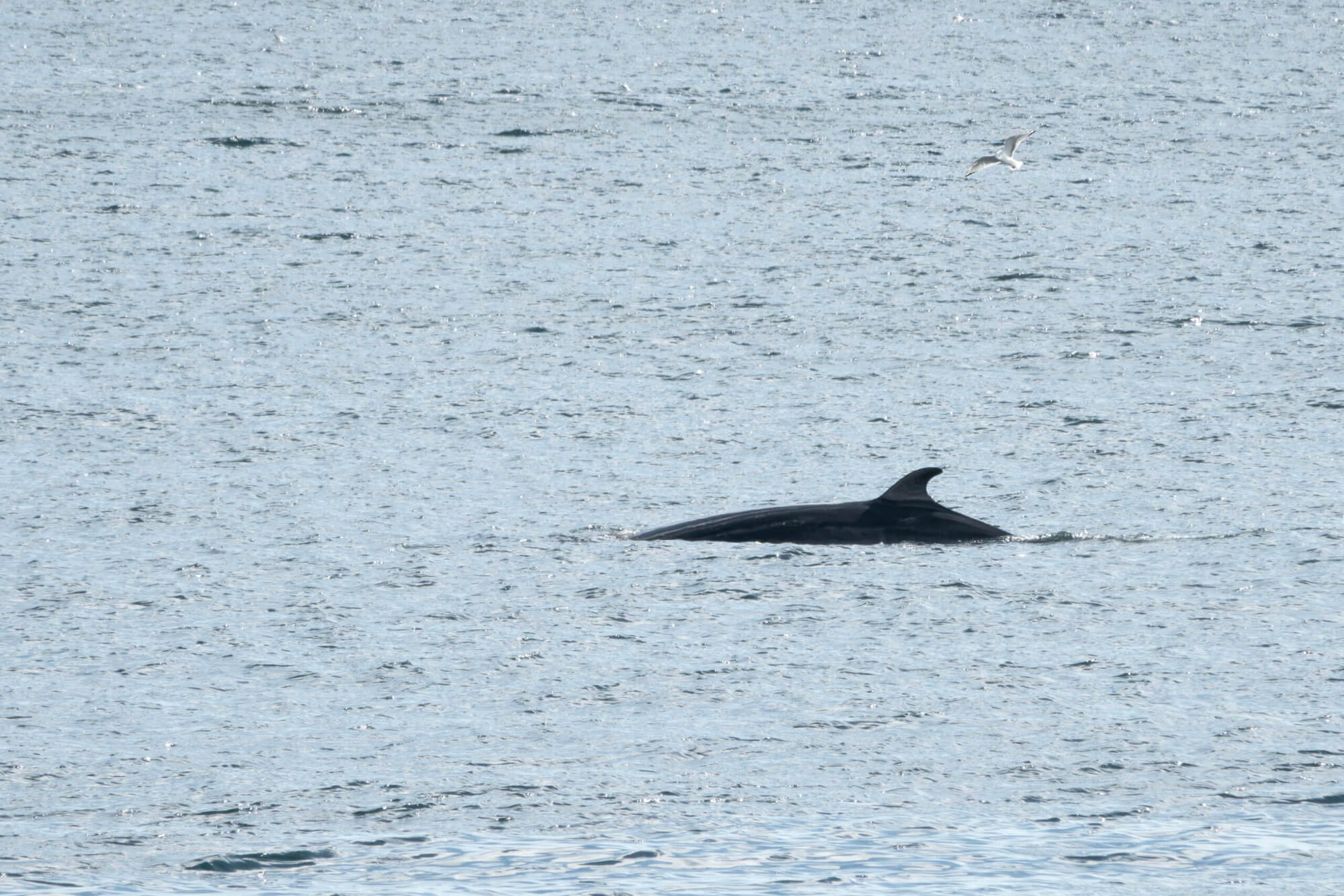
Mériscope wrapped up its field season on September 22. Among other sightings between Les Bergeronnes and Les Escoumins, the research team observed 23 minke whales—including individuals that “often stayed in small groups”—seven fin whales, 46 belugas, 20 harbour porpoises, and over fifty grey seals. What a way to cap off the season!
Return of Gaspar, Katana, and Le Souffleur
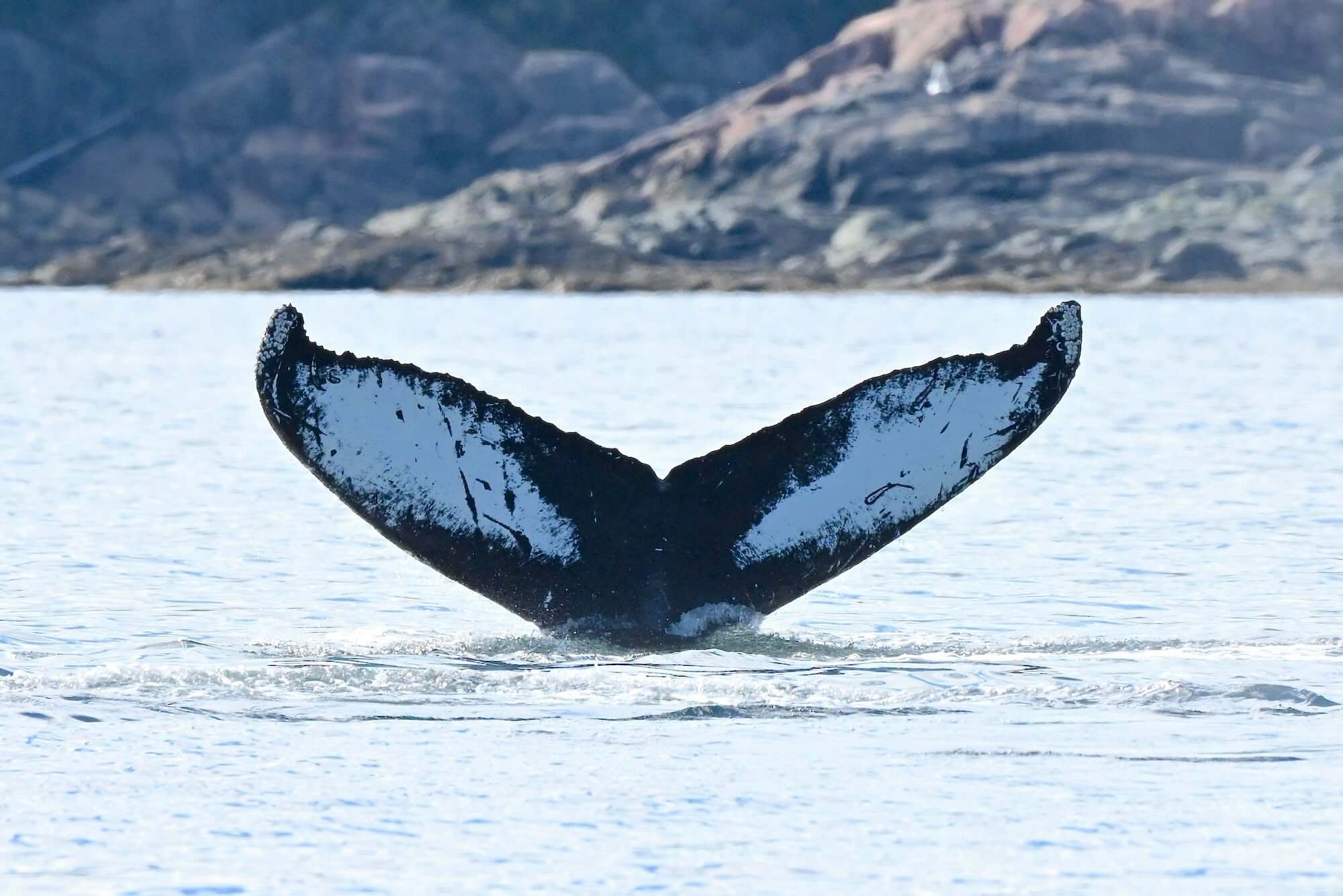
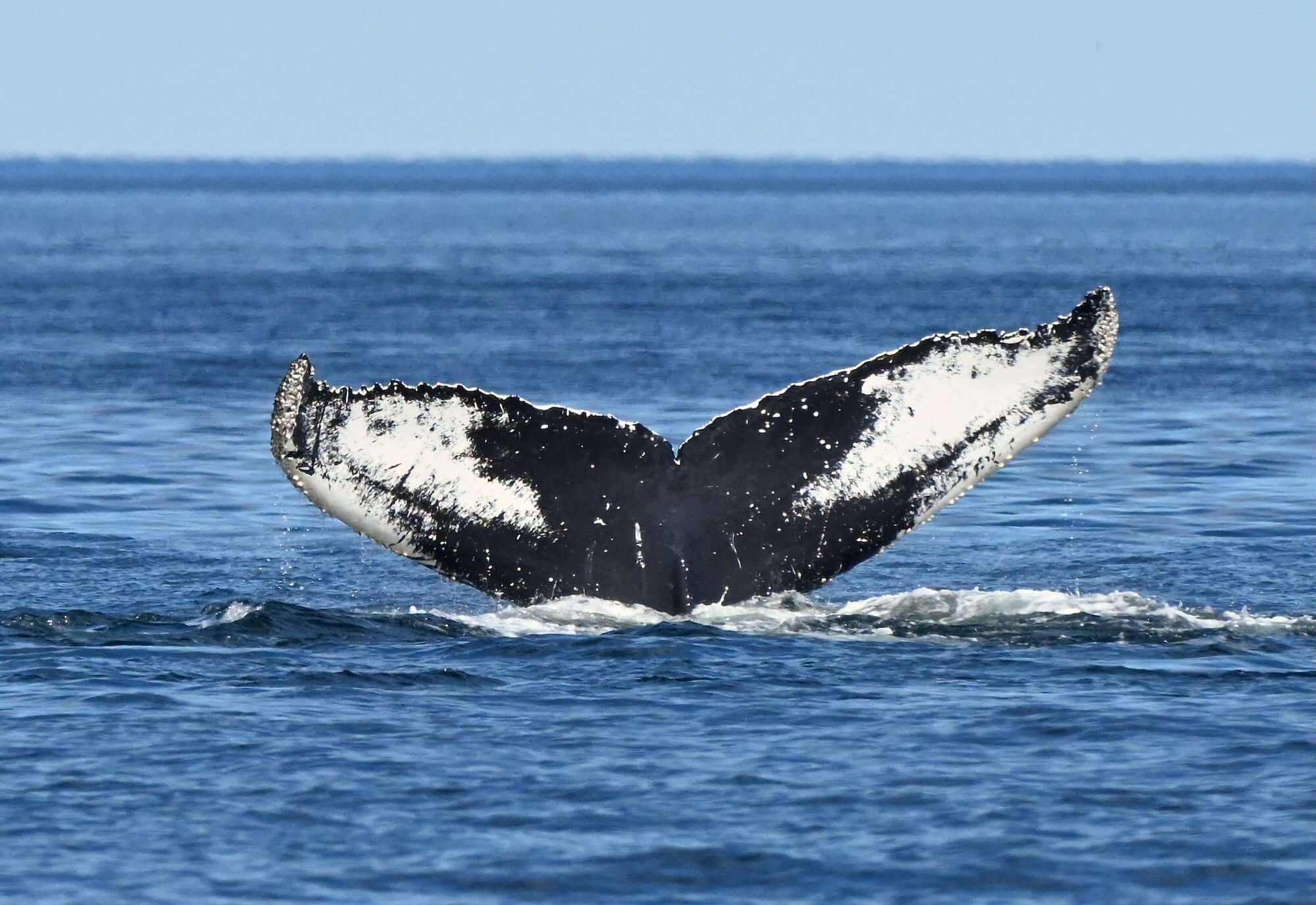
After being spotted farther downriver, three well-known humpbacks—in the words of one local observer—”came for a dip” in the Saguenay–St. Lawrence Marine Park. H944 (Katana) is still in the area, while the females H626 (Gaspar) and H531 (Le Souffleur) appear to have already moved on. The movements of this species within the St. Lawrence are often dictated by food masses, which also vary from year to year and shift with the currents.
“Harbour seals have been very abundant around Les Escoumins, and well-known minke whales like Fidèle and Jaseur are bringing smiles to many people’s faces,” adds one enthusiast, in reference to these two species that—despite their diminutive size—the public finds every bit as exciting.
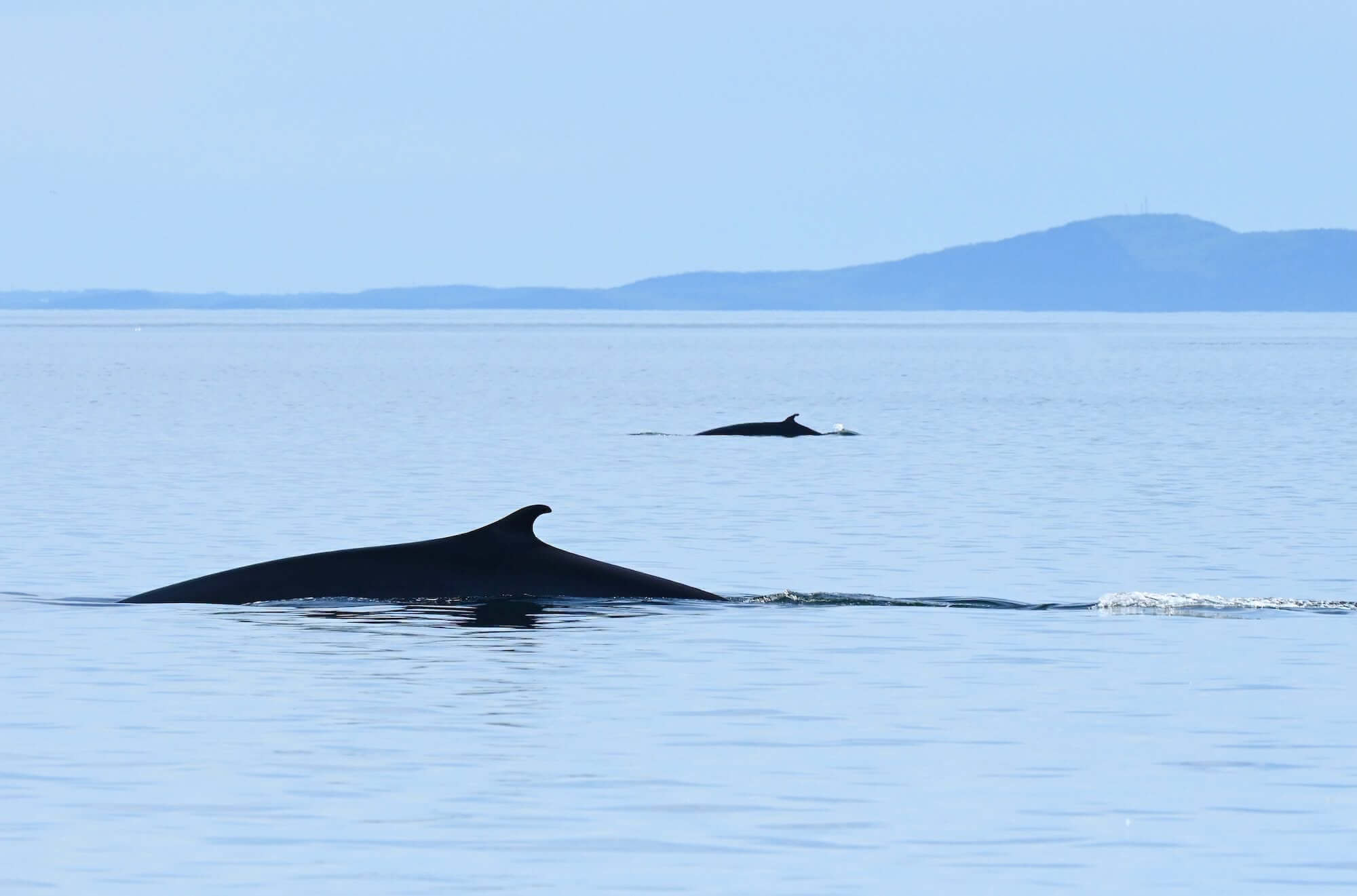
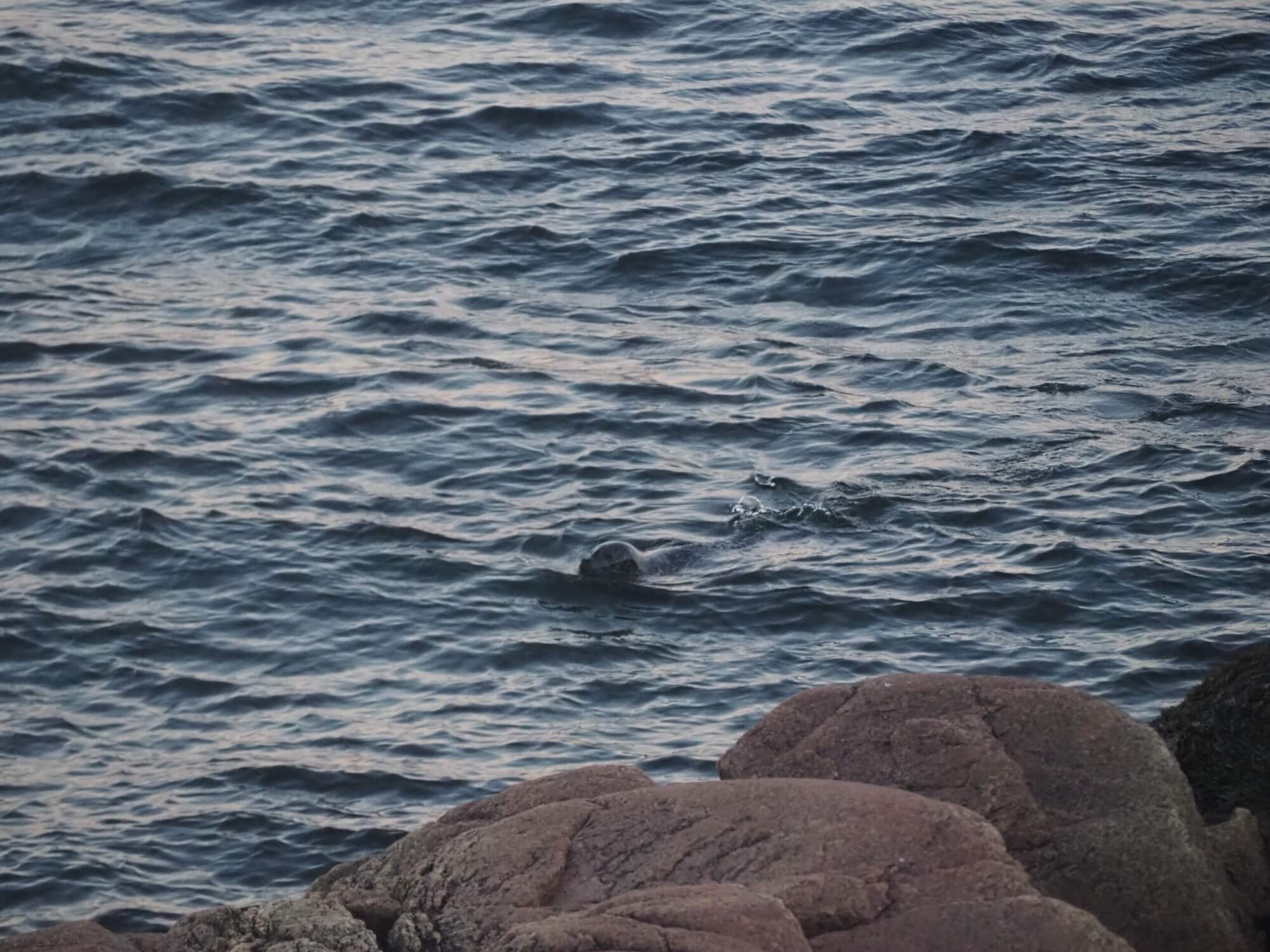
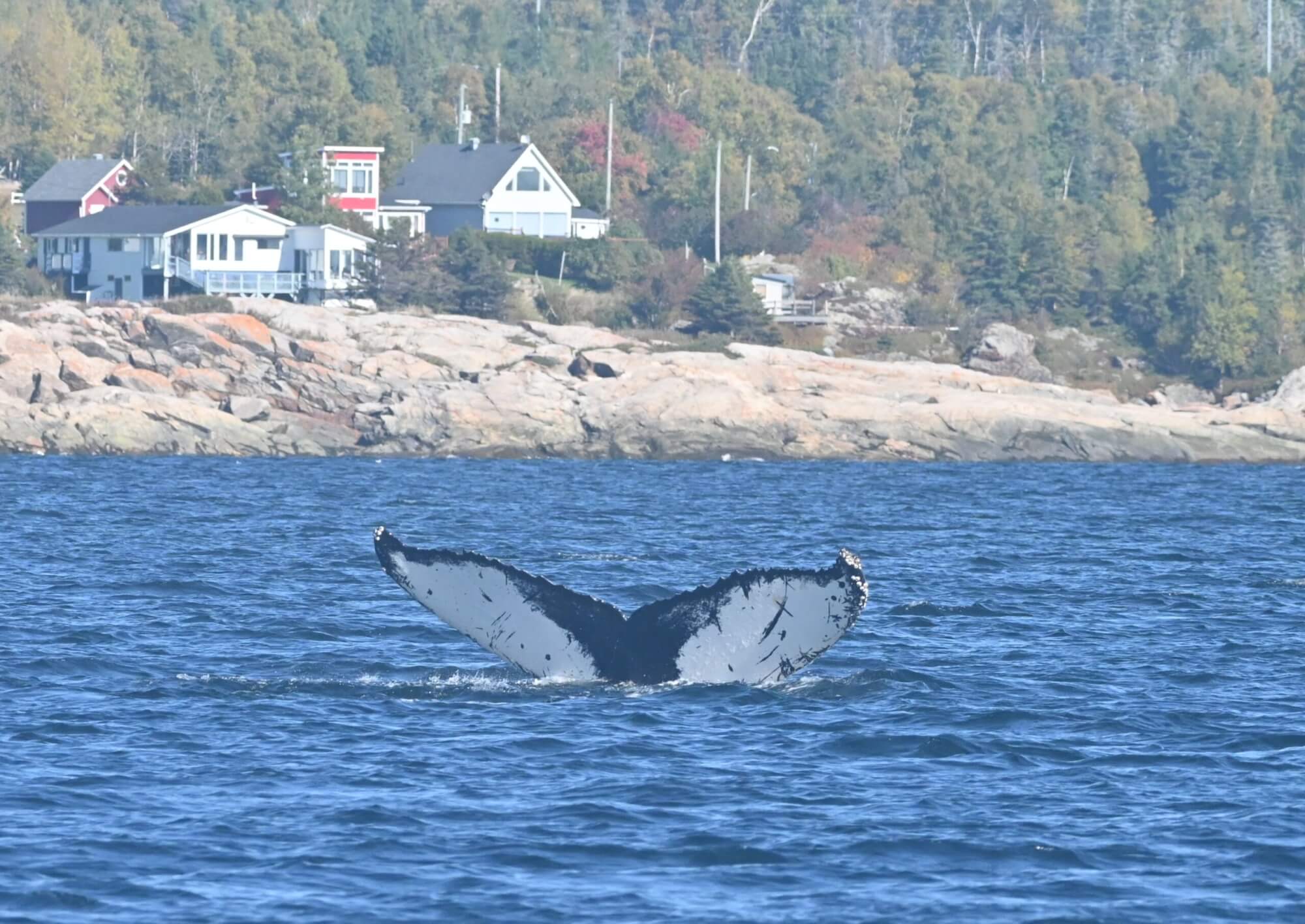
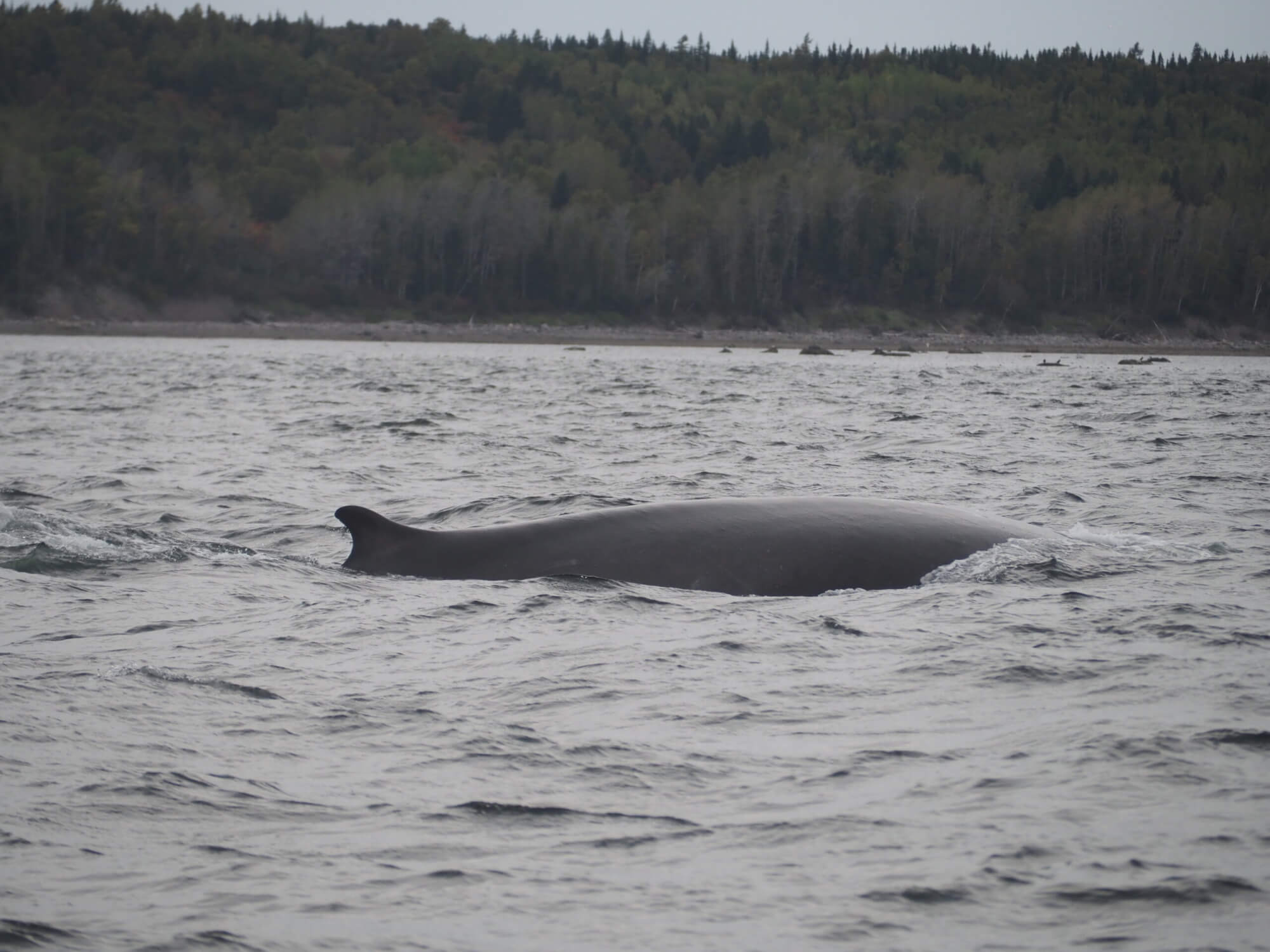
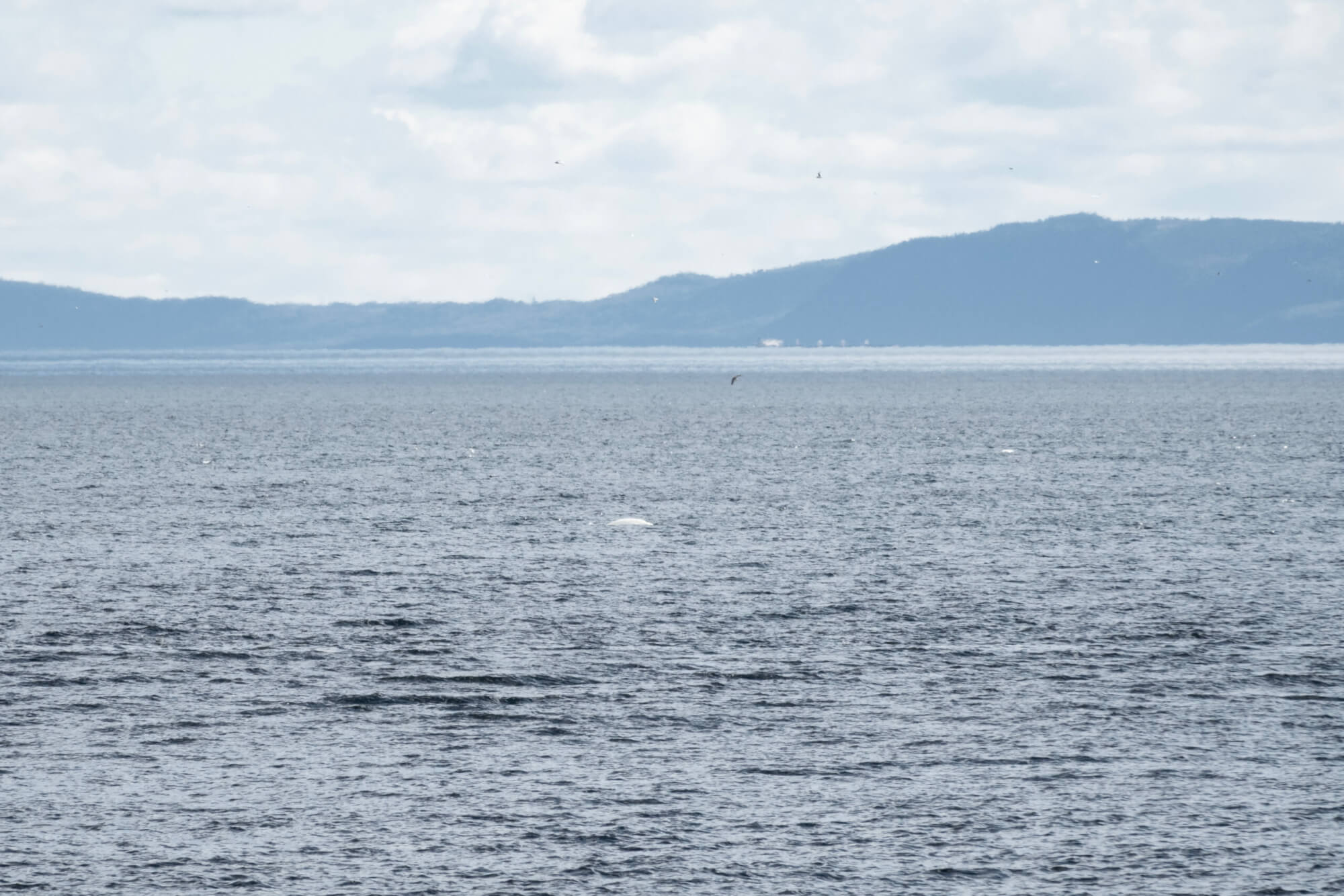
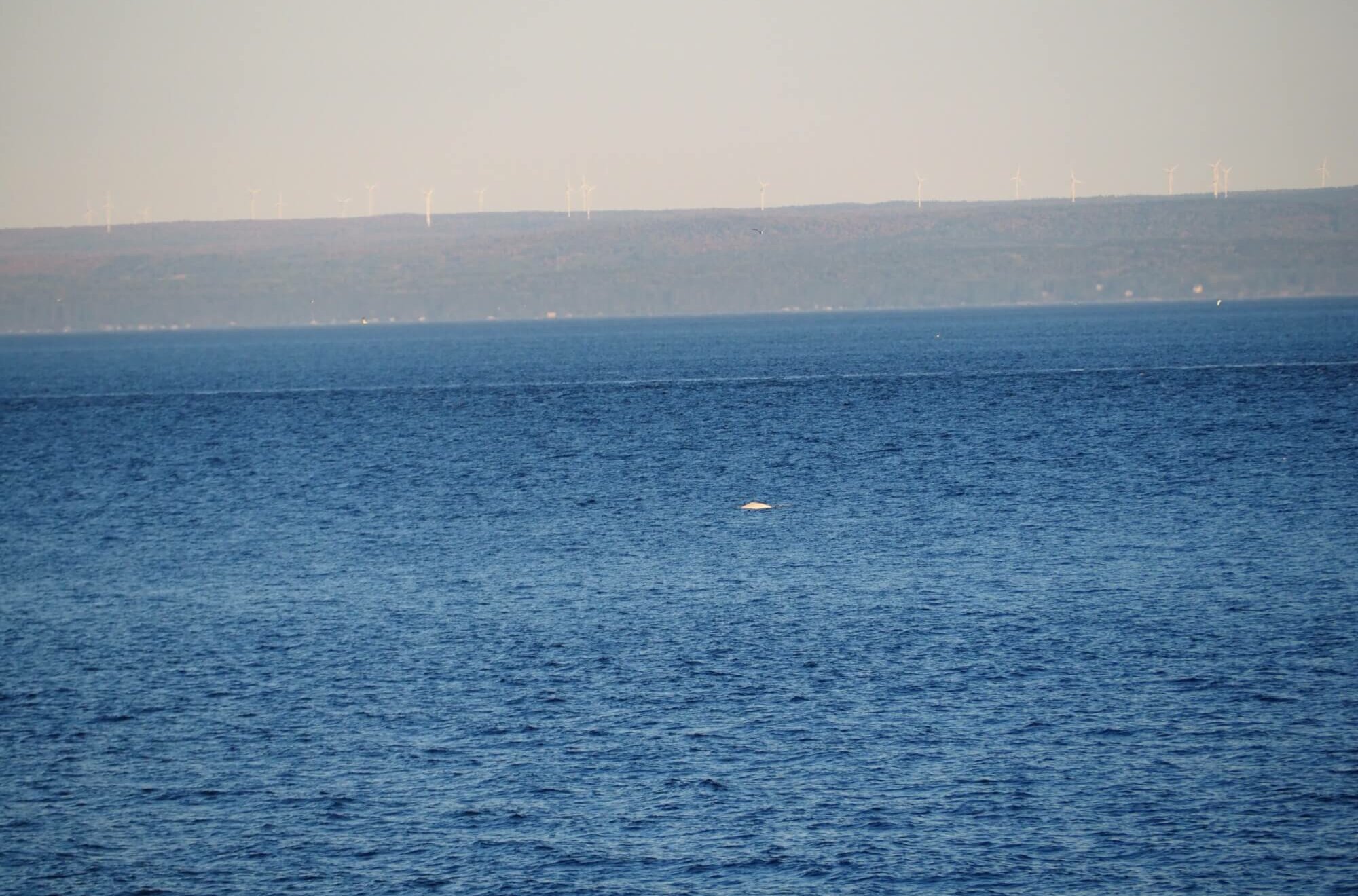
Small white whales have also been spotted in good numbers over the past few days, from Saint-Irénée to Les Escoumins: “While we were enjoying a few drinks, we witnessed a ‘parade’ of adult belugas alongside their greyish-brown calves. It was absolutely stunning!” comments a local resident. “Delightful… pure joy,” adds another. A few grey seals and “two harbour seals—one of which was tiny and splashing around near the rocks by the condos”—were swimming close to the North Shore village. One keen observer notes having seen fin whales in the vicinity as well; indeed, a dozen or so of these creatures have recently been reported in the Marine Park sector!
Where are the whales this week? Sightings map
These data were reported by our network of observers. They give an idea of the presence of whales and in no way represent the actual distribution of whales in the St. Lawrence. Just for fun!
Click on the whale or seal icons to discover the species, the number of individuals, additional information or photos of the sighting. To enlarge the map, click on the icon in the top right-hand corner. The map works well on Chrome and Firefox, but not so well on Safari.
To display the list of sightings, click on the icon in the top left-hand corner.
Thanks to all our collaborators!
Special thanks go out to all our observers who share their love for marine mammals with us.
Your encounters with cetaceans and pinnipeds are always a pleasure to read and discover. On the water or from shore, it is your eyes that give life to this column.
- Croisières Baie de Gaspé
- Marie-Andrée Charlebois
- Nathalie Cliche
- Thalia Cohen Bacry
- Yves Letellier
- Diane Ostiguy
- Stéphane Pagès
- Renaud Pintiaux
- Pascal Pitre
- Aline Préfontaine
- René Roy
- Guillaume Savard
- Andréanne Sylvain
- Marielle Vanasse
And to all the others!
Additionally, we would like to acknowledge the following teams that also share their sightings:
Sept-Îles Research and Education Centre (CERSI)
Group for Research and Education on Marine Mammals (GREMM)
Marine Mammal Observation Network (MMON)
Quebec Marine Mammal Emergency Response Network (QMMERN)
Mingan Island Cetacean Study (MICS)
Mériscope
Would you also like to share your observations? Have you seen any marine mammals in the St. Lawrence? Whether it’s a spout offshore or just a couple of seals, drop us a line and send your photos to [email protected]!

Odélie Brouillette
Odélie Brouillette joined the GREMM team as a writer and naturalist in 2022, and has been a project manager in scientific communication since 2023. With a background in biology, she loves learning and sharing with others what's most important to her. She has always been fascinated by marine environments and whales, and hopes to contribute to their protection through awareness-raising and popularization.
Recommended articles
Strong Winds, Big Whales
Despite the strong winds, fog, and plummeting air temperatures, marine animals of all kinds continue to roam the St. Lawrence.…
Mama Whales and Their Calves Roam the St. Lawrence
It would hardly be an exaggeration to say that the St. Lawrence has been teeming with life these past few…
Chance Encounters in the Estuary
The undisputed stars this past week were white-beaked dolphins, which reminds us of the importance of being in the right…