
Tentative Return of the Great Whales

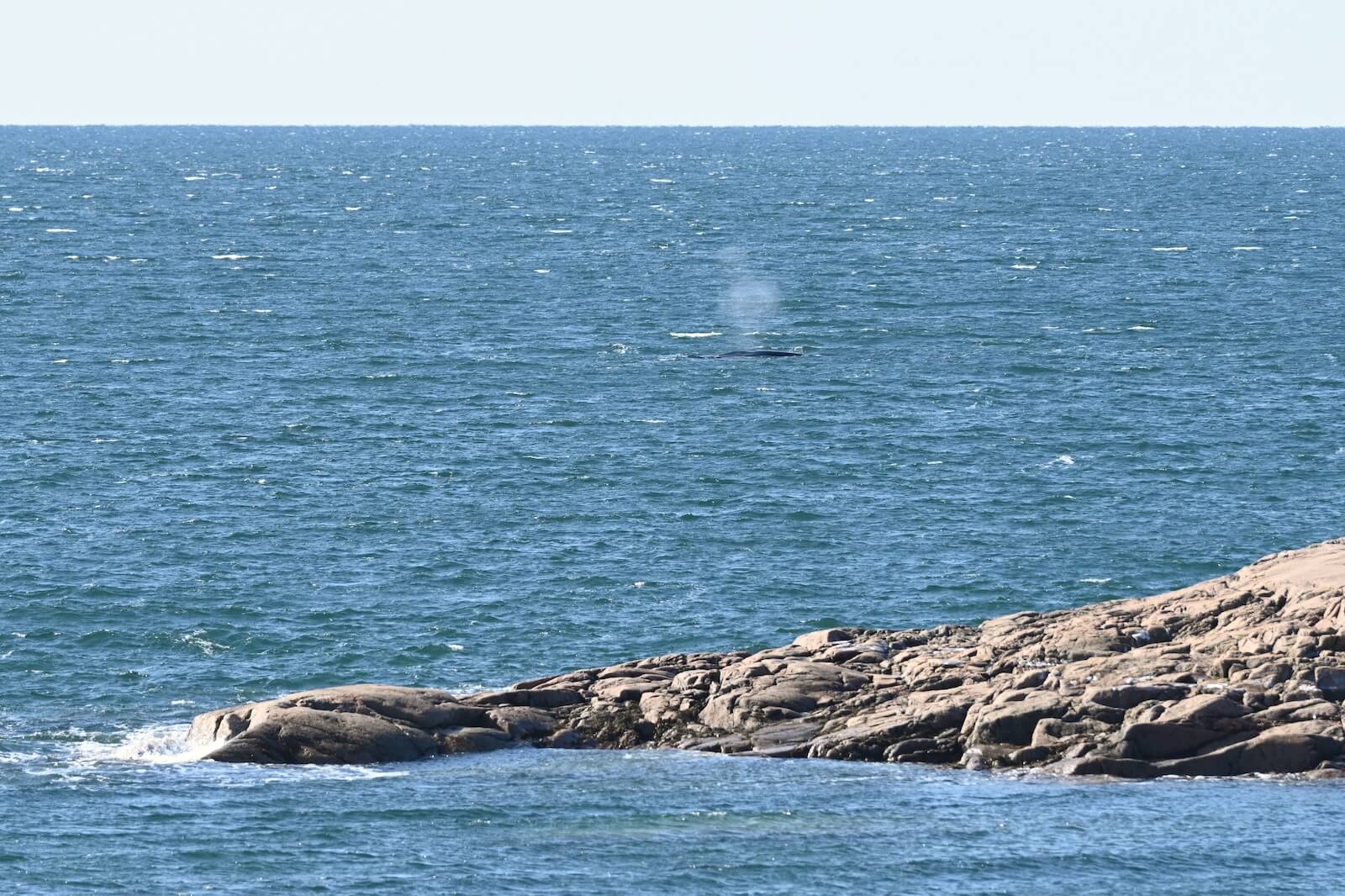
High spouts in the Gaspé, a fin whale in the estuary, vertical plumes of condensation near Franquelin… Could these observations mark the return of the great whales? Their presence, however, seems ephemeral: They appear and disappear quickly in the vastness of the St. Lawrence as soon as observers turn their backs. Belugas are increasingly present in the estuary, while seals continue to frequent the shoreline.
Four spouts and two seals
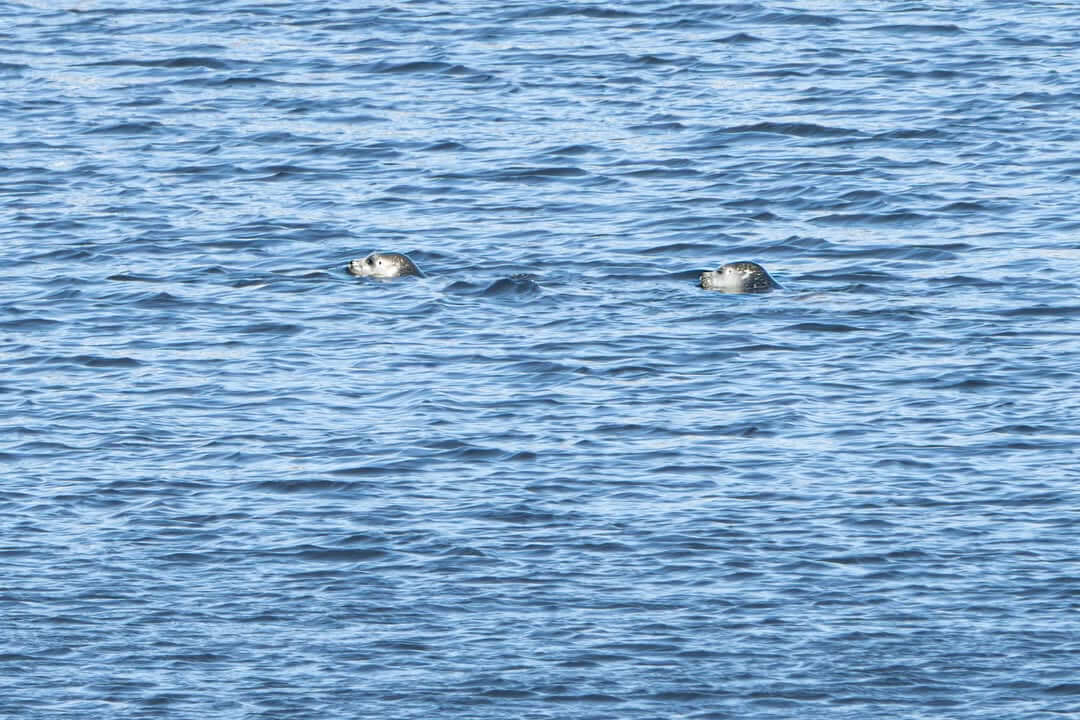
Near Gallix, a woman walking near the mouth of the Sainte-Marguerite River was delighted to come across two harbour seals. Farther west, one observer was lucky enough to spot four large blows off the coast of Franquelin. Fin whales were seen in the same area a few days later, but in the absence of photos, it’s difficult to confirm whether both sightings were of the same species.
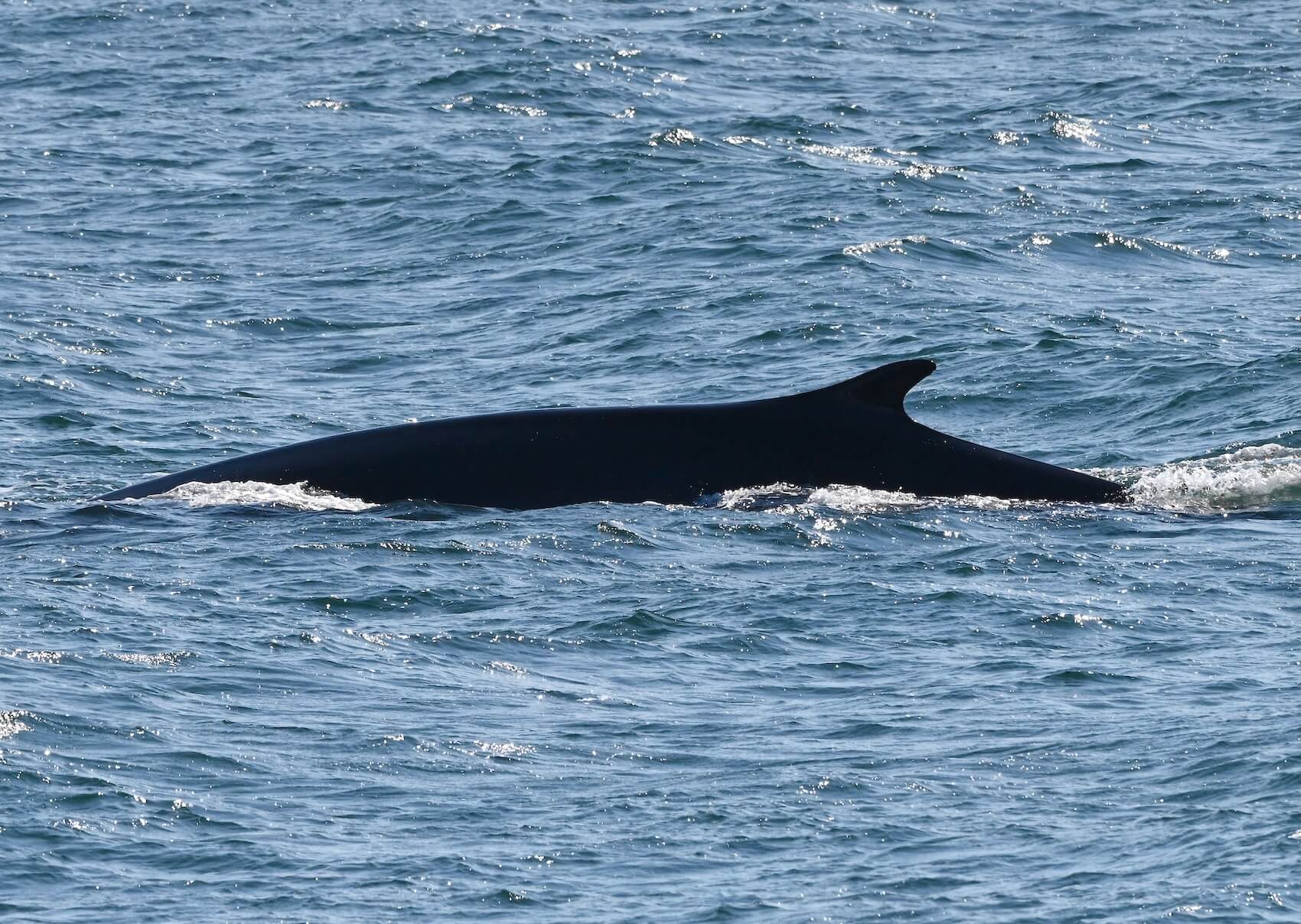
How can you tell which species of whale you’re looking at? On this encyclopedic page, the Whales Online team lists the diagnostic characteristics of each of the various species that frequent the St. Lawrence. Relevant criteria for identifying a moving whale include the height of its blow, the colour of its back, and the shape of its dorsal fin.
The Marine Park comes alive
With belugas, seals, and fin whales being observed, it (almost) feels like summer again in the Saguenay–St. Lawrence Marine Park! Tipped off by his friends, a naturalist and wildlife photographer managed to reach a strategic vantage point between Les Bergeronnes and Les Escoumins just in time to observe a fin whale. Rumours are also going around that a blue whale has been spotted in Portneuf-sur-Mer, while a minke whale supposedly ventured into Tadoussac Bay. Will they be seen again in the days to come?
“Many belugas have been present in small groups off the Tadoussac dunes. They could be seen discretely blowing and lifting their tails before diving as if they were eager for spring to return. The return of seabirds is also becoming increasingly noticeable despite the lingering snow in our villages,” shares a seasoned observer. In early April, around twenty belugas were also seen in the mouth of the Saguenay Fjord, as was a harbour seal.
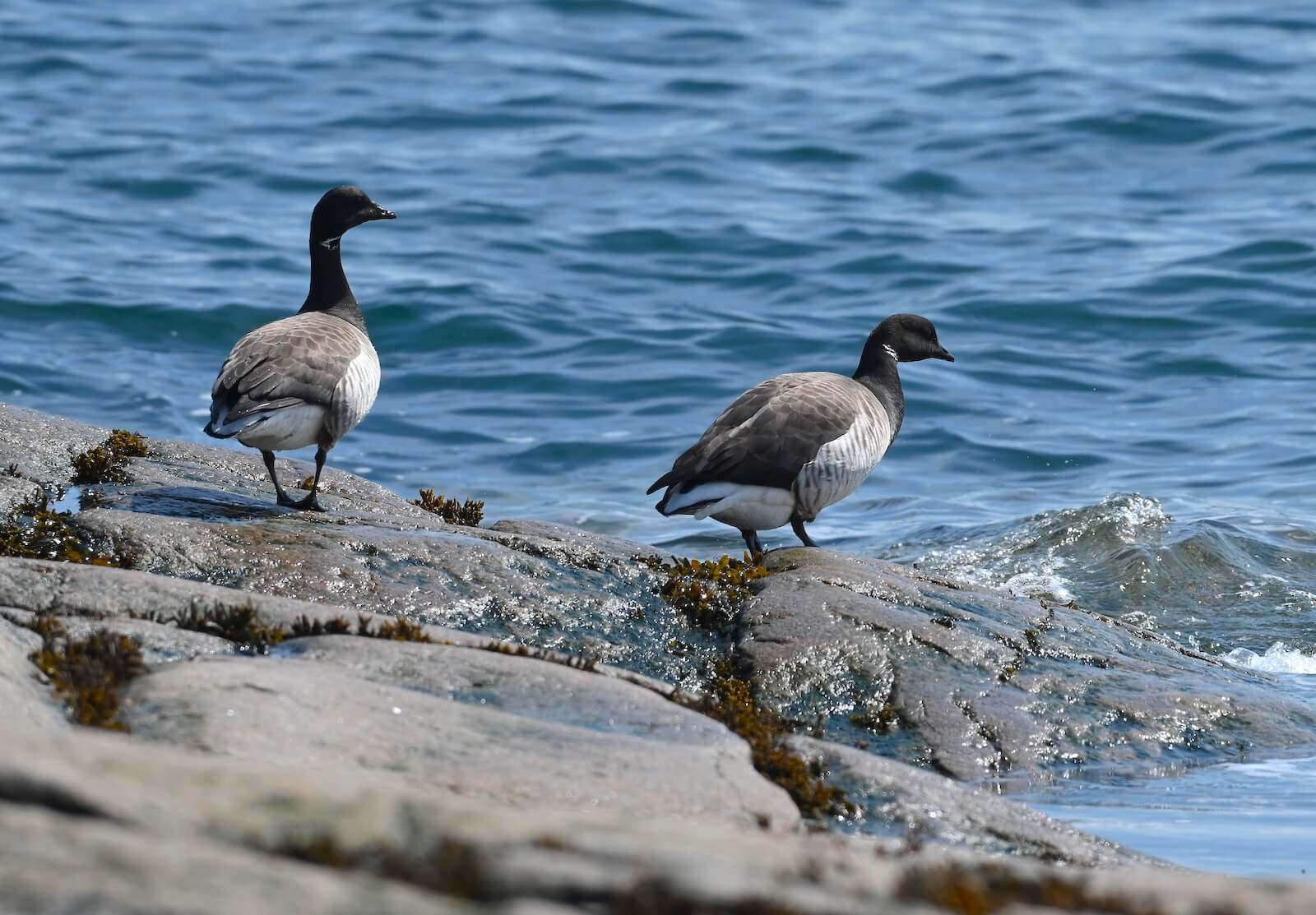
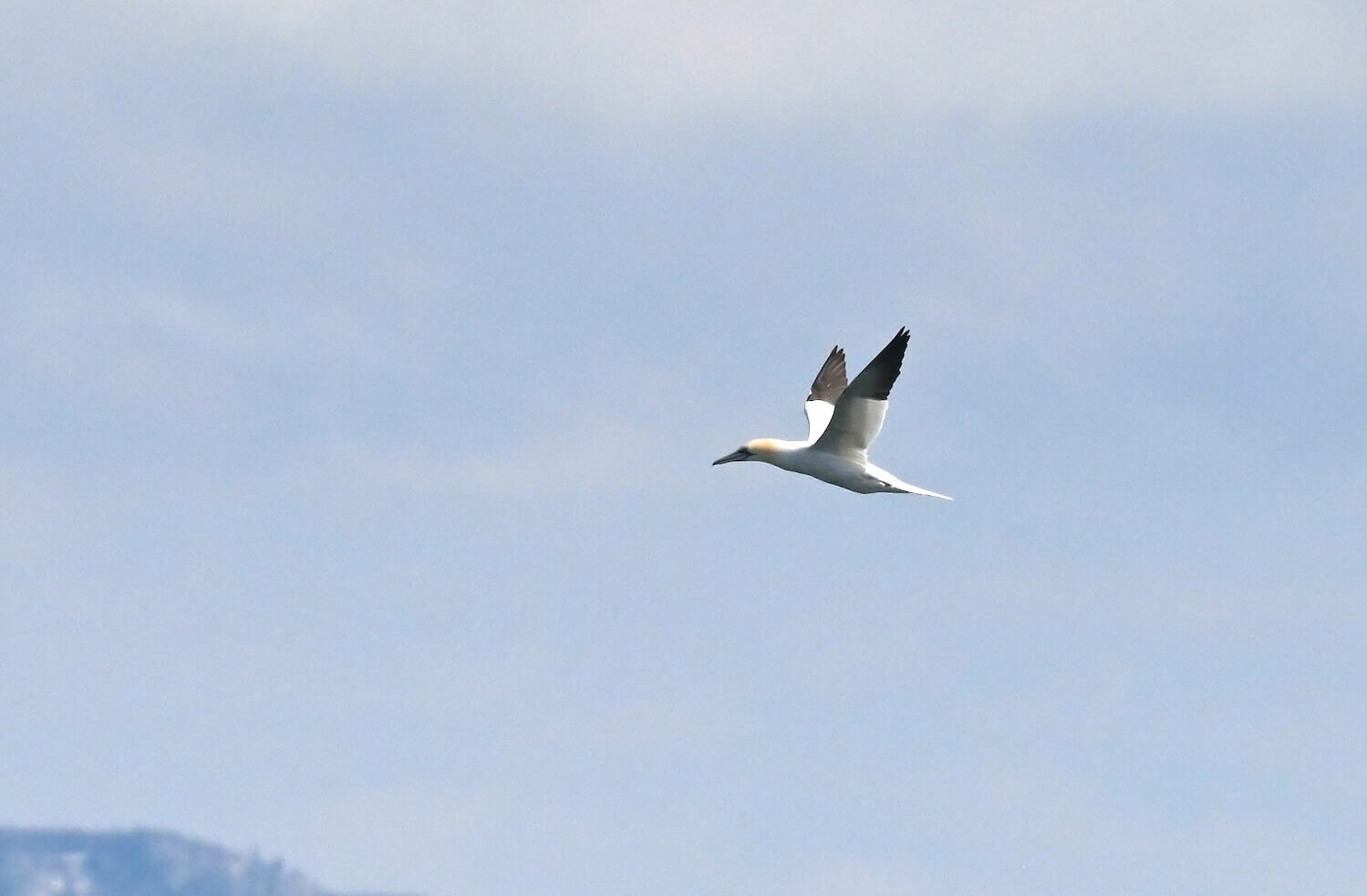
The arrival of certain seabirds, including gannets, brant, razorbills, and double-crested cormorants, is another sign that summer is right around the corner! For many bird species, the north shore of the St. Lawrence is an important migratory corridor in spring and fall. It’s even rumoured that a few lucky individuals spotted a pair of hooded mergansers in the Tadoussac area. It just goes to show that if you keep your eyes peeled, Mother Nature can hold some wonderful surprises!
Seals and spouts on the south shore
In the Gaspé Peninsula, large blows were reported near Bonaventure Island and Cap-des-Rosiers. As for the species that these spouts belonged to, the mystery remains! In the Bas-Saint-Laurent region, it’s seals that are turning heads. One observer writes, “I saw five of them yesterday resting on the rocks between Sainte-Luce and Sainte-Flavie.”
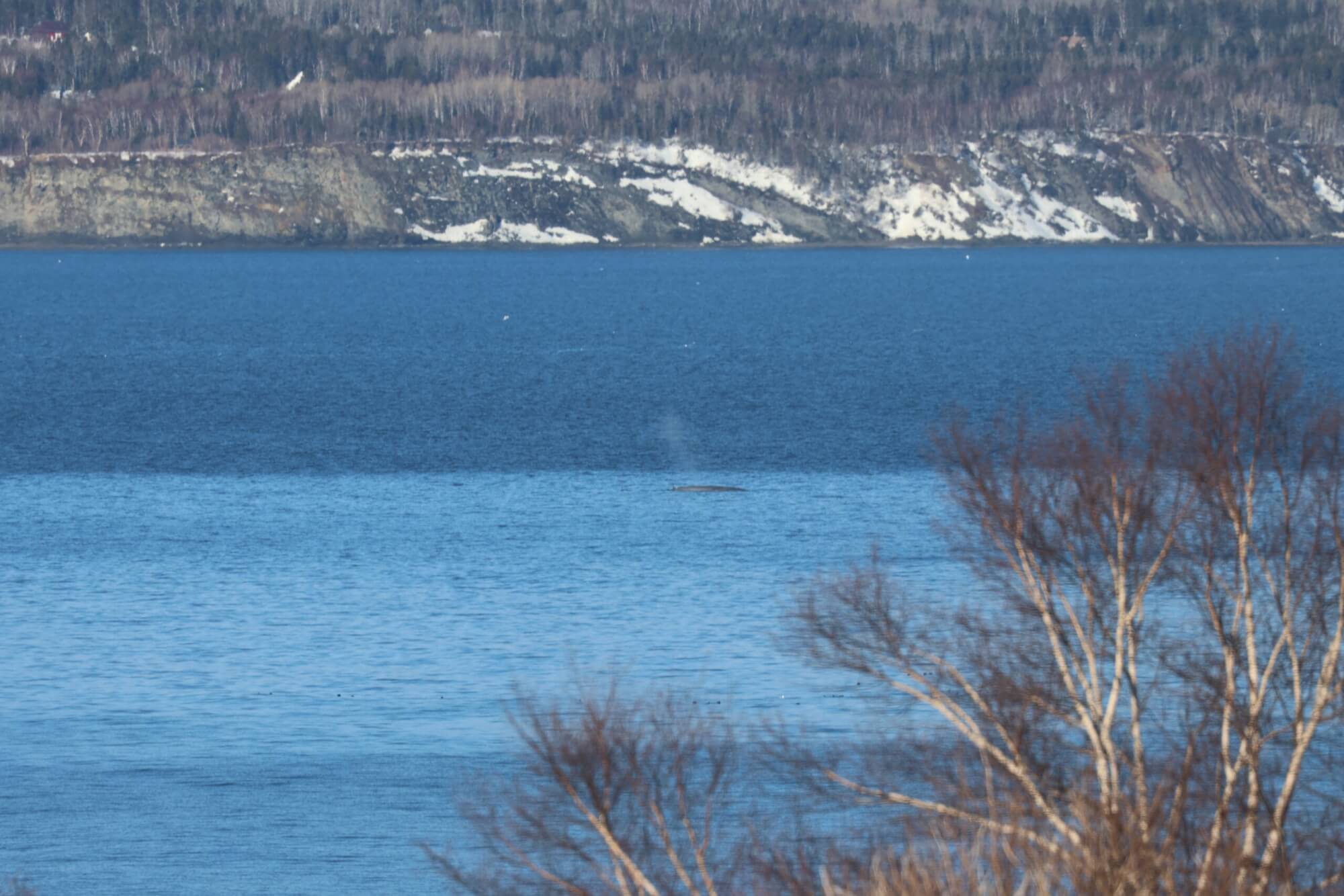
Seals split their time between land and sea, a habit inherited from their exclusively land-roaming ancestors. They generally seek out a spot near the water’s edge where they can quickly flee in the event of danger and stay far away from any source of disturbance. Why do they leave the water? To give birth, moult, regulate their temperature, or simply to rest!
Thanks to all our collaborators!
Special thanks go out to all our observers who share their love for marine mammals with us.
Your encounters with cetaceans and pinnipeds are always a pleasure to read and discover. On the water or from shore, it is your eyes that give life to this column.
- Régis Bujold
- Patrice Corbeil
- Camille Degache
- Laetitia Desbordes
- André Desmarais
- Cédric Gascon
- Hélène Guitton
- Audrey Hébert
- Jade-Audrey Lavergne
- Diane Ostiguy
- Sandrine Papias
- Renaud Pintiaux
- Pascal Pitre
- Andréanne Sylvain
- Marielle Vanasse
Additionally, we would like to acknowledge the following teams that also share their sightings:
Centre d’éducation et de recherche de Sept-Îles (CERSI)
Station de recherche des Îles Mingan (MICS)
Réseau d’observation des mammifères marins (ROMM)
Réseau québécois d’urgence pour les mammifères marins (RQUMM)
Groupe de recherche et d’éducation sur les mammifères marins (GREMM)
Mériscope
Would you also like to share your observations? Have you seen any marine mammals in the St. Lawrence? Whether it’s a spout offshore or just a couple of seals, drop us a line and send your photos to [email protected]!

Odélie Brouillette
Odélie Brouillette joined the GREMM team as a writer and naturalist in 2022, and has been a project manager in scientific communication since 2023. With a background in biology, she loves learning and sharing with others what's most important to her. She has always been fascinated by marine environments and whales, and hopes to contribute to their protection through awareness-raising and popularization.
Recommended articles
Wrapping Up the Season with Some Thanksgiving Weekend Action!
This year’s Thanksgiving weekend was alive with the activity of whales, seals, and birds! Marine mammals are still lingering in…
Between Bronze and Anthracite
Yellow-orange hues reaching toward the sky blend with the smooth, dark swirls emerging from the waves. Even if the strong…
Waters Stirred by Blowing Whales
The shores of the St. Lawrence are ablaze with orange and golden foliage. These multicoloured hues are reflected in the…