Beluga Mortality Report: 19 Carcasses Discovered in 2025

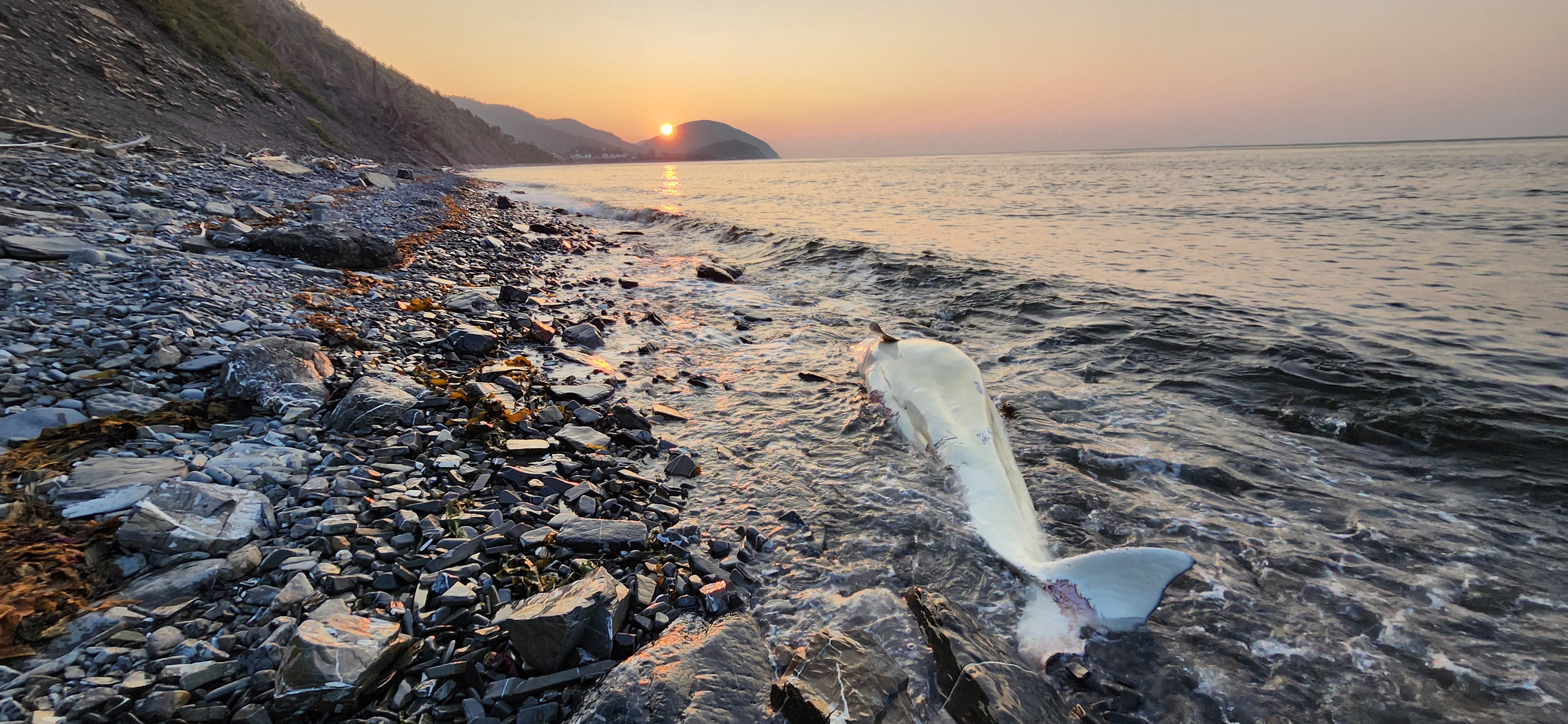
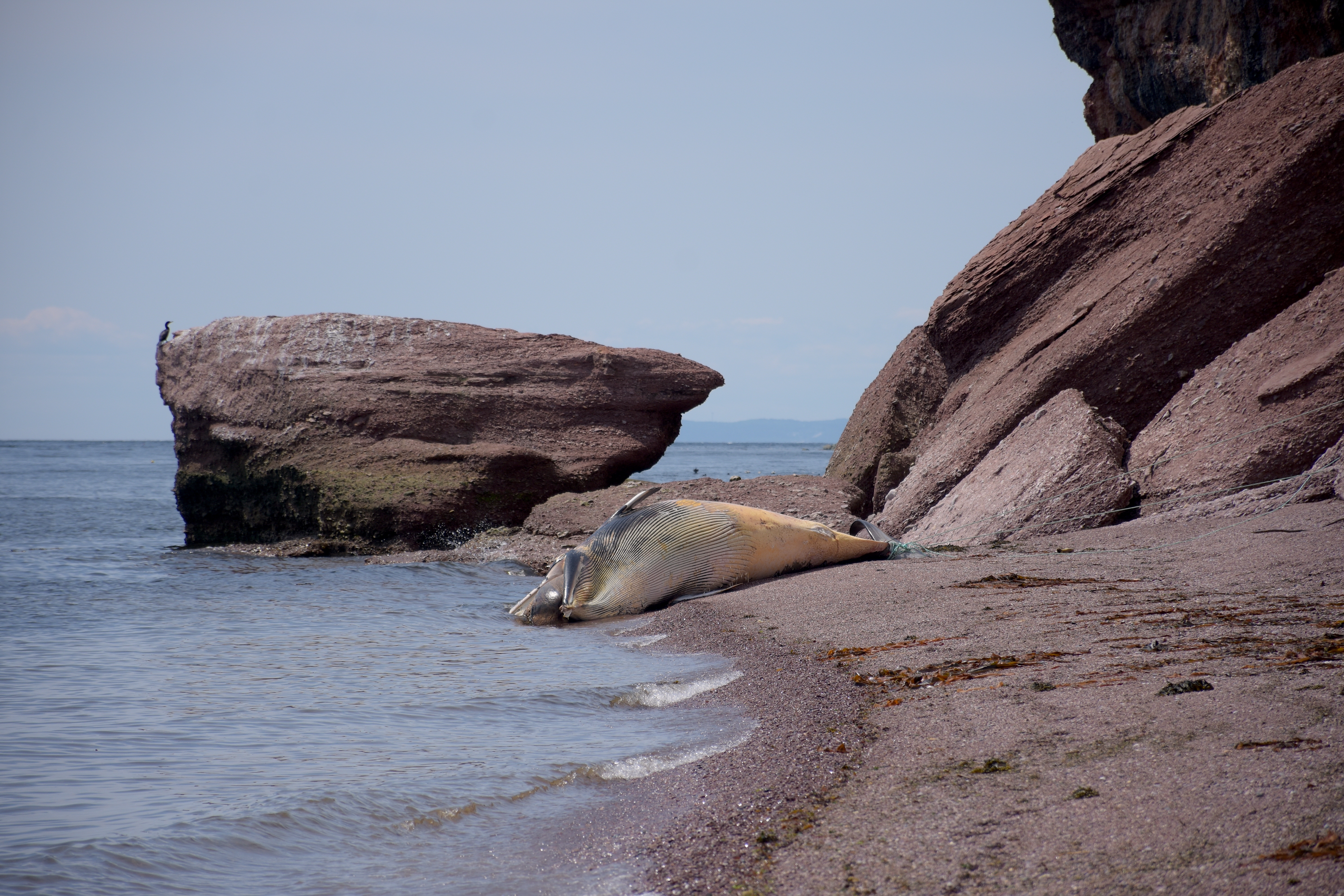
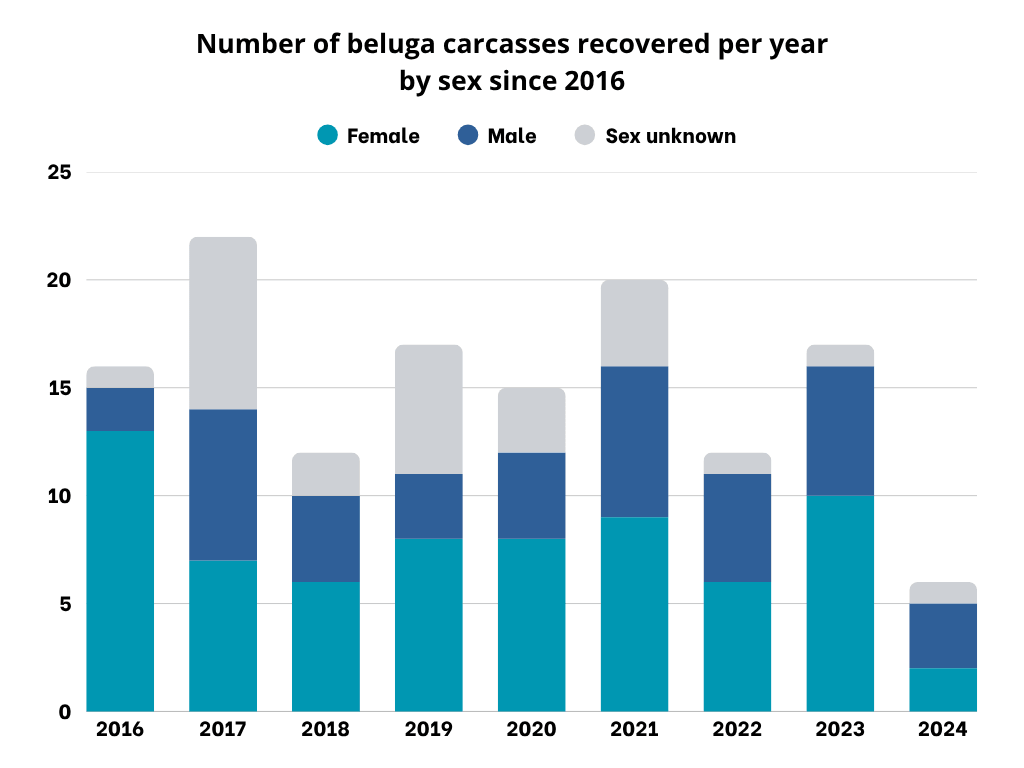
Between the start of 2026 and the release of this 2025 beluga mortality report, three carcasses have already been reported to the Quebec Marine Mammal Emergency Response Network (QMMERN). In 2025, a total of 19 carcasses were found adrift or on the shores of the St. Lawrence River. Of these, 10 were females, 8 were males, and one was in a state of decomposition too advanced to determine its sex.
The 2025 figures are more in line with the average number of carcasses recorded annually since 1983 as part of Fisheries and Oceans Canada’s mortality monitoring program. In 2024, the number of recovered carcasses hit an historic low of 6, raising concerns.
No cases of dystocia in recent years
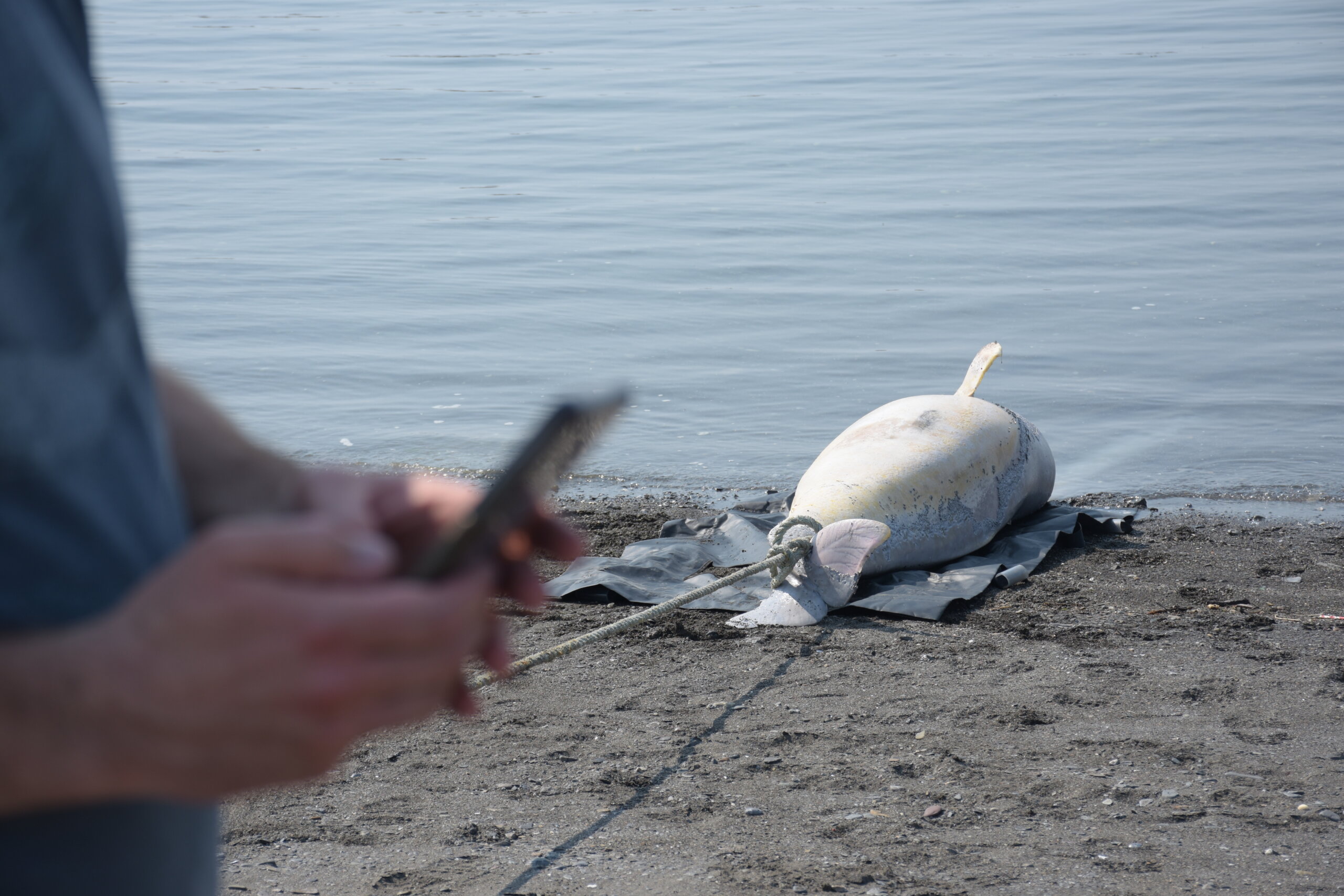
QMMERN was able to sample every one of the carcasses. Eleven of them were even transported to Université de Montréal’s Faculty of Veterinary Medicine in Saint-Hyacinthe to determine the causes of their death more precisely.
This year, no cases of dystocia (calving complications) were reported among the causes of mortality identified in these carcasses. For several years, dystocia had been frequent in female belugas. What does its absence this year mean?
Stéphane Lair, a full professor at Université de Montréal and director of Quebec’s wildlife health centre (CQSAS), commented, “It may be a little premature to establish a trend, but it might be an indication that the problem is diminishing, which is good news in itself. However, the decrease in dystocia could also be a consequence of a downturn in the number of births.”
The St. Lawrence beluga population still faces numerous threats, despite the 1979 ban on hunting and the revised population estimate announced in 2023: high contaminant levels in the water, noise pollution, anthropogenic stress, climate change, fluctuations in the abundance of their prey, etc. Scientists are still unsure which of these factors are most to blame, but efforts continue to pinpoint what is hindering the population’s recovery.
What does the spatial distribution of the carcasses tell us?
In 2024, when a mere 6 carcasses were recorded along the St. Lawrence River, a hypothesis was raised to explain this low figure: Could it be linked to changes in the belugas’ summer distribution pattern? Downstream movement of the animals in summer combined with ocean currents might be carrying the carcasses farther into the Gulf, making them harder to detect.
In a recent document published in the fall of 2025, a Fisheries and Oceans Canada team reported on the seasonal distribution of St. Lawrence belugas based on photo and aerial surveys conducted during the summers of 1990 to 2022, as well as visual surveys during the winter and spring of 2012 to 2023. Scientists noted an uptick in the use of the estuary between Saint-Siméon and Les Escoumins and between Rimouski and Forestville during the summers of 2014-2022, compared to 1990-2009. Despite this recent shift in distribution, the number of carcasses recovered in 2025 had returned to levels more consistent with those of recent decades.
While the number of carcasses recorded fluctuates from season to season, they generally tend to be concentrated in the Bas-Saint-Laurent region. It should be noted that the location where a carcass is found is not necessarily representative of where the animal died given that carcasses can drift with the marine currents. Therefore, no conclusions can be drawn about the distribution of the beluga population based solely on the location where carcasses are found.
To report a dead or vulnerable marine mammal, contact QMMERN immediately at 1-877-722-5346.
Learn more

Odélie Brouillette
Odélie Brouillette joined the GREMM team as a writer and naturalist in 2022, and has been a project manager in scientific communication since 2023. With a background in biology, she loves learning and sharing with others what's most important to her. She has always been fascinated by marine environments and whales, and hopes to contribute to their protection through awareness-raising and popularization.
Recommended articles
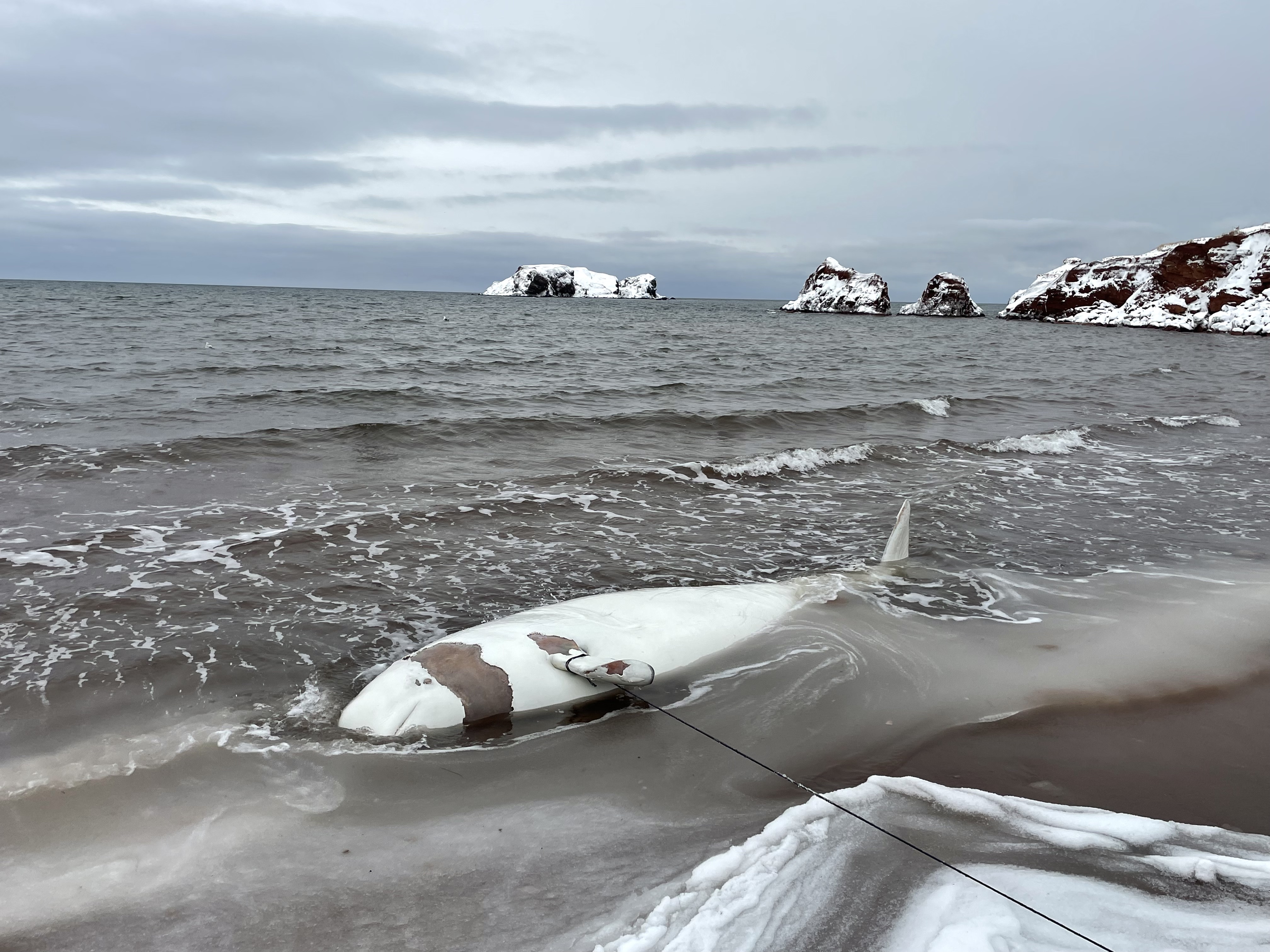
First Beluga Carcass of the Year Recovered in the Magdalen Islands
Sunday, January 18: The Marine Mammal Emergencies (UMM) telephone rings. Cédric Gascon, a technician and UMM responder for the past…
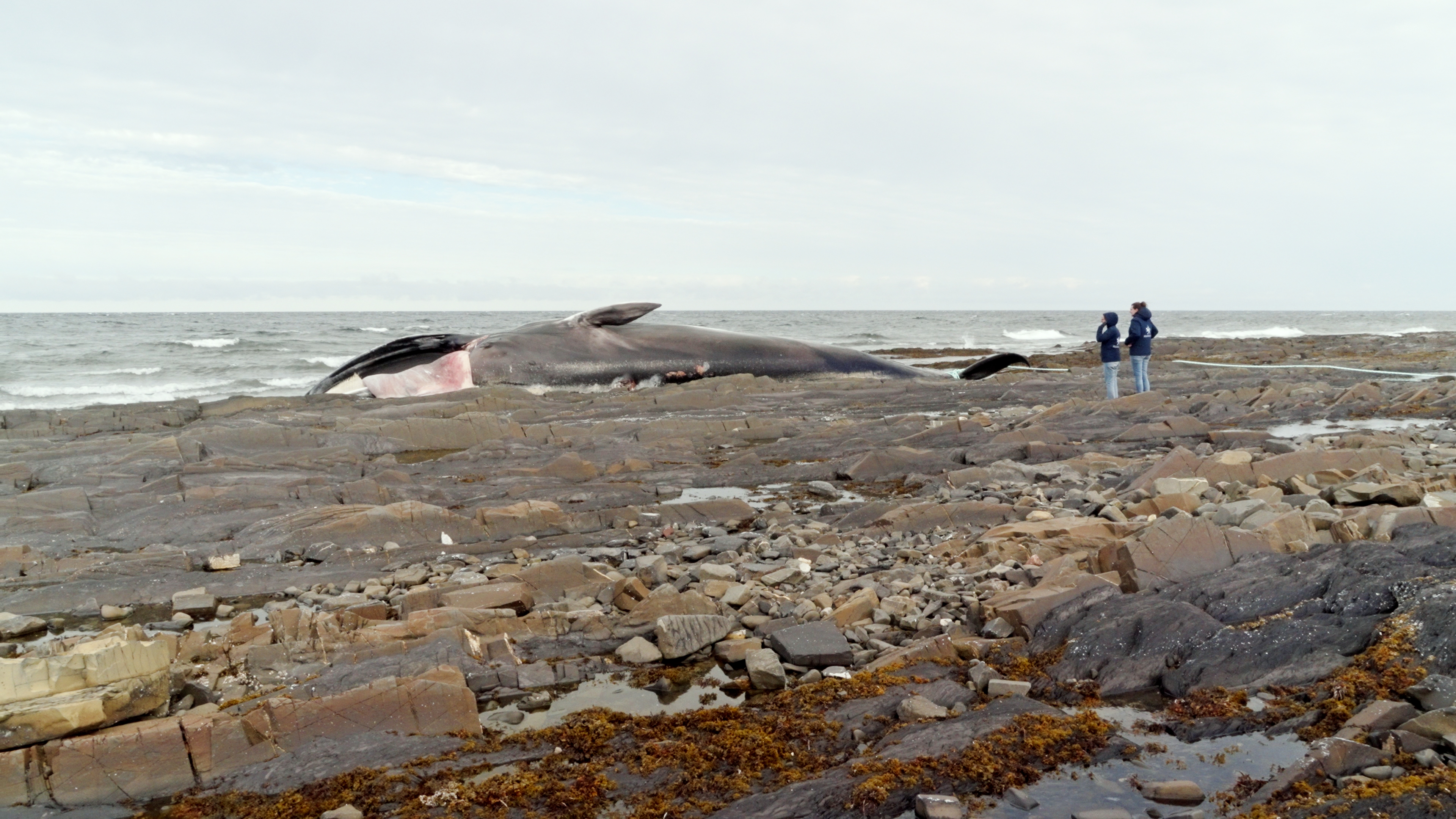
Beached Fin Whale: QMMERN Takes to the Field After Bp919 Found Stranded
On October 24, 2025, Marine Mammal Emergencies (UMM) received a call concerning a large dead whale stranded on the shores…