
Collisions in the Saguenay—St. Lawrence Marine Park (part 1/2)

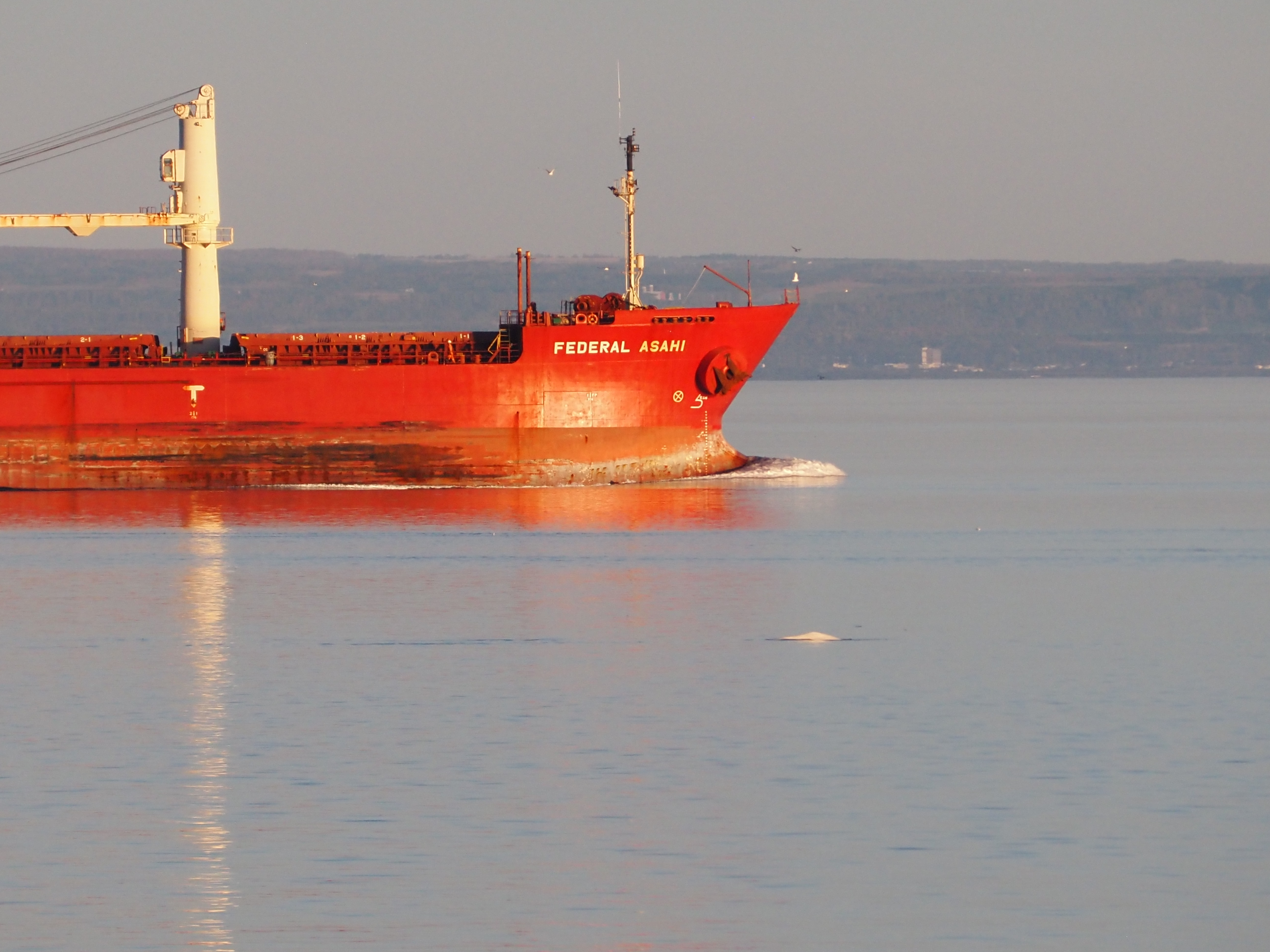
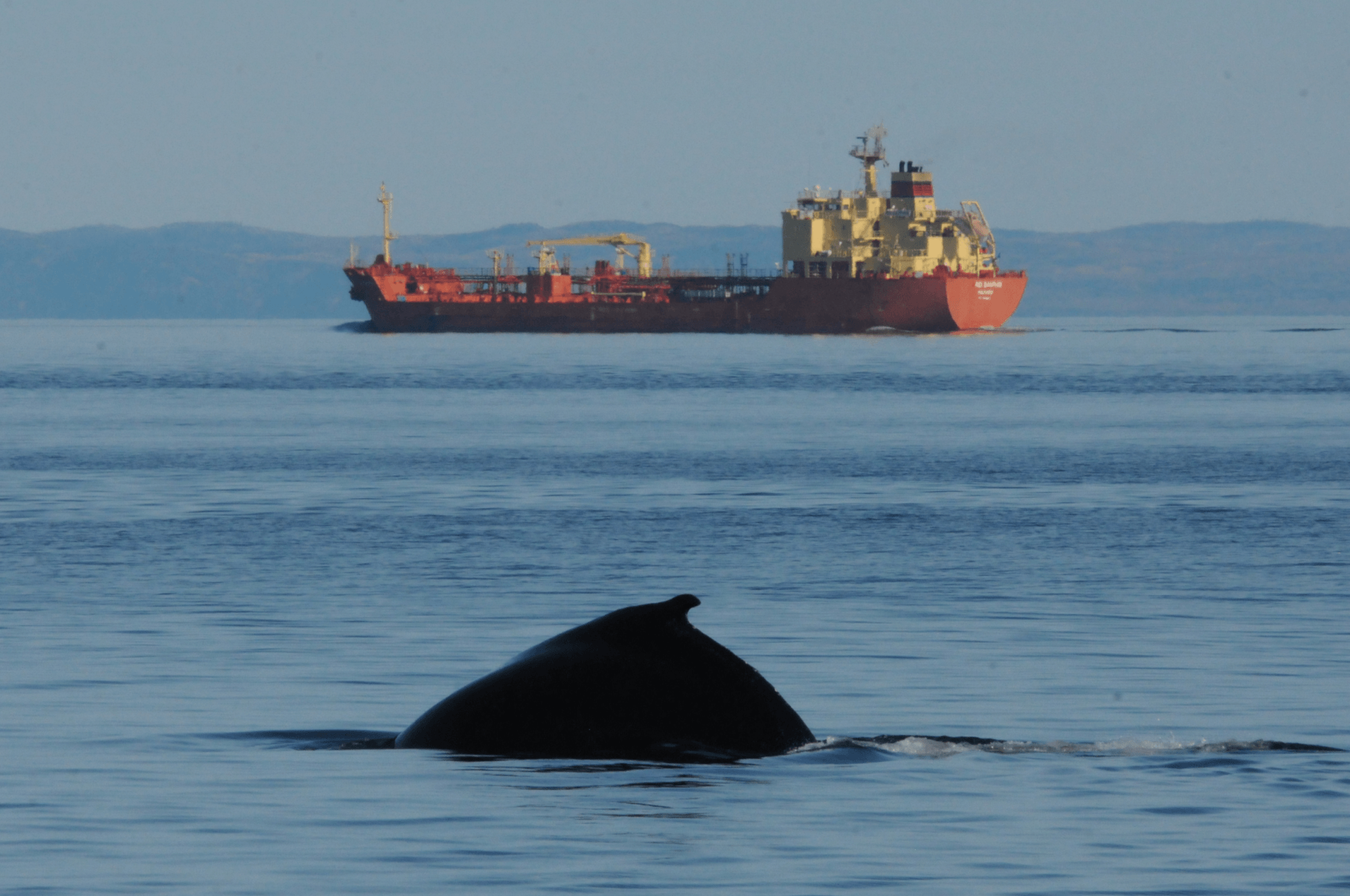
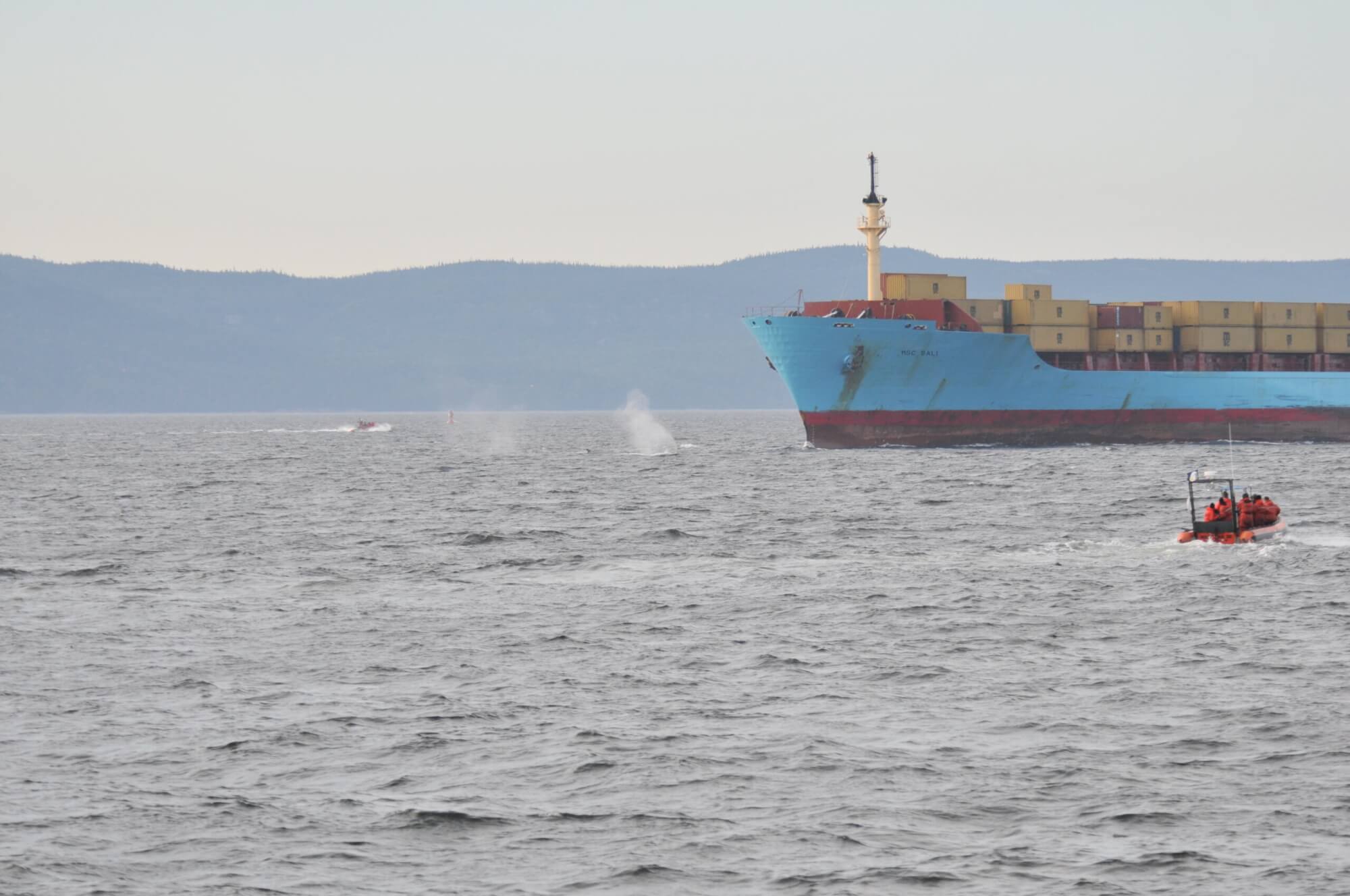
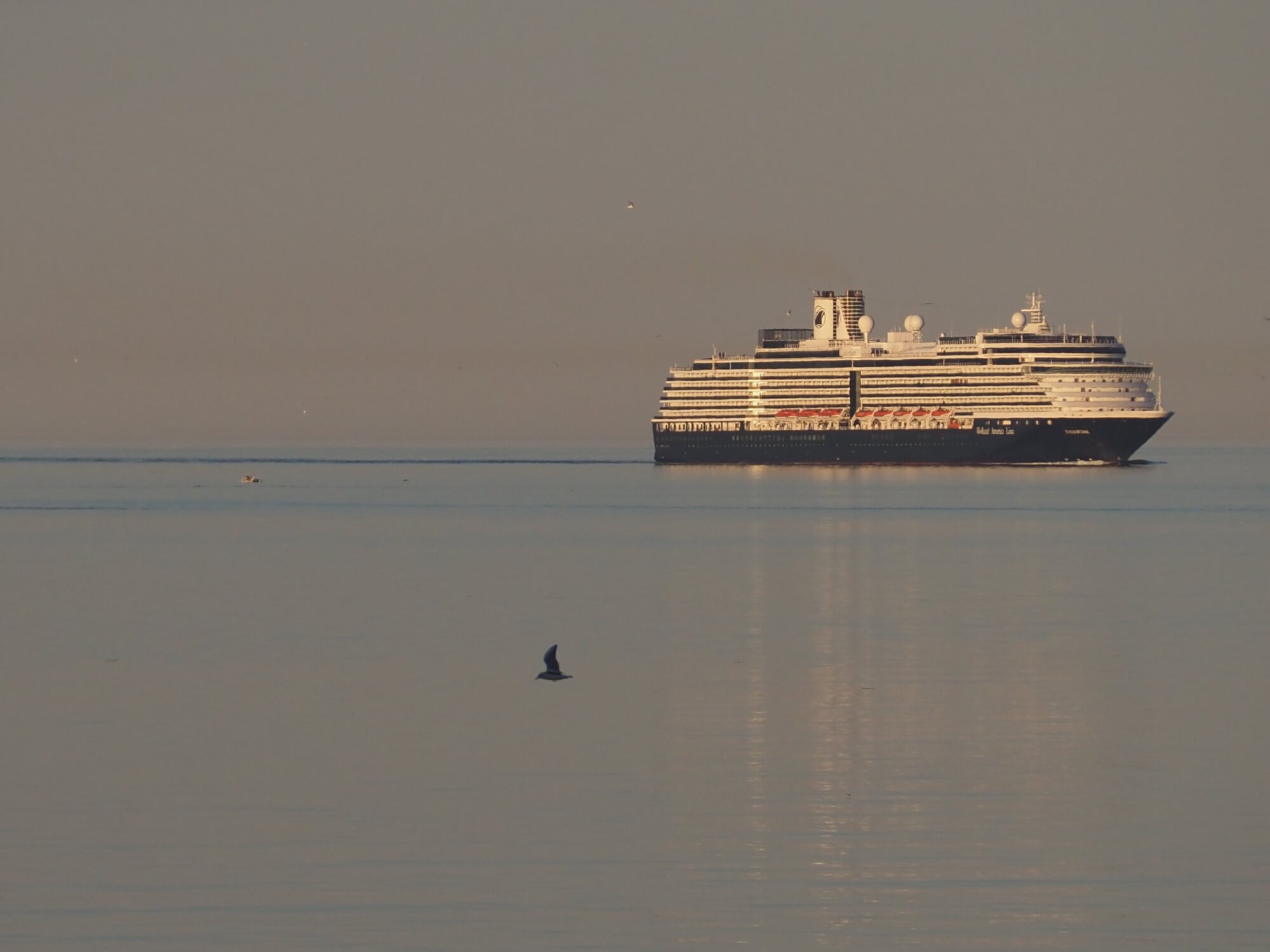
Collisions are a major challenge in the recovery and protection of cetacean populations around the world. In the Saguenay–St. Lawrence Marine Park, numerous regulations and voluntary measures have been put in place to reduce the risk of collisions, even though the protected area is on a maritime route used by merchant ships, international cruise liners, recreational boaters, and commercial excursions. What are the statistics on collisions in the St. Lawrence River?
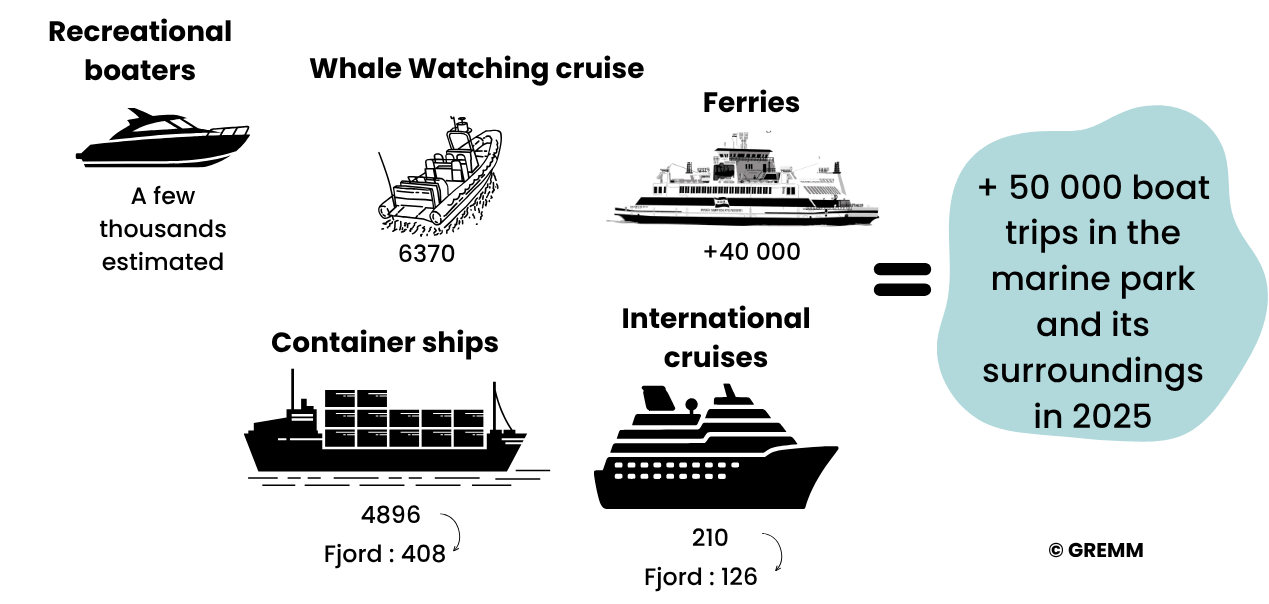
Collisions in the St. Lawrence
The year 2024 saw the highest number of fresh collision-related injuries documented in the Saguenay–St. Lawrence Marine Park (SSLMP) and its surroundings since 1999. That year, six cases of collisions involving mortalities and injuries were officially reported to Parks Canada. No collisions were officially recorded in the Marine Park in 2025.
For its annual statistics, Parks Canada notably relies on data compiled by the Quebec Marine Mammal Emergency Response Network (QMMERN). The Group for Research and Education on Marine Mammals (GREMM) monitors anthropogenic marks in large rorquals, including those stemming from ship strikes. A little farther north, in Sept-Îles, CERSI also analyzes skin markings linked to interactions with human activities. One of their revealed that 50% of fin whales observed and 48% of humpbacks showed marks of anthropogenic origin, including marks linked to collisions. The body condition (fat levels in particular) of the animals with these types of marks was less than ideal, which could have an impact on their life expectancy.
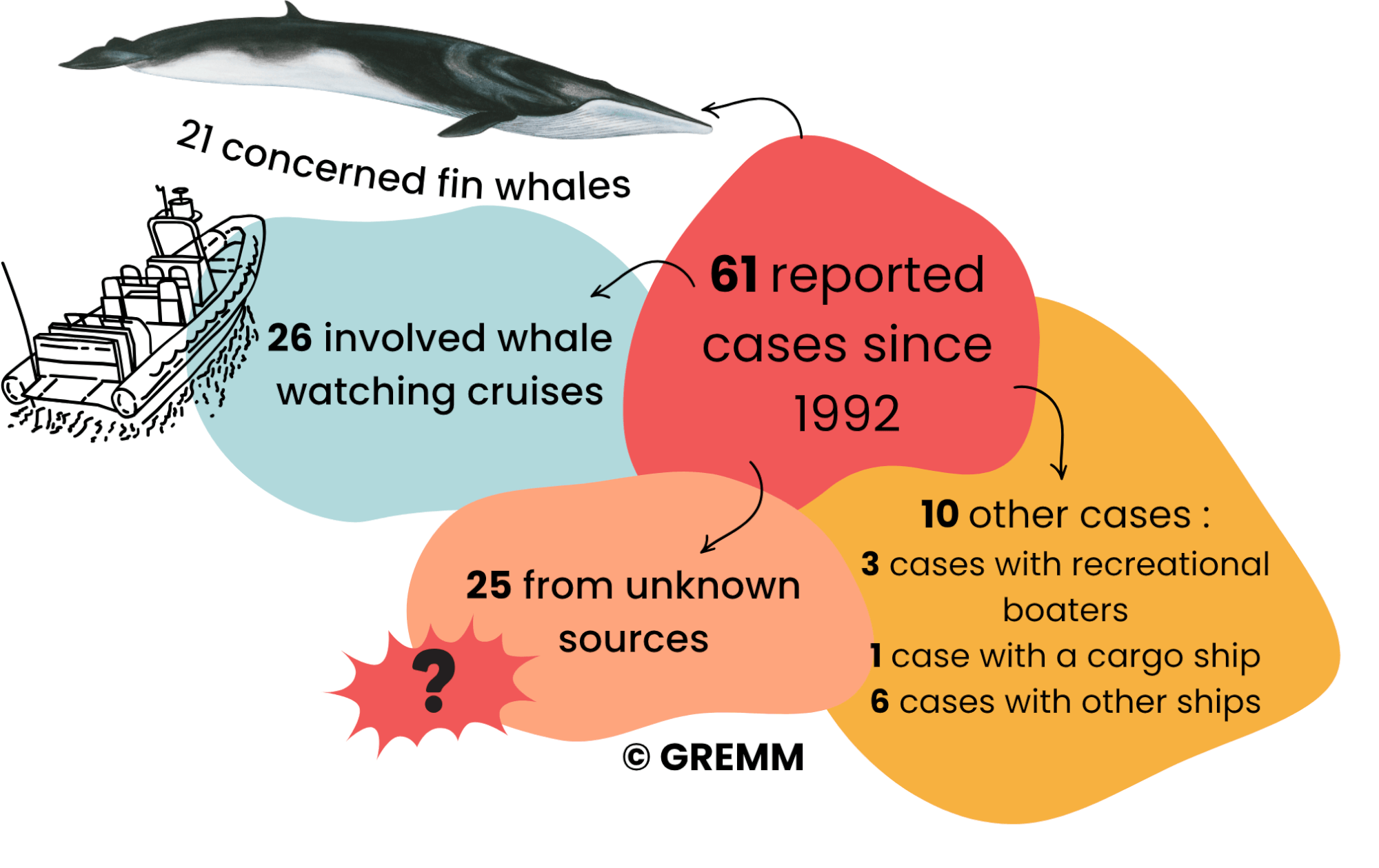
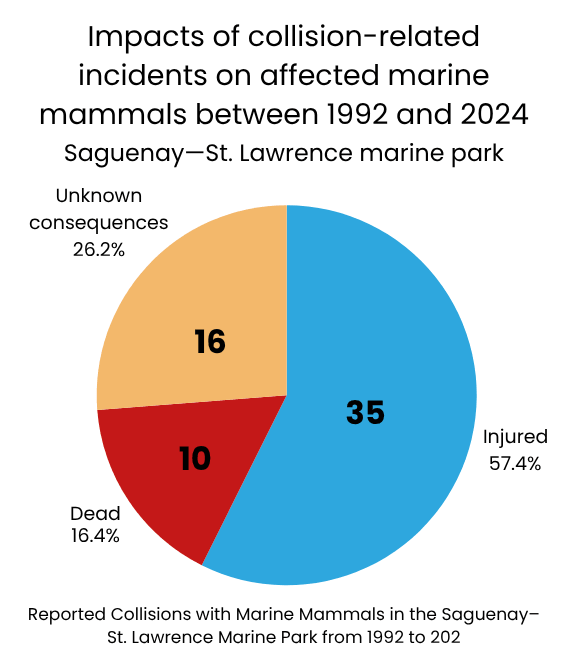
According to Parks Canada, out of 61 cases of marine mammal collisions or fresh collision-related injuries recorded in the SSLMP since 1992, 35 resulted in an injured animal and 10 in a mortality, while the outcomes of the remaining 16 were inconclusive.
In the St. Lawrence, out of 473 necropsies carried out in recent decades by Dr. Stéphane Lair and his team on recovered carcasses in the Estuary and the Gulf, only nine were definitively attributed to collisions, including three cases involving grey seals and two involving harbour porpoises. Concerning beluga whales, about 5% of deaths reported could be associated with collisions. Although these figures may seem negligible, hidden mortality must also be taken into account.
Hidden mortality
Recovered carcasses do not represent all of the animals that sustain fatal injuries; on the contrary, the number of carcasses that sink or drift and are never found is probably higher than the official figures. For example, between 1992 and 2017, it is estimated that only 36% of North Atlantic right whale carcasses were actually ever located. Yet carcasses of this coastal species are known to float on the surface longer than those of rorquals, meaning they should be easier to spot. The number of collisions that actually occur in the Marine Park and in the St. Lawrence in general is certainly underestimated.
Determining the causes of death or injury
Additionally, experts sometimes have trouble accurately pinpointing the cause of a collision with a marine mammal to the marks observed on the individual. An animal might also appear healthy following a collision, only to later succumb to internal injuries. Many collisions therefore go “under the radar,” because not all cases are necessarily reported.
Conducting a necropsy on a carcass does not necessarily make it possible to determine with certainty whether the animal showing signs of a collision was dead before this occurrence, or whether it was the collision itself that caused the mortality.
Data bias
To complicate the already difficult analysis of this collected data, it also exhibits certain biases. A review of the data shows that the highest number of reported collisions occurs within the marine park, primarily due to the higher concentration of cetaceans in the estuary and the intensity of navigation activity. However, the high level of use of the marine protected area is not the only factor to consider in the analysis. There is also a requirement to report collisions under the Regulations Respecting Activities at Sea in the Saguenay–St. Lawrence Marine Park, which may help explain the higher number of reported cases in this sector of the estuary.
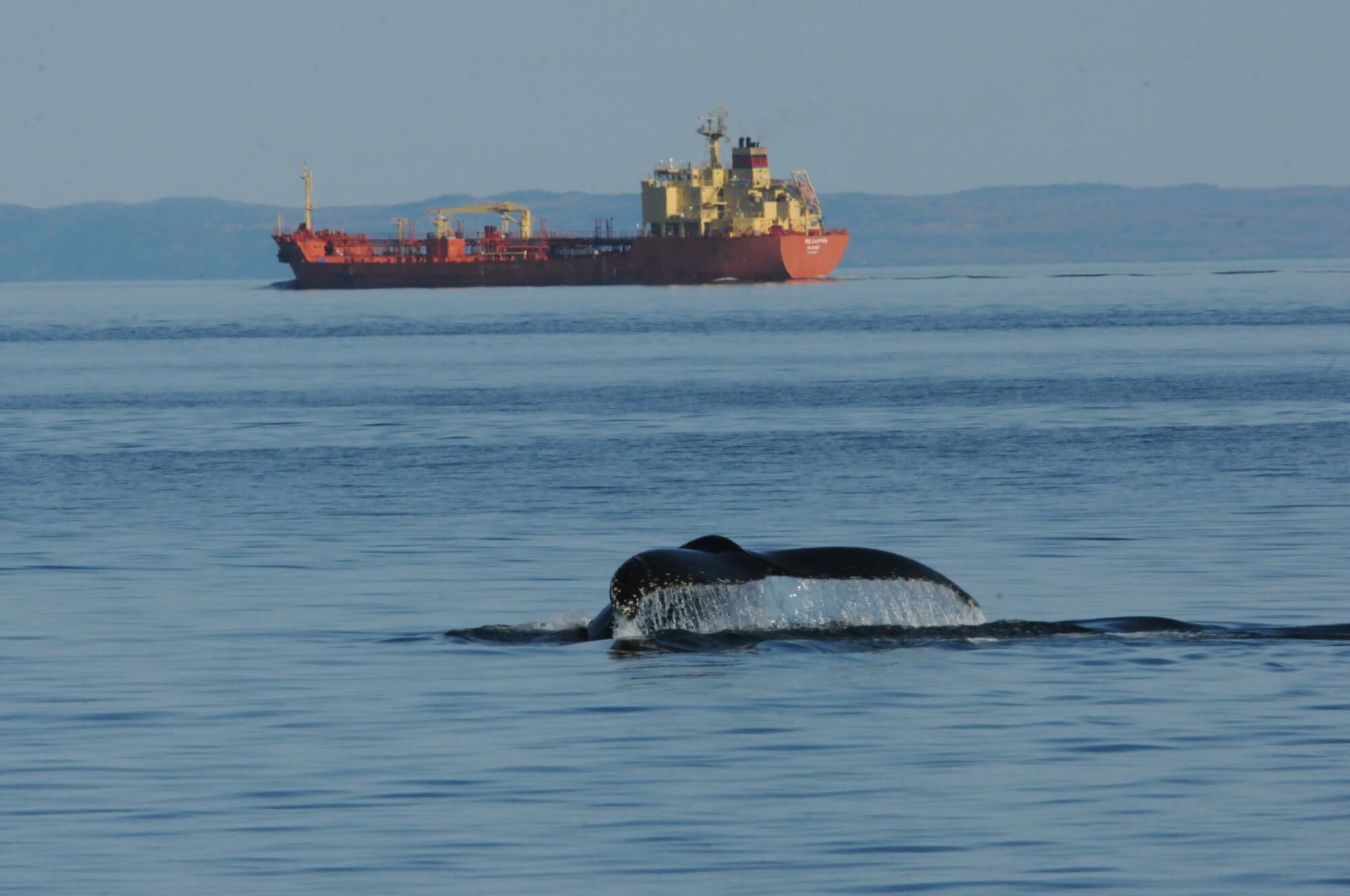
Several well-known cetaceans in the St. Lawrence exhibit these types of injuries:
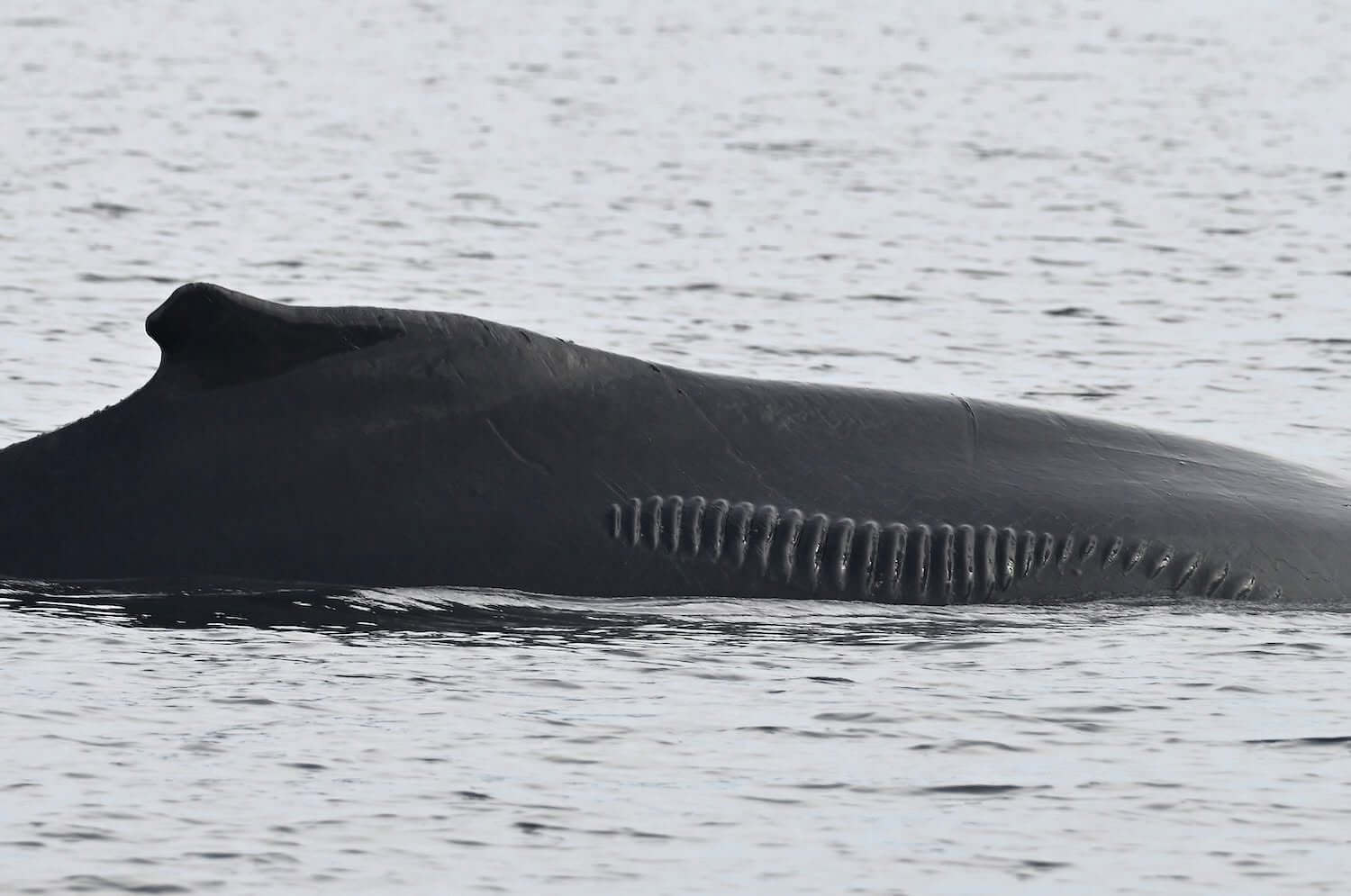
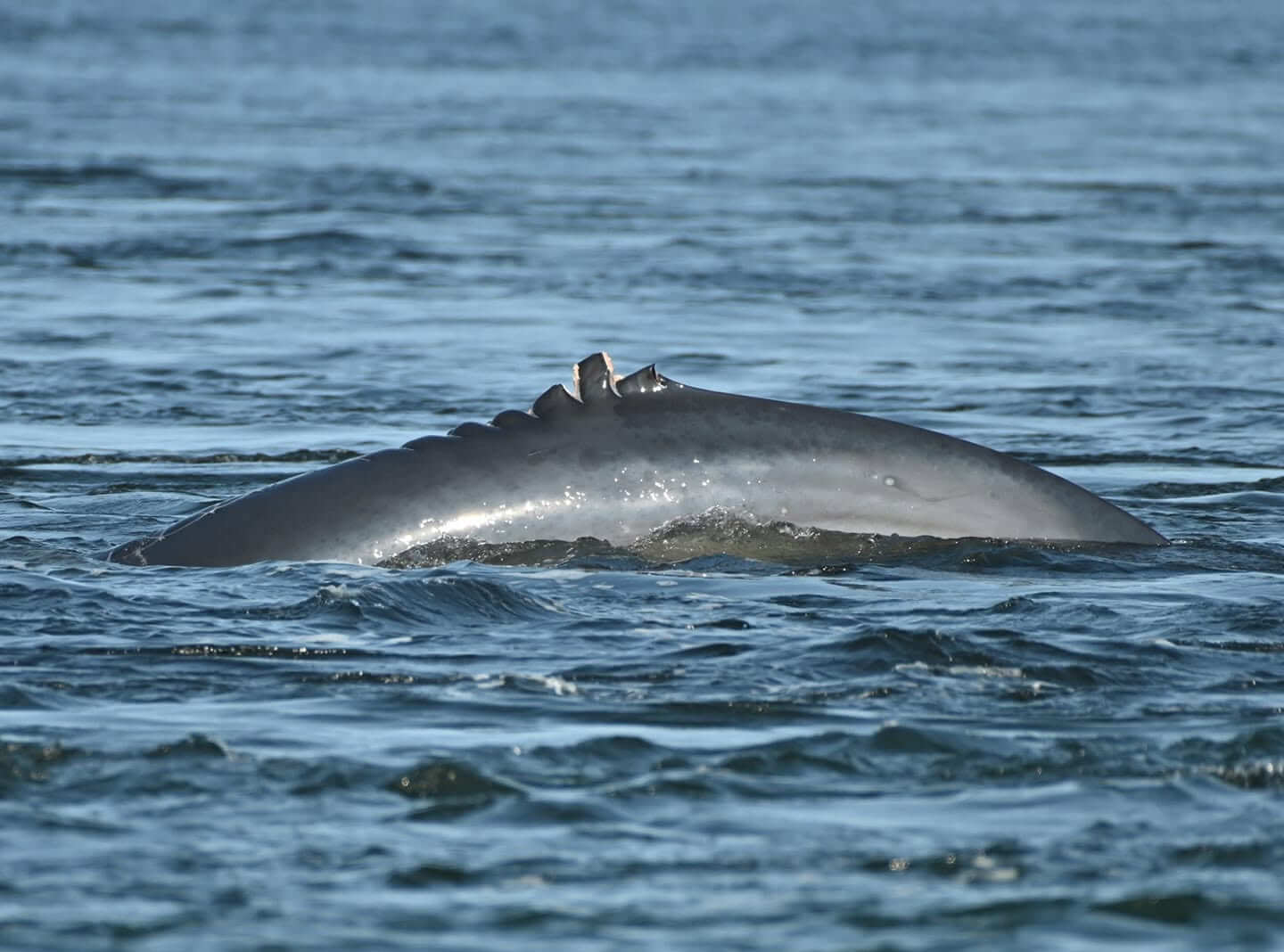
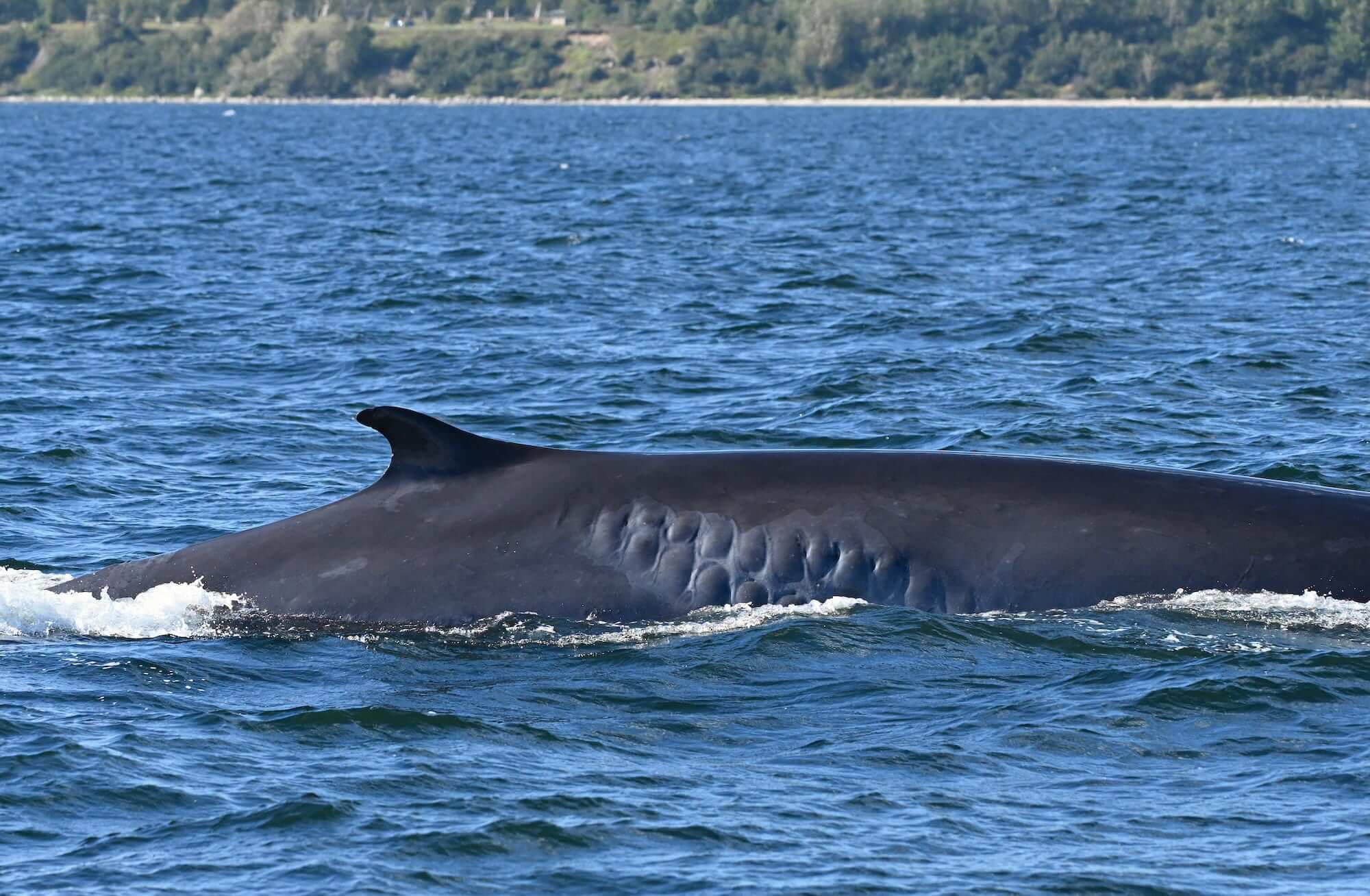
Furthermore, run-ins with smaller vessels such as excursion boats (which typically operate during the day) are more noticeable and may be non-lethal, making it easier to document these incidents. On the other hand, collisions involving large vessels may go unnoticed or only be detected by the crew hundreds of kilometres later when they dock.
Human impact
In addition to the injury caused to the animal, all of the collision cases resulting in damage to the vessel occurred when ships were operating at speeds exceeding 10 knots. Collisions cause damage to hulls, propellers, rudders, and steering arms, potentially leading to delivery delays and compromising safety on board. Additionally, these collisions are damaging to the maritime industry’s image.
Enjeu de taille
Collisions in the St. Lawrence Estuary are concerning, as they affect species listed under the Species at Risk Act and hinder the recovery of already fragile populations. In a world of ever-larger vessels and distances travelled, it is essential to understand the behaviour of collision-prone species, identify the habitats and routes they frequent, and—above all—implement sustainable, effective measures to safeguard them from this threat.
If you witness a collision, contact a park warden at 1-866-508-9888

Thalia Cohen Bacry
Thalia Cohen Bacry is a science writer for the GREMM, having previously worked as a naturalist in 2023. A UBC graduate, she completed a master's degree in international studies at the Université Laval and is continuing her learning in several fields, including geography, political science and animal behavior. Passionate about environmental protection, she grew up in Savoie, surrounded by lakes and mountains, before immigrating to Canada and discovering even bigger and wilder spaces. Intrepid, curious and persevering, she loves to learn, observe and analyze in order to raise awareness about protecting our oceans.
Recommended articles
Beneath the surface, with Élizabeth Melis
Élizabeth Melis is a whale research and rescue technician with the Campobello Whale Rescue Team, which is affiliated with the…
Beneath the surface, with Dre Anaïs Remili
Dre Anaïs Remili is a postdoctoral researcher in biological sciences at British Columbia’s Simon Fraser University, a scientific communicator, and…

Beneath the surface, with Christophe Ronveaux
Christophe Ronveaux is a biologist with the Mingan Island Cetacean Study (MICS). MICS mainly studies five species of large cetaceans:…