
Peering into the Hidden World of Whales through Biopsies and Tagging!

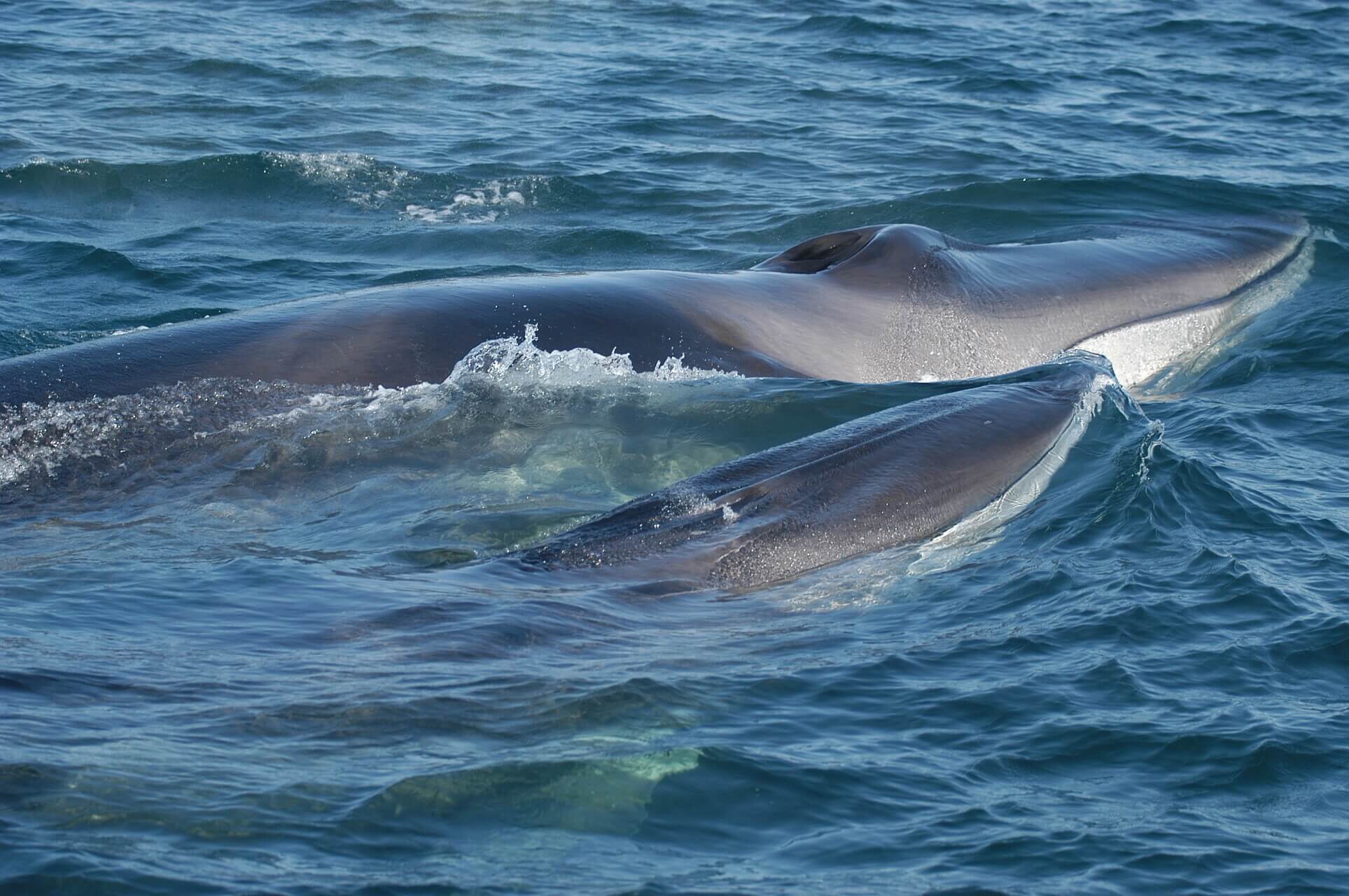
Marine mammal research is fraught with challenges. Scientists must study massive animals that inhabit vast environments and spend most of their time well below from the surface.
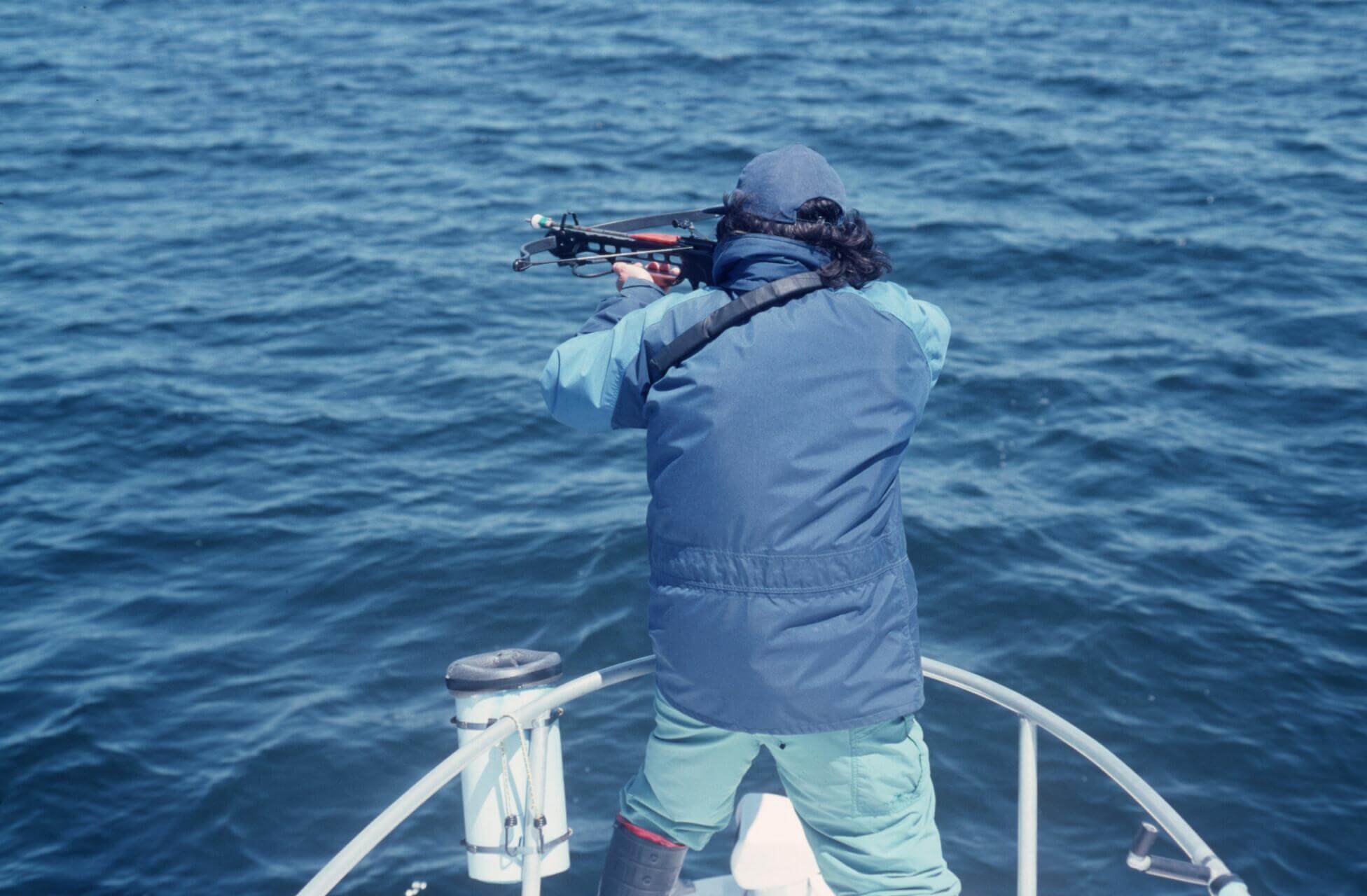
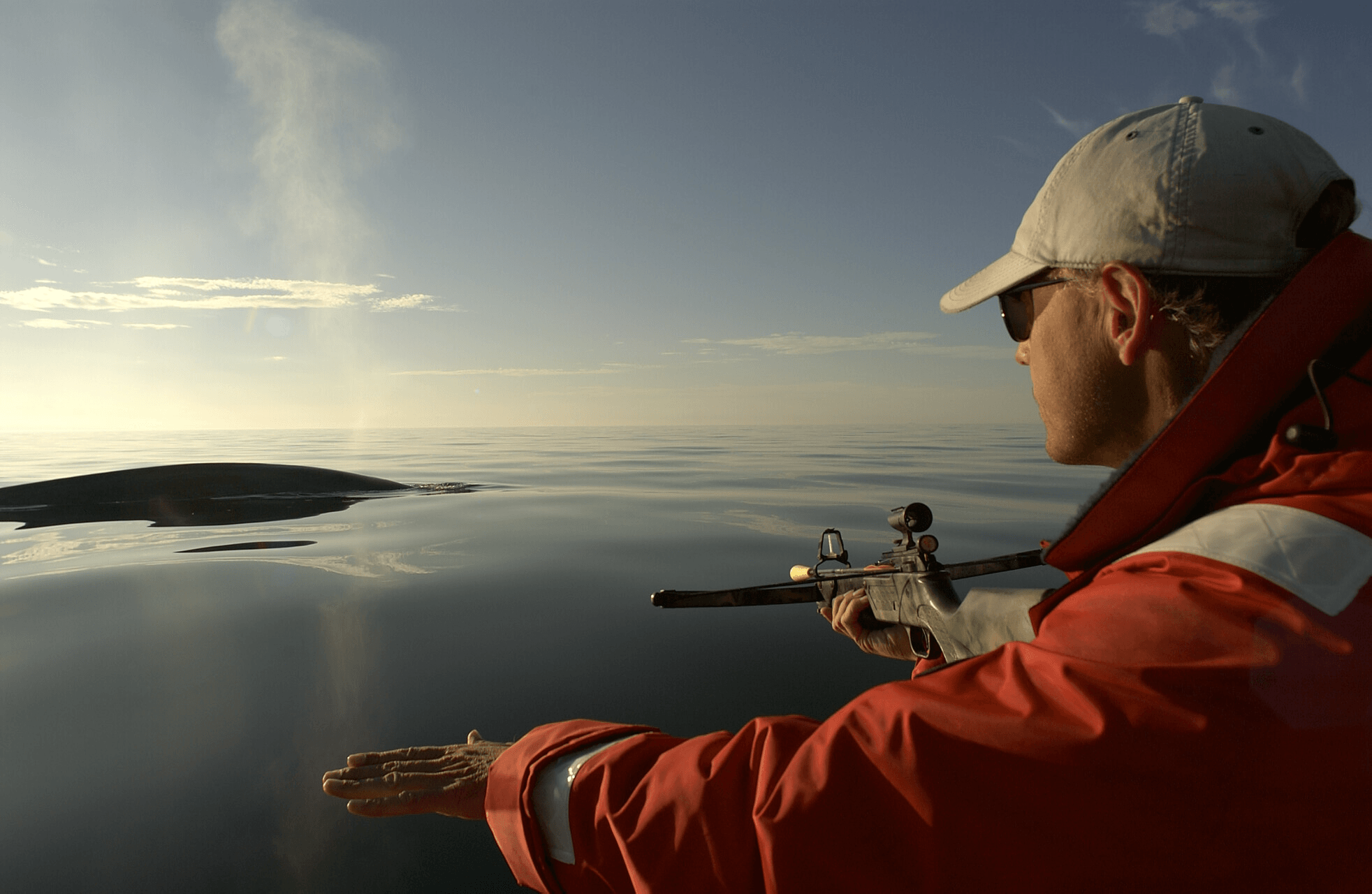
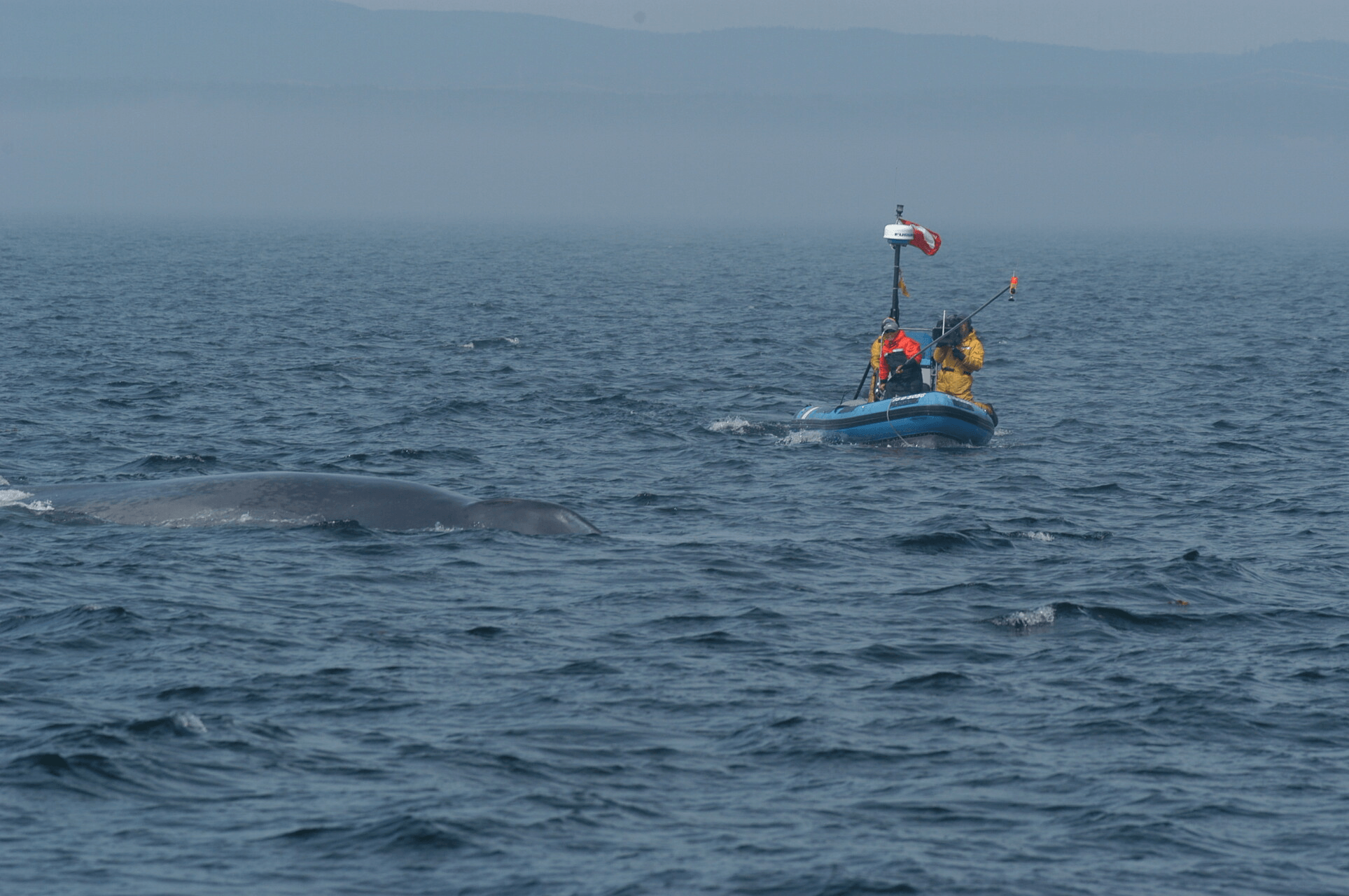
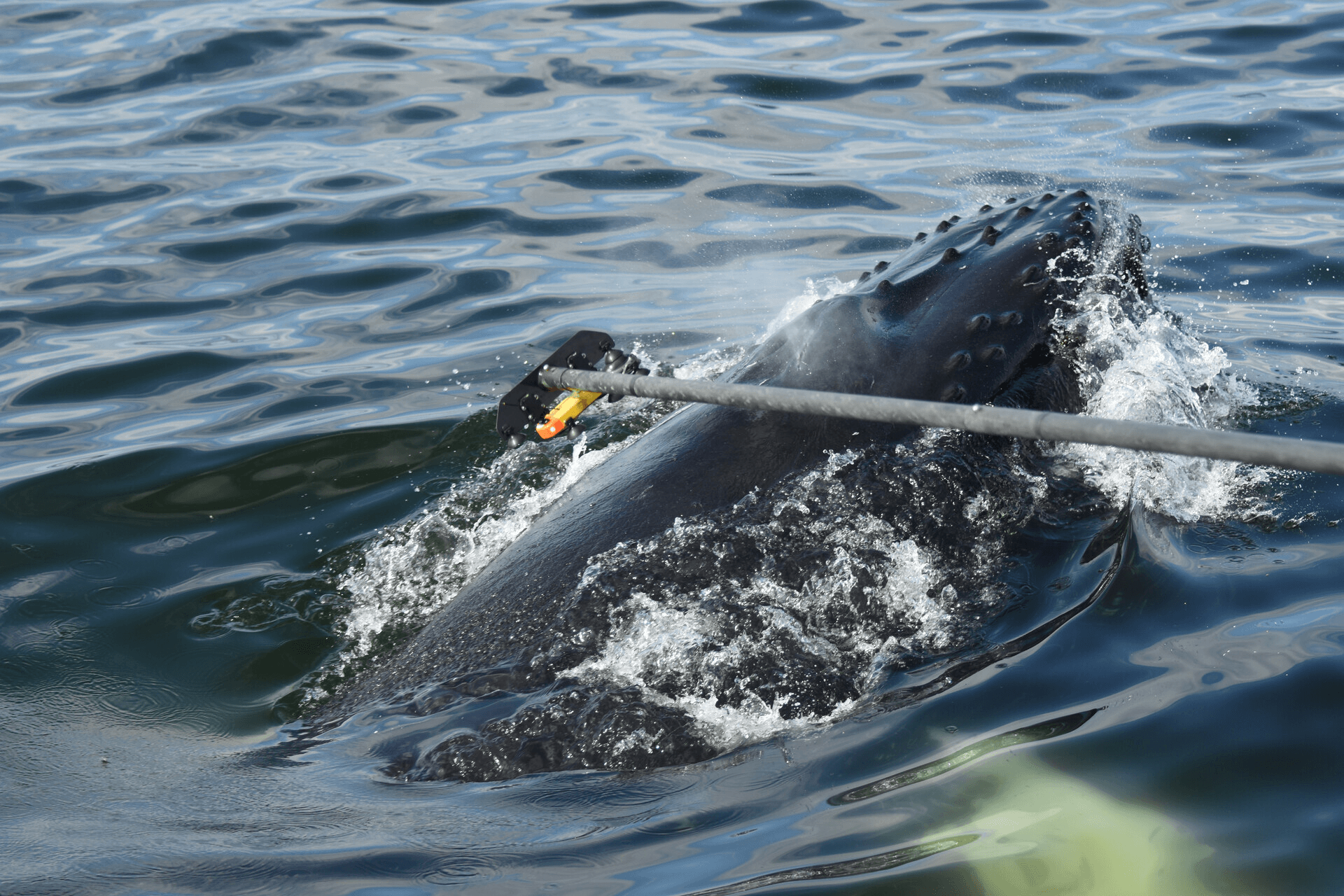
The research technologies developed for these species must take these factors into account in order to collect sufficient volumes of usable data. For several years now, the use of biopsies (skin and blubber samples) and satellite tags (sensors attached to the animals) has allowed scientists to analyze the world of whales like never before. The wealth of information gathered on health, movement, and behaviour is essential for better understanding and protecting these giants.
Use of invasive technologies
These two techniques are considered invasive because they involve piercing the epidermis—the outermost layer of skin—and outer blubber. Biopsies remove a small sample from the animal, while satellite tags pierce the skin and part of the outer blubber to remain in place longer than if they were simply attached to the animal’s back with suction cups.
To understand the value of these techniques, we need to go back in time. About thirty years ago, scientific articles were being written about non-destructive research techniques (those that do not kill the animal being studied), which were still being employed at the time. This is an example of how science has evolved in sync with societal attitudes.
In addition to the ethical advantage, since the animal being studied was no longer killed, it became possible to observe changes in the same individual over the years.
What is the impact on the animal?
This is an extremely important question to ensure that the research being carried out does not create more problems than it aims to solve!
Biopsies
Recent research on biopsies demonstrates that the behavioural impact is minimal during the sampling process and nearly non-existent on reproduction and site fidelity. For example, large cetaceans such as humpback, fin, and blue whales show no behavioural response 40 to 90% of the time. Even when they do react, their responses are mostly minimal (tail movements, slight accelerations, etc.).
The only recorded case of mortality related to a biopsy dates back to 2000 and involved a common dolphin whose physical condition appeared particularly precarious and which died less than 20 minutes after the biopsy. In recent years, research teams have been more vigilant in avoiding targeting individuals showing signs of poor health.
Satellite tags
For tags, the behavioural effects are also generally short-lived. In the St. Lawrence, for example, tags attached to North Atlantic right whales indicate that the animals resume feeding within minutes of being tagged. In humpback whales, few behavioural reactions to tagging have been noted apart from the animals’ predictable tendency to accelerate in the presence of boats. Moreover, the individuals studied returned in subsequent years to the same sites 100% of the time and continued to reproduce. The types of satellite tags used on St. Lawrence cetaceans generally leave visible marks such as skin discolouring or a slight depression for a few months, though these are usually benign and superficial. In some cases, however, healing can take longer, albeit without compromising the animal’s survival. For example, all 27 North Atlantic right whales tagged between 2019 and 2022 were seen alive the following year. One of these individuals, which showed significant swelling where the tag was attached in the days following the intervention, was seen again the following year with some discolouring that will likely persist for a few years.
Incontestable benefits
Certain data are simply not accessible from the living population using the most common research methods such as photo-identification and photogrammetry. Think hormonal or migratory analyses, for example.
Several hormones, including progesterone and testosterone, are lipophilic and easily detectable in cetaceans’ outer blubber layers. Studying progesterone levels is particularly useful for determining which female whales are pregnant. A 2025 study also reports on this method and the fact that the minke whales of the St. Lawrence are overwhelmingly female, and most of them are pregnant! Examining the ratio of certain stable isotopes in the skin allows for long-term diet monitoring, as has been done with belugas, fin whales and several other species. Additionally, scientists study fatty acids—energy-rich nutrients found in the lipids and external blubber of whales—to determine the age of individuals with an accuracy of ± 3 to 5 years in species like belugas.
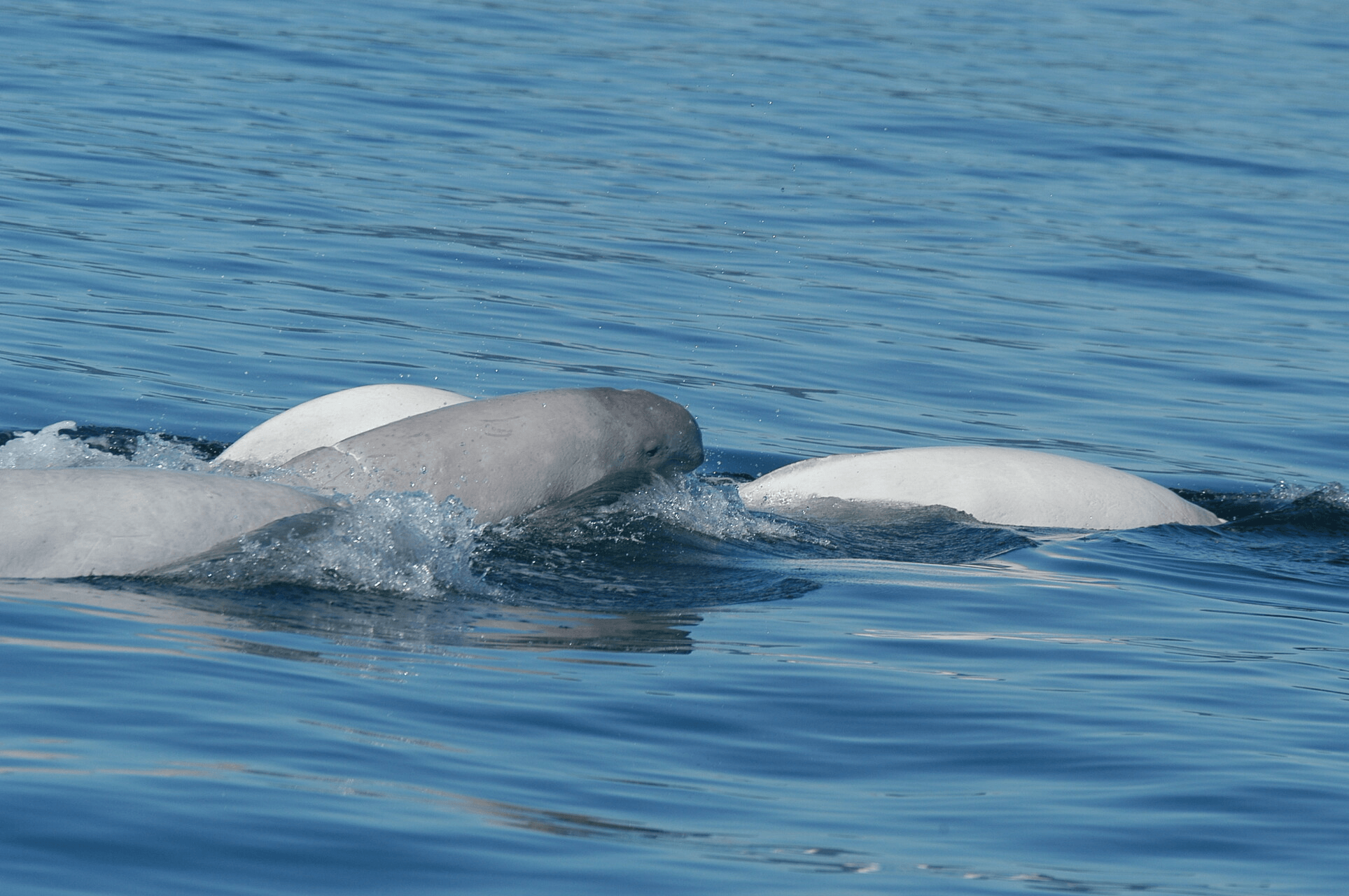
By recording GPS data, tags provide particularly valuable information on population migrations or on the recurrence or persistence of animals in certain habitats, including blue whales and fin whales. By better understanding the animals’ movements, it is possible to develop targeted conservation techniques in important areas for these species. For cetaceans, the challenge is significant, as their range can extend across an entire ocean basin!
Lastly, we would be remiss not to mention DNA, social structure and population dynamics analyses. Indeed, intrusive technologies are an integral part of our ability to understand these marine species.
The tags are also used to analyze dive behaviour, which among other things can be used to estimate the risks of collision or entanglement in fishing gear, as has recently been done with North Atlantic right whales in the Gulf of St. Lawrence.
New developments in the world of research
Non-invasive methods also exist! Depending on the objectives of the research project, non-invasive techniques may also be relevant in their own way, including DNA or skin microbiota sampling by skin swabbing or breath sampling using drones, collection of whale feces on the water surface, analysis of water samples containing whale DNA (e.g. the Code Béluga environmental DNA project), or even passive listening to whale vocalizations.
To learn more

Benjamin Gagné
Benjamin Gagne is in his second year with GREMM, having joined the editorial team during the summer of 2025. Passionate about environmental communication and raising awareness about climate change issues, he uses written and visual communication to share his love for natural environments and the life they sustain. With a bachelor’s degree in environmental studies under his belt, he will be expanding his knowledge this fall as he pursues a master’s degree in marketing.
Recommended articles

Sous la surface, with Dre Anaïs Remili
Dre Anaïs Remili is a postdoctoral researcher in biological sciences at British Columbia’s Simon Fraser University, a scientific communicator, and…
Collisions in the Saguenay—St. Lawrence Marine Park (part 1/2)
Collisions are a major challenge in the recovery and protection of cetacean populations around the world. In the Saguenay–St. Lawrence…

Sous la surface, with Christophe Ronveaux
Christophe Ronveaux is a biologist with the Mingan Island Cetacean Study (MICS). MICS mainly studies five species of large cetaceans:…