
Large Spouts as Far as the Eye Can See

In the vastness of the St. Lawrence, it’s easy to lose sight of a back, a fin, or a blow. But when an experienced set of eyes spots familiar shapes and spouts in the distance, it’s often the precursor to a memorable observation. The stories shared with us this week remind us of the beauty and fleeting nature of marine mammal sightings. From harbour seals to blue whales, it takes just a split second for novices and seasoned observers alike to be captivated by these animals, some of which have been known for years while others are visiting our waters for the very first time.
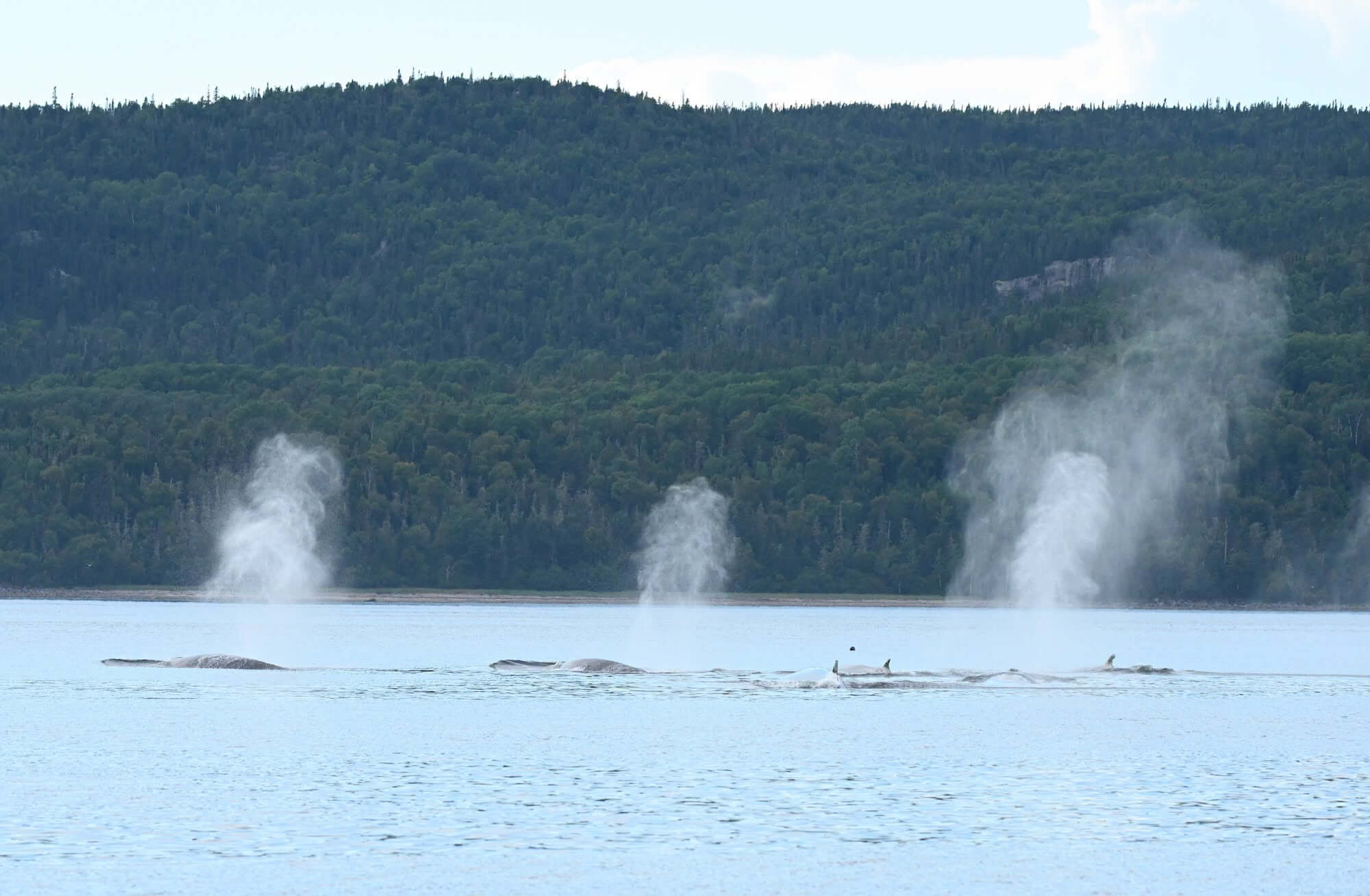
“A forest of spouts”
In recent days, all four species of rorquals that frequent the St. Lawrence have been detected between Les Escoumins and Tadoussac. One naturalist and wildlife photographer observed a group of eight fin whales and no fewer than seven blue whales. He rattles off the names of the giant blues that he identified whose profiles are known to researchers: “Chameau, B091, B093…” Humpback whale H919—first documented in 2019—also delighted observers when it showed up on August 11. As for fin whales, an individual known since 1994 was photographed among its numerous companions: Trou (Bp059)! The blows of these giants of the sea were also spotted far offshore from the Pointe-Noire Interpretation and Observation Centre. The ten or so column-shaped blows erupted one after the other. A few days prior to that, a humpback whale even breached nearby.
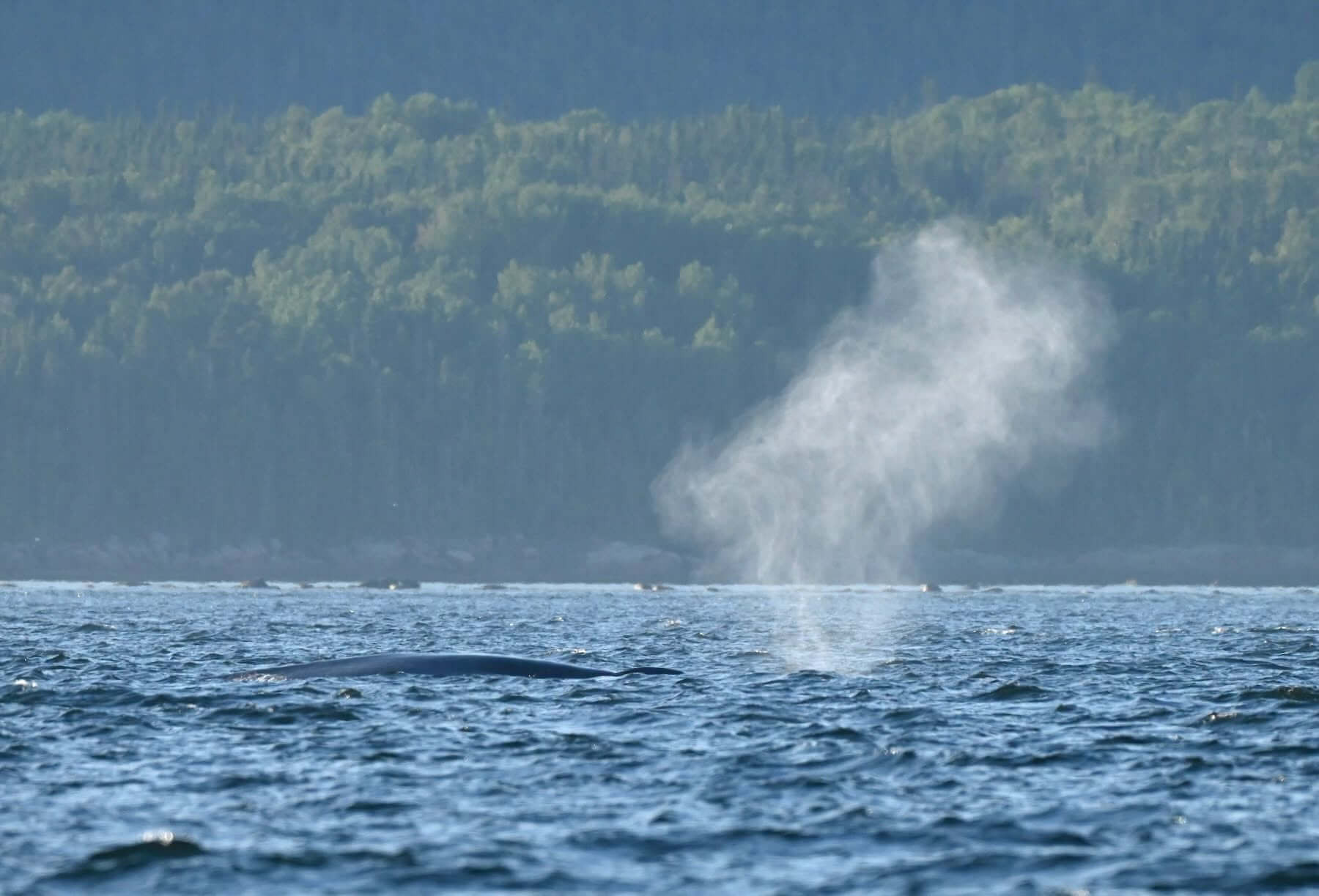
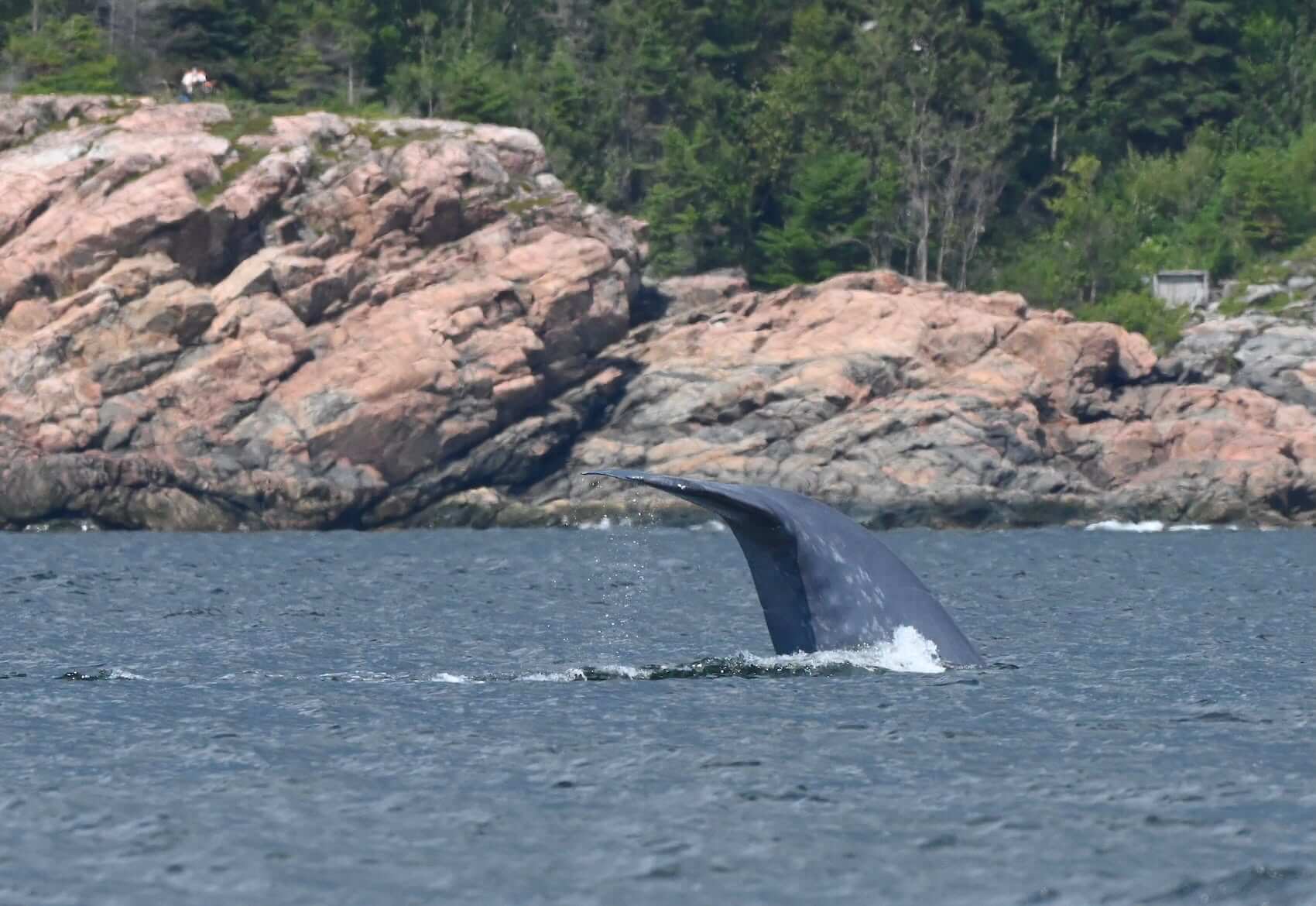
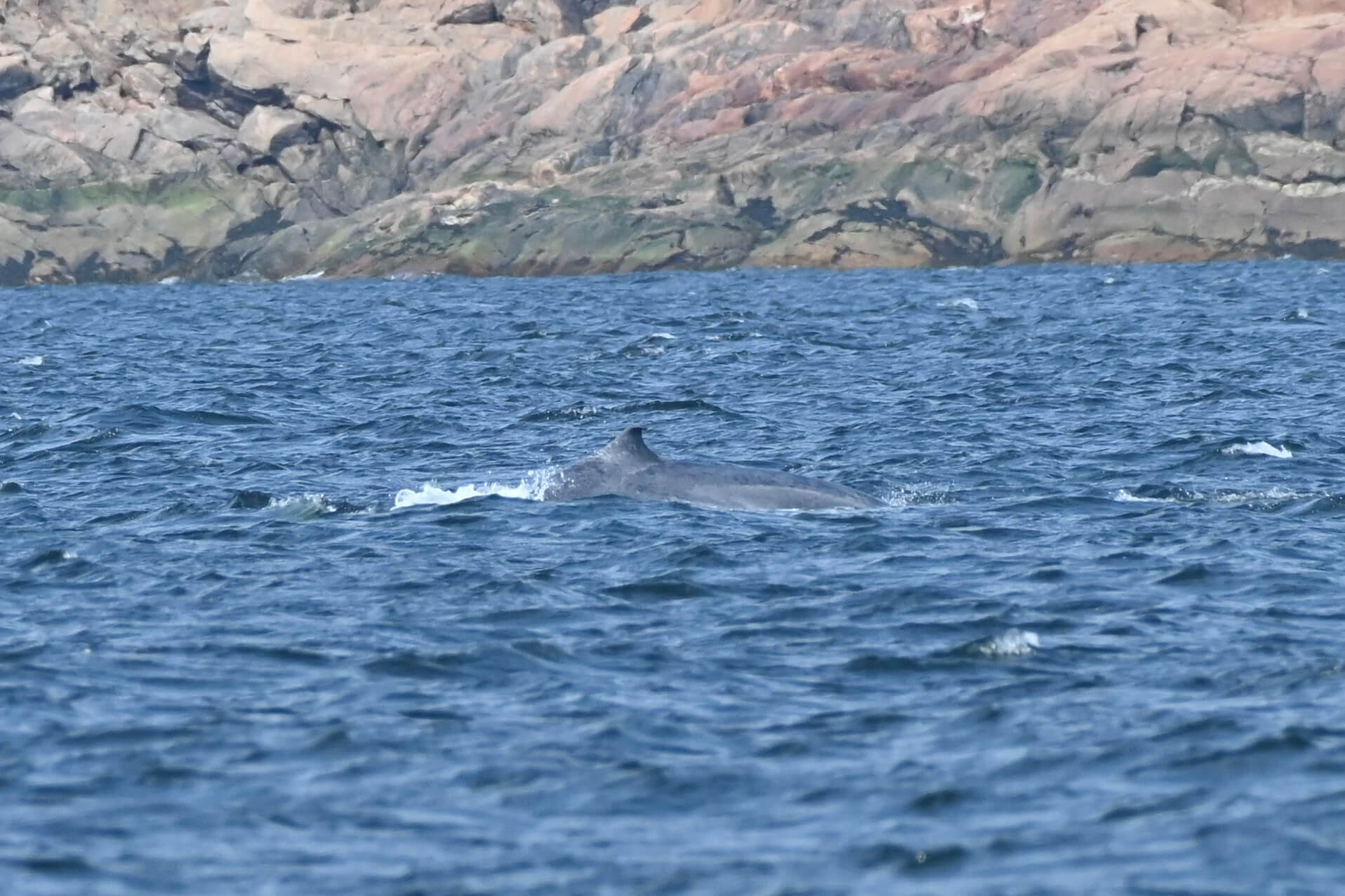
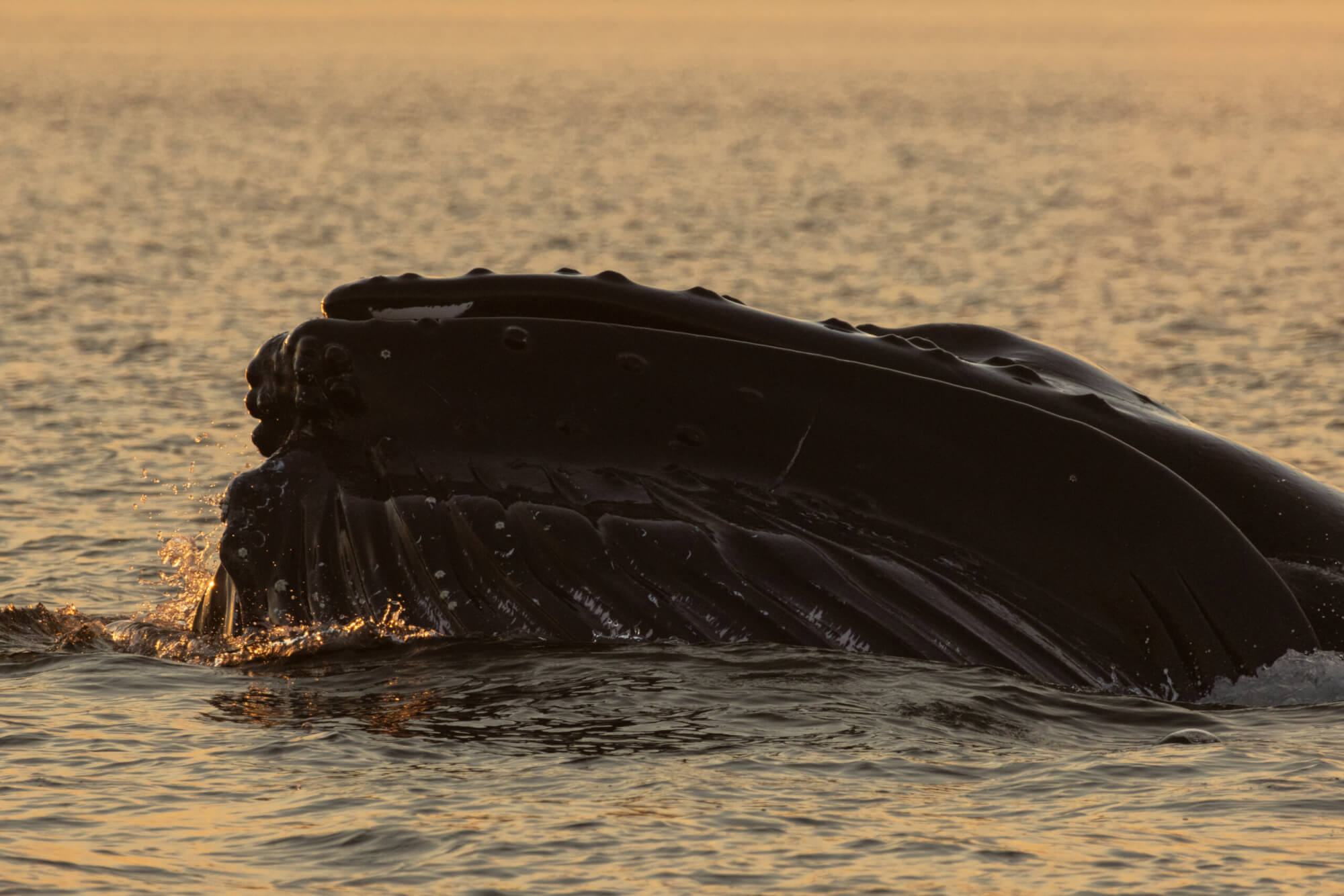
A fin whale’s blow can measure between 4 and 6 metres high, and even up to 10 metres in some cases. The larger the individual, the more impressive its spout! As for blue whales, the vapour plume they produce when they surface to breathe can reach up to 12 metres in height. In comparison, the blows of minke whales, which were observed from Pointe Rouge and Tadoussac Bay, are nearly invisible.
“We saw [belugas] splashing, showing their pectorals, rolling onto their backs, raising their tails, and especially spyhopping,” shares another enthusiast stationed at Pointe Noire. With the sunset as a bonus, she describes her shore-based observation as “a splendid spectacle.”
Minke whales and solitary beluga
“I’m at the water’s edge. There are two or three humpbacks feeding in the area, plus several minke whales,” a resident of Franquelin tells us. A few days earlier, two humpbacks were seen breaching and slapping their tails off the coast of Baie-Comeau. Whether it’s a feeding technique or a means of communication, the reasons behind these aerial displays vary depending on the context, the number of individuals present, their sex and their age. Whatever the reason, however, witnessing these acrobatics is always impressive!
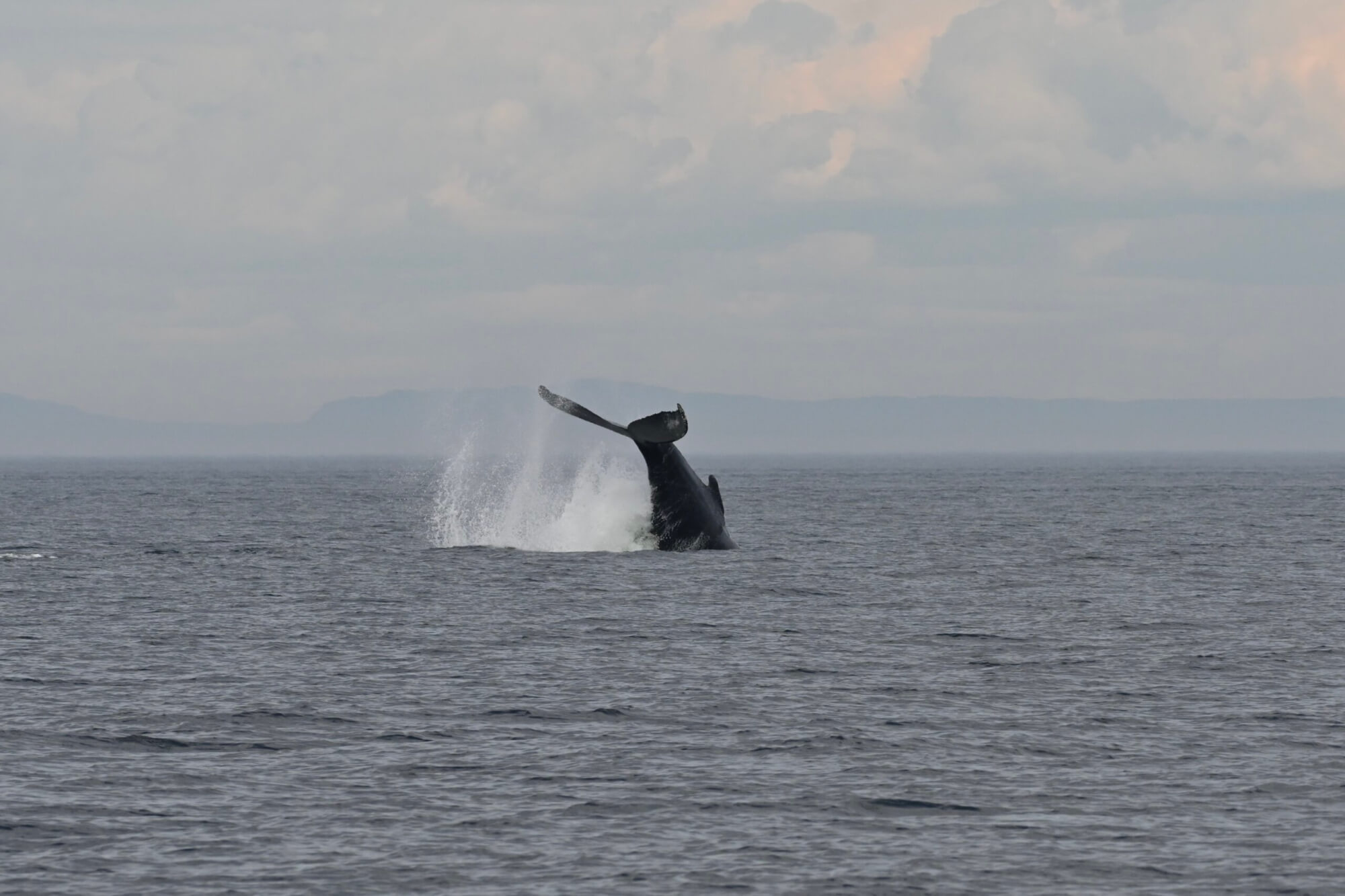
The research team from the Sept-Îles Education and Research Centre (CERSI) also noted the presence of eight blue whales, five fin whales, and five humpbacks, including a mother-calf pair. Harbour porpoises and young harbour seals were also observed. A solitary beluga has been turning heads in the Mingan Archipelago National Park Reserve. Anyone who spots this individual is requested to exercise caution and contact the Quebec Marine Mammal Emergency Response Network (QMMERN) at 1-877-722-5346. Belugas do not usually frequent this sector in summer, preferring instead the waters between Île-aux-Coudres and Le Bic. Also spotted in the area by a boater were numerous seabirds, grey and harbour seals, harbour porpoises, and dolphins of a yet-to-be-confirmed species.
Small, common cetaceans
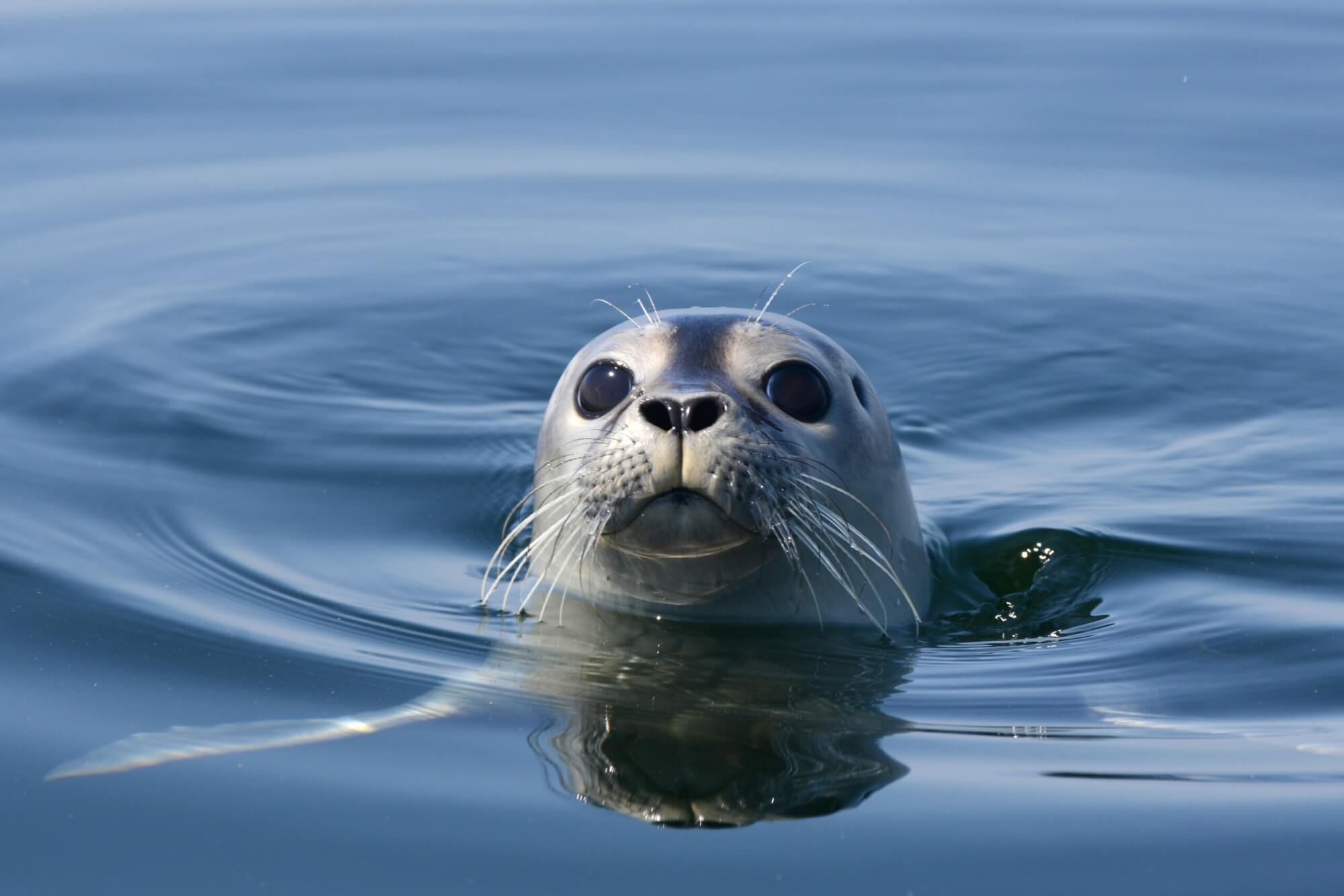
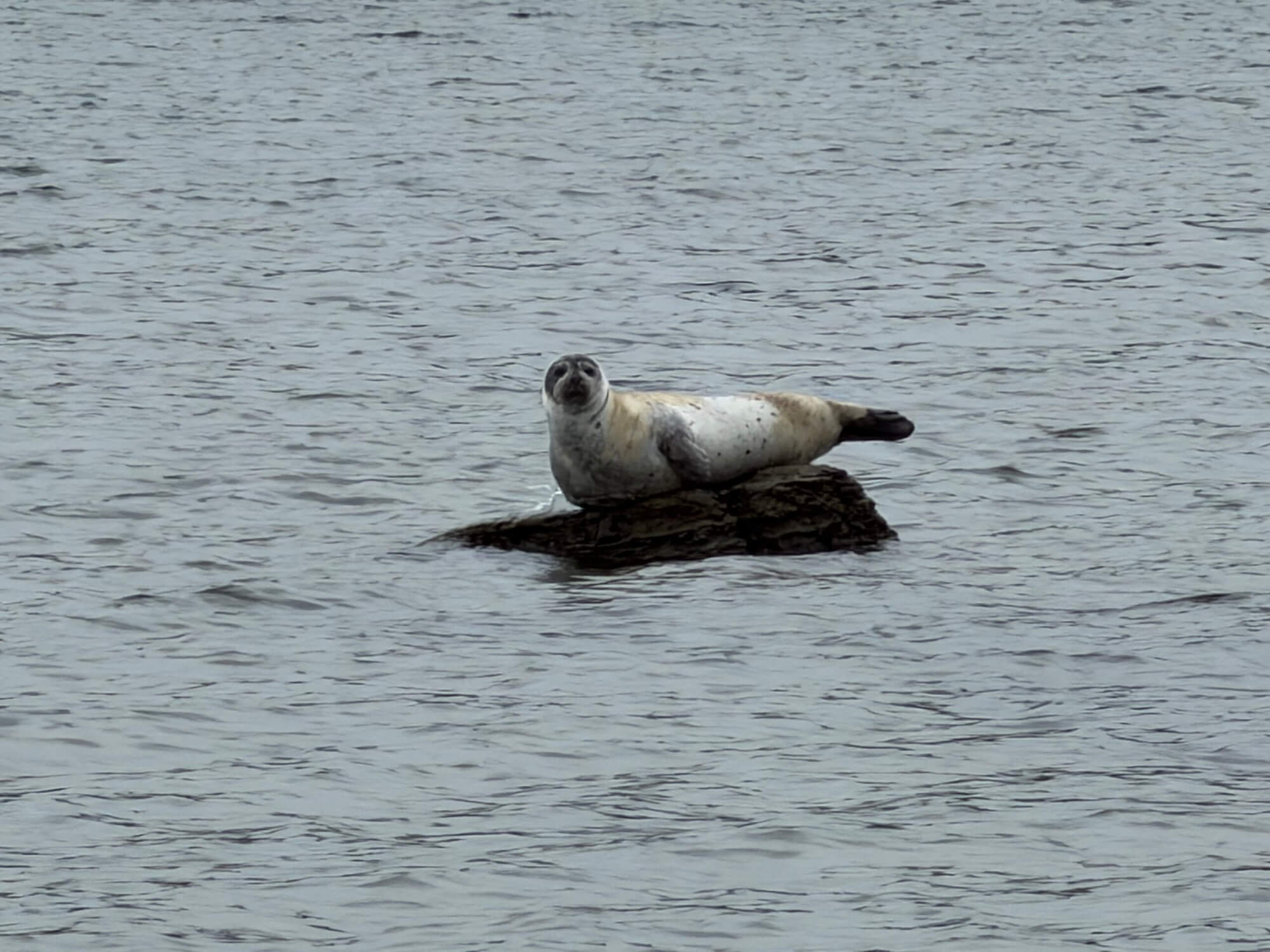
“Harbour seals, harbour porpoises, and minke whales,” lists a local resident in L’Anse-aux-Cousins in the Gaspé Peninsula. In Cap-Chat, an observer spotted what she believed to be a blue whale: “It was slow and majestic, and sometimes when it dove it would even raise its tail.” The height of its blow looked uneven, until we finally realized that there were two of them!” Minke whales were also observed from the shores of Sainte-Anne-des-Monts on August 7 and 8.
In Gaspé Bay, blue and minke whales have been thrilling people of all ages. A group of about twenty belugas was also seen swimming off Pointe-à-la-Renommée. North Atlantic right whales were present at several locations in the Gulf of St. Lawrence, notably between Anticosti Island and the Gaspé Peninsula. Other individuals were reported off Longue-Pointe-de-Mingan. This information comes from sources such as Whale Insight, an interactive map and visualization tool managed by Fisheries and Oceans Canada that tracks right whale sightings in eastern Canada. According to the website, the map shows individuals detected visually or even acoustically, but should not be used for fishing or navigating purposes.
Where are the whales this week? Sightings map
These data were reported by our network of observers. They give an idea of the presence of whales and in no way represent the actual distribution of whales in the St. Lawrence. Just for fun!
Click on the whale or seal icons to discover the species, the number of individuals, additional information or photos of the sighting. To enlarge the map, click on the icon in the top right-hand corner. The map works well on Chrome and Firefox, but not so well on Safari.
To display the list of sightings, click on the icon in the top left-hand corner.
Thanks to all our collaborators!
Special thanks go out to all our observers who share their love for marine mammals with us.
Your encounters with cetaceans and pinnipeds are always a pleasure to read and discover. On the water or from shore, it is your eyes that give life to this column.
- Fabienne April
- Thalia Cohen Bacry
- Guylaine Côté
- Sara Crespo
- Laetitia Desbordes
- Hélène Guitton
- Camille Némond
- Diane Ostiguy
- Sandrine Papias
- Laurence Paquin
- Renaud Pintiaux
- Pascal Pitre
- Simone Richard
- Guillaume Savard
- Andréanne Sylvain
- Marielle Vanasse
- Gabriela Vincent-Parada
Additionally, we would like to acknowledge the following teams that also share their sightings:
Centre d’éducation et de recherche de Sept-Îles (CERSI)
Station de recherche des Îles Mingan (MICS)
Réseau d’observation des mammifères marins (ROMM)
Réseau québécois d’urgences pour les mammifères marins (RQUMM)
Groupe de recherche et d’éducation sur les mammifères marins (GREMM)
Mériscope
Would you also like to share your observations? Have you seen any marine mammals in the St. Lawrence? Whether it’s a spout offshore or just a couple of seals, drop us a line and send your photos to [email protected]!

Odélie Brouillette
Odélie Brouillette joined the GREMM team as a writer and naturalist in 2022, and has been a project manager in scientific communication since 2023. With a background in biology, she loves learning and sharing with others what's most important to her. She has always been fascinated by marine environments and whales, and hopes to contribute to their protection through awareness-raising and popularization.
Recommended articles
Wrapping Up the Season with Some Thanksgiving Weekend Action!
This year’s Thanksgiving weekend was alive with the activity of whales, seals, and birds! Marine mammals are still lingering in…
Between Bronze and Anthracite
Yellow-orange hues reaching toward the sky blend with the smooth, dark swirls emerging from the waves. Even if the strong…
Waters Stirred by Blowing Whales
The shores of the St. Lawrence are ablaze with orange and golden foliage. These multicoloured hues are reflected in the…