
The F.G. Creed Crew is Back in the Estuary in Search of Whales’ Prey

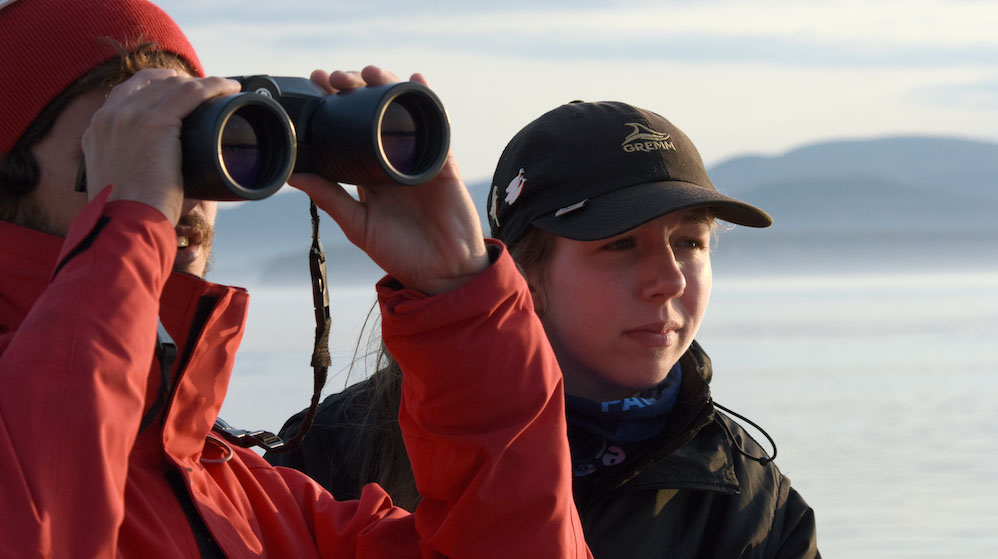
Fisheries and Oceans Canada’s ship F.G. Creed is in the Estuary this week for its eighth annual acoustic survey aimed at identifying populations of forage species that whales prey on. The scientific team aboard the ship consists of Ian McQuinn and Pierre Joly of the Maurice Lamontagne Institute / Fisheries and Oceans Canada.
This mission is part of the Species at Risk Program, in a project that examines the role of forage species in the distribution of whales in the Estuary and Gulf of St. Lawrence. One of the objectives is to determine the distribution densities of zooplankton, particularly krill, and small pelagic fish and, at the same time, establish a quantitative index of stocks of different species of krill. This information will be used to generate temporal and spatial distribution maps of the rorquals’ prey in an effort to map out the feeding areas of these giants.
In addition to probing the water column with a multi-frequency echo sounder, a zooplankton net is used to sample the small organisms detected by this instrument. This net, called Jacknet, is equipped with a strobe – an intermittent light source – which helps capture the various species of krill more efficiently.

Équipe du GREMM
Led by scientific director Robert Michaud, the research team of the Group for Research and Education on Marine Mammals (GREMM) studies St. Lawrence beluga whales and large rorquals (humpback, blue and fin whales) at sea. The Bleuvet and the BpJAM leave the port of Tadoussac every morning to gather valuable information on the life of the whales of the St. Lawrence Estuary.
Recommended articles
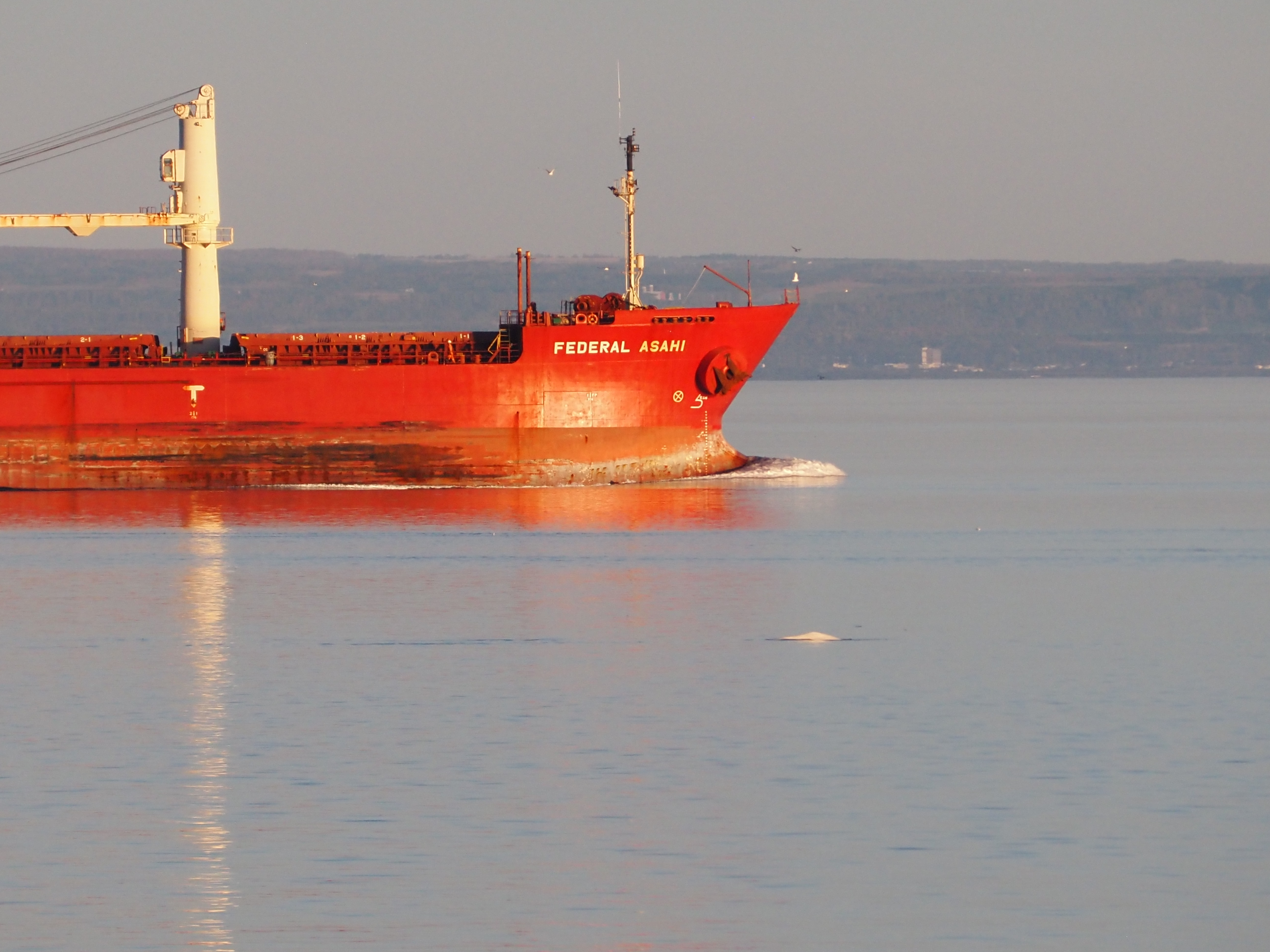
Collisions in the Saguenay—St. Lawrence Marine Park (part 1/2)
Collisions are a major challenge in the recovery and protection of cetacean populations around the world. In the Saguenay–St. Lawrence…

Episode 5 Summary: Christophe Ronveaux
Christophe Ronveaux is a biologist with the Mingan Island Cetacean Study (MICS). MICS mainly studies five species of large cetaceans:…
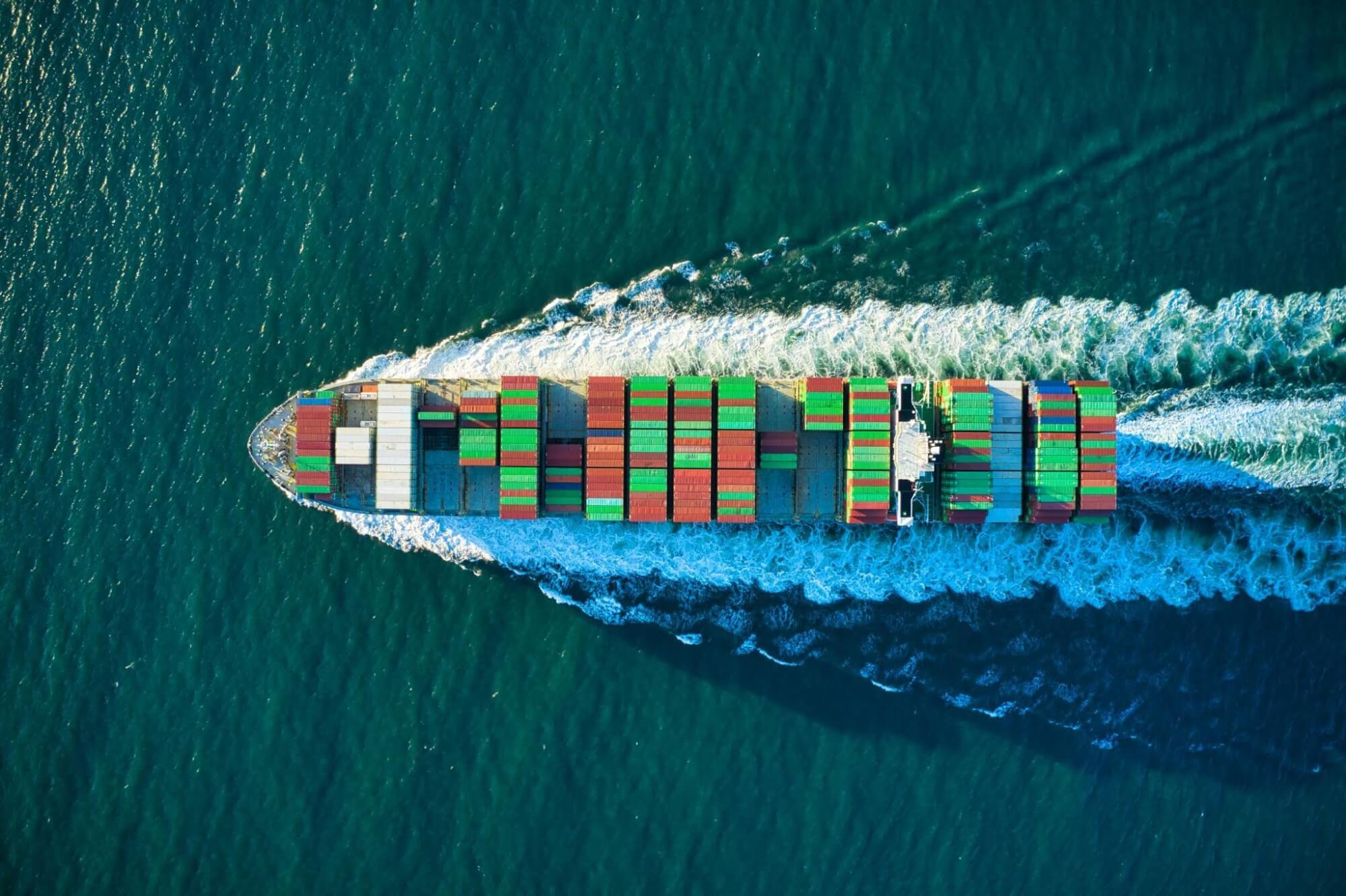
Amidst the Hum of the Engines
Around the clock, aquatic environments are naturally filled with a slew of different sounds: rain, waves, wind, swimming fish, stones…