
Sous la surface, with Christophe Ronveaux


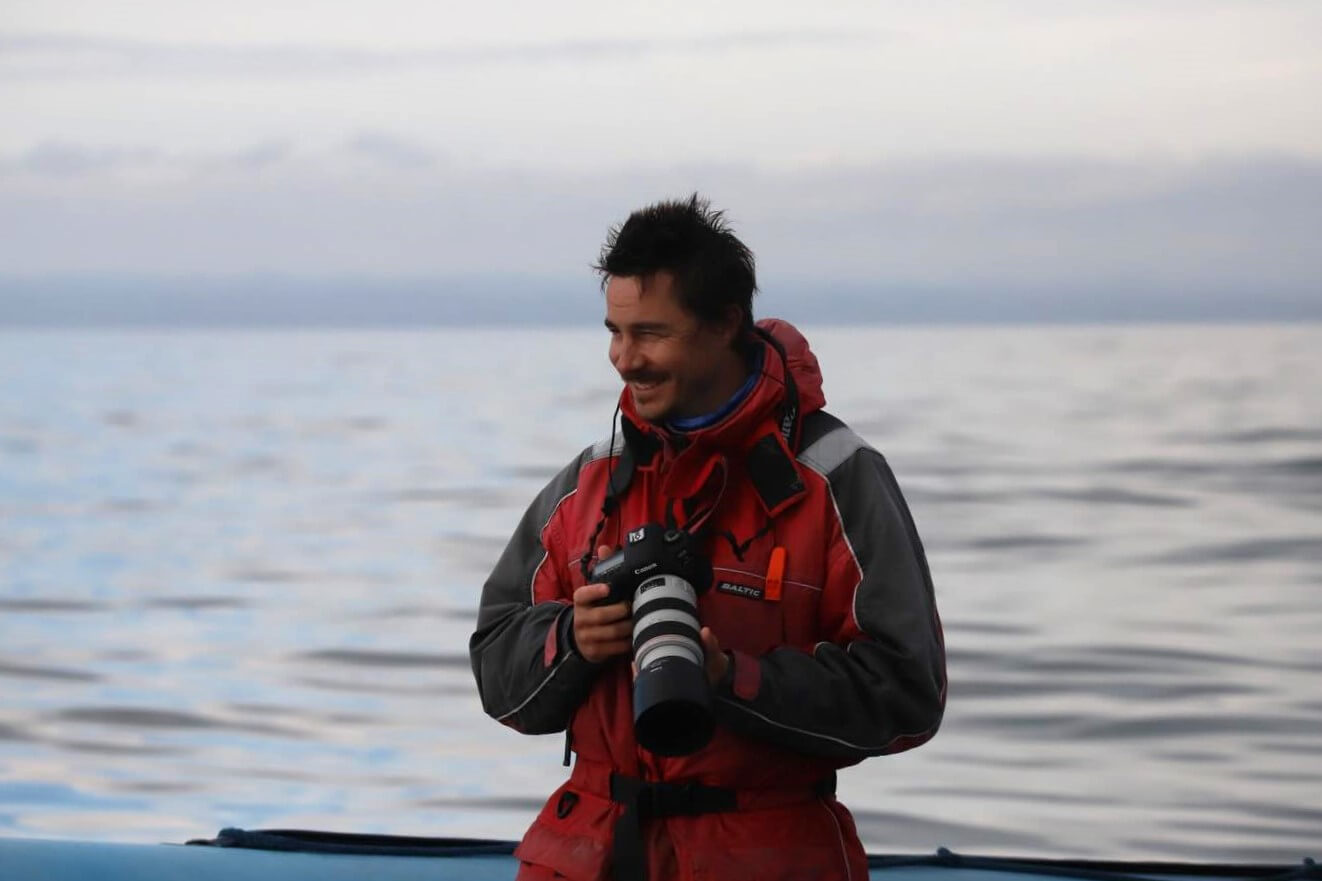
Christophe Ronveaux is a biologist with the Mingan Island Cetacean Study (MICS). MICS mainly studies five species of large cetaceans: the minke whale, the fin whale, the North Atlantic right whale, the blue whale, and the humpback whale. During a family vacation to the Minganie region in 2015, he discovered MICS while participating in one of the organization’s boat tours! He thought it would be a great line of work, though at the time he didn’t give it too much thought. After all, he dreamed of becoming an airplane pilot! After moving to Canada, Christophe enrolled in UQAM’s bachelor program in biology in 2018 and later applied for an internship with MICS in 2021.
Some facts about Christophe :
- His first cetacean sighting was of Amazon river dolphins—which inhabit the same waters as caimans!
- He is particularly fond of North Atlantic right whales and humpback whales because both species “put on a great show,” and it’s “a joy to see them interact at the surface.”
- His most memorable whale sighting: “During my internship, a humpback whale came alongside the boat and stared at us for a good ten minutes; we could even see its eye through the clear water! That was one of the experiences that really got me hooked on working with whales.”
- The best advice he ever received came from his father, who would always say, “You gotta do things right.” “So, whenever I do anything, I try to be thorough and take my time.”
- What he likes most about the research process is “staking out and locating a wild animal in its natural habitat.” However, Christophe would be open to working with any species—a real hardcore biologist!
So you came to the North Shore region one summer, wound up immigrating to Canada, and thought to yourself, “I want to study biology in Quebec”?
Initially, I wanted to be a pilot. I started a physics degree but realized it wasn’t for me. My values had changed, and the field no longer really aligned with my principles.
I ended up in biology because I got interested in UQAM’s program, which is rooted in problem-based learning. Some of the courses were heavily focused on analyzing scientific literature. There were about ten of us students plus the professor. We didn’t have traditional lectures and we didn’t have many hours of class time, but we did do a lot of reading. It teaches you to be independent!
I hadn’t originally planned on working with whales. That was in 2020 when I wanted to recreate the experience I had had with MICS in 2015, though my career ambitions were still vague. In fact, when MICS accepted me as an intern, I didn’t have many expectations. I just hoped to see plenty of whales and knew I was going to have to work hard, since that’s the nature of life at a research station.
What did your 2021 internship at MICS entail?
There was a week of training on marine safety and getting to know the islands, plus managing the museum, guided tours, photo-identification and data collection (tracking individuals, location, and behaviour) in the field. You learn as you go. We’re also responsible for opening up and closing down for the season, meaning preparing the boats in spring and putting them into storage for the winter.
Did you already have an interest in biology when you started your bachelor’s degree in the subject?
I did! I have an uncle who introduced me to biology in general when I was quite young. I did internships with him working with beavers; we would observe deer during the rut, canoe and fish together… For me, biology was more about recreation and exploring, but I had never really thought about it as a potential career path. It never even crossed my mind! I’m not obsessed with whales the way some people are—I could’ve ended up working with another species—but I love it here, so I’m staying at MICS!
What does a typical day look like? Do you alternate tasks?
We try to switch things up in order to get everyone trained—collecting data, operating the boat, taking photos… Only the more complex tasks like biopsies are reserved for those who have more experience. It’s a great learning experience because you acquire so many new skills.
We go out whenever we have decent weather. Bad weather can be dangerous; plus, if there are big waves, the whales’ backs or their blows become harder to spot. We’re exposed to the elements. Rain also reduces visibility, so it’s not really worth going out in lousy weather.

In your opinion, how does your work contribute to whale conservation?
Protecting whales is important. At MICS, we do a lot of conservation work through education and research. Some species are truly endangered and at the brink of extinction, like the North Atlantic right whale. Will its population increase? We don’t know if current efforts are working, but we can’t afford to just sit back and do nothing, either. On a personal level, I’m doing my part.
What would you say to encourage young people to pursue this career path?
Never give up; you have to at least give it a go. I ended up in this field by chance. When I was being interviewed, I was certain I wouldn’t get the job, but you have to try even if you think you don’t stand a chance!
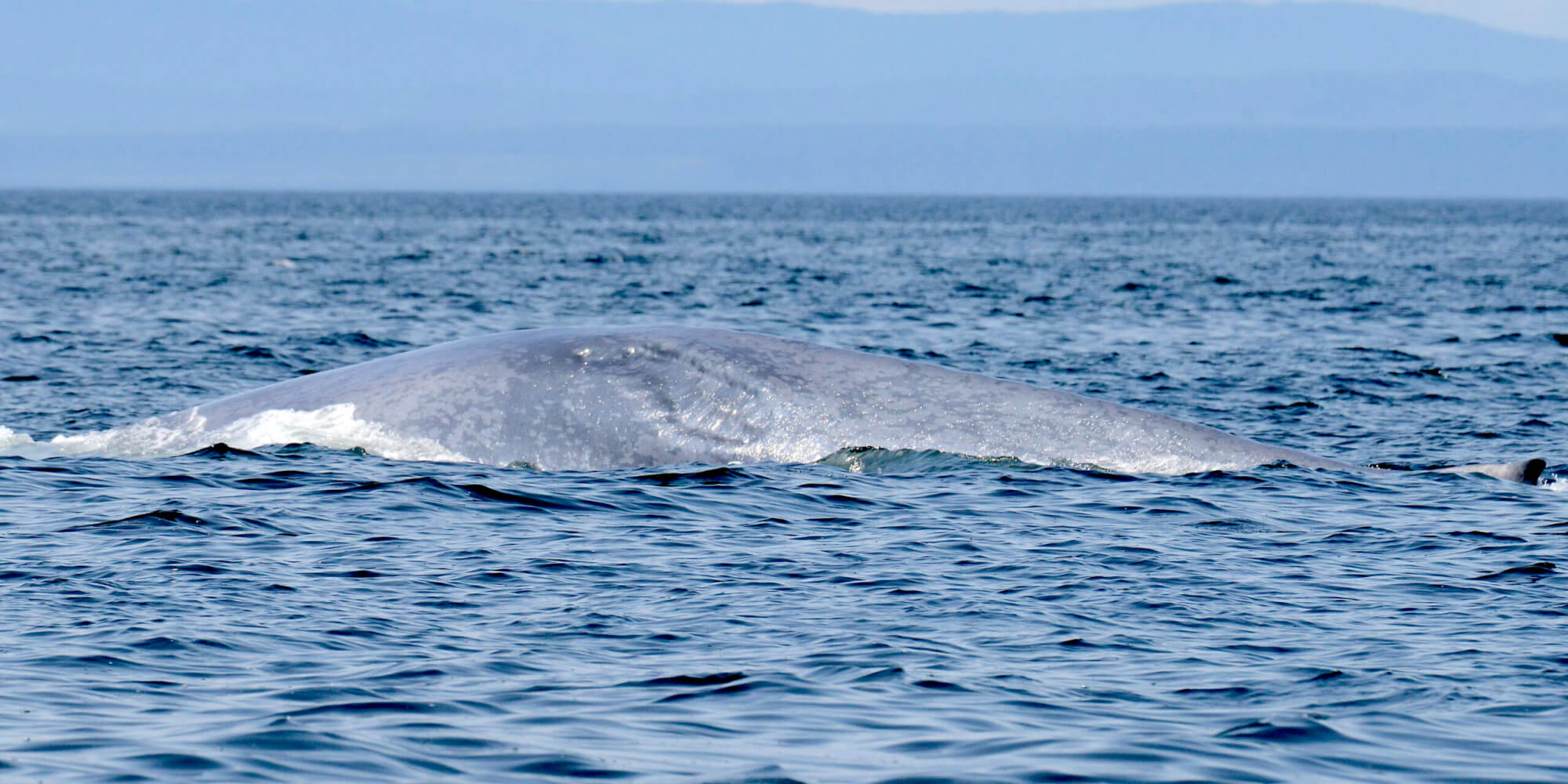
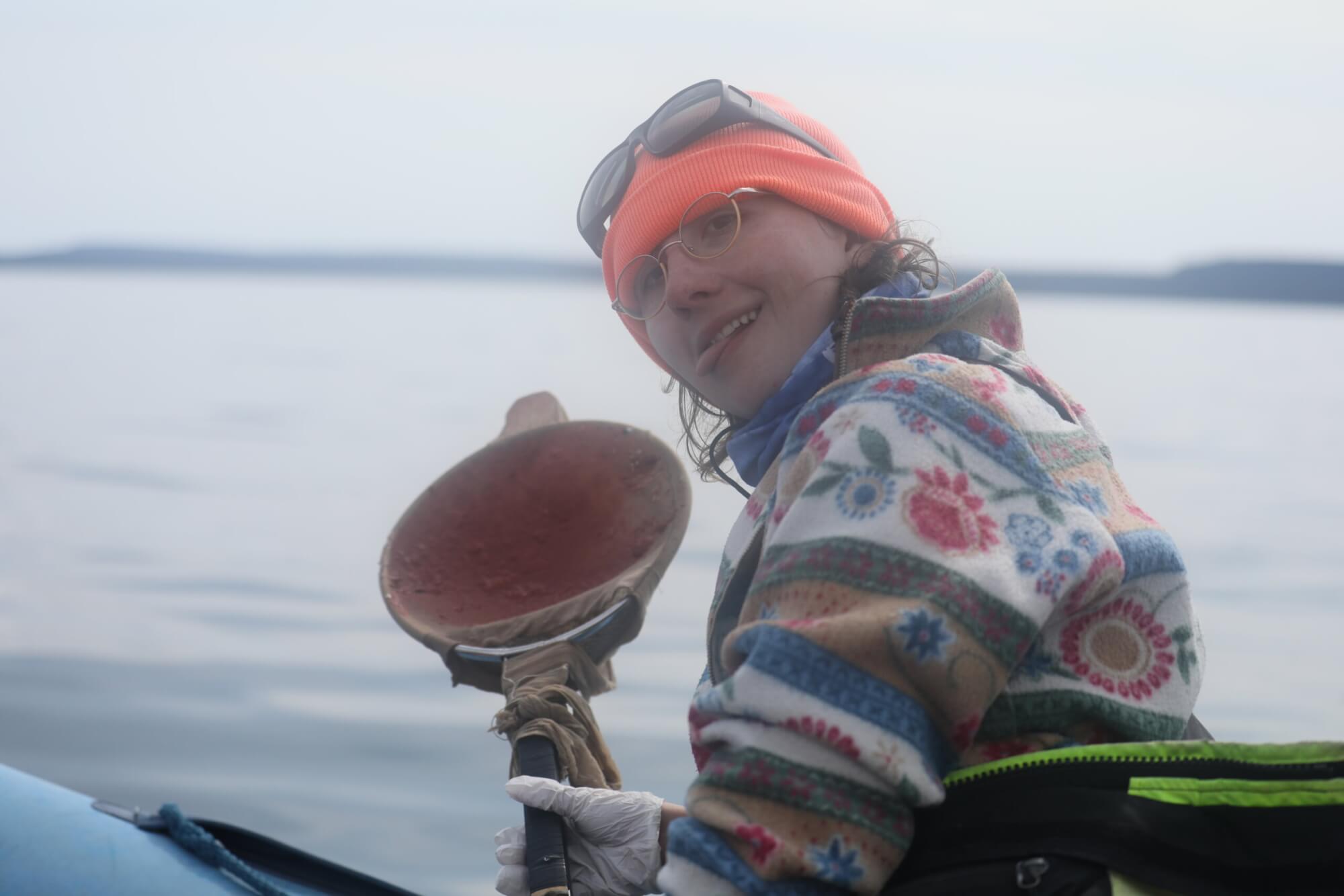
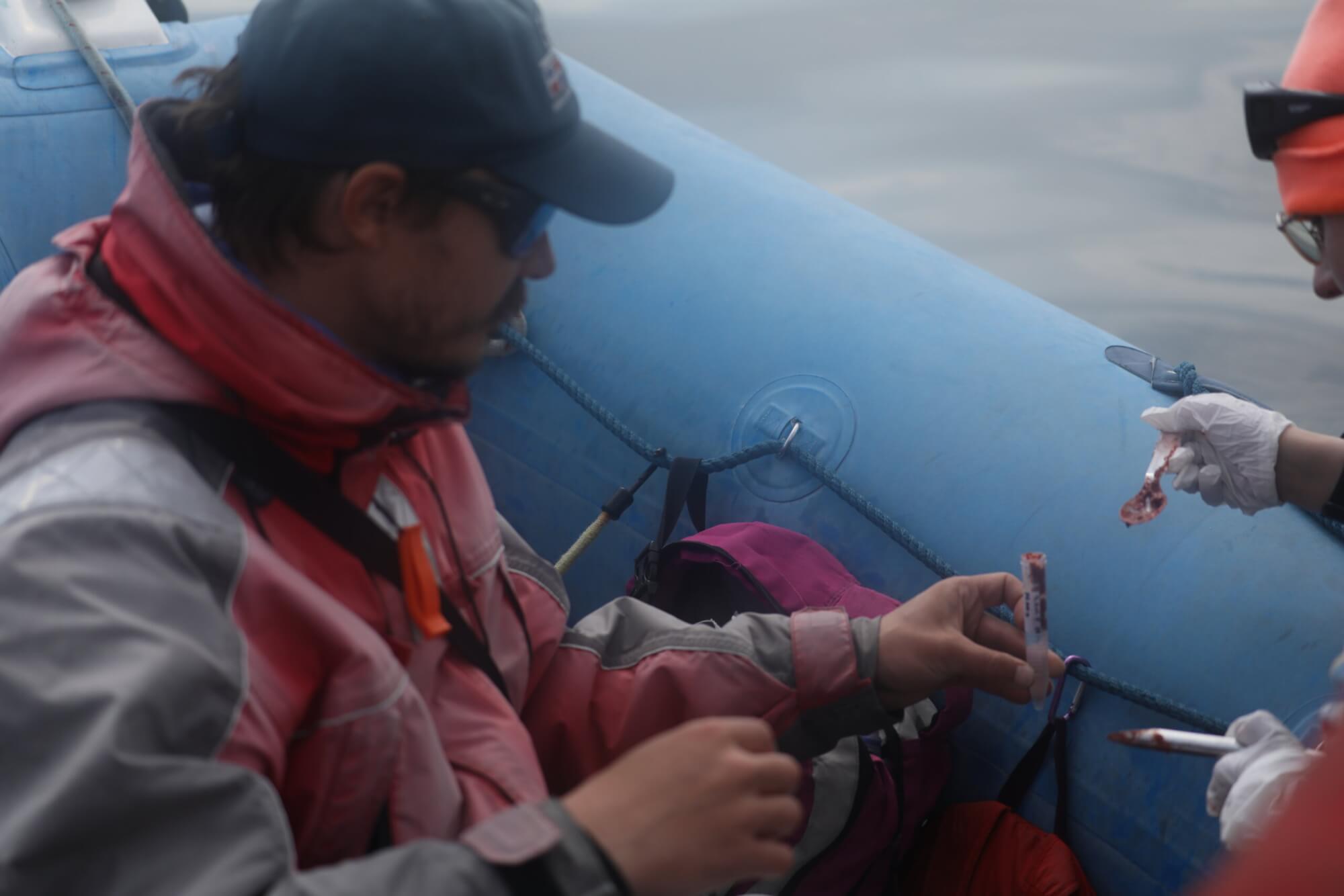
Christophe’s experience has even seen him and his team collect whale feces! One blue whale left behind a large patch of poo measuring 9 metres in diameter! “It smells awful,” confides Christophe.
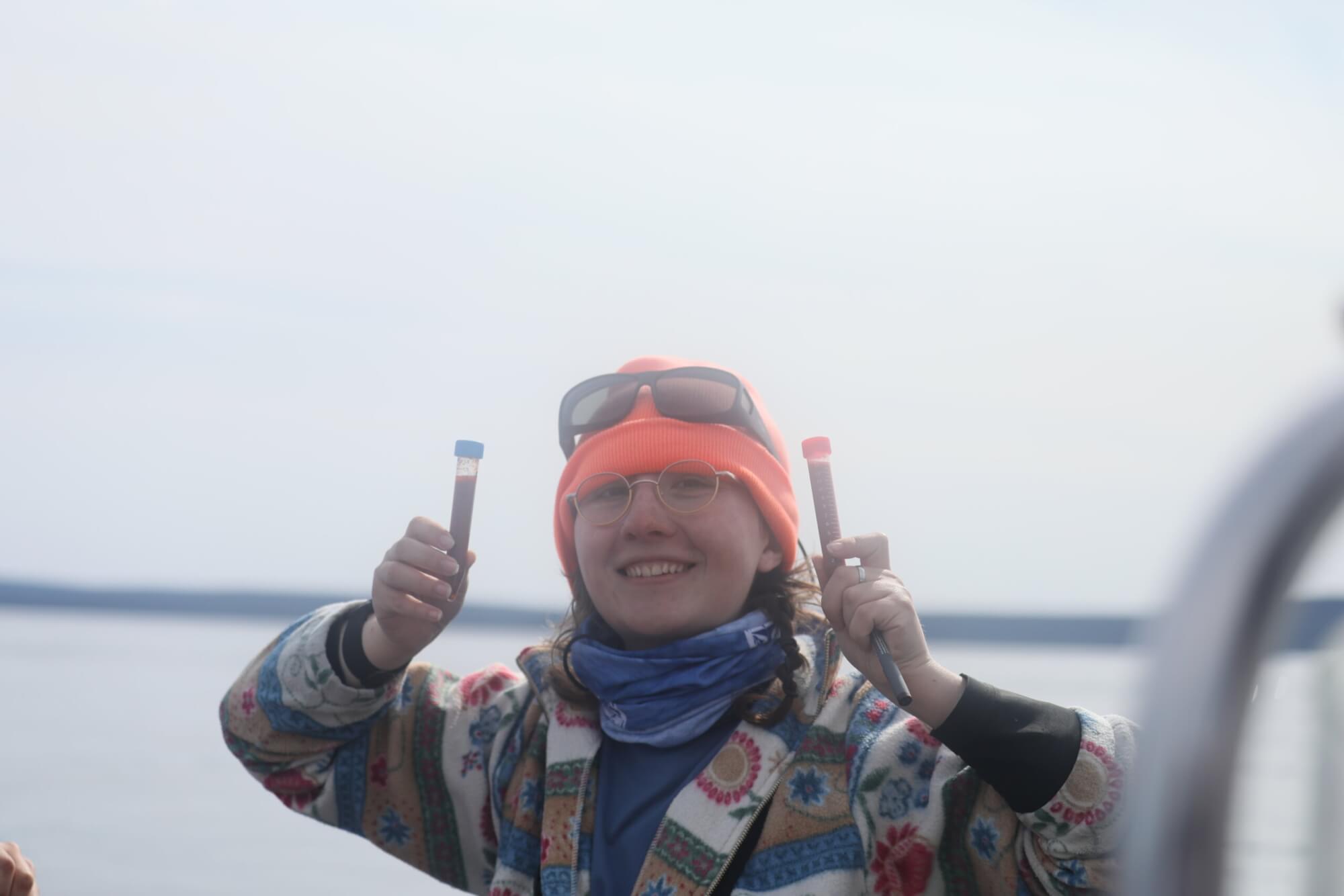

Thalia Cohen Bacry
Thalia Cohen Bacry is a science writer for the GREMM, having previously worked as a naturalist in 2023. A UBC graduate, she completed a master's degree in international studies at the Université Laval and is continuing her learning in several fields, including geography, political science and animal behavior. Passionate about environmental protection, she grew up in Savoie, surrounded by lakes and mountains, before immigrating to Canada and discovering even bigger and wilder spaces. Intrepid, curious and persevering, she loves to learn, observe and analyze in order to raise awareness about protecting our oceans.
Recommended articles
Sous la surface, with Dre Anaïs Remili
Dre Anaïs Remili is a postdoctoral researcher in biological sciences at British Columbia’s Simon Fraser University, a scientific communicator, and…
Collisions in the Saguenay—St. Lawrence Marine Park (part 1/2)
Collisions are a major challenge in the recovery and protection of cetacean populations around the world. In the Saguenay–St. Lawrence…
Amidst the Hum of the Engines
Around the clock, aquatic environments are naturally filled with a slew of different sounds: rain, waves, wind, swimming fish, stones…