
Sous la surface, with Dre Anaïs Remili

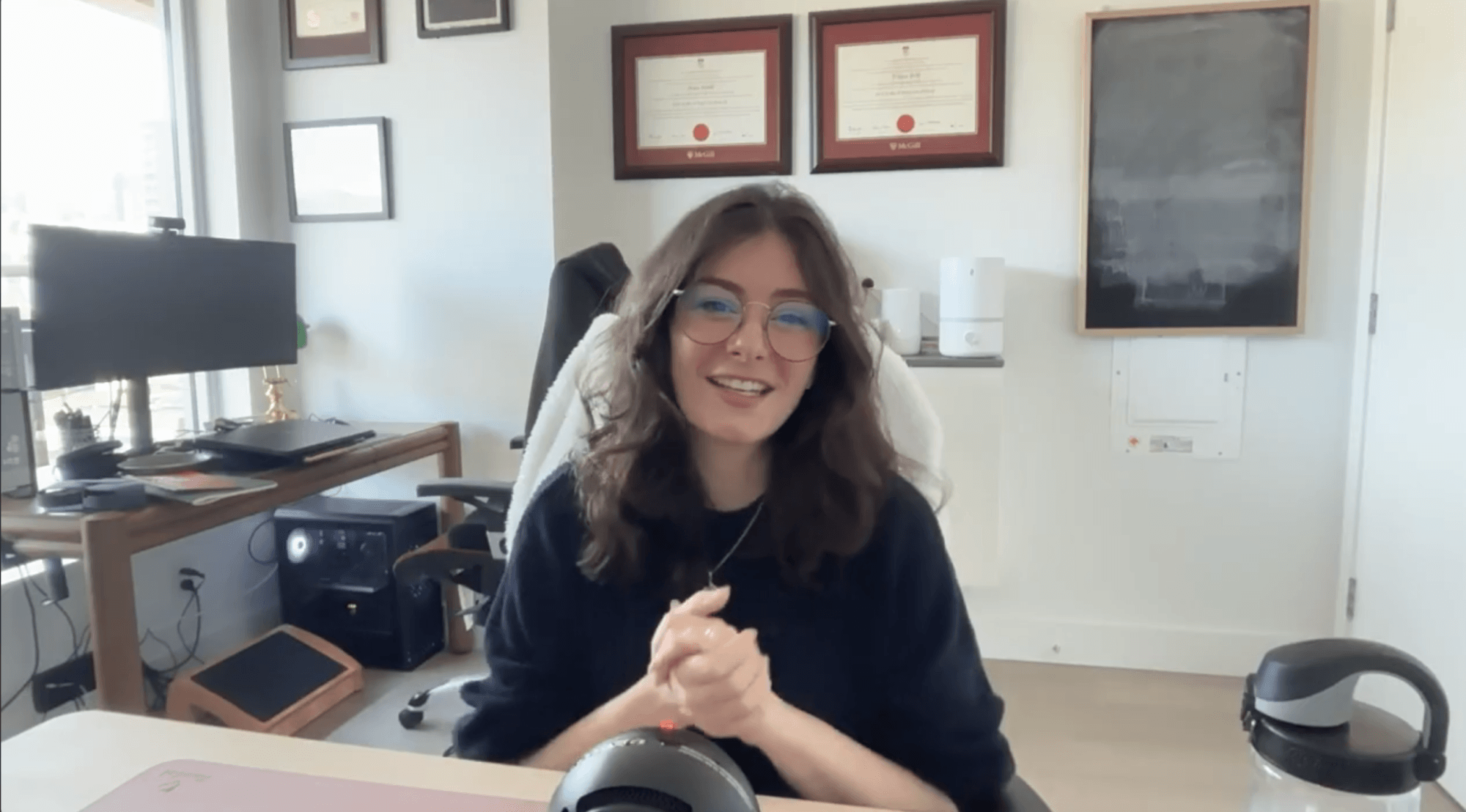
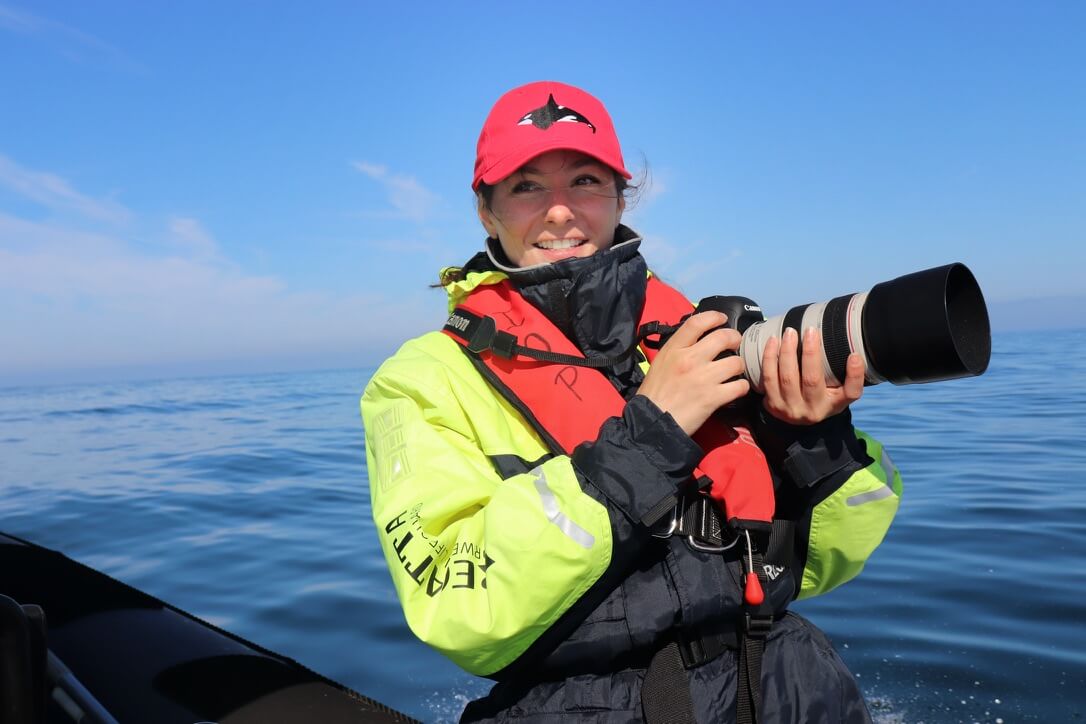
Dre Anaïs Remili is a postdoctoral researcher in biological sciences at British Columbia’s Simon Fraser University, a scientific communicator, and co-founder of the blog Whale Scientists. She also chairs the communications committee for the Society for Marine Mammalogy and directs the Cetacean Ecotoxicology Research & Education (CETOX)
A few highlights:
- Anaïs used to stay late at school. To keep from getting bored, she would read everything she could about whales and surf the web to learn their scientific names.
- She began her undergraduate degree in France alongside 1,000 other students… though by the final year of the program only 60 remained.
- She cultured whale cells in the middle of Kentucky.
- In her view, essential skills for working in this field include social skills and having a great deal of empathy.
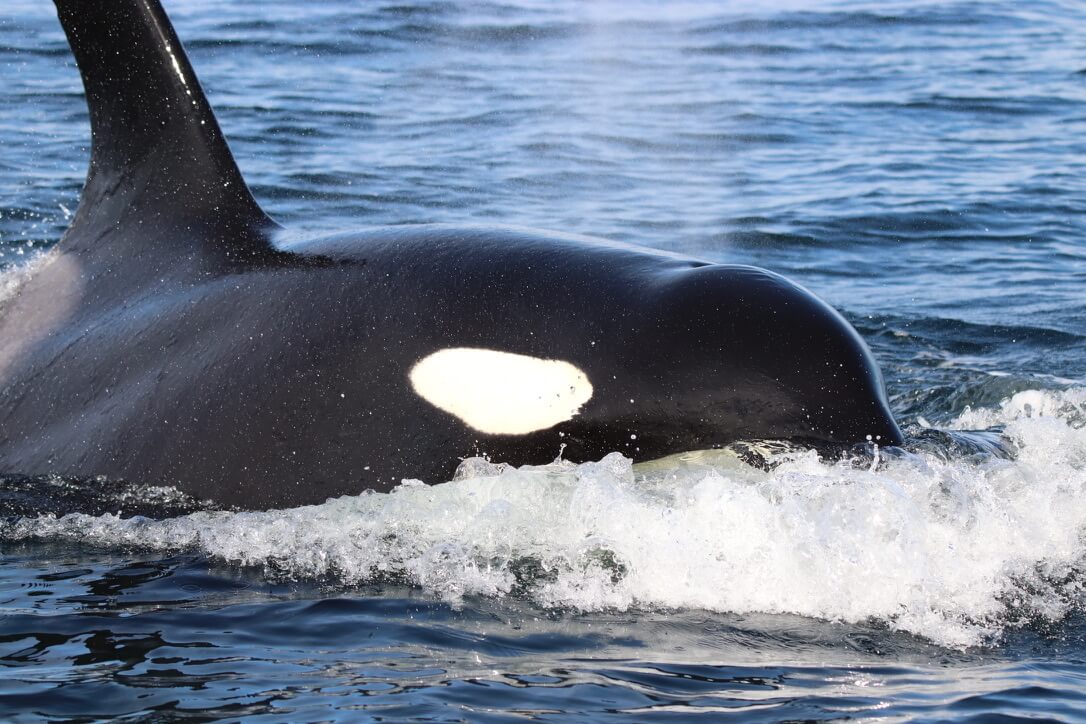
- She enjoyed popularizing the topic of petulance in whales just as much as she did explaining her research on the impact of industrial contaminants on the health of killer whales off Canada’s East Coast.
What was your first interaction with a whale?
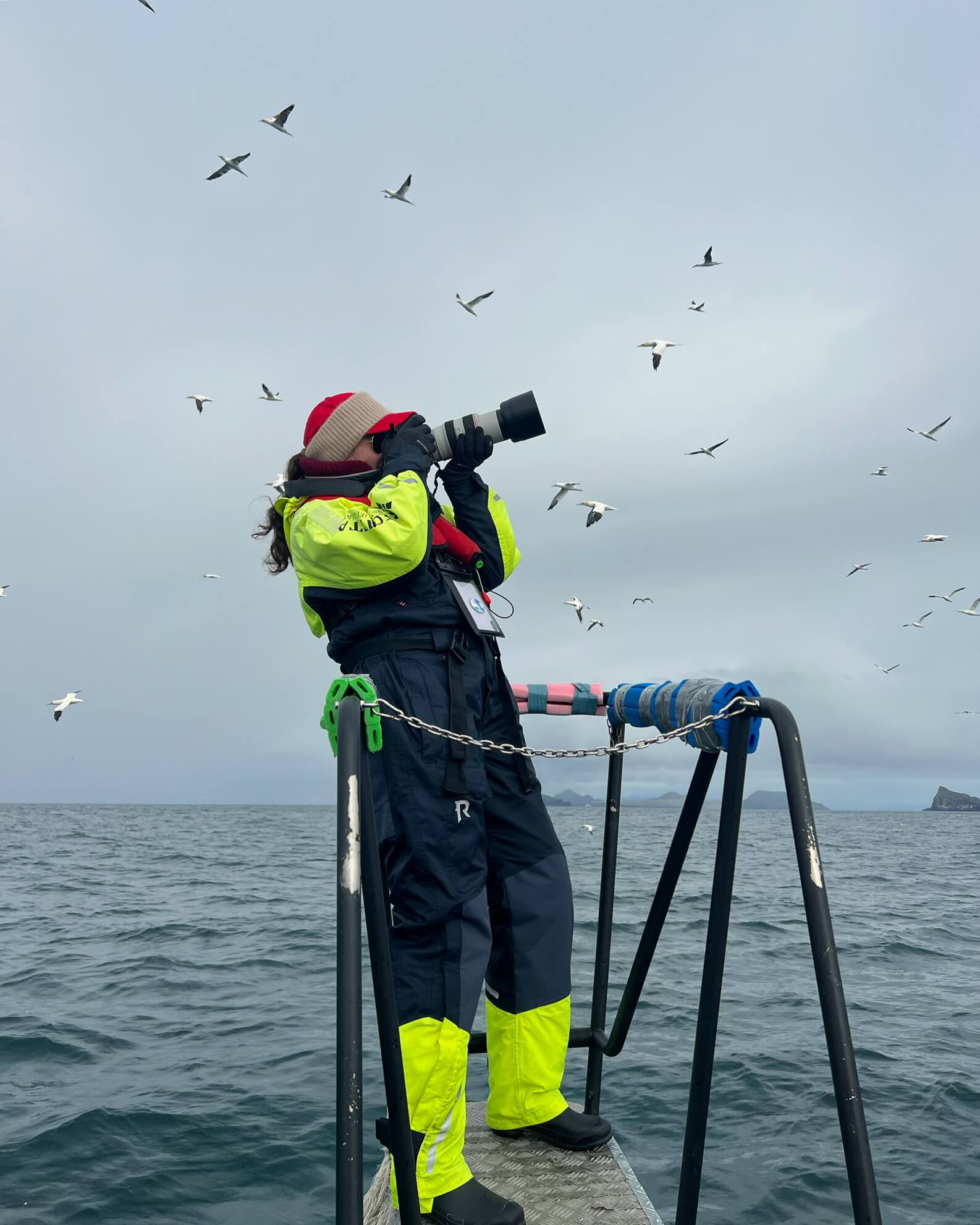
It was in Tenerife [in Spain’s Canary Islands]; we saw a large pod of pilot whales very close to the boat. Ever since I was three, I’ve been absolutely crazy about whales. Seeing the power of the blow and the sheer size of the animal… Those were my first major thrills involving whales. Growing up in the French Alps, I had no exposure to or general awareness of the ocean. When I was little, I watched Free Willy and fell in love with Keiko. For me, that was the turning point, and whales became my mission in life.
Tell us about your journey
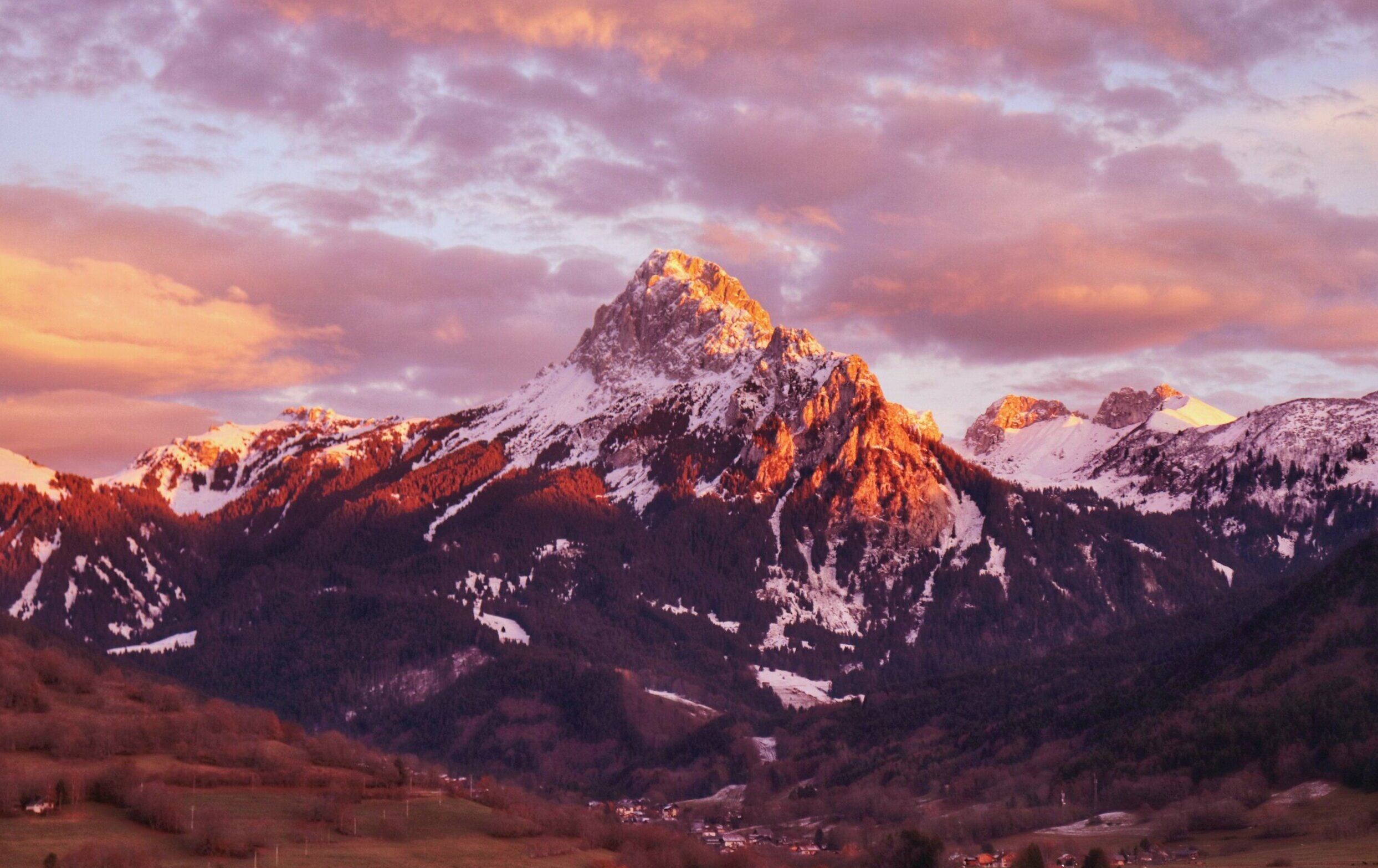
I didn’t have a manual or a guide on how to become a cetologist. All the information was in English, so I told myself, Girl, you’re going to have to learn the language! I spent a year in the US learning English before realizing that American universities were prohibitively expensive. Education is free in France, so I started a bachelor’s degree in Lyon. It was a disaster. It was very hard, and I struggled to stay motivated. I was on an old, dilapidated campus; there were 500 of us in the lecture hall, and I even had to sit on the stairs sometimes because there weren’t enough seats. We had no hands-on work and no marine biology courses. My grades were poor, and I even had to repeat my second year. I came really close to dropping out.
I got my motivation back when I told myself: I have to get this degree; my life is all about whales. If I throw in the towel now, I’ll regret it for the rest of my life.
Due to my poor grades, I had no chance of getting into a master’s program in France. Plus, there were no programs dedicated to marine mammals or pollution—a field I was increasingly interested in. I applied for an international European master’s program and I was accepted! It was the best possible experience: I changed universities and countries every semester. I finished the program in Belgium, and my final semester I worked on my thesis, which was on the impact that feeding ecology has on contaminant levels in humpback whales in Antarctica.
How did you end up in Canada?
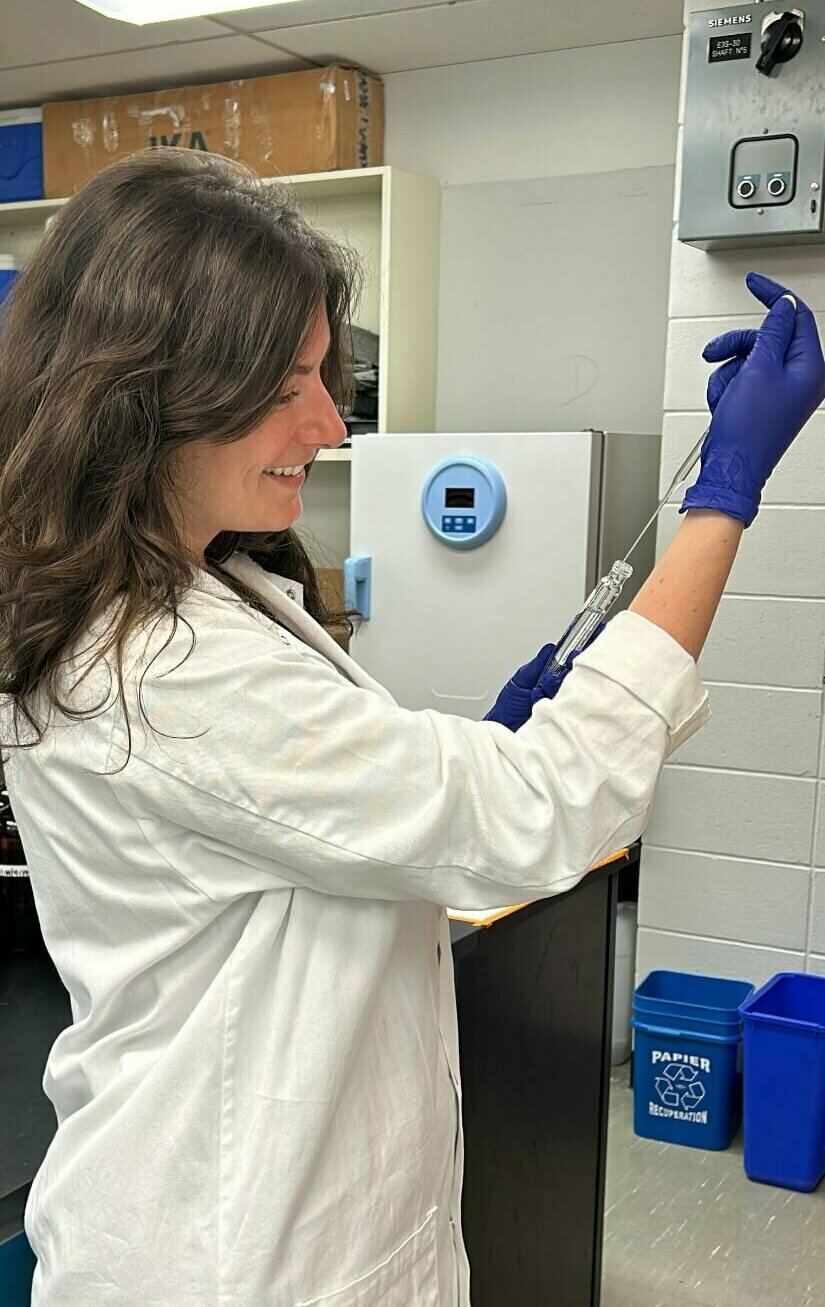
Through a unique set of circumstances and a huge stroke of luck! I met Jean-Pierre Desforges at a conference in Denmark, and I loved his research. He was extracting “cocktails” of contaminants from the fatty tissues of bears and killer whales and recreating them in the lab. Basically, he would grow cells and expose them to these same contaminants to see how they reacted. I’ve lost count of how many times I read his thesis. I told him that I dreamed of doing what he did and asked whether he knew of any opportunities to work in that field. Three weeks later, he got back to me: Professor McKinney was looking for a PhD student at McGill to study the feeding ecology and contaminant levels of killer whales in North America. It was the greatest opportunity of my life. I basically said, “Where do I sign?”
Is there anything in your journey that you would change?
I wouldn’t change a thing—not even repeating a year—because it taught me to push my limits and always give my very best. I would’ve never learned that lesson had I not repeated that year. It taught me to never lose sight of my dreams—something that’s easy to do in an overcrowded lecture hall. It taught me discipline, motivation, and how to stay the course.
If you could give yourself one piece of advice at the start of your career, what would it be?
It’s a piece of advice from my mother: “Think you don’t stand a chance? Send the message, reach out—the worst answer you can get is ‘no,’ but you might get a ‘yes’ or a ‘maybe.’” She would often quote a line from the cult classic Les Bronzés font du ski: “Forget you don’t stand a chance—just go for it; you never know, it might just work out because of some misunderstanding.”
The thought of reaching out to a prominent researcher is often terrifying. You have to have some guts. I’ve always done that throughout my career, and that’s how I’ve managed to find all sorts of opportunities. Sure, I’ve had plenty of rejections, but it ultimately paid off. So my advice is: “Give it a shot and see what happens!”
How did you get into the world of scientific communication?
A friend and I came up with the idea back in 2016 while we were studying together. She and I noticed there were no guides available, and neither of us knew anyone working in the field. We didn’t know exactly how to go about studying marine mammals. We wanted to create a resource for people looking to enter the field while sharing our passion, but we were held back by imposter syndrome. It wasn’t until May 2020, right in the middle of the pandemic, that we finally took the plunge!
How do you balance your time between your two roles: postdoctoral researcher and scientific communicator?
Your perception of time is different when you’re doing what you love, though I do sometimes run around like a chicken with its head cut off. I’m constantly working on something. I’ve become obsessed with scientific communication. When you work in this field, your funding comes primarily from the government or public sources. So, when we operate using public funds, the very least we can do is communicate with the public that helped fund our research in the first place. That’s what we owe the public.
How do you think scientific communication contributes to protecting marine mammals?
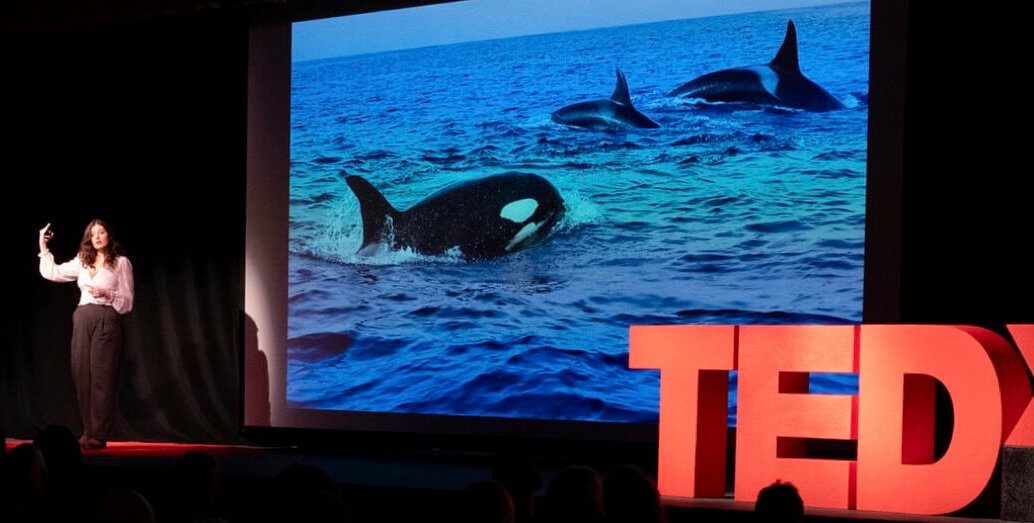
From a conservation standpoint, it’s incredibly important. It is also our role as scientists to explain our research. If we don’t make our research accessible to the general public, it won’t have any impact, so we absolutely have to commit to that effort. It’s quite a challenge, because as researchers, we’re taught to constantly question our results and to examine the smallest of details—but that’s not how you communicate. Not everyone can just get up in the morning and read a study in a scientific journal! People want something concrete and easy to digest. It’s not easy at first to take off your researcher’s hat and think differently. You really have to put yourself in the public’s shoes.
Local and federal decision-makers don’t have an academic mindset. If we want to ensure that our research gives rise to tangible conservation initiatives, we have to make sure it’s accessible!
The goal of research is to make yourself understood by those outside your field.
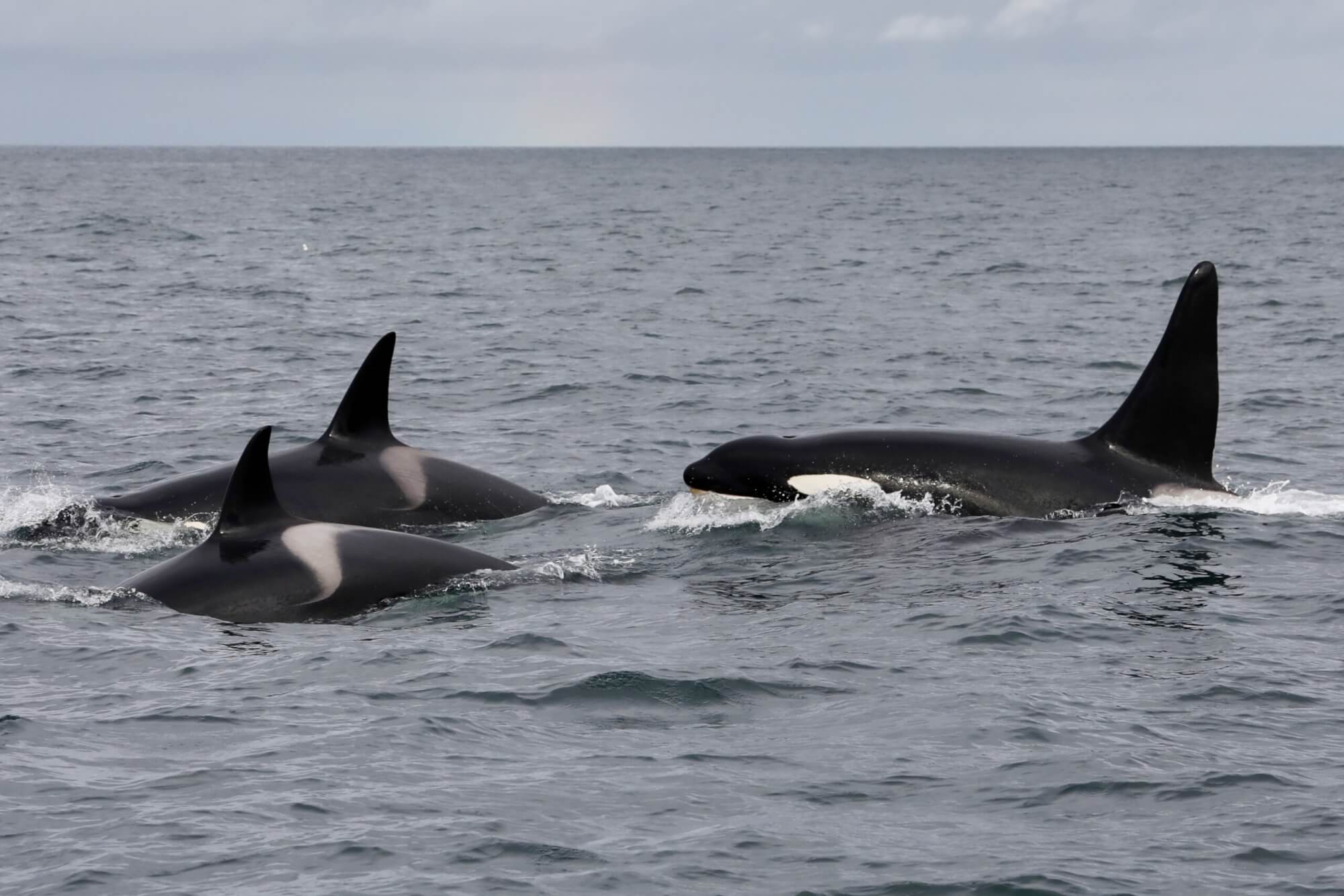
When I talk about my research on marine mammal contamination, I mostly share bad news, and for a long time, I didn’t leave any room for hope or solutions. Now, I try to suggest things people can do in their own homes to help in their own way.
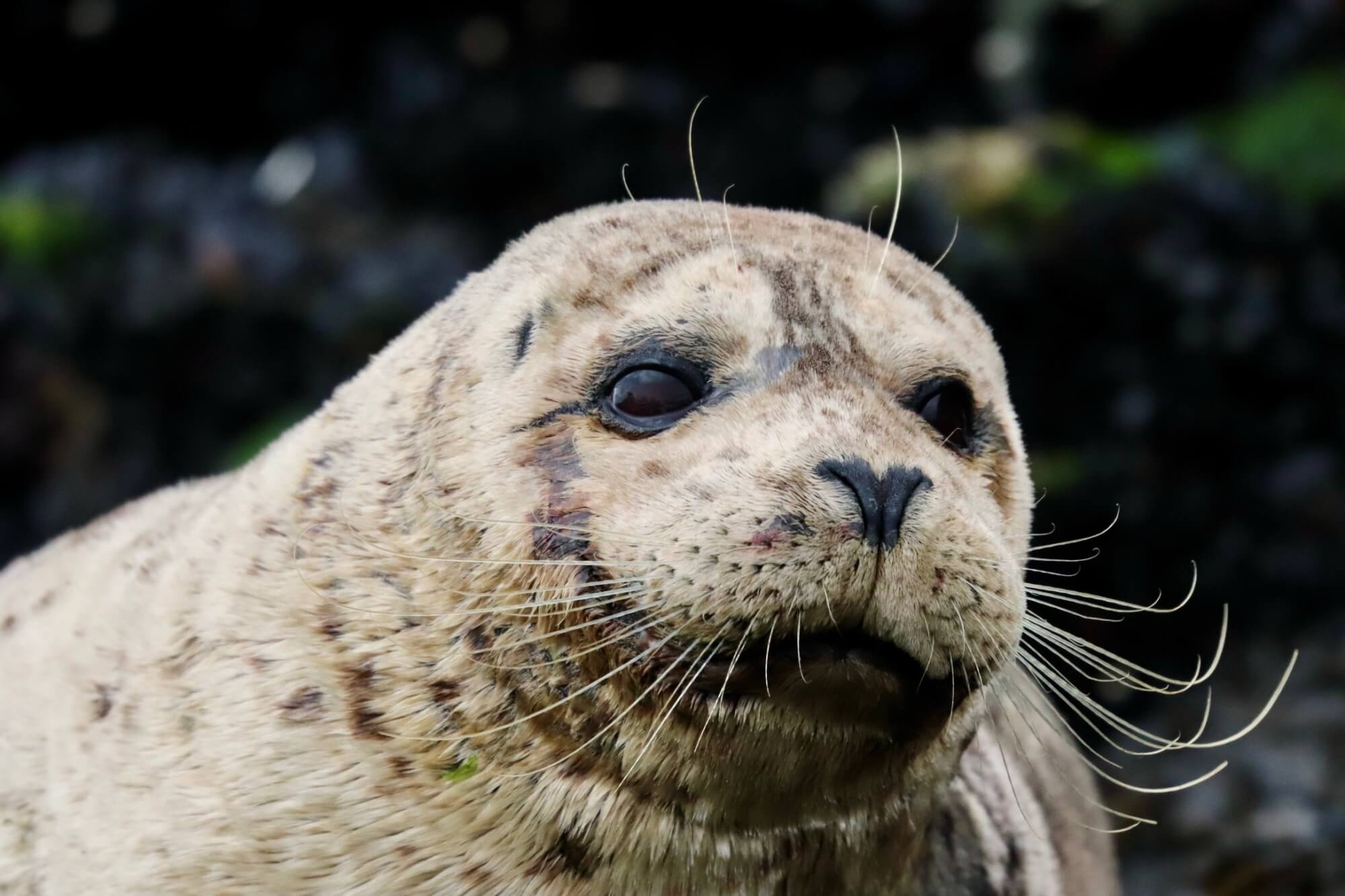
For example, we can be more mindful of our seafood consumption and choose the most ethical and sustainable products possible. Species that accumulate pollutants store them in their fat. If they don’t have enough to eat, they have to draw from their fat reserves, which releases the contaminants they’ve accumulated.
We can also be more careful about the chemicals we use at home by choosing products that aren’t overly harmful to the environment and avoiding herbicides and pesticides, since these end up in waterways, and eventually in the St. Lawrence and our oceans!
Above all, we shouldn’t underestimate the impact that informed consumers who refuse to play a part in or contribute to this pollution can have on the industry. Many brands are modifying their products and removing these “forever chemicals” in response to criticism from consumers who refuse to buy them.
What would you say to inspire our audience to get involved in scientific communication?
Scientific communicators play an incredibly important role. Anyone can get into it, not just researchers. Besides, researchers don’t always have the time; many of them are actually happy to see their work summarized for the general public.
There is a whole new wave of young researchers getting into scientific communication and incorporating it into their work! Many women have fascinating backgrounds, like Francesca Soster, who used to work in the textile industry and now studies bottlenose dolphins, or Leanne Rosser, a pianist who is working now with Pacific white-sided dolphins.
You learn so much; it’s always exciting. Scientific communication is especially important today, when information is easily accessible but not always of high quality, or is generated by artificial intelligence. If you have a bit of scientific curiosity, I would say, “Go for it!”
What are your current projects?
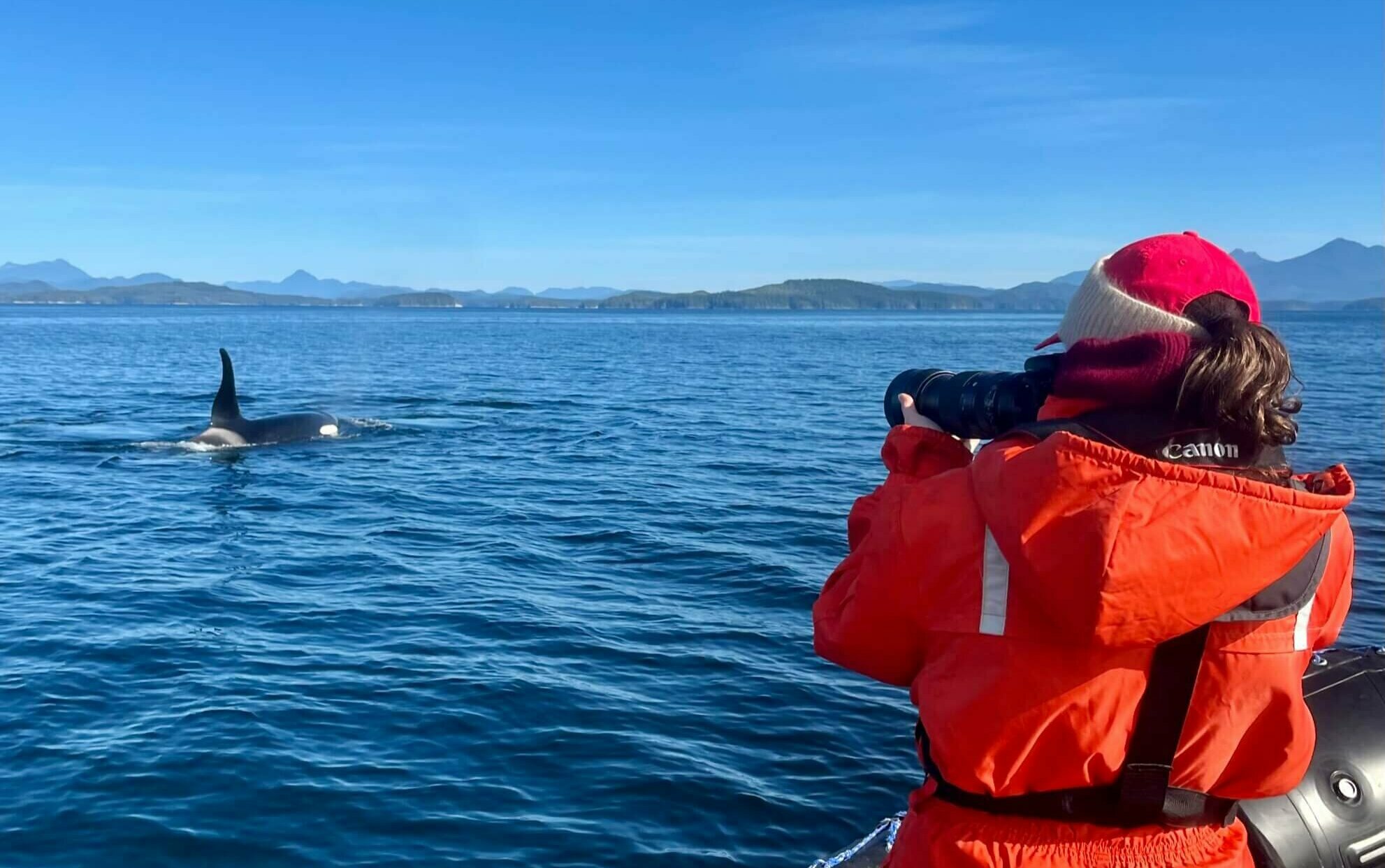
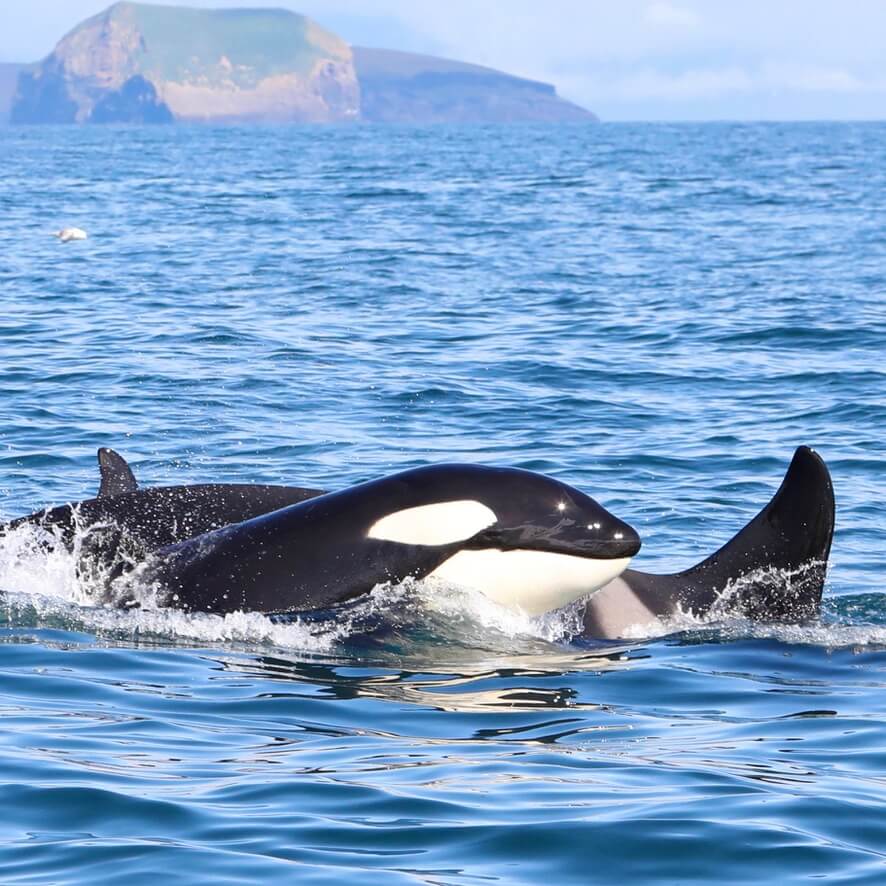
My main project right now is setting up the world’s largest study on the impact of contaminants on killer whales. I’ve collected samples from Canada’s West Coast, the Arctic, the North Atlantic (Norway, Iceland, Newfoundland), as well as the southern Indian Ocean, Antarctica, and the Antarctic Peninsula. This will allow me to quantify how these contaminants affect hormones (cortisol, stress, reproductive, metabolic) to demonstrate that contaminants are having an impact on orca health and that actions need to be taken.
A few closing words:
It’s important to build a network of kind, empathetic people and to constantly work on being more empathetic ourselves, because we’re all human, not robots. Marine mammals don’t belong to specific countries or recognize borders, so why should scientists be bound by such limitations? We need to build international connections, as we work with teams from all over the world.
Diving a little deeper:

Thalia Cohen Bacry
Thalia Cohen Bacry is a science writer for the GREMM, having previously worked as a naturalist in 2023. A UBC graduate, she completed a master's degree in international studies at the Université Laval and is continuing her learning in several fields, including geography, political science and animal behavior. Passionate about environmental protection, she grew up in Savoie, surrounded by lakes and mountains, before immigrating to Canada and discovering even bigger and wilder spaces. Intrepid, curious and persevering, she loves to learn, observe and analyze in order to raise awareness about protecting our oceans.
Recommended articles
Collisions in the Saguenay—St. Lawrence Marine Park (part 1/2)
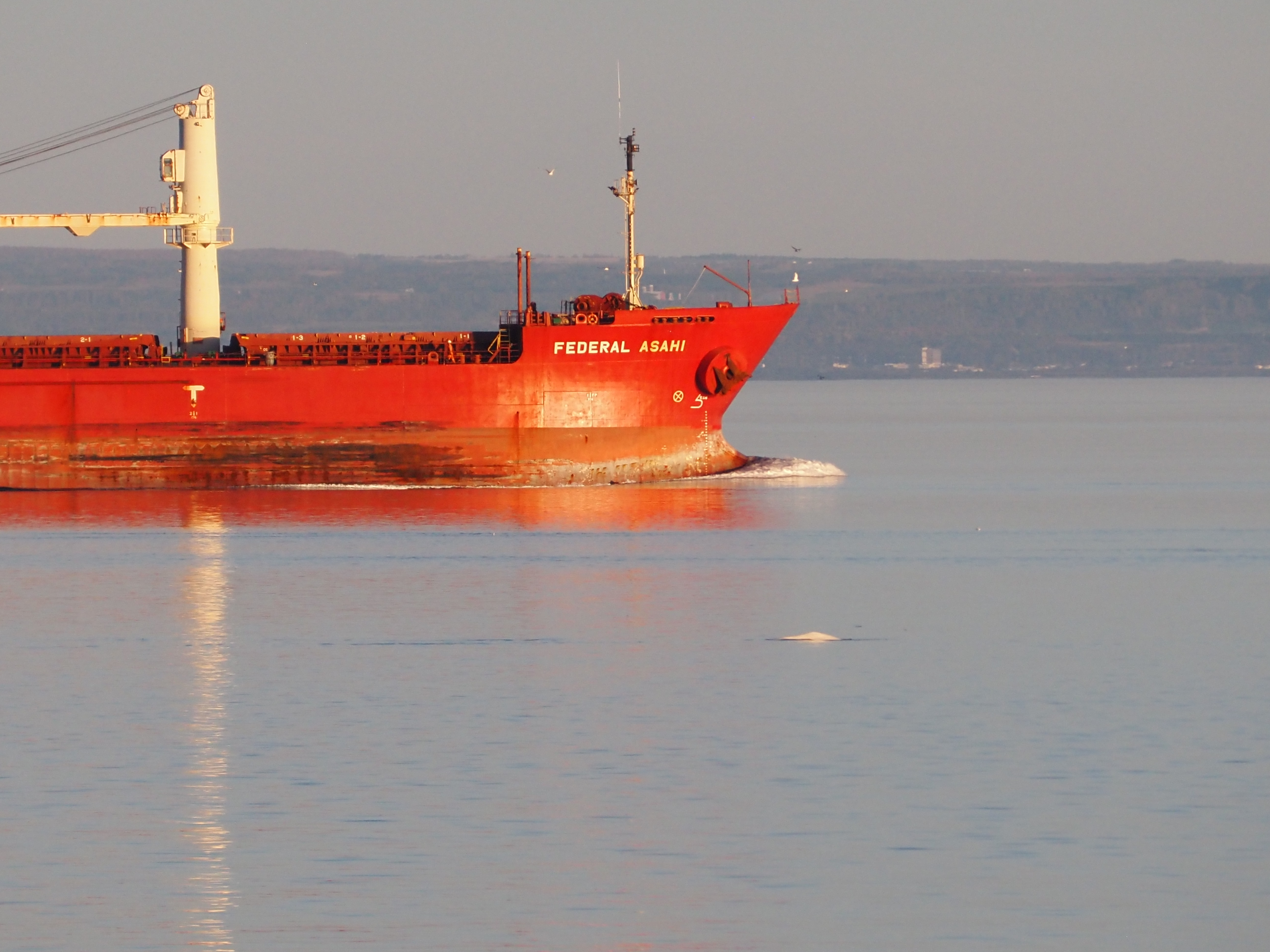
Collisions are a major challenge in the recovery and protection of cetacean populations around the world. In the Saguenay–St. Lawrence…

Sous la surface, with Christophe Ronveaux
Christophe Ronveaux is a biologist with the Mingan Island Cetacean Study (MICS). MICS mainly studies five species of large cetaceans:…
Amidst the Hum of the Engines
Around the clock, aquatic environments are naturally filled with a slew of different sounds: rain, waves, wind, swimming fish, stones…