
The Hidden Superpowers of Whales

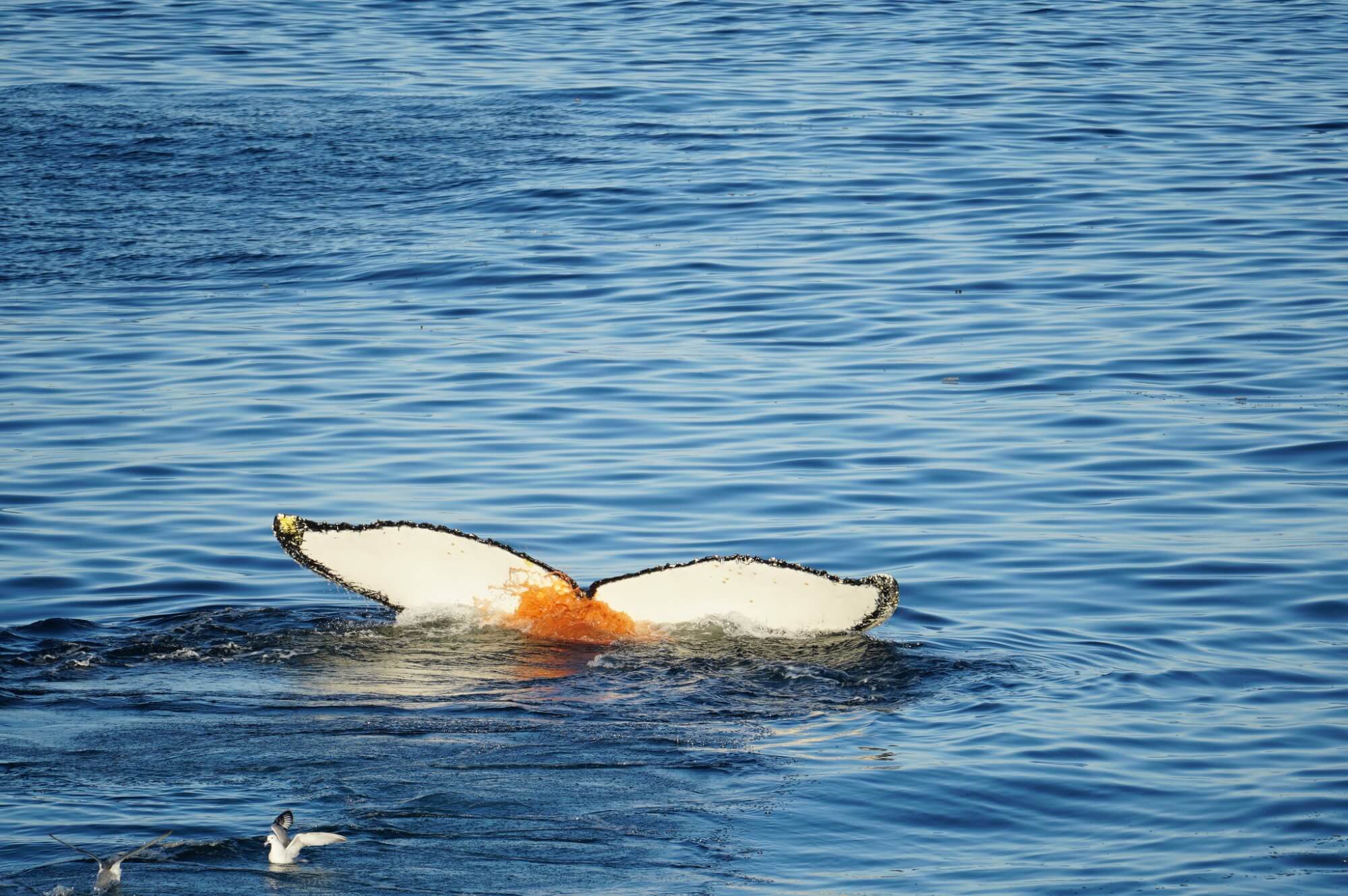
Whale excrement, in addition to being a sort of fertilizer for the oceans, is useful to scientists, providing insight into the physiology and living environments of these giants. Hats off to these true gardeners of the sea!
A colourful garden
It’s hard to ascertain what whales have been eating simply by observing them, as they feed on all sorts of prey below the surface. However, by paying attention to the colour of their feces, researchers can determine what they’ve been eating!
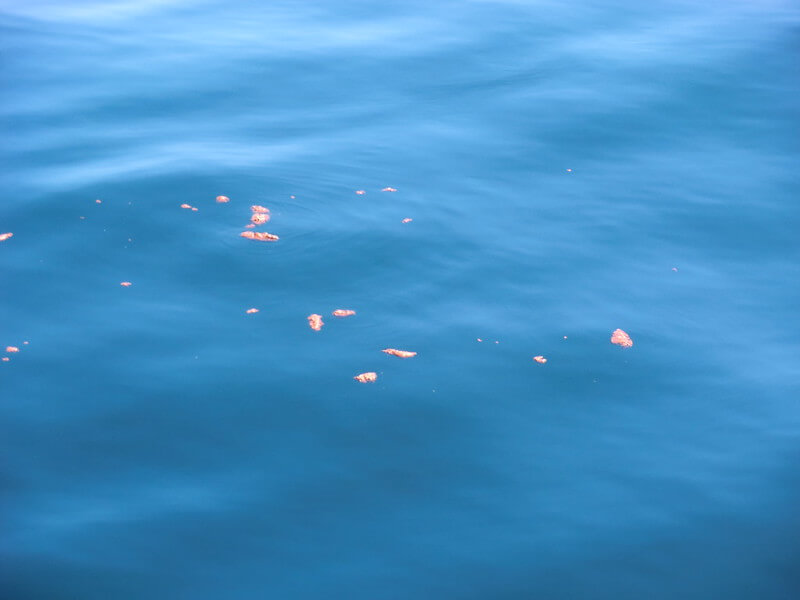
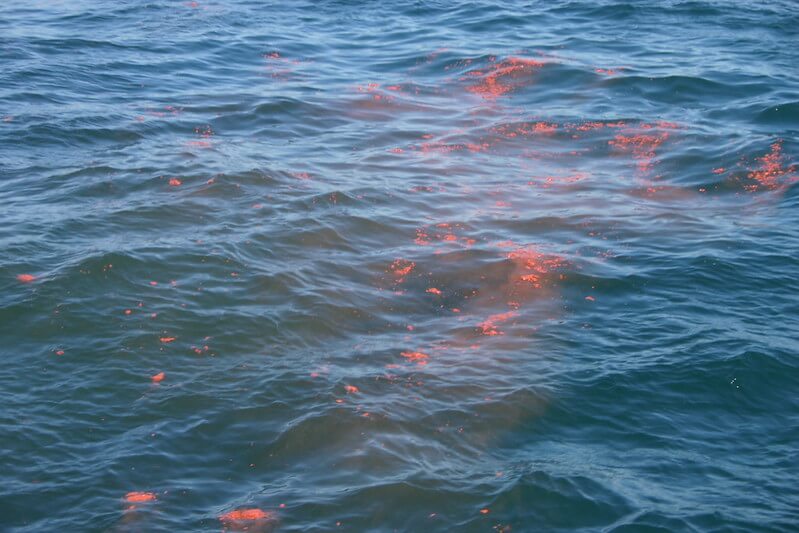
Red poo indicates that the whales have recently feasted on krill. The colour of these tiny crustaceans is due to the pigment in the algae that they prey upon. Darker, greyish, or even greenish-brown excrement indicates a predominantly fish-based diet. Whale feces can sometimes take on neon green hues or be speckled with fish scales! Depending on the species and its diet, excrement will also vary in consistency. In blue whales, for example, red excrement tends to float in clumps, while brown excrement generally sinks more quickly.
Whales with a green thumb... or should we say flipper!
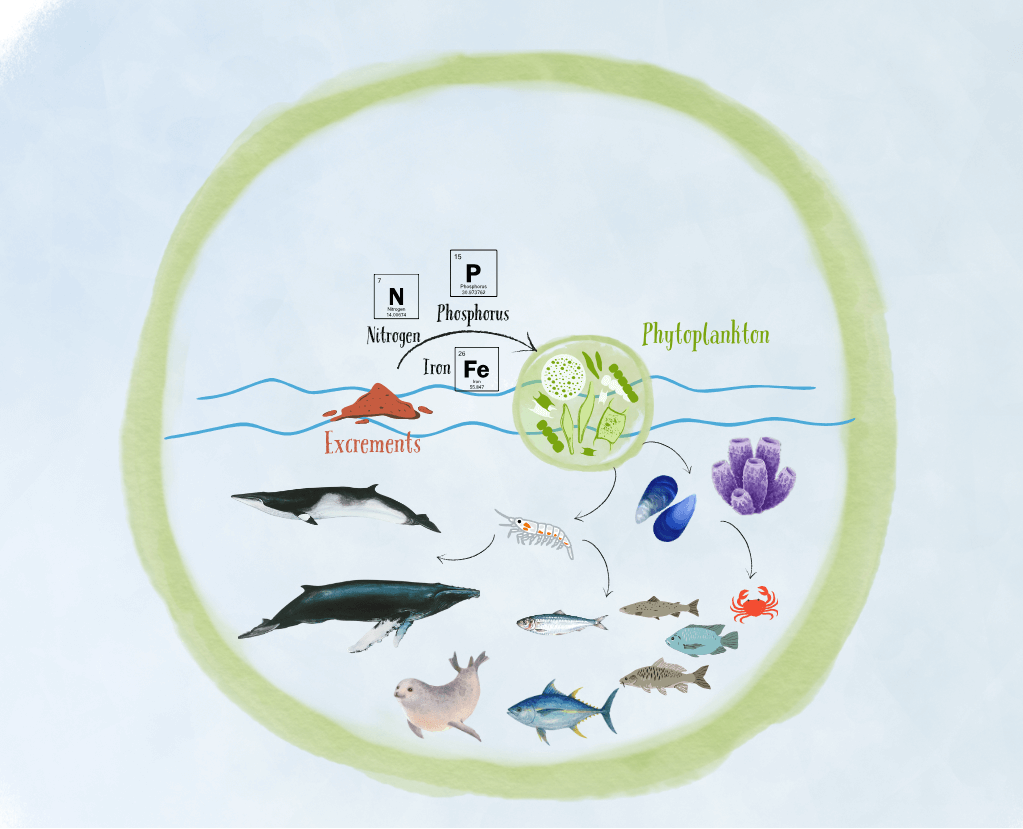
Whales play a crucial role in ecosystems. By defecating at the surface—where microscopic phytoplankton resides—whales release a wealth of nutrients. Rich in phosphorus, nitrogen, and iron, their excrement nourishes the phytoplankton, which in turn proliferates to feed the rest of the food chain: zooplankton and all its predators, including fish, squid, and seabirds.
Through photosynthesis, these miraculous algae are responsible for at least 50% of the oxygen production in our atmosphere, according to NASA. Some of the carbon absorbed by phytoplankton sinks to the seabed when the organisms die. Quickly covered by sediment, the carbon is sequestered. Carbon sequestration is an ecological mechanism that is all the more important given the climate crisis triggered in part by the vast amounts of carbon being released into the atmosphere.
In the Gulf of Maine alone, whales are believed to release 23,000 tonnes of nitrogen annually into surface waters. However, this nutrient cycle (article in French) is less efficient now than it was before intensive whaling. In their article “The Whale Pump: Marine Mammals Enhance Primary Productivity in a Coastal Basin,” Roman and McCarthy explain that the role of marine mammals within their ecosystems is constrained by the fact that these are “remnant populations, drastically reduced by commercial exploitation, incidental mortality, and habitat destruction.” This is in addition to the many species that are now extinct or extirpated in certain regions, such as walruses in the Gulf of St. Lawrence and grey whales in the Atlantic. Protecting whales is also about preserving the oceans!
The invisible superpower
According to a study published this year in Nature Communications, the urine of baleen whales also plays a major role in the redistribution of nutrients in the oceans! In summer, baleen whales feed in the cold, nutrient-rich waters of subpolar regions and reproduce or give birth in winter in tropical regions, where nutrients are less abundant. Nutrients are transported by cetaceans between these regions by means of their excrement and… their urine!
In winter, baleen whales stop feeding almost entirely and produce very little fecal matter. During this season, they rely primarily on their fat reserves to survive. The process of converting fat and protein into energy generates urea. The latter is a source of nitrogen and phosphorus, two elements that enrich ecosystems by nourishing phytoplankton. Urine comes to the rescue by irrigating warm waters, which then become veritable tropical oases!
This waste has a funnel effect. In other words, these migratory whales feed over expansive swathes of icy waters and gather in smaller areas near the Equator for reproduction and calving. This phenomenon concentrates nutrients in specific locations, resulting in rich ecosystems in an otherwise nutrient-poor environment.

Urine is not the only way in which baleen whales enrich these tropical environments. Other sources include the excrement produced by calves (during their growth period, they drink incredible quantities of milk), placentas released after calving, and whale carcasses. Nevertheless, of all these, urine is the richest in nitrogen!
Small whale... big impact!
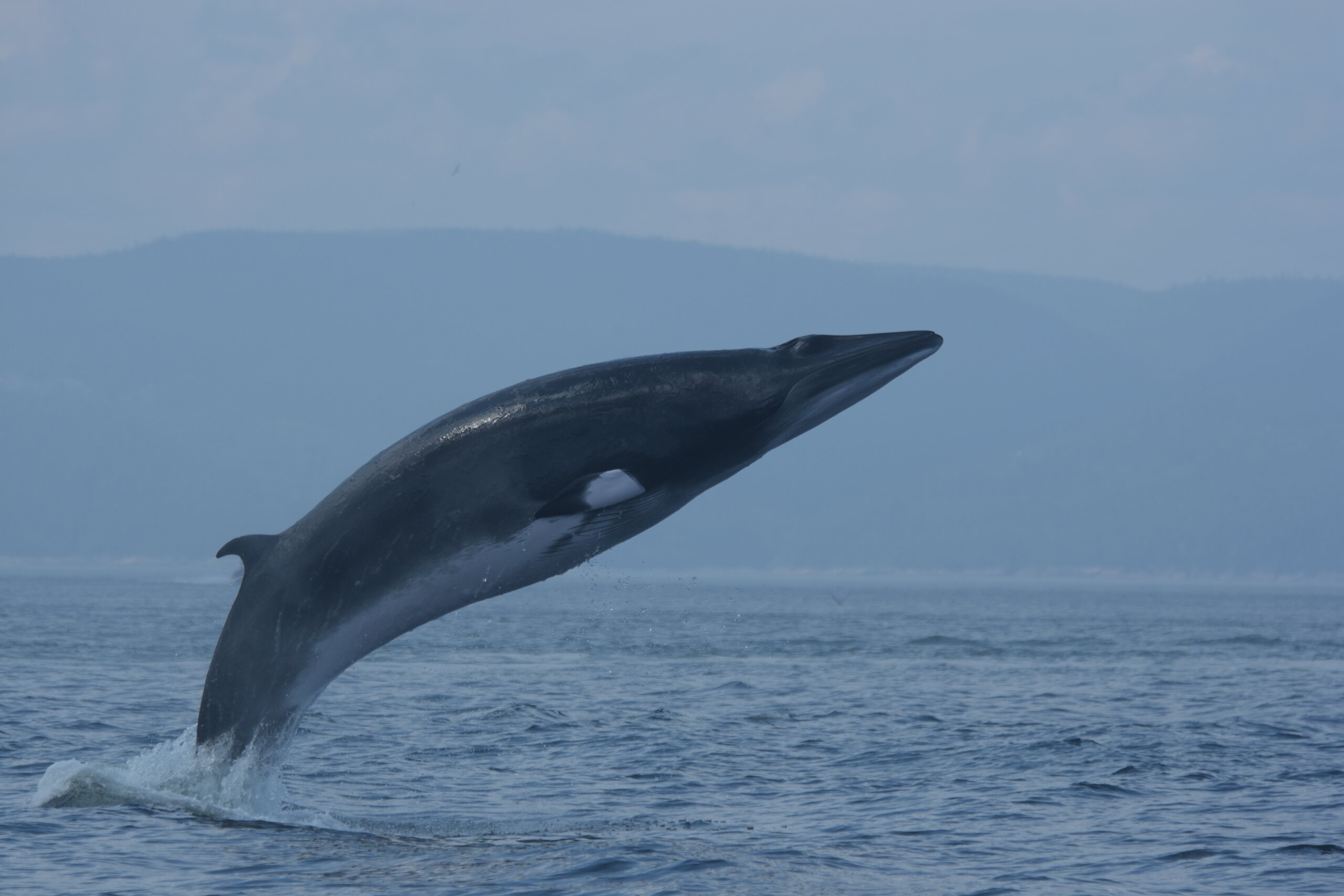
When feeding, a minke whale can produce up to 40 kilos of feces per day. According to one study, the population of 15,000 minke whales in the Svalbard region defecates up to 600 tonnes of excrement a day (or 10 tonnes of phosphorus and 7 tonnes of nitrogen every summer), thereby contributing between 0.2 and 4% of the daily phytoplankton production in the area!
A tool for science
Collecting whale excrement might not be glamorous, but it’s not the most difficult way to collect data! Compared to other techniques such as biopsies, this approach has the advantage of being less complicated, inexpensive, and non-invasive. The amount of time whales spend at the surface is limited, unlike their excrement, which remains afloat long after the animals have disappeared. Moreover, this excrement provides a wealth of information.
By extracting DNA from whale excrement, scientists can determine the genetic sequences of the prey consumed and reconstruct the species breakdown of the animals’ diets. This gives us insight into all sorts of questions. For example, what kinds of fish does this population of killer whales prey upon? Are southern right whales in good health?
Fecal matter also allows us to learn more about genes, gut microbiota, hormones (Is the whale stressed or pregnant?), as well as the levels of contaminants and pollution in the ocean.
The hormones progesterone and testosterone are studied for clues related to reproduction and gestation. The feces of pregnant cetaceans as well as pinnipeds contain high levels of progesterone. The hormones cortisol and corticosterone provide insight into stress levels. Thyroid hormones, on the other hand, allow scientists to evaluate growth and metabolism. By collecting their excrement, scientists have discovered that North Atlantic right whales have been experiencing high levels of stress due to noise pollution from maritime traffic, amongst other factors.

Scientists can also create a genetic profile of whales based on their excrement. DNA analysis of 61 different whales has shed light on their reproductive status, stress levels, the presence of parasites, and their exposure to marine biotoxins! Thus, whale feces helps us compile a database and reconstruct the life history of individuals, supplement information on the species’ demographics, and account for individuals that pass under the radar during the photo-identification process! This new method is particularly useful for collecting these data from living individuals and not just carcasses. Analyzing excrement also allows scientists to pinpoint the species when the animal that provided this ocean muck is unknown!
Understanding the impact of humans
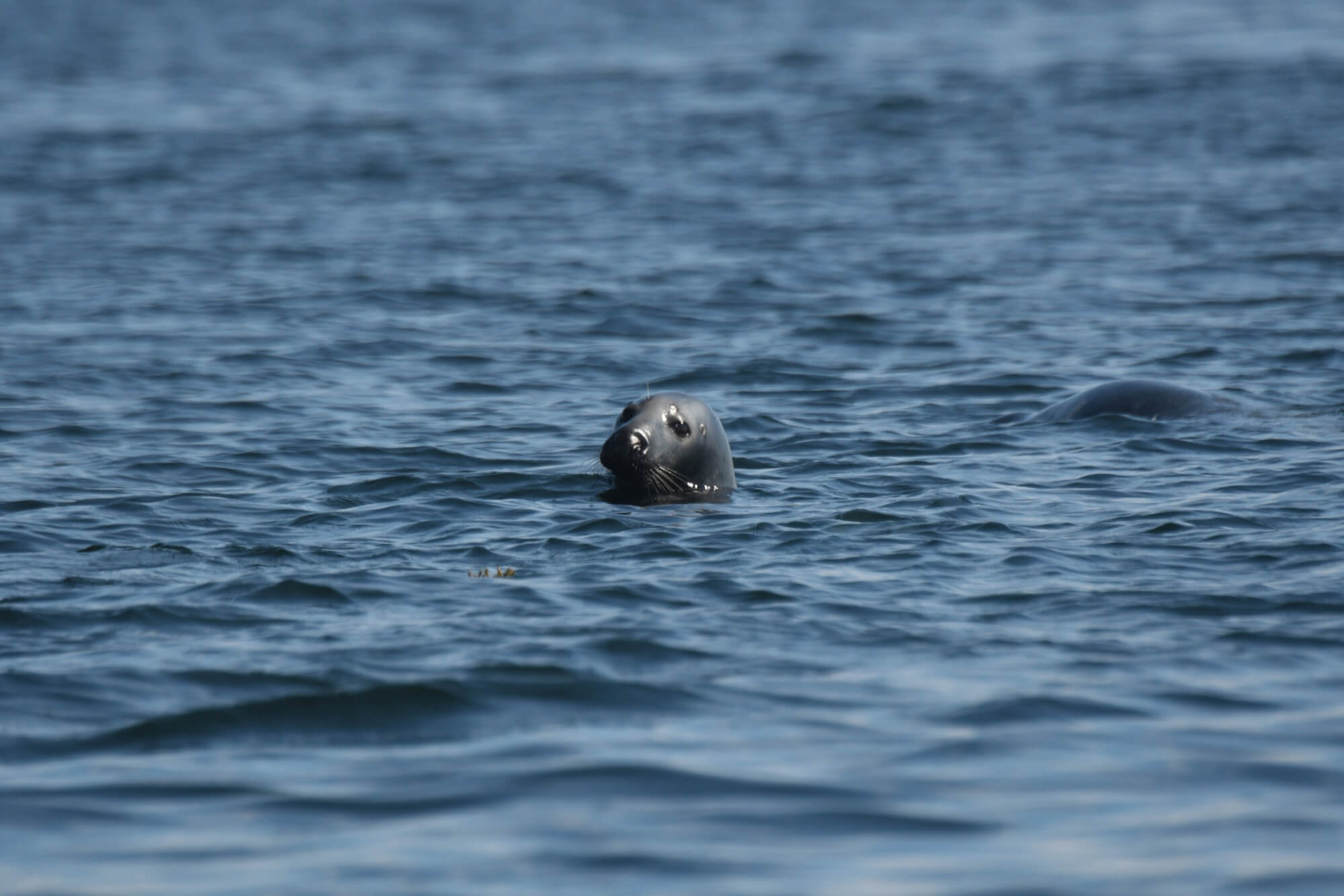
Collecting grey seal excrement has allowed scientists to learn more about the microplastics ingested in this mammal’s diet. The data are less biased since researchers are not taking samples from carcasses, which represent potentially unhealthy individuals that may not have been able to feed normally prior to perishing. Marine mammal feces are a real treasure trove for science!
Should whale populations ever recover, their influence on ecosystems would be significant. More whales in our waters means a healthier, more vibrant marine ecosystem!
Written by Lily de Cotret and Thalia Cohen Bacry
To learn more:

Équipe Baleines en direct
Recommended articles

How’s the St. Lawrence doing?
Rising water temperatures, acidification, dwindling ice cover, plastic and chemical contaminants… The changes currently taking place in the St. Lawrence…
Low Numbers of Large Rorquals in the Saguenay–St. Lawrence Marine Park in 2025: Exception, or the New Norm? – Part Two
Between mid-June and mid-September, as part of its annual large rorqual census in the Saguenay–St. Lawrence Marine Park, GREMM’s Large…
Low Numbers of Large Rorquals in the Saguenay–St. Lawrence Marine Park in 2025: Exception, or the New Norm? – Part 1
Between August 6 and 17, no large rorquals were observed in the Saguenay–St. Lawrence Marine Park. This may not be…