
BpJAM in Action: A Preparation as Massive as the Animals Being Studied!

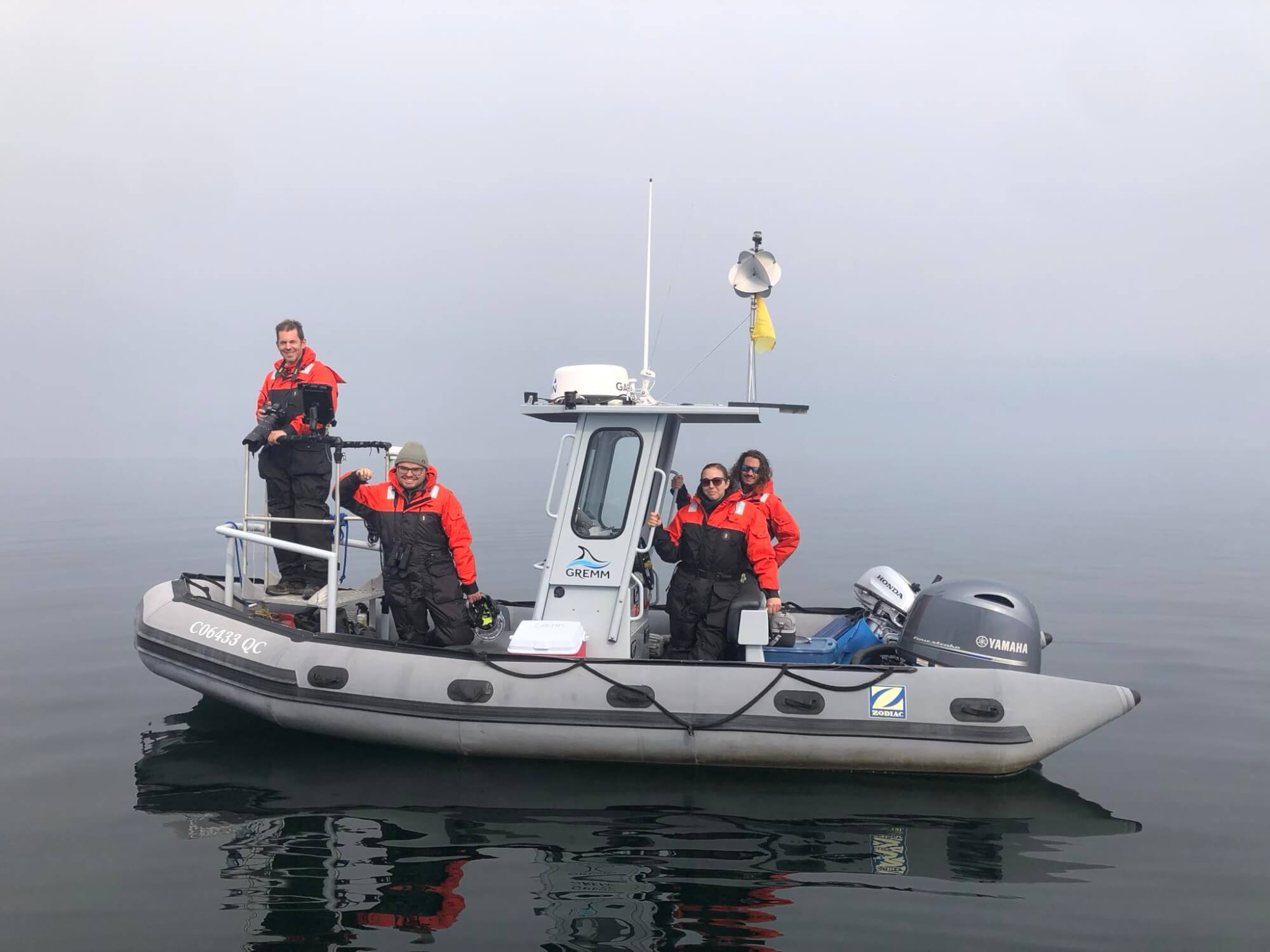
Several weeks ago, when I was asked to author a report about an outing on the BpJAM, one of GREMM’s research vessels, I wondered how to present the team’s whale observations in an engaging way. But after four consecutive cancellations due to unfavourable sea conditions, my inspiration came from elsewhere: What if I wrote about the ideal conditions for going out on the water?
In this article, I’ll explain how everything needs to fall into place in order for GREMM’s Large Rorqual Monitoring Program team to pull off a successful outing. Sometimes, even in challenging conditions, you need to expect the unexpected!
First of all: What exactly is this monitoring program?
This monitoring focuses on large rorqual populations in the St. Lawrence Estuary, namelyhumpback, blue and fin whales, and is carried out in parallel to similar projects, such as the ones conducted by MICS. The presence (or absence) of these marine mammals has been tracked since the mid-1980s. This process yields a treasure trove of data that are used for monitoring the status of different whale populations, such as the number of individuals and their approximate location in the estuary.
GREMM uses horizontal photographs for photo-identification, which consists of identifying distinctive features in certain individuals to determine their identity. Since 2018, aerial photos and videos of these enormous marine mammals have also been taken by drone. If the sea is calm and the animals are visible through the clear water, the photos can be used for both photo-identification and photogrammetry!
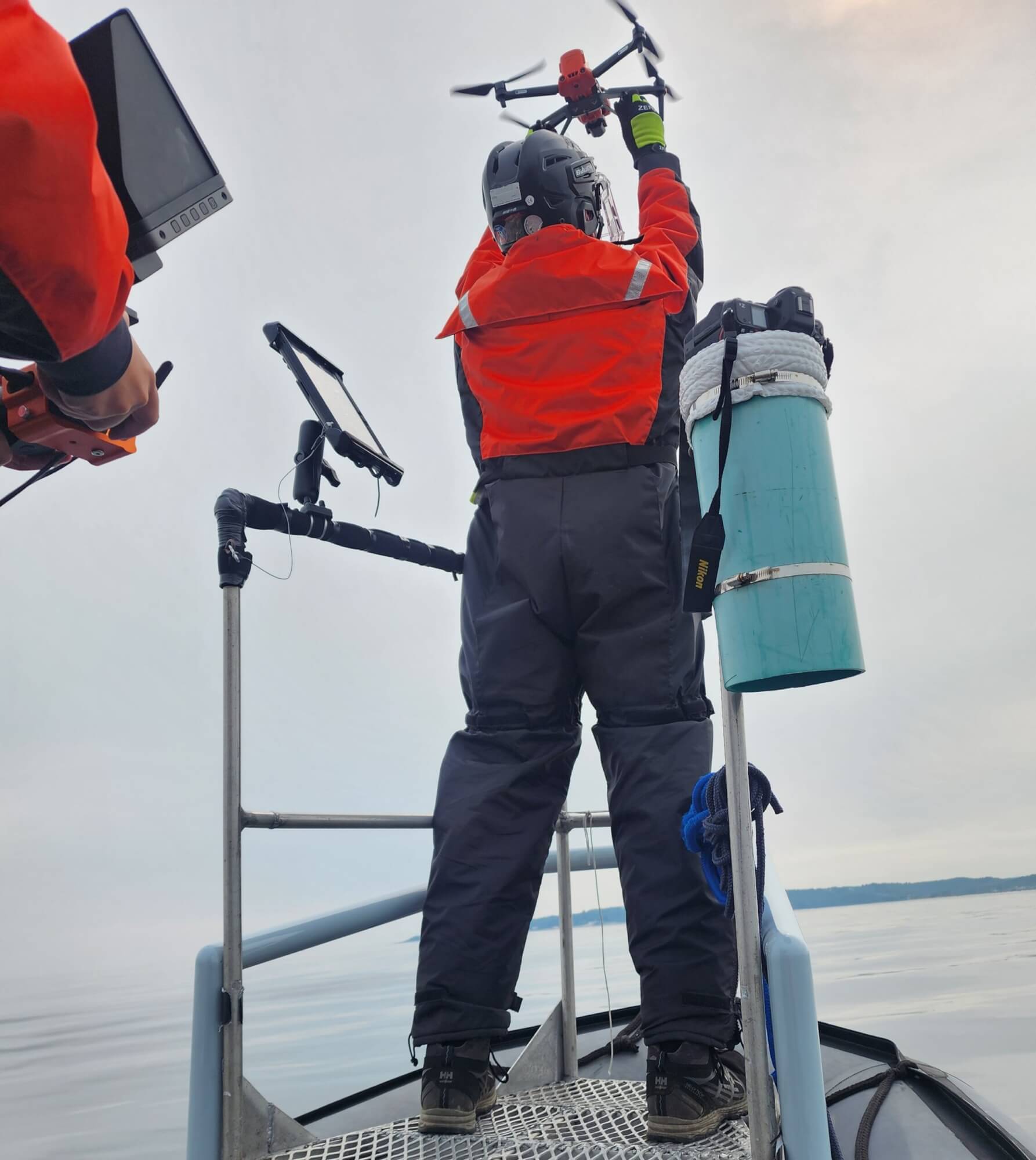
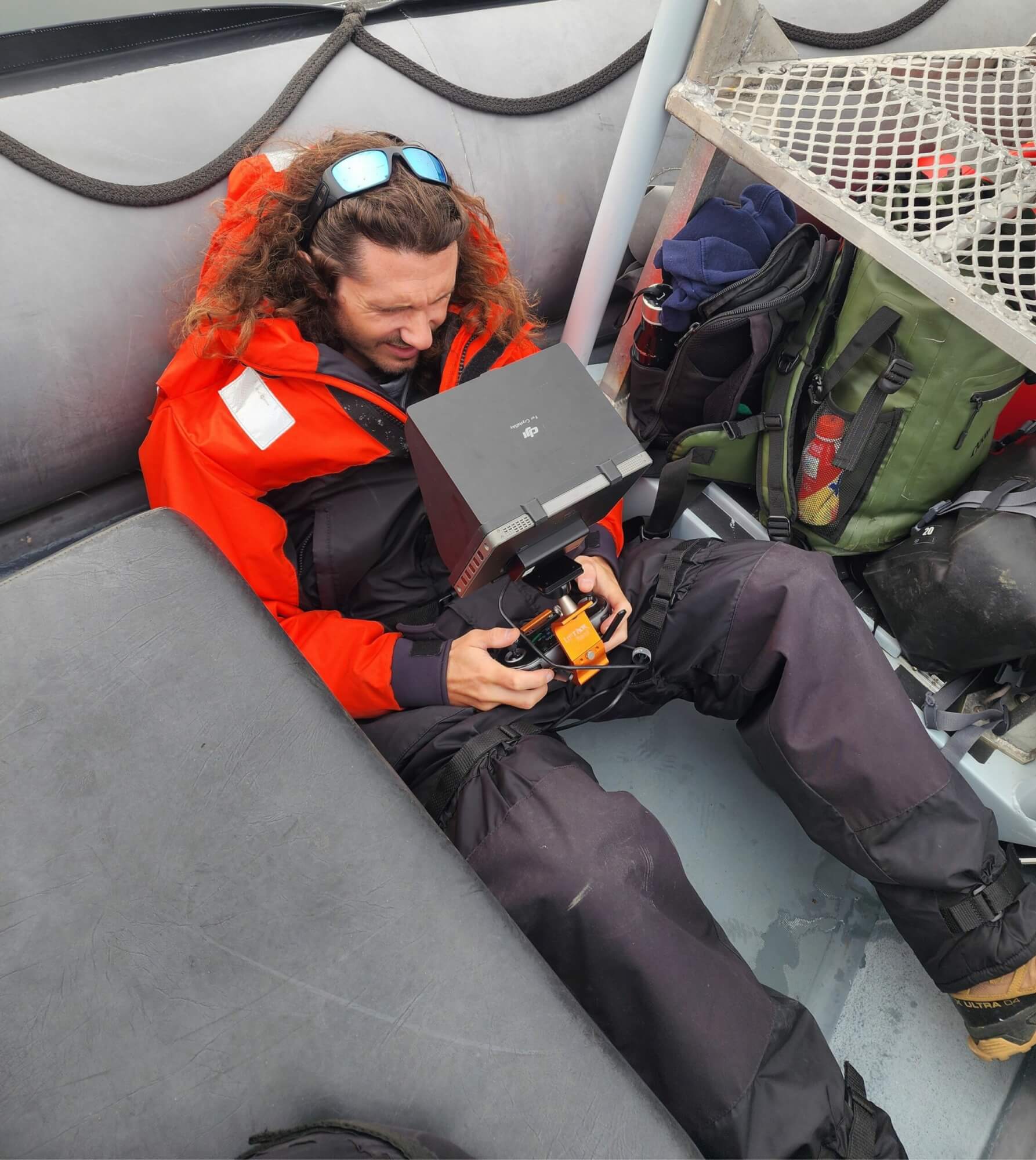
On a typical day, scans are taken of 14 GPS points distributed across the estuary. Specific parameters are collected with each scan: wind, waves, visibility, presence of other boats, etc. Simultaneously, a 10-minute search for whales begins, binoculars in hand and ears on alert. If an individual shows its blowhole or dorsal fin, the drone is launched almost immediately while the team steers the BpJAM to capture horizontal photos.
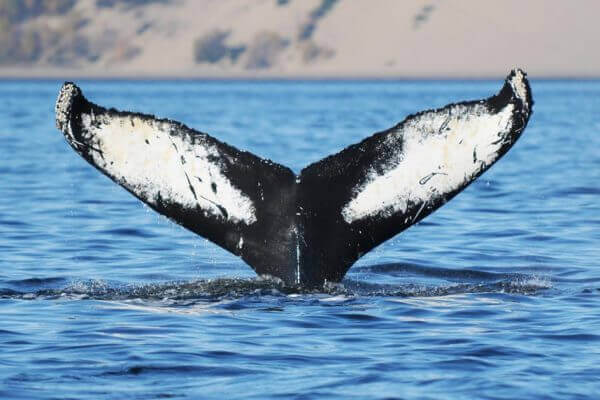
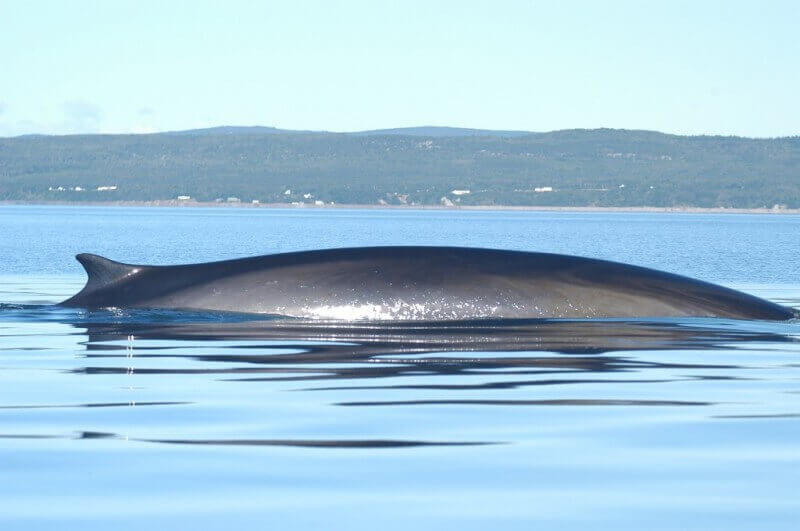
In nine hours on the water, the team saw two individuals: Gaspar (H626), recognizable by her single tail fluke, and a fin whale (Bp959) that was identified afterwards. © GREMM
Perfect conditions for an outing on the BpJAM
The outing was scheduled for around 6 in the morning on July 28, 2025, but we didn’t board until around 10, having had to first wait for the fog to lift over the St. Lawrence.
The day before, at around 3 in the afternoon, when Environment Canada updated its marine weather forecast for the St. Lawrence, preparations were already underway for Laurence Tremblay, GREMM’s research assistant in charge of coordinating this outing. That day, she was the one who had to determine whether or not the crew might be able to venture out the next day. It’s essential to inform everyone who will be going out before 7 p.m. so they can get a good night’s rest before waking up at the crack of dawn! The trip requires a minimum of three people, but oftentimes a fourth person is invited… in this case me!
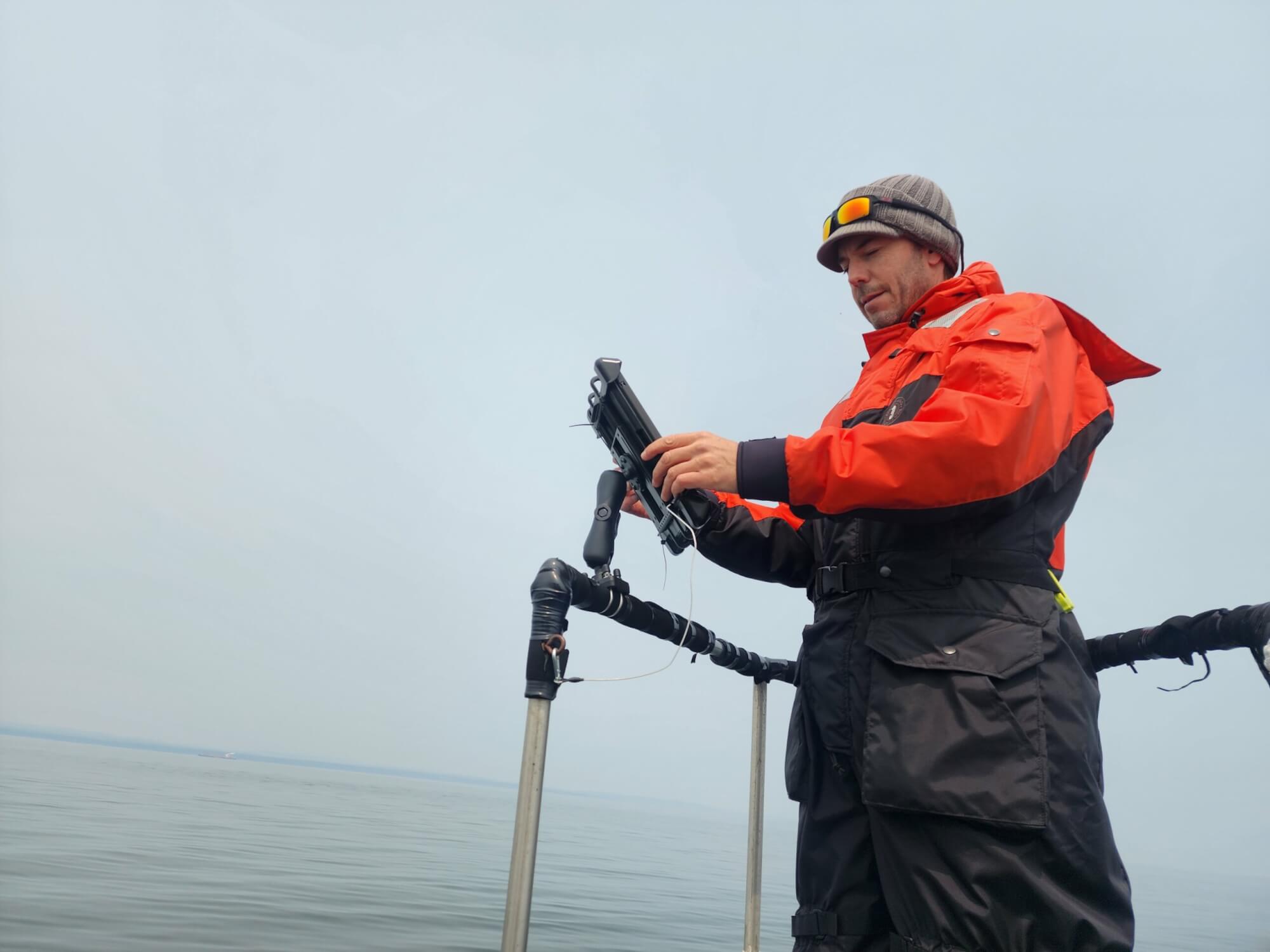
The equipment needed for the day must also be prepared and checked. Numerous electronic devices must be fully charged. After all, a drone or camera without a battery is useless! And let’s not forget the iPad for data entry, a voice recorder, the drone remote, fuel in the boat… Organization is key! Enough food to last the day also needs to be prepared. If the whales are cooperative, it’s not uncommon for the team to spend 12 hours on the water! On these long days, preparations for the next day’s trip are done right on the boat.
Before even leaving home, everyone checks their messages. 6 a.m.: too much fog… Let’s wait till 7. At 7, Laurence heads to the Tadoussac dunes (article in French) for a better view of the river: still too much fog; let’s check back again in 30 minutes. All this back-and-forth continued until about 10, when we finally decided to take a chance and head out. A mid-morning departure wasn’t ideal because it inevitably meant the day would end later than planned… And I should remind you that the team has been up since 5:30!
Why so many cancellations?
Several factors must coincide for an outing to take place. But ultimately, it’s Mother Nature who has the final say!
If it’s raining, we can’t fly the drone without damaging it, and the photos will be of lower quality. And let’s not even get started on the risks of being on the water during a thunderstorm…
If it’s too windy, we can’t fly the drone without adding to the risk of injury to the person responsible for takeoffs and landings. The interaction between the winds and the powerful currents of the St. Lawrence River also creates short, choppy waves that make the photographer unsteady and the photos potentially blurry!
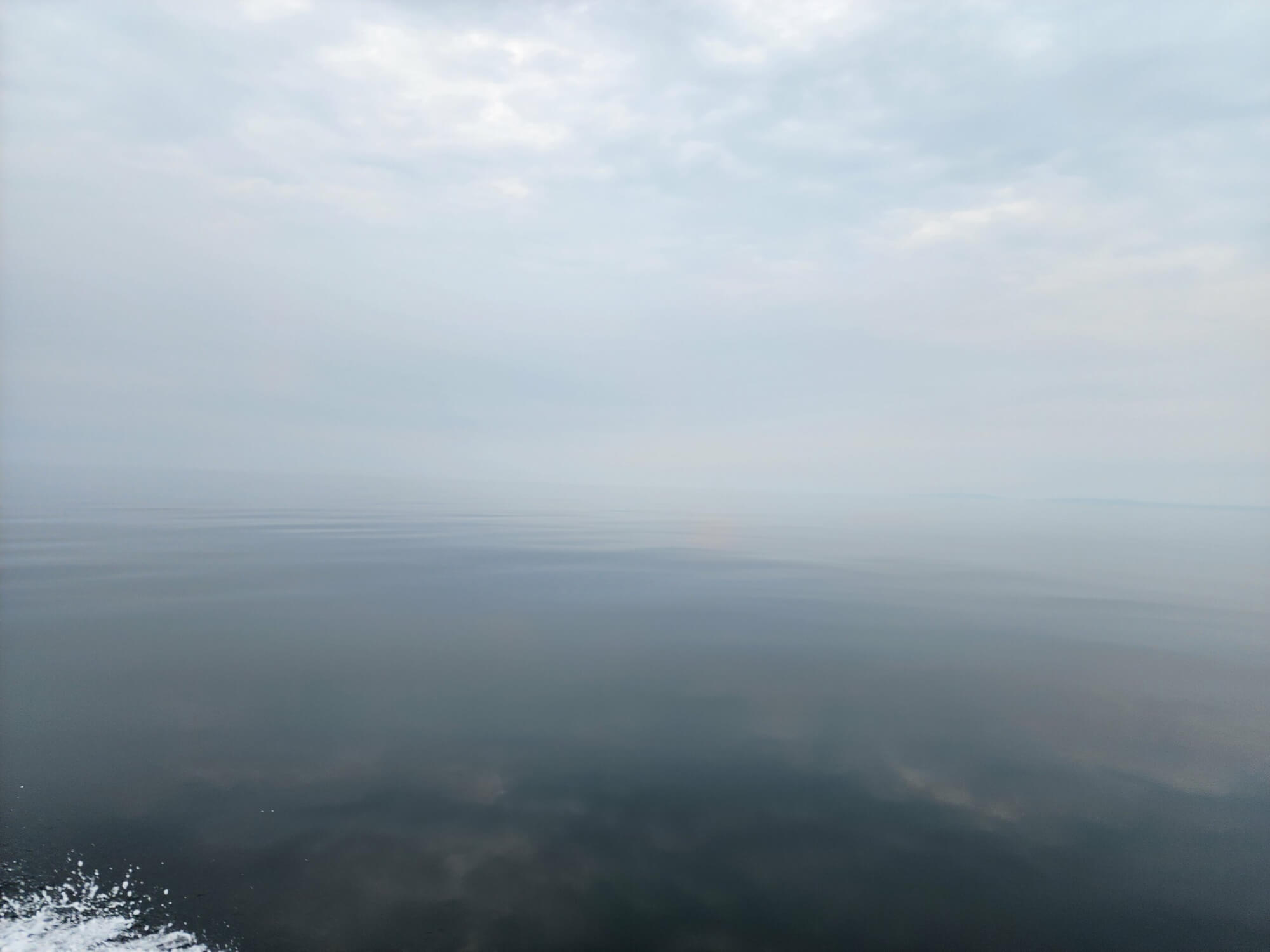
In summer, the warm air blowing in from the St. Lawrence Valley combined with the cooler water of the river can create a real fog machine. Going out on a small vessel like the BpJAM becomes more difficult, as tree trunks and other floating debris are harder to spot. Small craft like kayaks don’t show up well on radar and also increase the risk of collision. Not to mention that spotting and photographing minke whales will be much harder!
Even once we’re on the water, it’s not all smooth sailing!
Weather conditions are good, the team is mobilized, and the equipment is ready. The St. Lawrence River stretches out in front of us, and we set course on our planned itinerary. The outing is sure to be a success, right? If only it were that simple!
Light can also influence the success of an outing! With the very grey skies that day, it was a challenge to find the focal point (the point where the image would be clearest) with the camera to take useful photos for our research. Identifying individuals by sight is possible when they are celebrities like Gaspar (H626), but for others, the images need clarity.
An equally obstacle-filled end to the day!
Back at the docks, we were finally able to return to the CIMM to pack up our gear, charge our batteries, and compile the day’s data. The whole team felt a sense of relief: The day was finally over.
Seeing the team in action provides a clearer understanding of GREMM’s research outings on the water. While results are essential for us to continue our mission of furthering our knowledge about these marine mammals and educating the public, many things must be in place to ensure the success of these trips and collect meaningful data. After a day like this, it might be tempting to rest, but the team will be back on the water the next day… weather permitting!

Benjamin Gagné
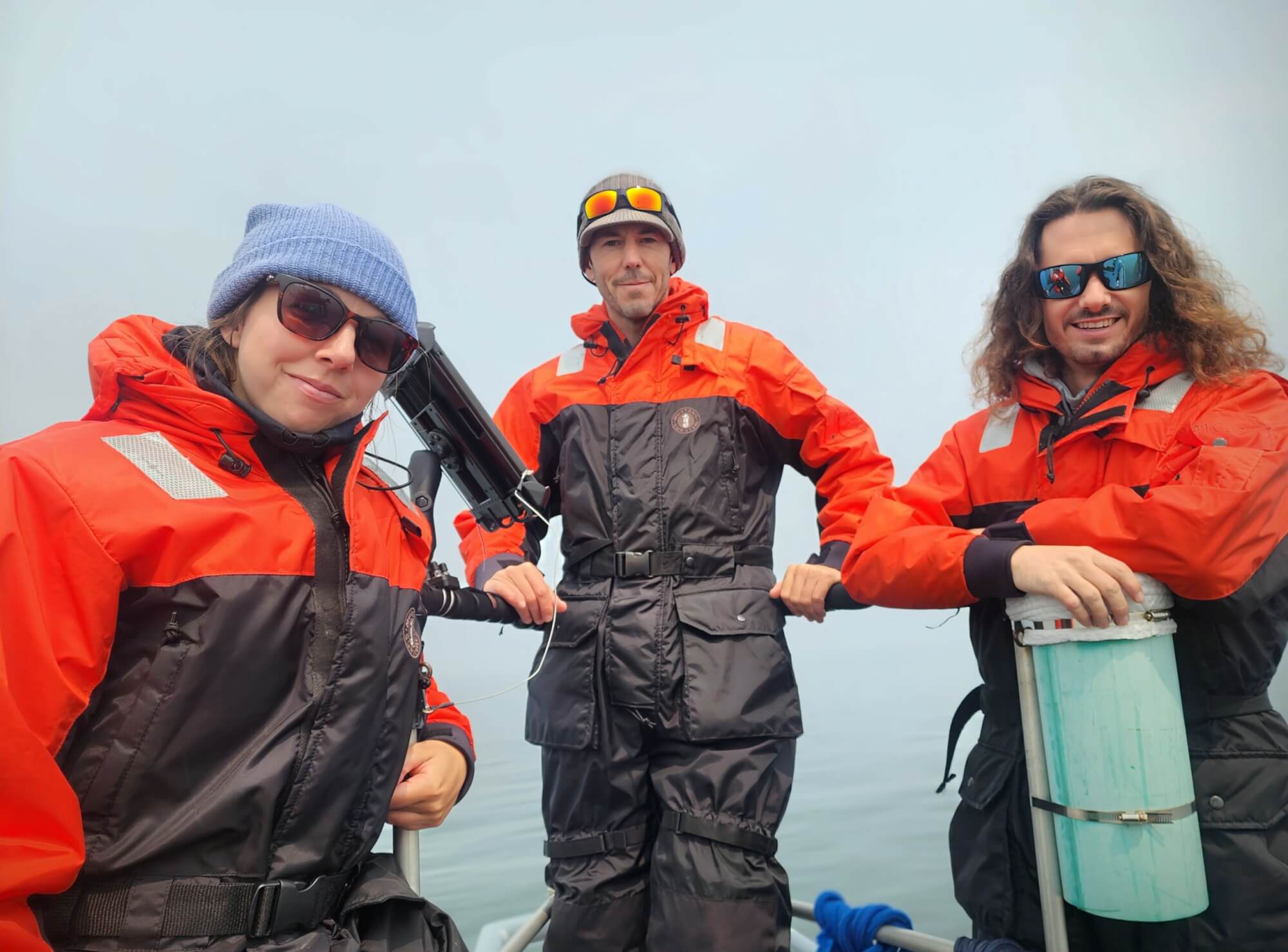
Benjamin Gagné joined the GREMM team as scientific editor during the 2025 summer season. Passionate about environmental communication and raising public awareness of climate change issues, he uses writing and graphic design to convey his love for natural environments and the life they harbor. Now a bachelor in environmental studies, he expects to continue deepening his understanding of human behavior at the master's level next fall.
Recommended articles
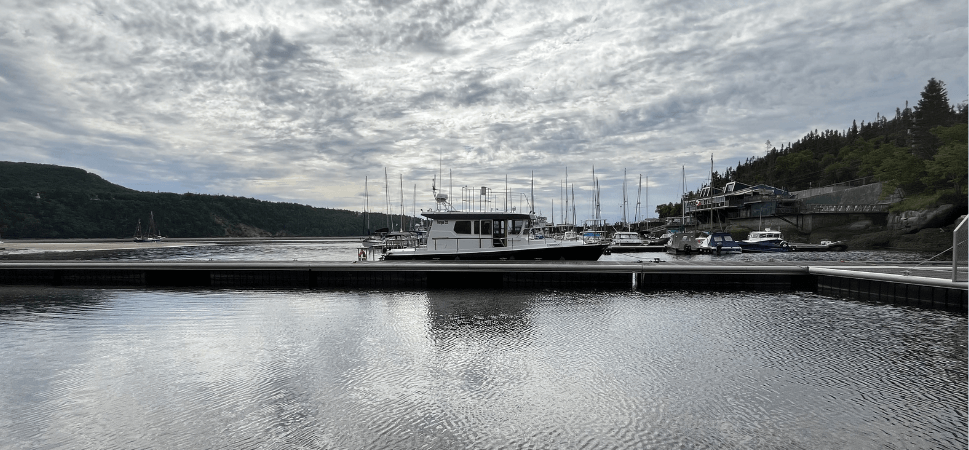
Over the years…
July 7, 2025: It’s early in the morning, and I'm waiting for news from the research team. Will weather conditions…
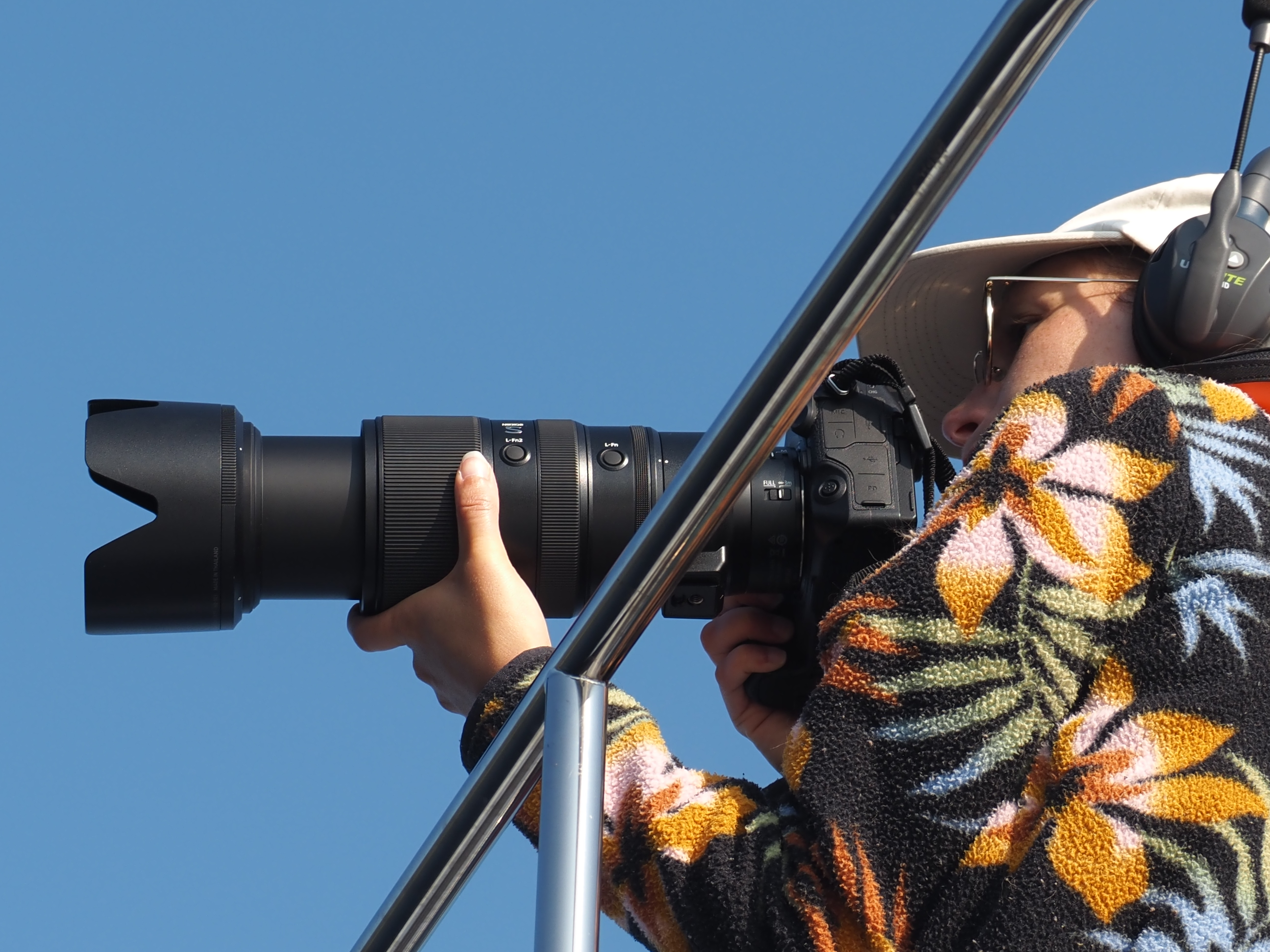
Beluga Monitoring Aboard Antarès
At the Tadoussac marina, the Group for Research and Education on Marine Mammals (GREMM) research team boards the boat at…
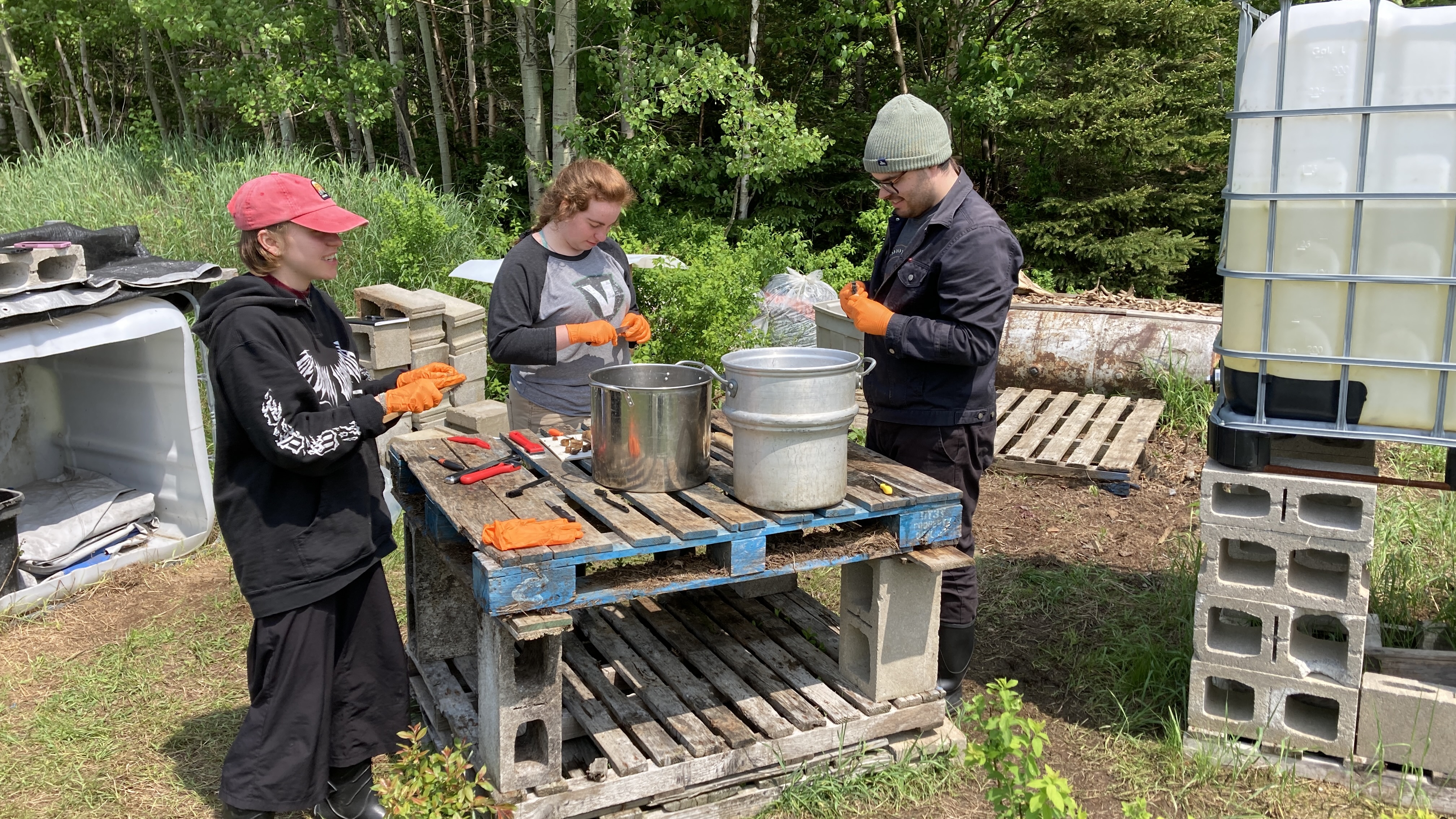
Cleaning skeletons: an expertise unlike any other!
June 11: The day didn’t begin aboard the Antarès or any of GREMM’s other boats, but rather in Michel Martin’s…