
Beneath the Surface, with Dr. Émilie L. Couture

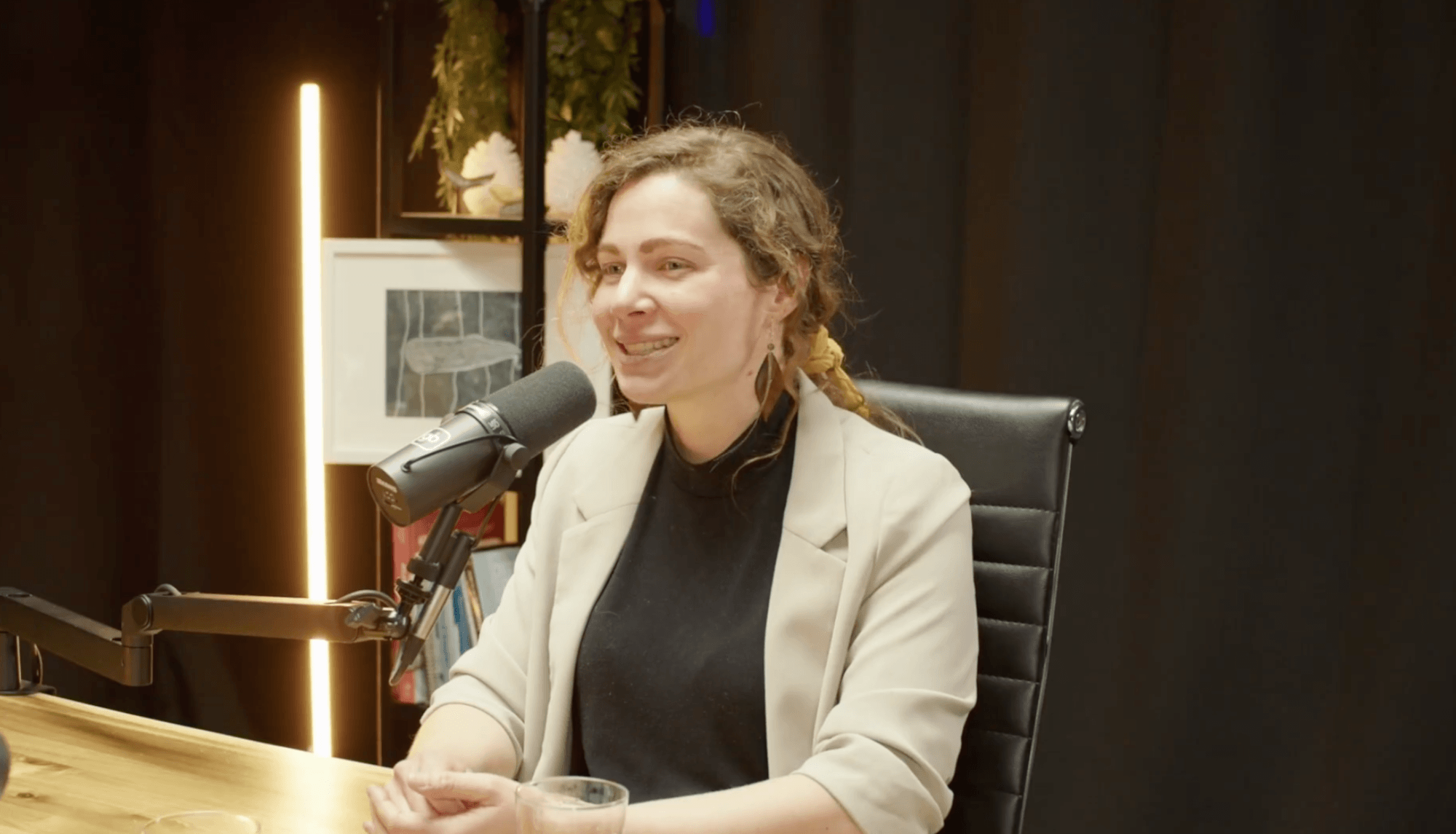
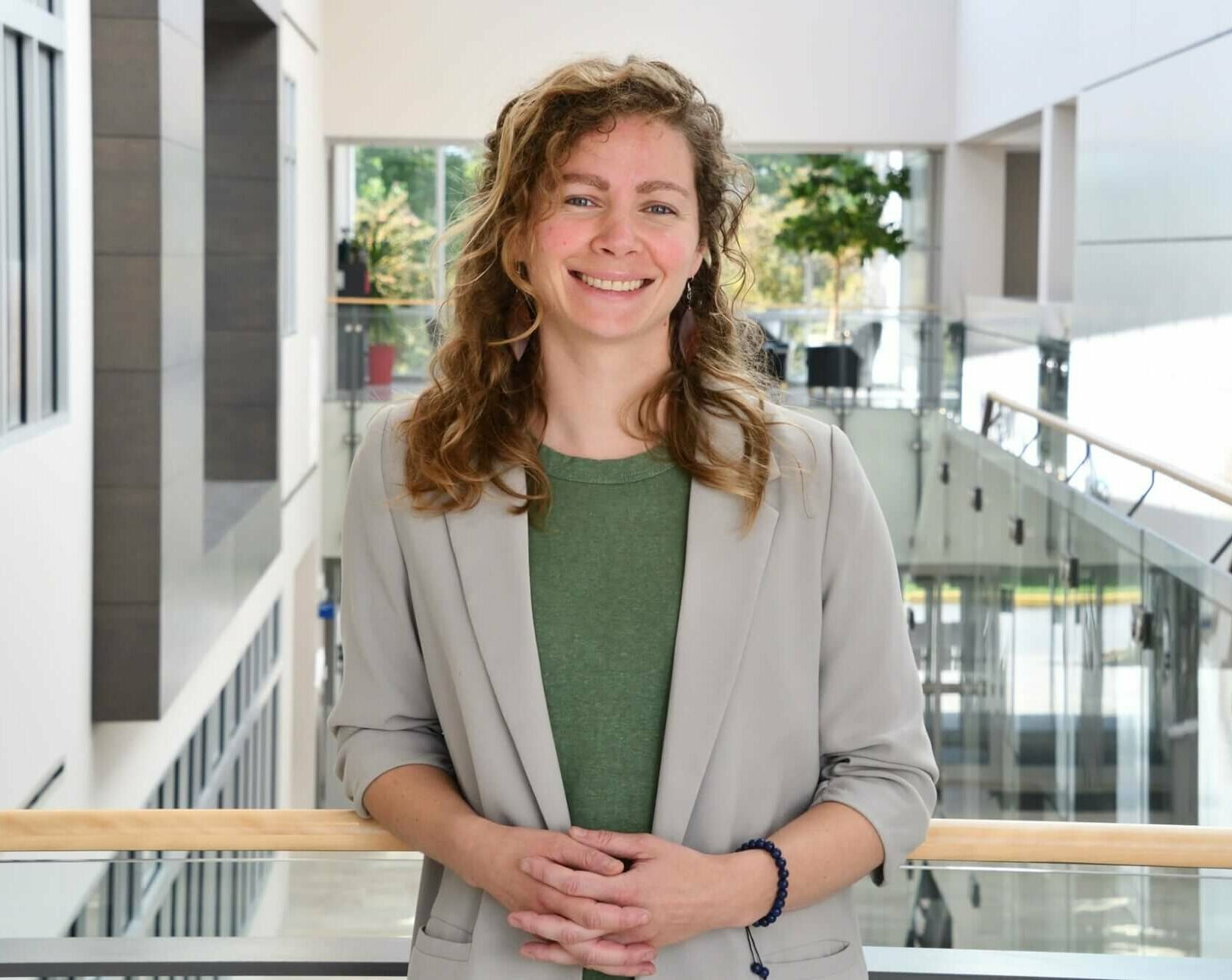
Dr. Émilie L. Couture (in French) is a specialized veterinarian and an assistant professor of wildlife health at Université de Montréal’s Faculty of Veterinary Medicine. As an expert in zoological medicine, she has worked with a wide range of animals throughout her career, including a stint as a zoo veterinarian.
A few interesting factoids:
- In school, Émilie was very fond of the arts and languages.
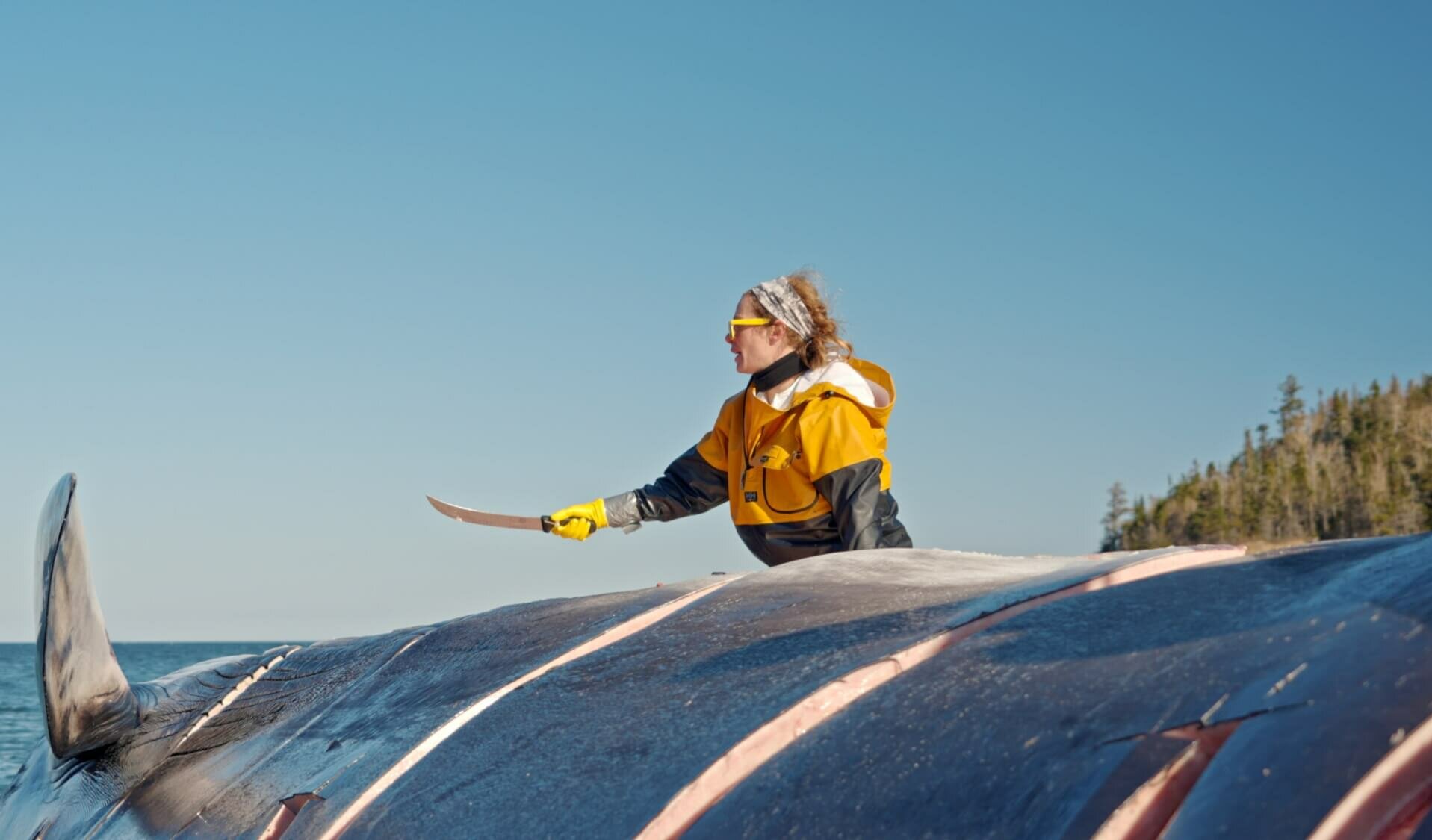
- The first whale she ever performed a necropsy on was a beluga! She was struck by the sheer size of the animal.
- She has taken part in the necropsies of North Atlantic right whales—including Piper in 2015 and several others in 2017, in addition to contributing to the summary report on these mortalities.
- The messiness and stench of carcasses no longer bother her—in fact, they help her appreciate her own little comforts all the more!
- Teamwork is essential in her line of work, i.e. collaborating with one’s colleagues rather than viewing them as competitors.
Tell us about your journey.
I completed a Diploma of College Studies (DCS) in Sciences, Letters, and Arts because I enjoy variety. I wasn’t entirely sure what I wanted to do. I’ve always had a wide array of interests—I loved architecture and art history—but, like many people, I’ve long been drawn to animals. I began my university studies in biology at the Université de Sherbrooke, after which I shifted my focus toward microbiology, bacteriology, and biotechnology. However, I couldn’t see myself in that field in the long term. I think I simply hadn’t asked myself the right questions about what I truly wanted to do with my future. After a change in direction, I found my calling on my second attempt when I enrolled in a veterinary medicine program.
I spent five years in that program, followed by a one-year internship in zoological medicine and a three-year residency. My first job after my residency was at the Granby Zoo, where I monitored the health of the animals. This experience was incredibly helpful for working with various other mammal species. After publishing several scientific articles, I passed the exam to become a zoological medicine specialist.
As a whale veterinarian, what exactly do you do?
Actually, I like to say that I’m more of a generalist. I’m not just a whale vet; my background in zoological medicine has led me to work with a wide variety of animal species in many different environments. Throughout our studies, we had numerous internship opportunities, and each experience adds something new. The experience that left the biggest impression on me was my first field internship—between my fourth and fifth year—where I had the chance to help collect blood samples from ducks. Nevertheless, I’ve always maintained a strong interest in marine mammals.
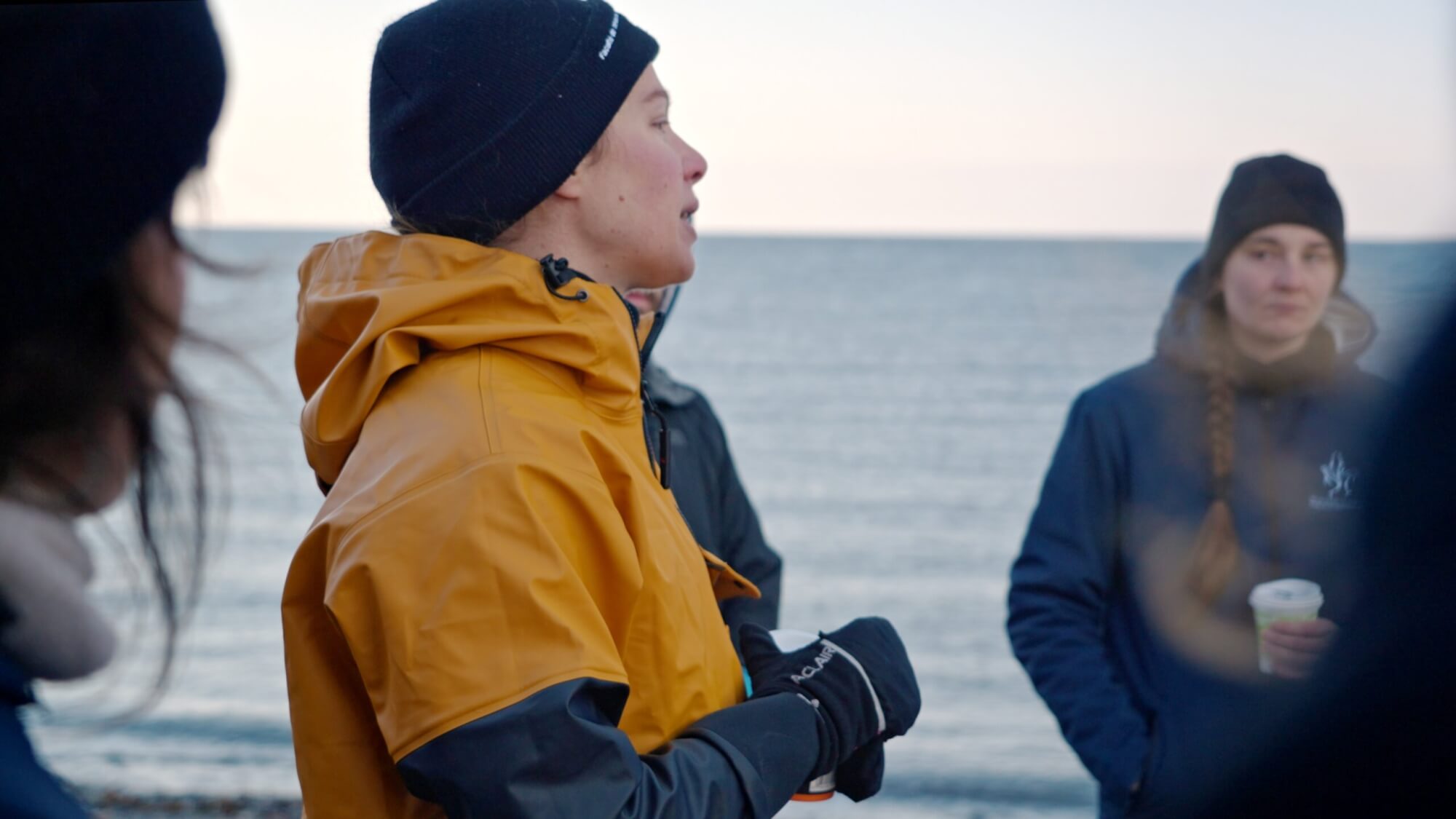
Since September 2025, I’ve been a professor of wildlife health in Rimouski for UQAM, in partnership with UQAR (in French) in the context of a new veterinary medicine program. Students can complete the first three years of this five-year program in Rimouski.
These activities lead me to work with a number of different teams. I collaborate with partners from the Maurice Lamontagne Institute (MLI) and the Université du Québec à Rimouski (UQAR, in French). I enjoy meeting passionate people who are eager to learn from my experience, and maintaining these long-term collaborations is highly rewarding.
My work consists of two main activities:
- Theoretical teaching: including basic general courses as well as specialized courses, on exotic pets for example.
- A research program, which is divided into two areas:
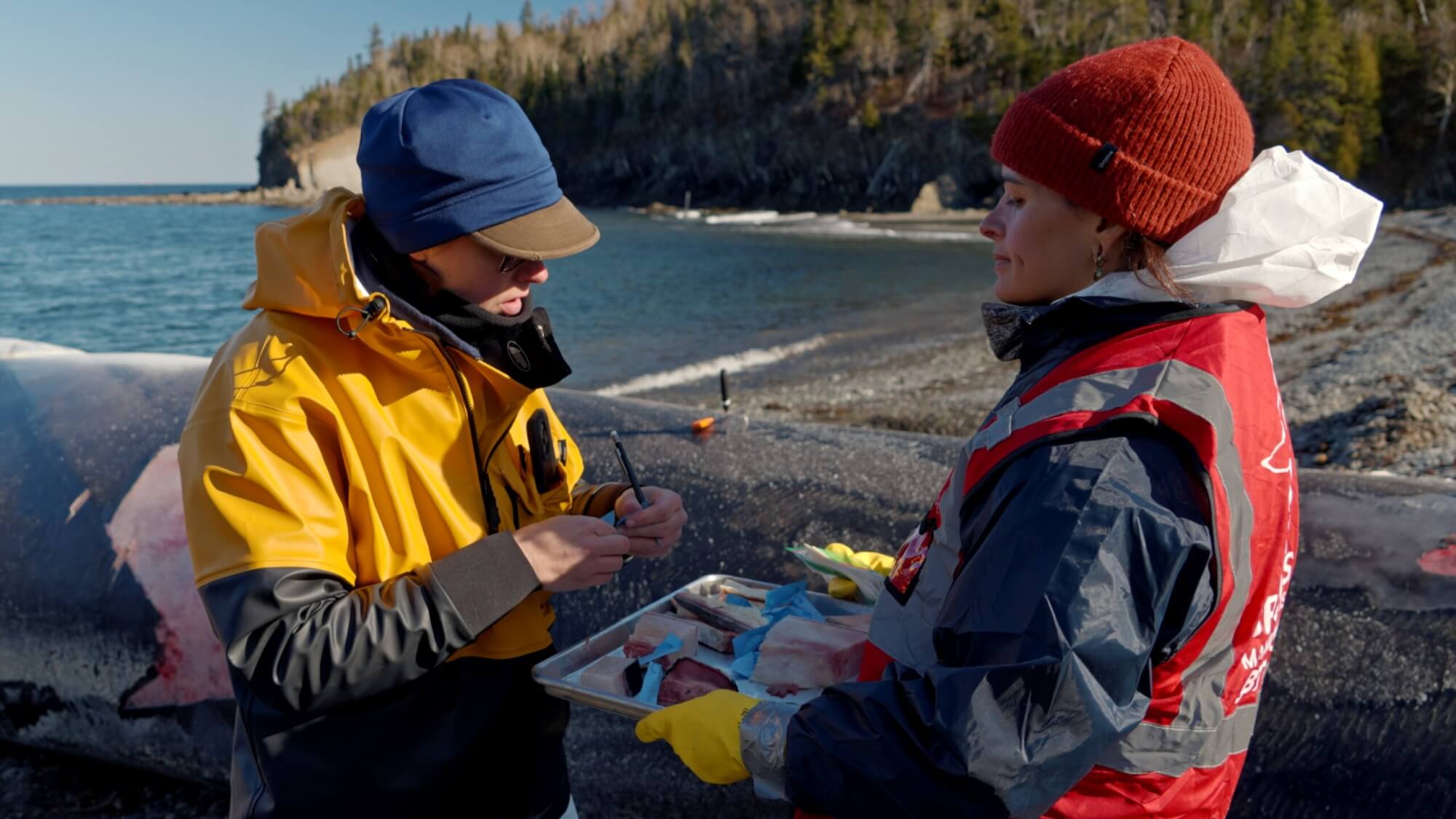
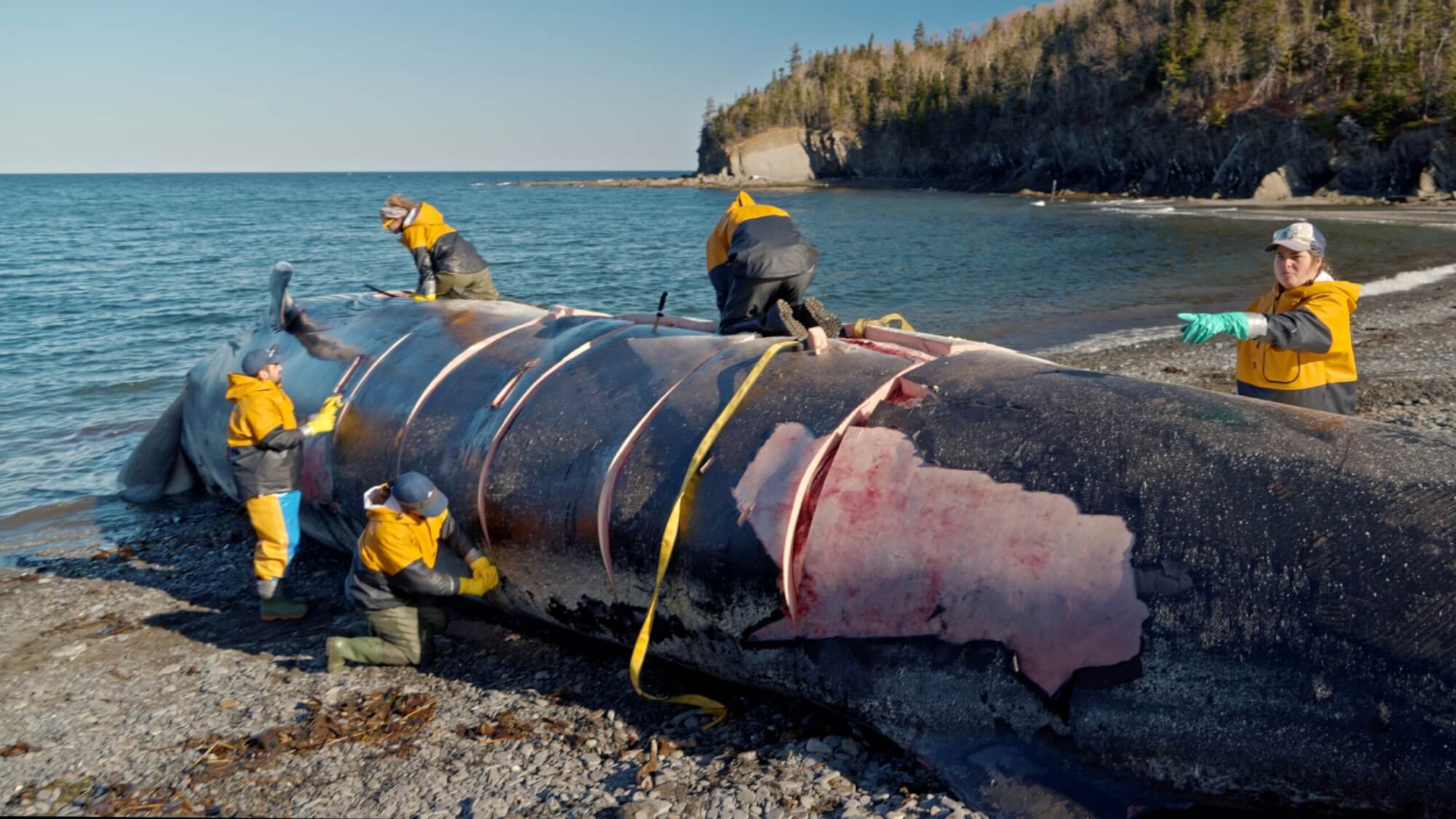
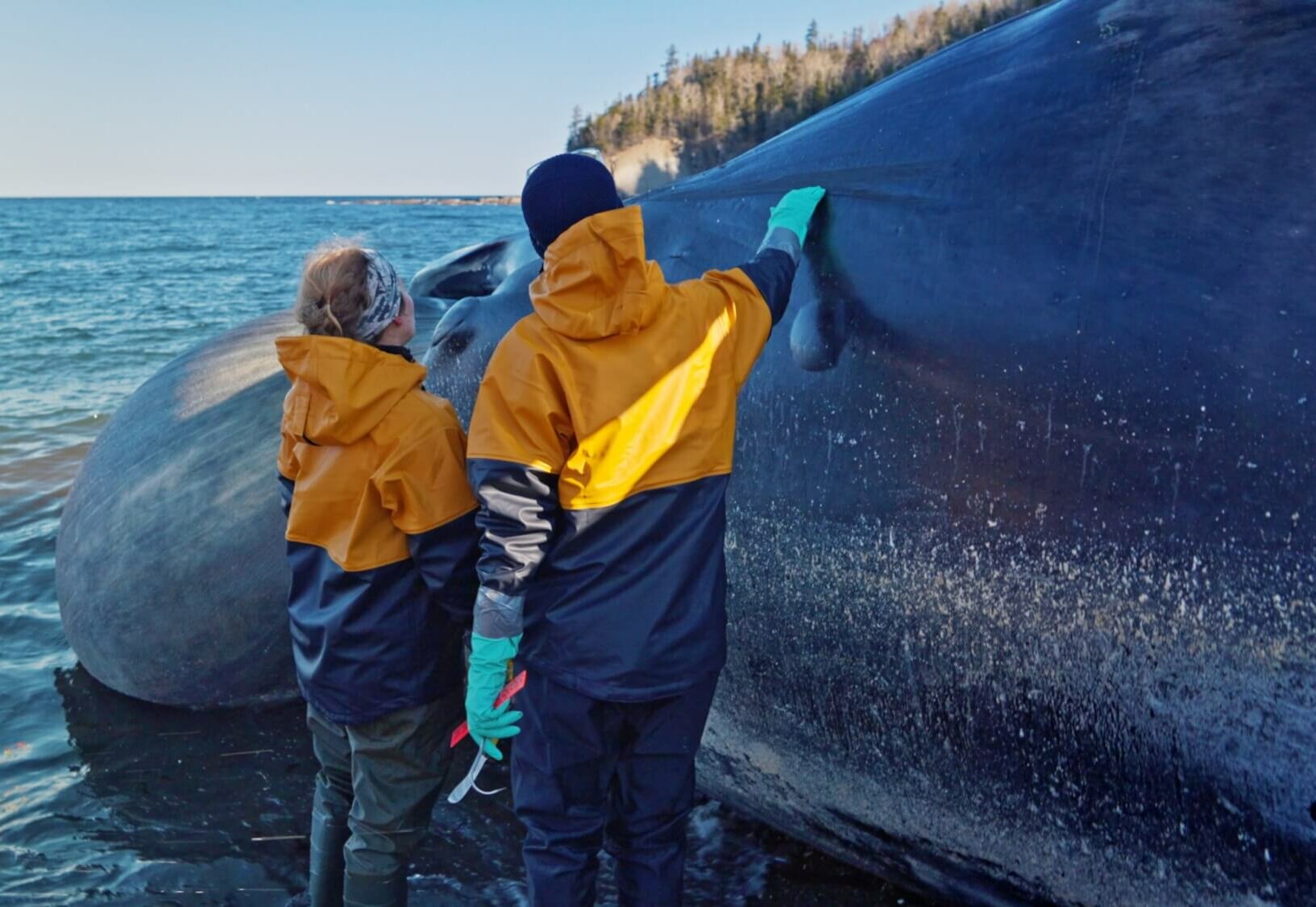
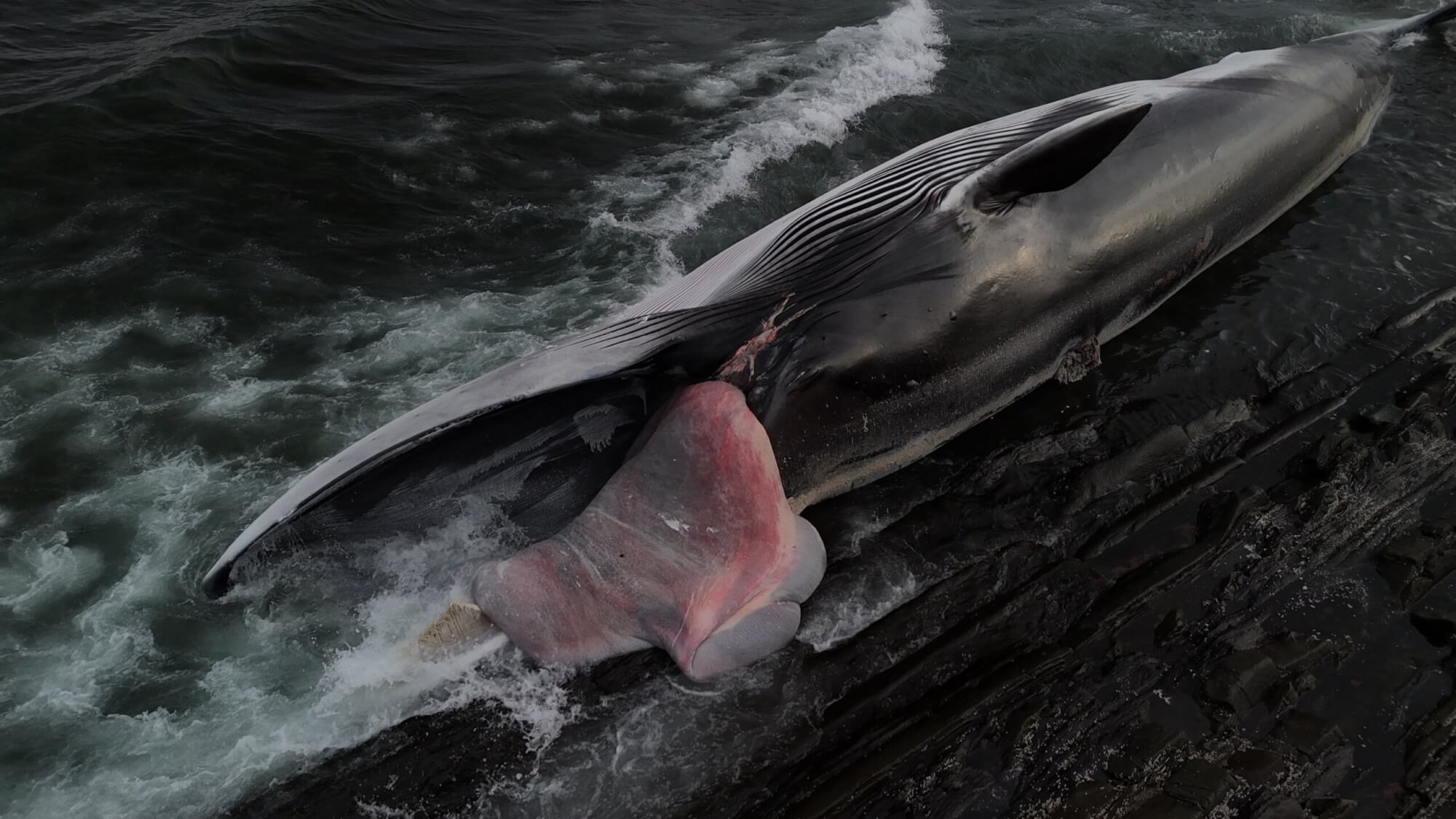
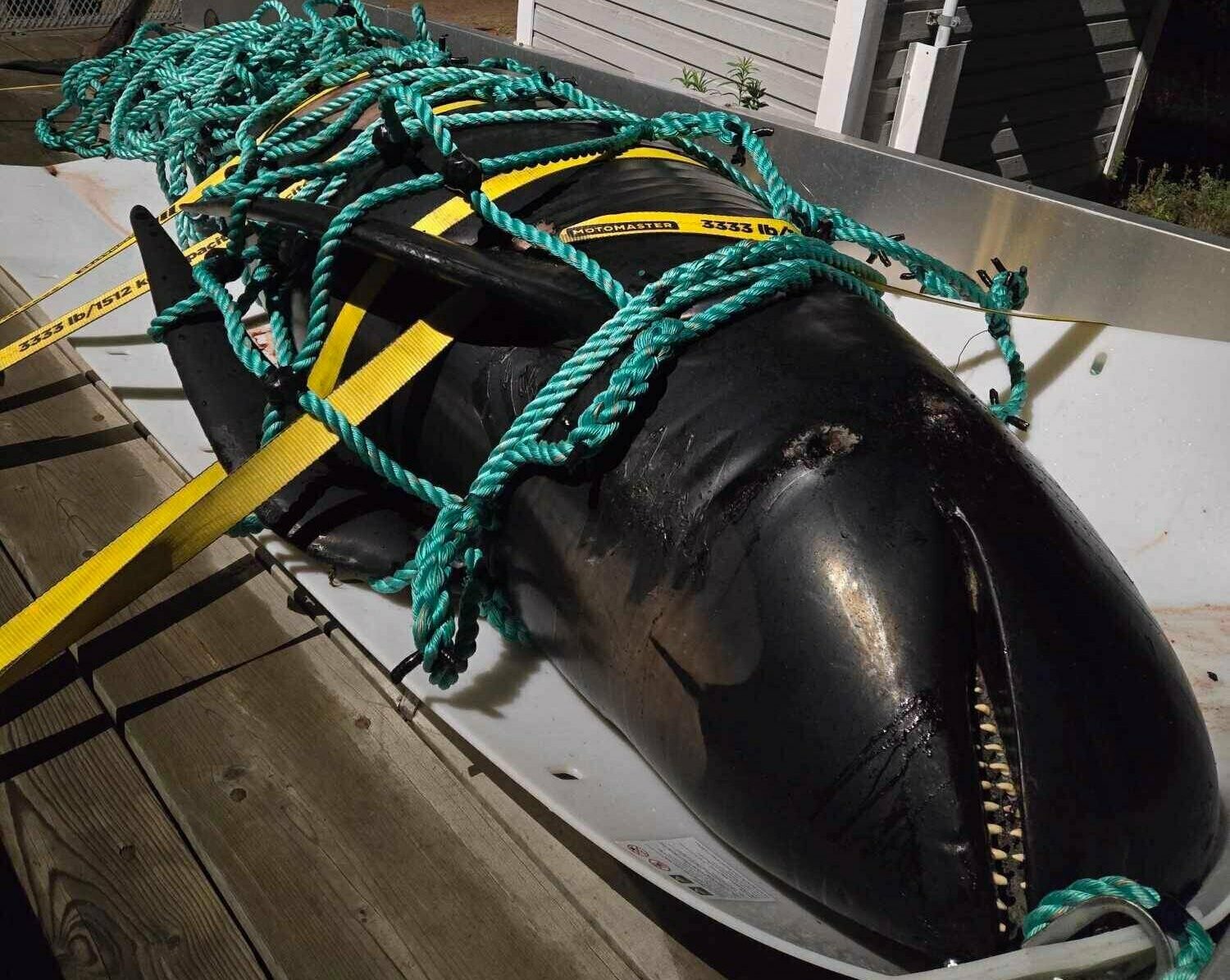
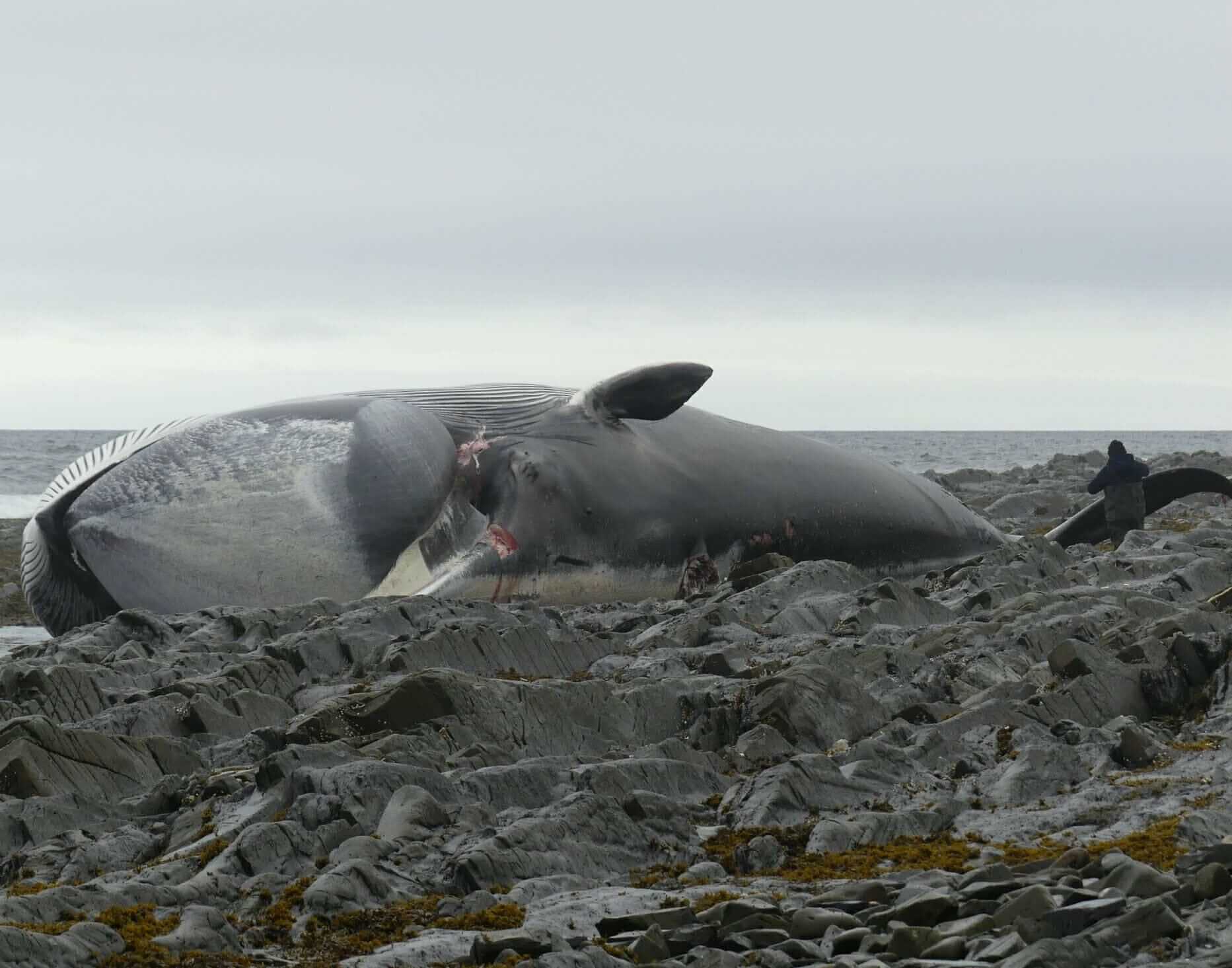
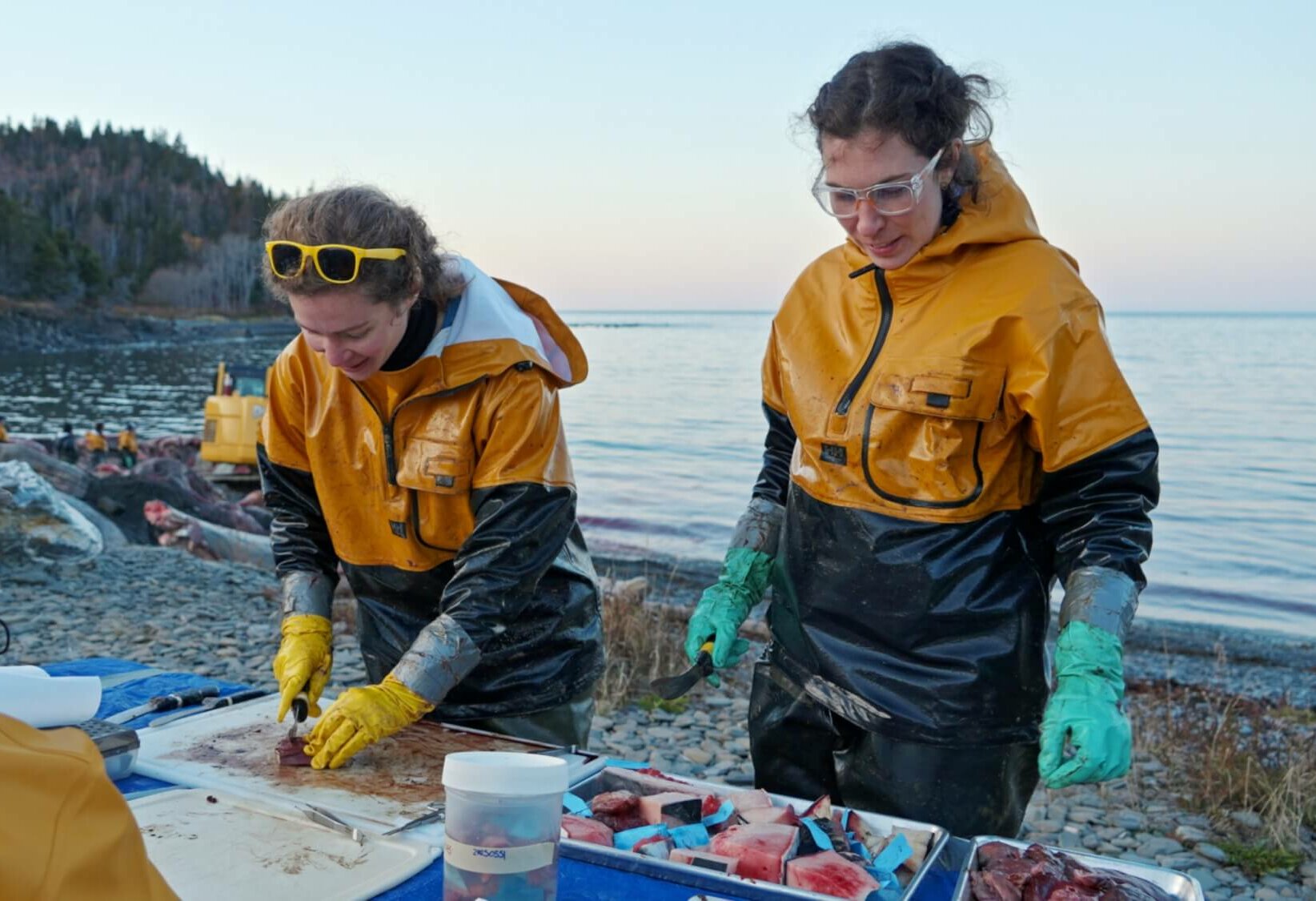
- Marine mammal health: I perform necropsies on animals that have been found stranded or been taken by subsistence hunters.
- Refining techniques for working with wildlife (marine mammals and other species). In this regard, I support field biologists in tasks such as immobilization, anesthesia, or even surgery, depending on the specific research questions.
Which species do you work with?
I work with belugas as part of a program investigating the causes of mortality of the species in the St. Lawrence and the eastern Beaufort Sea in the Arctic. I also aim to gain a better understanding of the causes of mortality in other marine mammals that frequent the St. Lawrence, such as porpoises and seals.

As for my objective of fine-tuning techniques for working with wildlife, it really depends on the opportunities that arise. I also work with land animals—for example, I’ve worked on surgery techniques for ducks, as well as on capturing ungulates, such as muskoxen and moose. I’m also developing projects related to operating on turtles.
Few people do the kind of work you do… Why did you choose to work with whales?
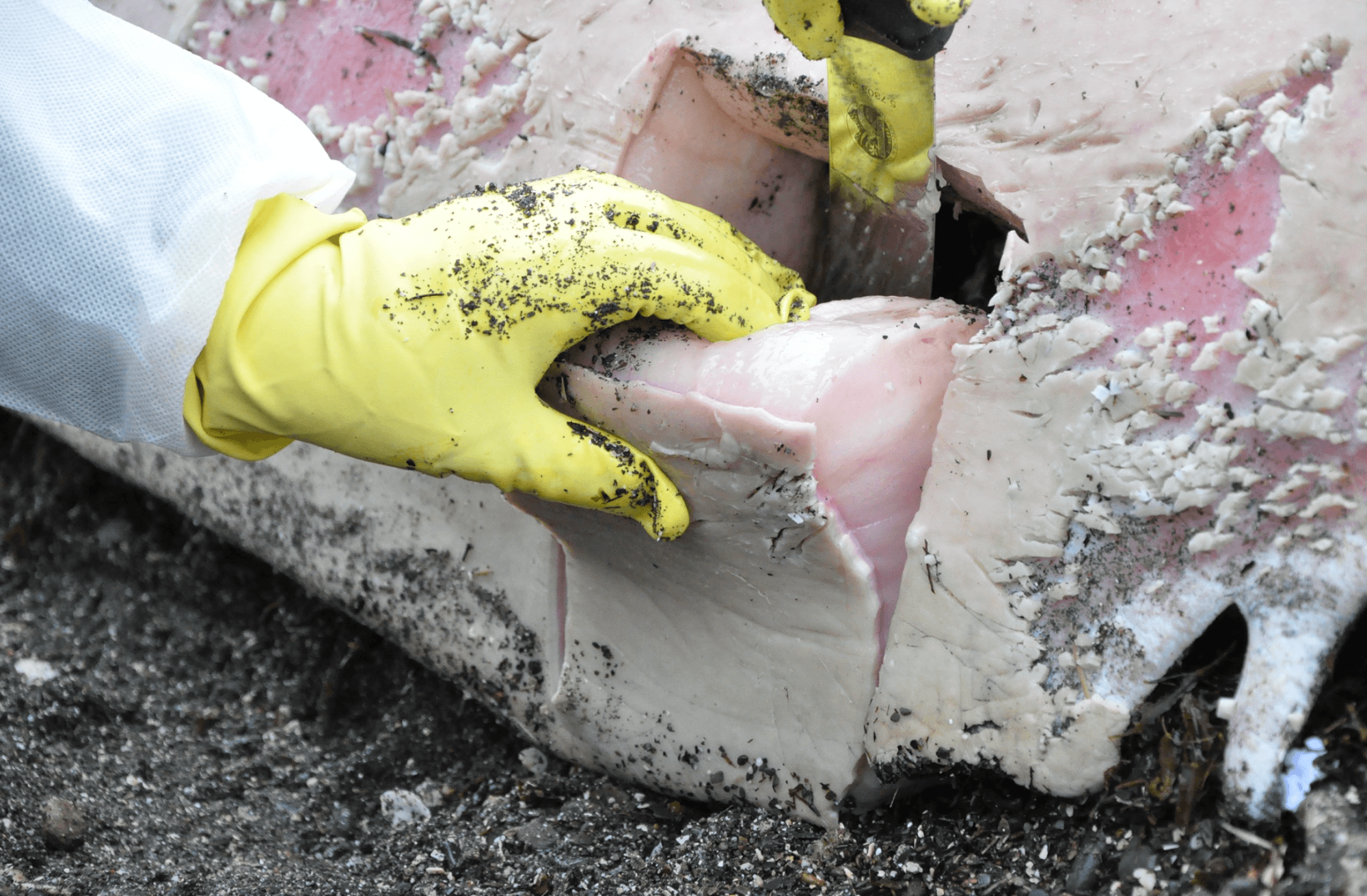
Whales are true sentinels for the health of their ecosystem, as they sit near the top of the food chain. They live long lives and have a thick layer of blubber that accumulates any toxins that are present in their environment. By examining this blubber, we can determine contaminant levels and assess the animals’ body condition. By collaborating with a wide range of experts, we’re able to shed light on complex questions!
What makes performing necropsies on marine mammals unique?
What fascinates me most during a necropsy is everything related to their physiology and the adaptations they’ve developed for life in the water. These adaptations must be taken into account when interpreting what we’re looking at when analyzing a carcass.
And then there are the logistics! It’s easier for us to recover and perform necropsies on small cetaceans, but when it comes to larger animals such as belugas, handling the carcasses is significantly more complicated. Let’s just say we haven’t yet found a big enough freezer to easily fit a beluga! Furthermore, the necropsy facility we have access to at the university is only available in the evenings and on weekends, which constrains how we can work—but we make the best of what we have.
Is there a common misconception about the veterinary profession that you’d like to dispel?
The first think that comes to mind is the incredible diversity that exists within each veterinary specialty! I almost didn’t pursue this field because I had such a narrow view of what the profession actually entailed.
I really value the versatility that comes with my profession—something I wasn’t even aware of before I began my veterinary studies. That was when I first realized the full scope of what’s possible in this field. There is such a wide range of potential career paths; it can open doors to work in research, clinical practice, zoological institutions, wildlife, or even academia. In short, zoological medicine is incredibly diverse, and you end up crossing paths with people in every field imaginable! You have to be open-minded and avoid fixating on a specific destination, because the path you take might lead you somewhere entirely unexpected.
What purpose does your work serve?
I use my experience to train the next generation. There’s also a research component, as I strive to better understand the health of marine ecosystems. By seeking to refine techniques for working with wildlife, we ultimately improve the welfare of the animals we study—animals that, in turn, help us gain a better understanding of their ecosystem.
Tell us a bit more about your most recent project.
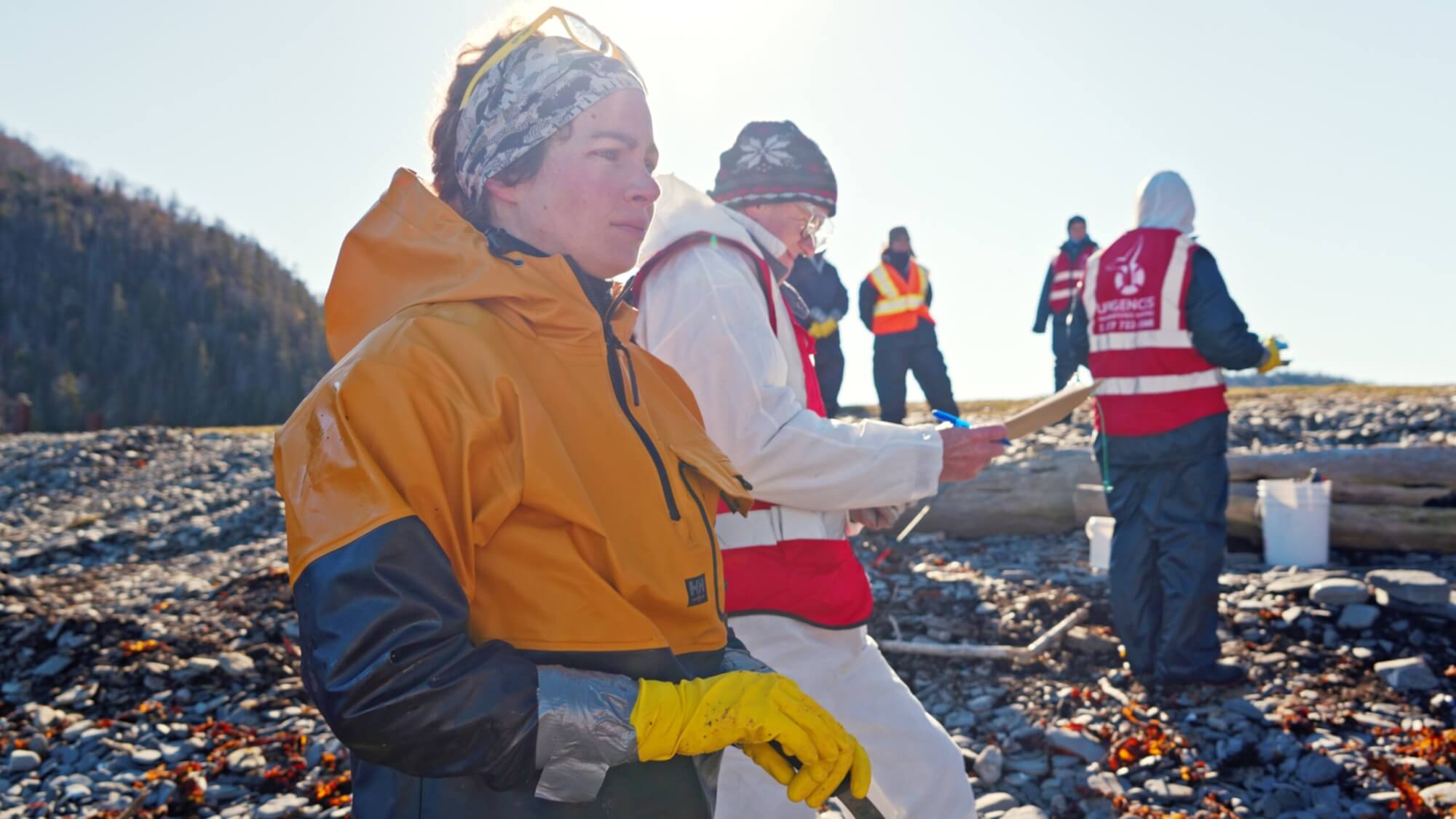
I’m working with the Beaufort Sea beluga population. My team has joined a partnership between Fisheries and Oceans Canada and Indigenous communities for a monitoring program that involves sampling belugas that have been harvested for subsistence. Our expertise in necropsy helps us assess their health status, body condition, and the prevalence of parasites. This provides a snapshot of the animals’ health, which allows us to establish correlations with changes in their ecosystem. The advantage of working with this particular population is that we have access to fresher carcasses.
A few closing words
It may not be obvious at first, but a career in veterinary medicine opens many doors. No matter what type of personality you have, there’s a place for you. You can change paths along the way, and there’s a vast range of fields to work in—from clinical practice and emergency care to various specialties such as large or small animal surgery, diagnostic imaging, dermatology, ophthalmology, research, meat safety, epidemiology, and the intersection of animal and human health, just to name a few.

Thalia Cohen Bacry
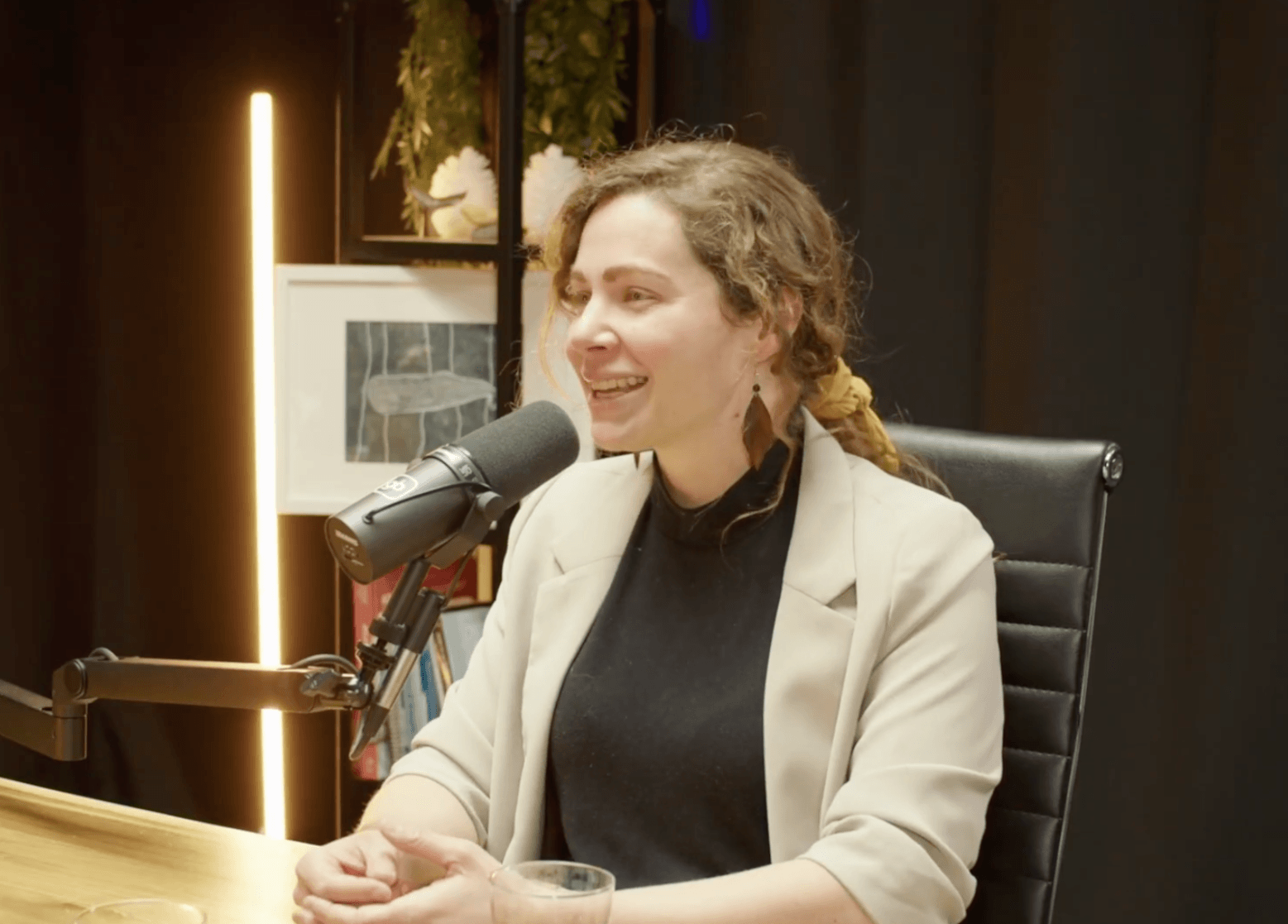
Thalia Cohen Bacry is a science writer for the GREMM, having previously worked as a naturalist in 2023. A UBC graduate, she completed a master's degree in international studies at the Université Laval and is continuing her learning in several fields, including geography, political science and animal behavior. Passionate about environmental protection, she grew up in Savoie, surrounded by lakes and mountains, before immigrating to Canada and discovering even bigger and wilder spaces. Intrepid, curious and persevering, she loves to learn, observe and analyze in order to raise awareness about protecting our oceans.
Recommended articles
Beneath the Surface, with Dr. Jory Cabrol
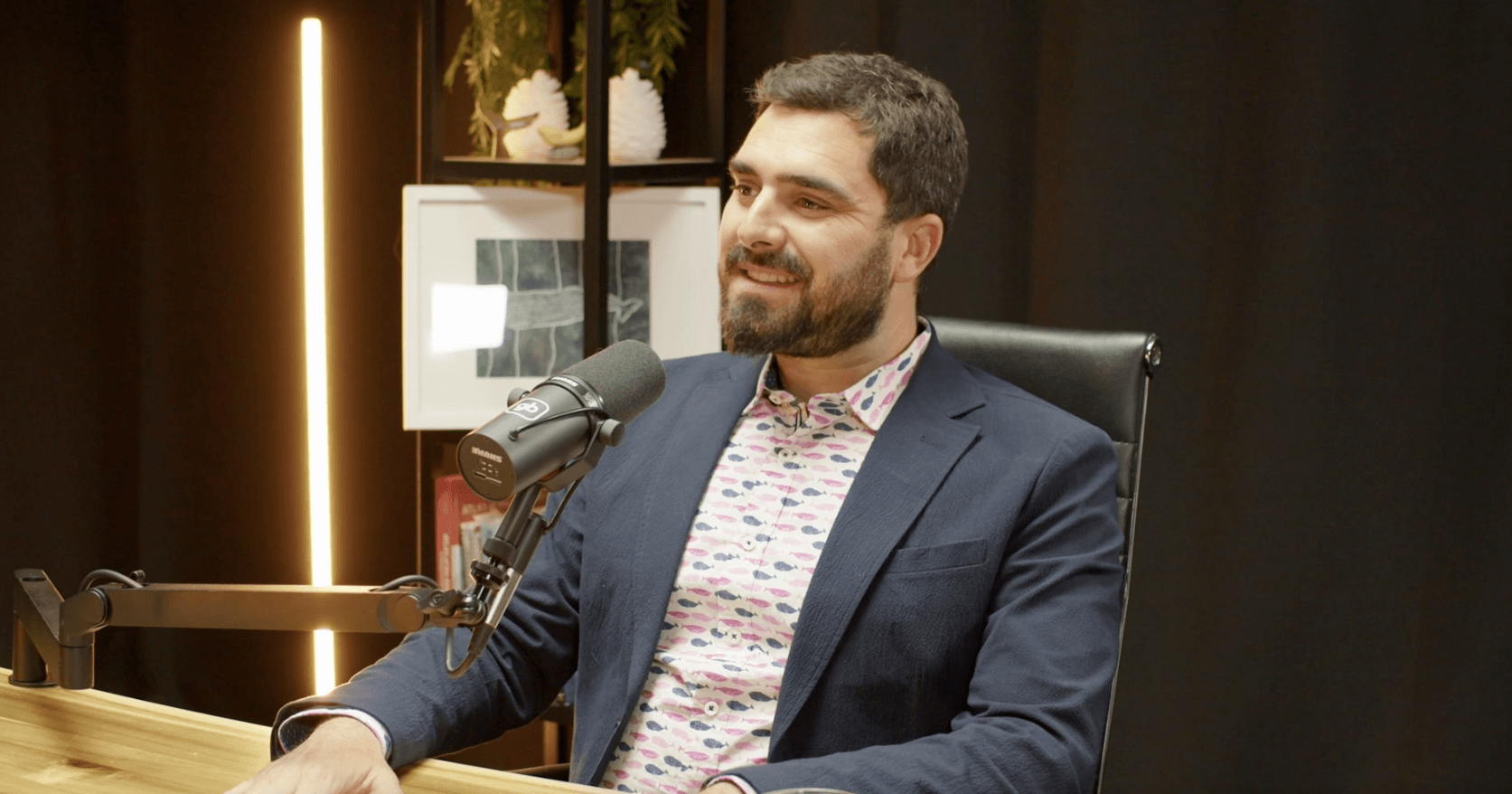
Dr. Jory Cabrol is a research scientist at the Maurice Lamontagne Institute, a research centre run by Fisheries and Oceans…
Beneath the surface, with Élizabeth Melis
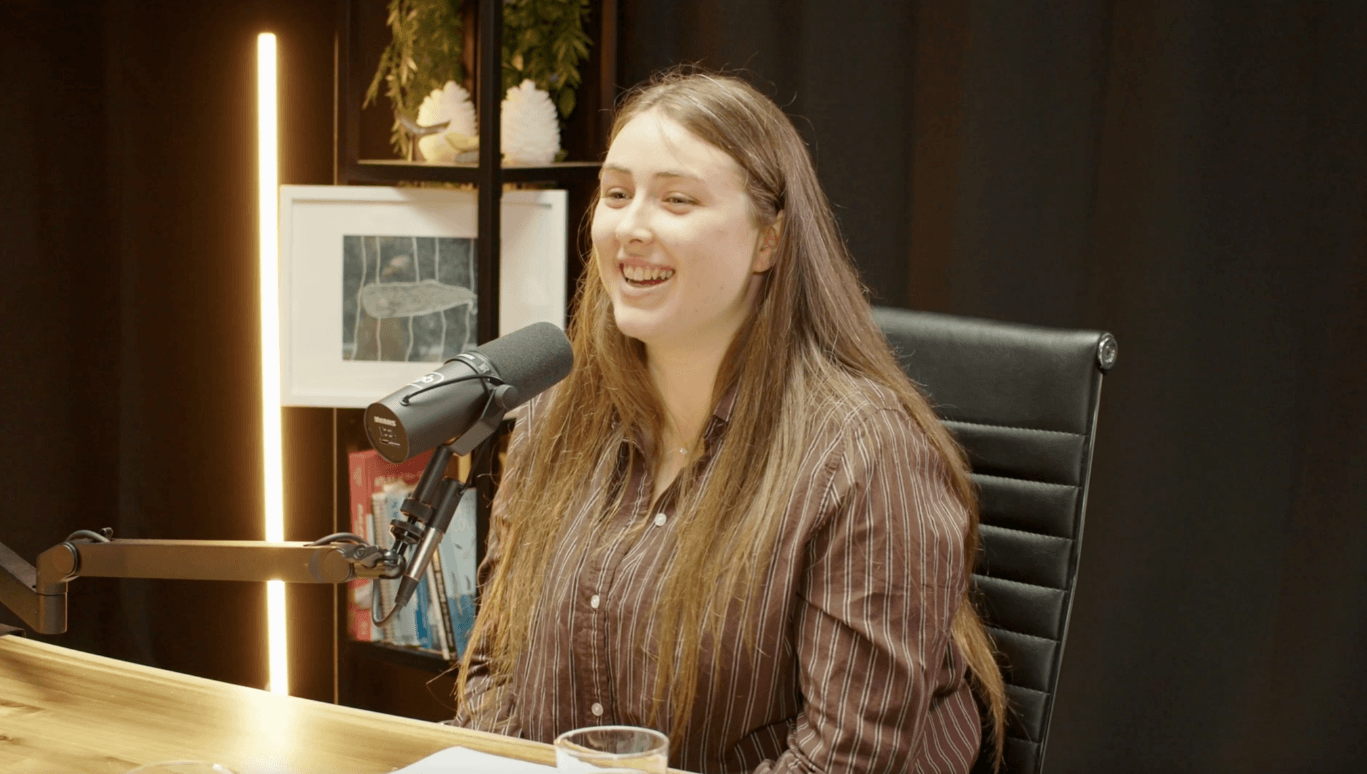
Élizabeth Melis is a whale research and rescue technician with the Campobello Whale Rescue Team, which is affiliated with the…
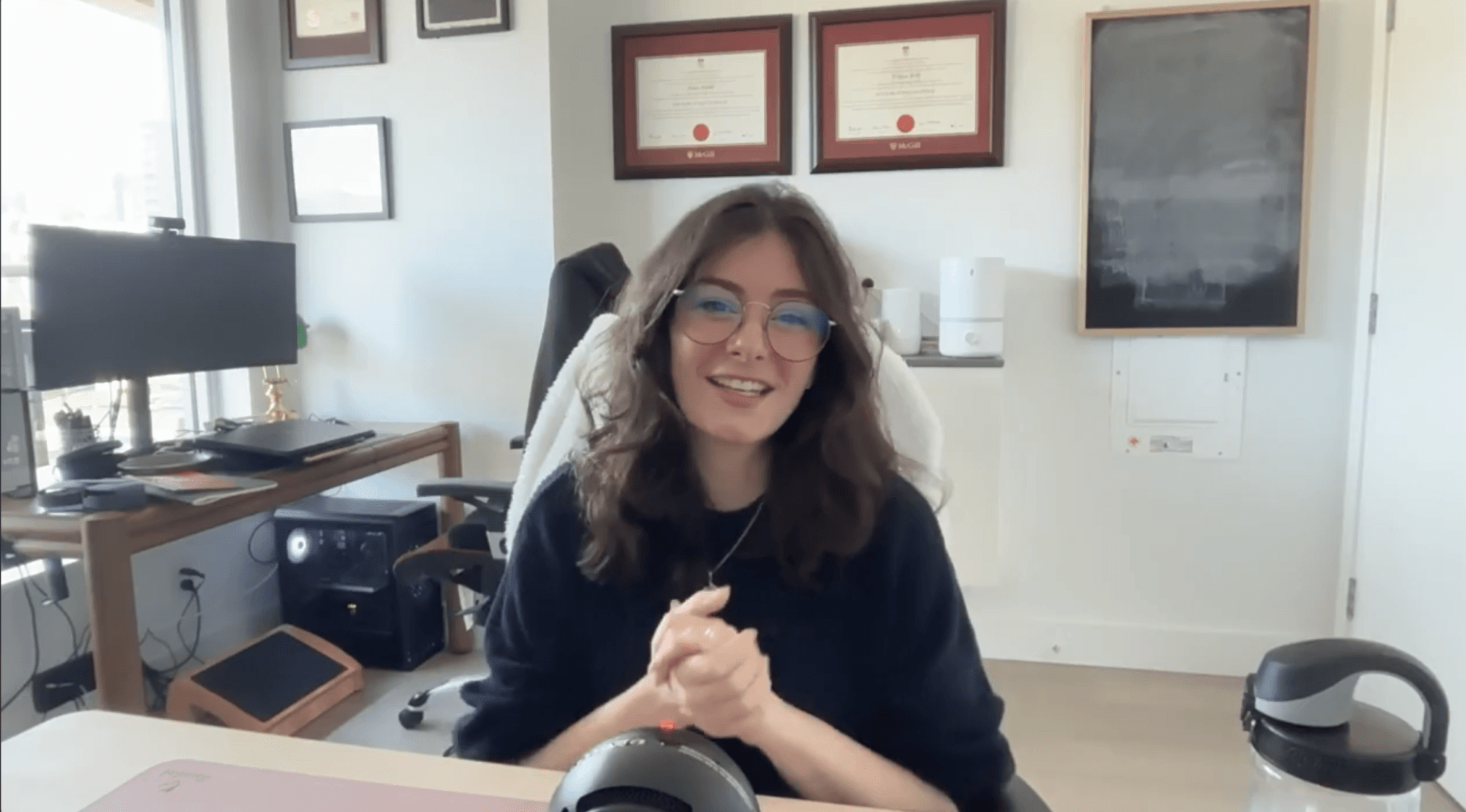
Beneath the surface, with Dre Anaïs Remili
Dre Anaïs Remili is a postdoctoral researcher in biological sciences at British Columbia’s Simon Fraser University, a scientific communicator, and…