
Good navigation practices for Beluga conservation

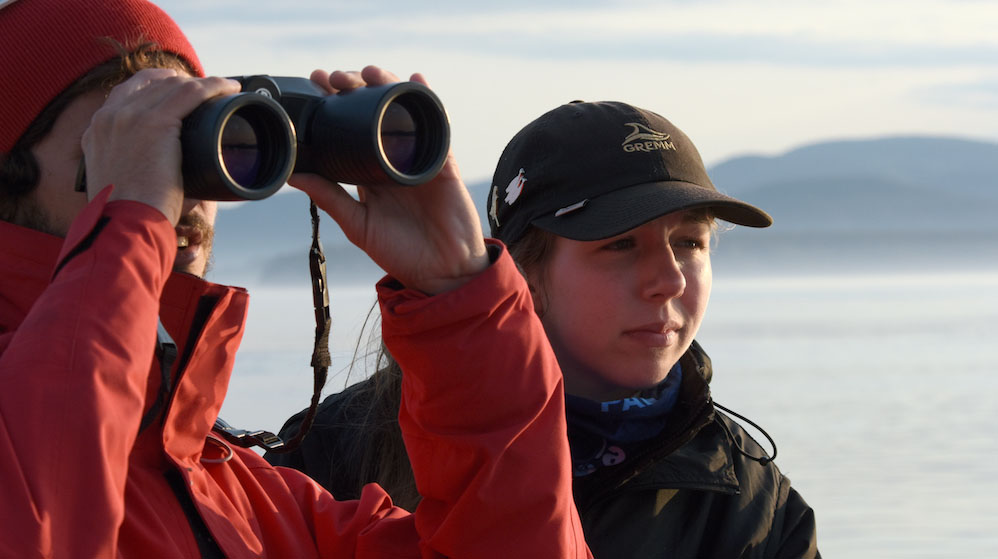
In this beluga calving season, Fisheries and Oceans Canada’s “Show you care, keep your distance!” awareness campaign reminds us of the navigation practices to follow in the presence of belugas.
The St. Lawrence beluga lives downstream of the Great Lakes and St. Lawrence River, a busy and densely populated area. From June to September, the St. Lawrence Estuary, the beluga’s critical habitat, is frequented by thousands of craft. Be it sailboats, motor boats or kayaks, the use of the Estuary this time of year presents a risk for belugas. The tourist season coincides with the calving period for females, which is a critical time for newborns. In the presence of boats, belugas alter their behaviour, whether out of curiosity or because they are disturbed. A mother can thus be separated from her calf if they stray too far from one another or if ambient noise prevents them from communicating, or if they are interrupted during feeding, nursing or resting. This is why it is important to reduce disturbances. A distance of 400 metres should be maintained at all times between a craft and belugas.
This outreach initiative is being carried out in collaboration with the Marine Mammal Ecowatch Network (ROMM) and the Group for Research and Education on Marine Mammals (GREMM).

To learn more
Information sheet on best practices to adopt in the presence of belugas

Collaboration Spéciale
Recommended articles

Sous la surface, with Dre Anaïs Remili
Dre Anaïs Remili is a postdoctoral researcher in biological sciences at British Columbia’s Simon Fraser University, a scientific communicator, and…
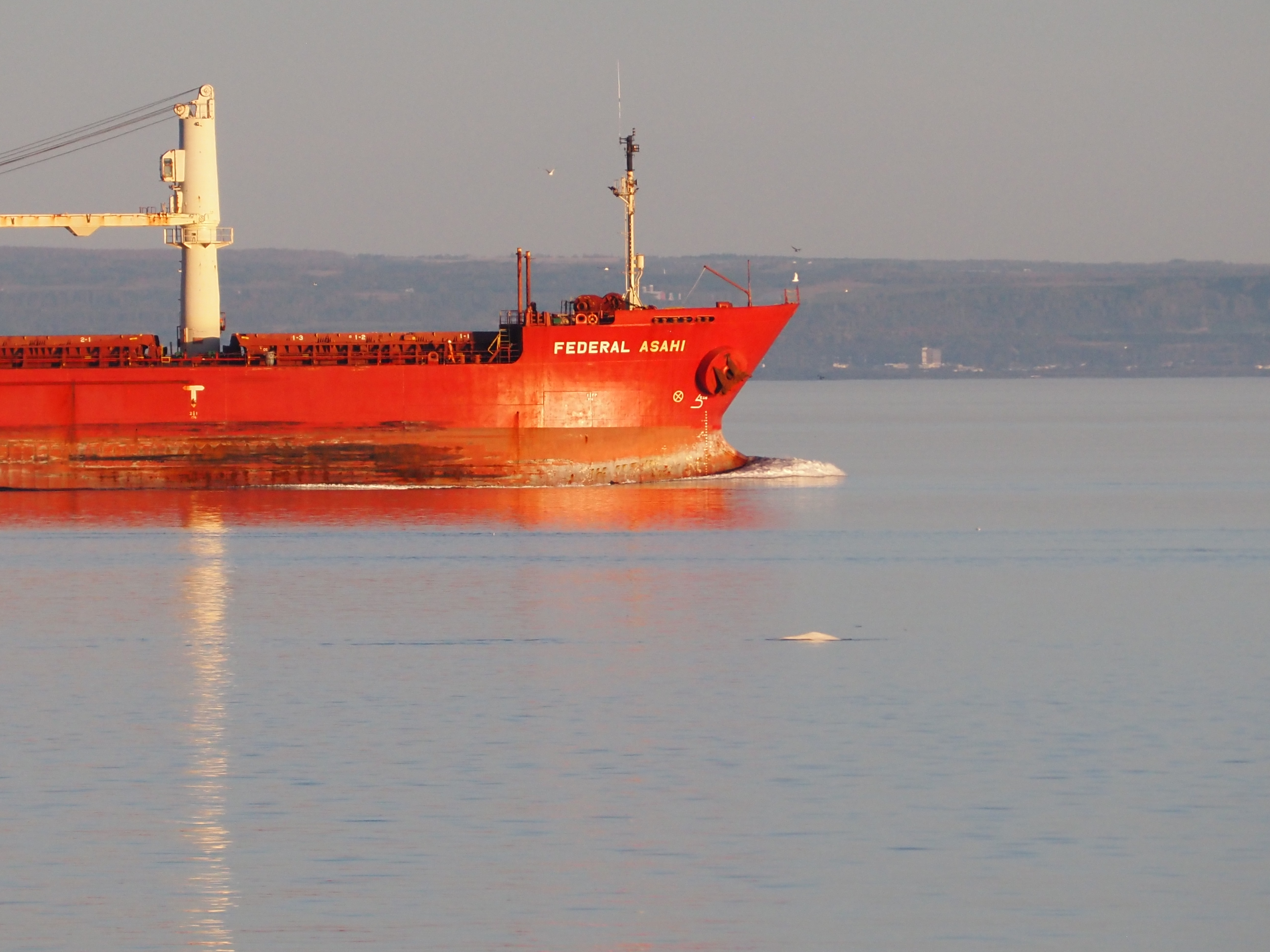
Collisions in the Saguenay—St. Lawrence Marine Park (part 1/2)
Collisions are a major challenge in the recovery and protection of cetacean populations around the world. In the Saguenay–St. Lawrence…

Sous la surface, with Christophe Ronveaux
Christophe Ronveaux is a biologist with the Mingan Island Cetacean Study (MICS). MICS mainly studies five species of large cetaceans:…