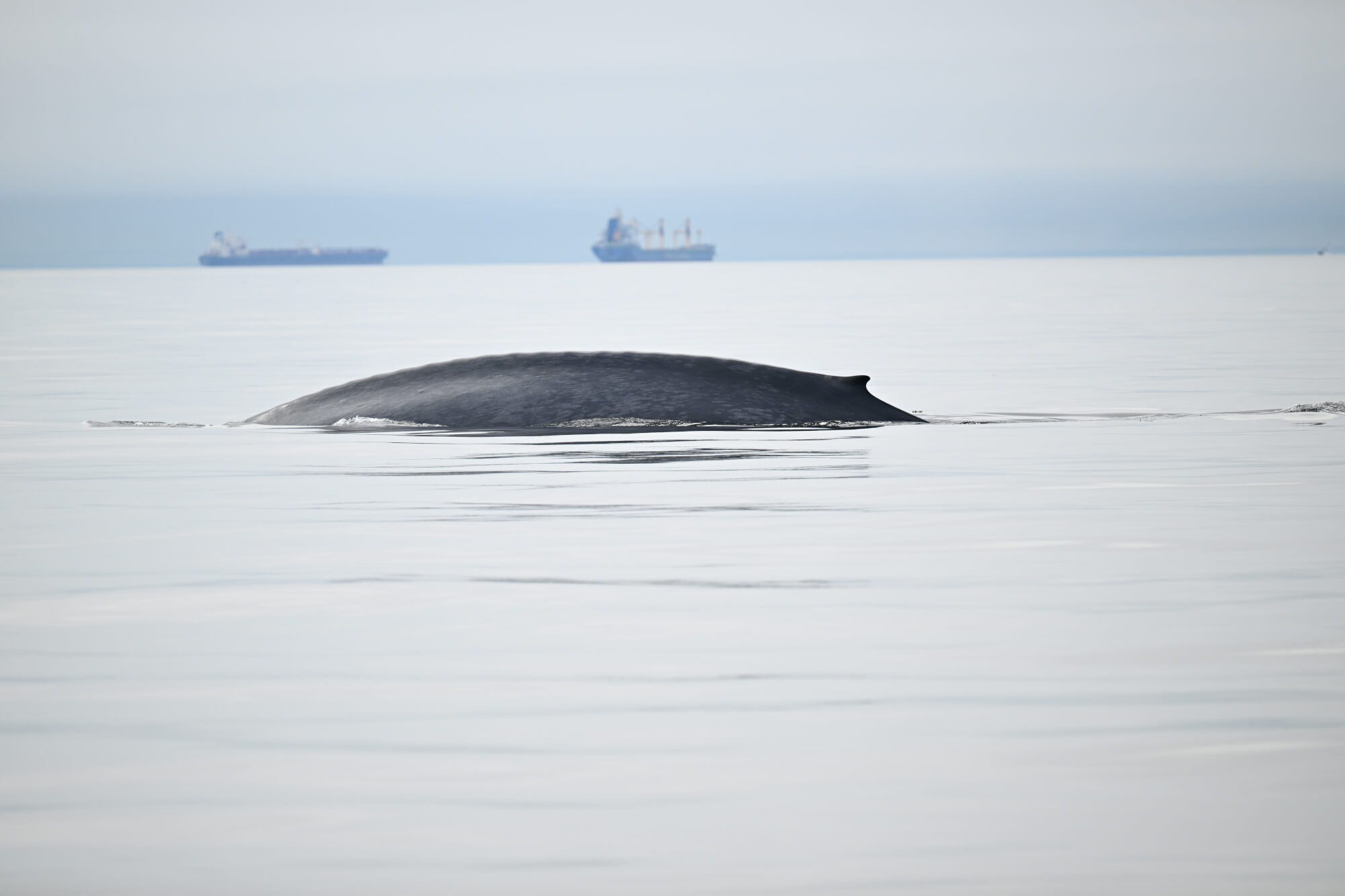
Discover the many Quebec-based organizations that study and raise awareness about marine mammals.
Whale Organizations in Quebec
Sept-Îles Research and Education Centre (CERSI)

In short:
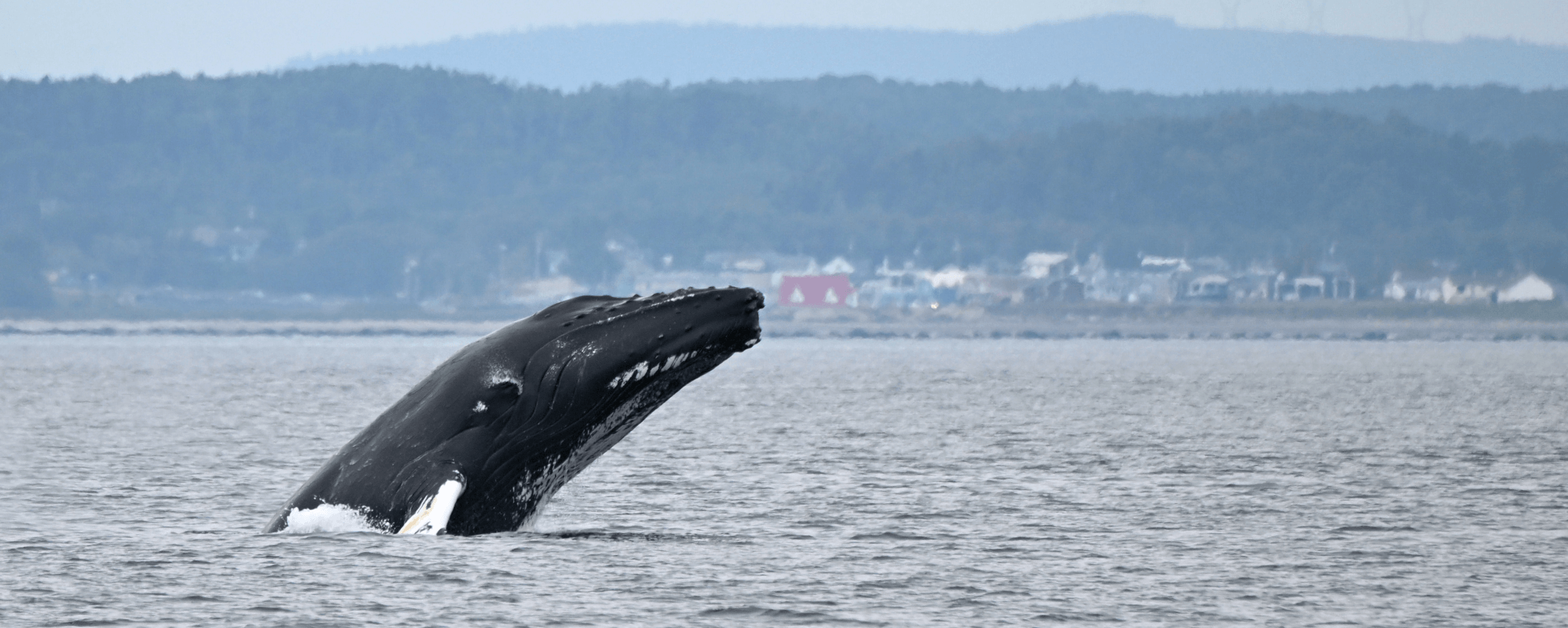
Founded in 2006, the Sept-Îles Education and Research Centre (CERSI) takes a less traditional approach to research in the field of conservation biology. The organization endeavours to assess the health and well-being of marine mammals in the St. Lawrence using a non-intrusive and interdisciplinary approach to veterinary science. The centre hopes to enable the implementation of effective measures that can guide conservation projects for various cetacean species in Quebec and around the world. CERSI studies fin, blue and humpback whales, as well as harbour porpoises. Photo-identification catalogues for these four species are shared with the organization Happywhale (which uses artificial intelligence) and are available online.
In research:
One of CERSI’s ongoing projects aims to study the fate of fin whales, blue whales, and humpbacks. Photos are taken at sea to identify individuals and record their physical condition and behaviour. Another aspect of the project aims to validate the presence of chronic stress biomarkers in the laboratory by studying the blow of these animals. To obtain a comprehensive assessment of how these large cetaceans are faring, the team also performs microbiome sequencing of whale blow. This method allows researchers to determine the presence or absence of chronic stress in these animals.
In education:
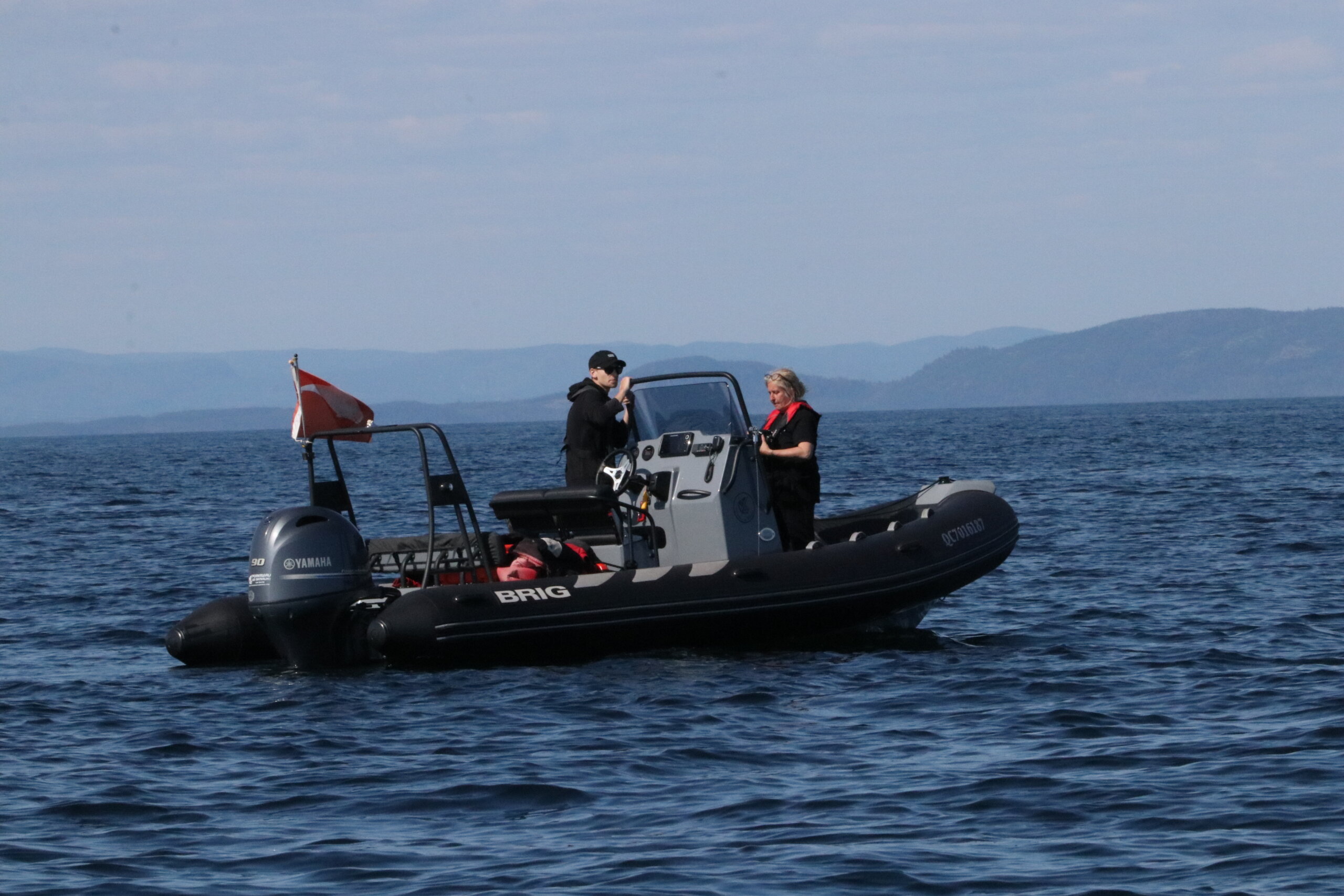
CERSI partners with the Natural Sciences Department at Cégep de Sept-Îles on a number of projects, in addition to offering courses. It also provides annual training for guides at Tourisme Sept-Îles and gives presentations to elementary and high school students, as well as to mining companies.
CERSI regularly supervises master’s and PhD students.
Career and internship opportunities:
- Volunteering
Volunteer opportunities.
- Master’s or PhD students
CERSI regularly supervises master’s and PhD students.
Group for Research and Education on Marine Mammals (GREMM)
In short:
Founded in 1985, the Group for Research and Education on Marine Mammals (GREMM) lies in the heart of Tadoussac. The organization stands out for its multidisciplinary approach and its research, awareness, and education poles.
In education:
Managed by GREMM, the Marine Mammal Interpretation Centre (CIMM) in Tadoussac features an exhibit on the whales of the St. Lawrence and the results of related scientific research. Every summer, the CIMM welcomes over 55,000 visitors, making it the most popular museum in the Côte-Nord region. Opened in 1991, it also houses the largest collection of cetacean skeletons in all of North America! CIMM also includes a multimedia room with a giant screen where naturalists are able to present videos and activities. Under the Window on Belugas project, naturalists take and screen drone footage of St. Lawrence belugas in the wild, offering real-time interpretation of this complex society!

Whales Online
Launched in 2000 by the Group for Research and Education on Marine Mammals (GREMM), Whales Online is an online popular science magazine and encyclopedia. The scientific editing team produces articles and field reports to share the latest news about whales and the marine biology research conducted in the St. Lawrence. The site reaches nearly one million readers per year.
Portrait de baleines (Whale Portraits)
Every year since 2002, the GREMM has published WhalePortraits (in French) between June and October. Primarily intended for tourism professionals operating in the St. Lawrence, this weekly bulletin gathers and shares knowledge to raise awareness among captains and naturalists, improve the quality of information provided to visitors, and promote respectful and environmentally friendly practices for better coexistence with marine mammals.
In research:
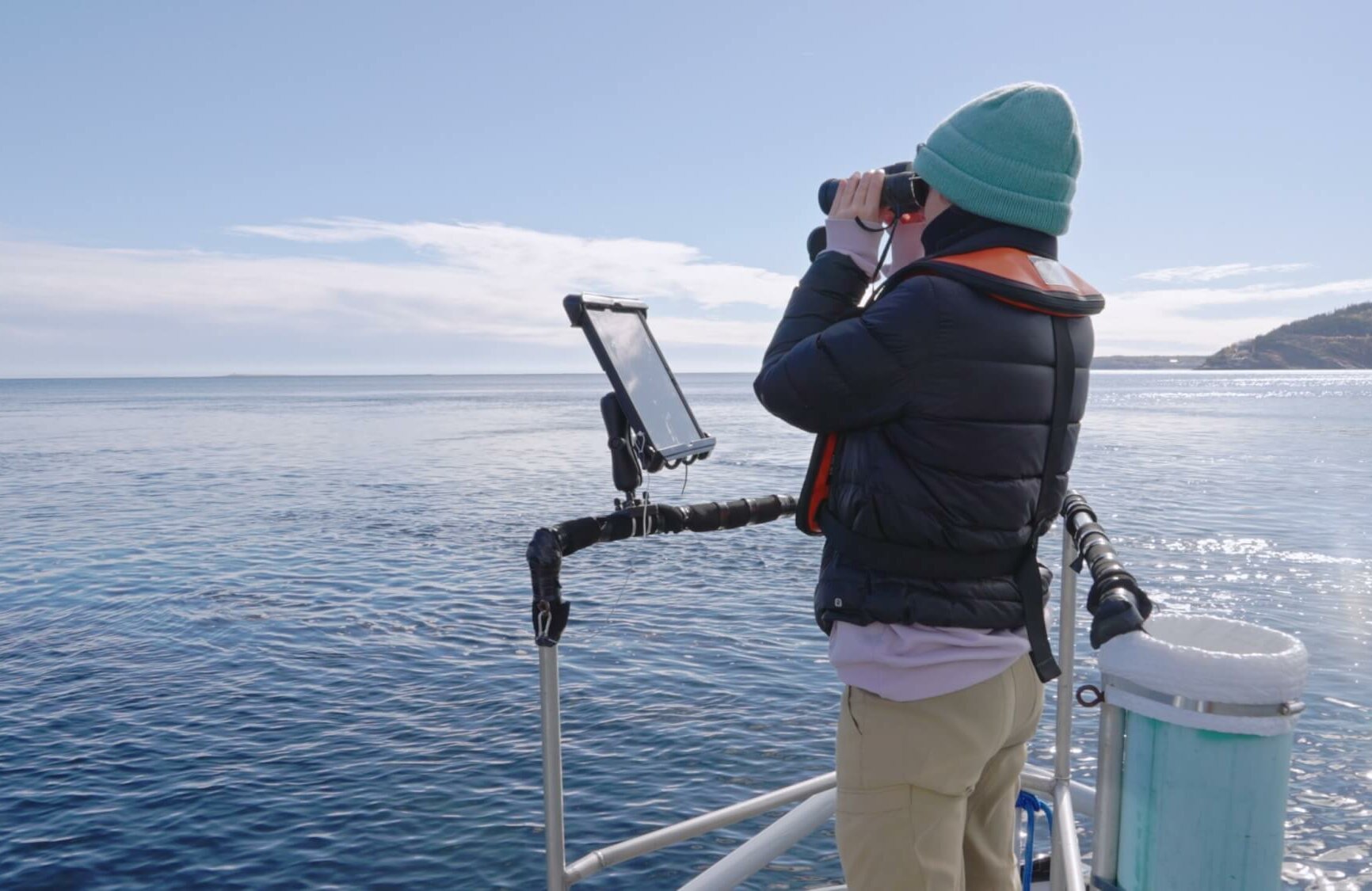
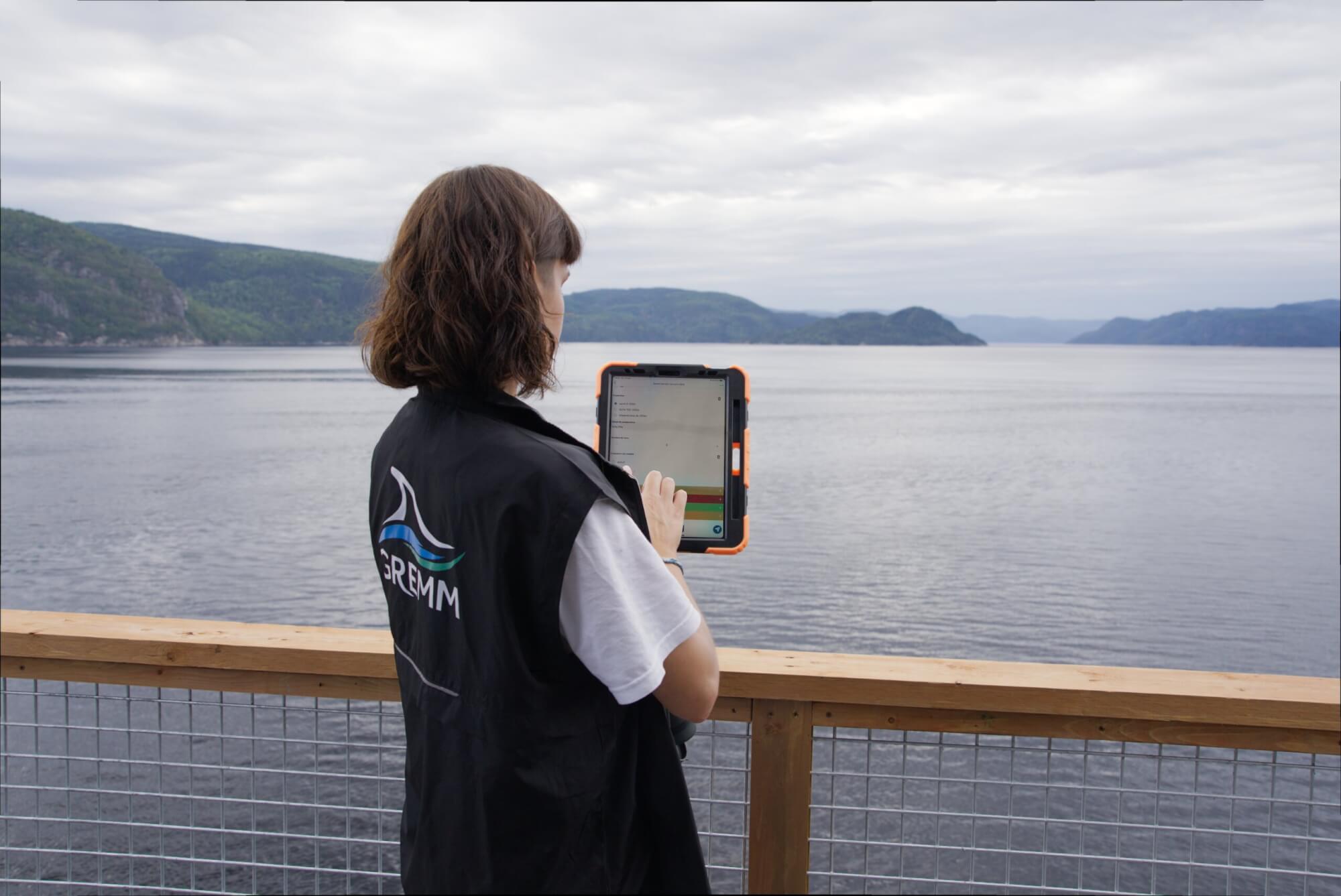
The GREMM has a land- and water-based research team that studies belugas and fin whales. The St. Lawrence Beluga Project comprises multiple programs, including photo-identification, the impact of anthropogenic noise on health and behaviour, contaminant analysis, and a mortality monitoring program with the Quebec Marine Mammal Emergency Response Network (QMMERN). The objective of this program is to identify factors that are hampering the recovery of this endangered population. The Large Rorqual Project is a monitoring program that entails photo-identification and tracking of individual and group activity patterns, as well as documenting interactions with vessels and entanglement marks. Several sub-projects are also carried out in collaboration with universities and other partners.
Career and internship opportunities:
- Internships
GREMM occasionally hosts interns for its education and research programs. Subscribe to our Facebook page (in French) and our Whales Online newsletter, or check out our website for available internship opportunities.
- Master’s or PhD students
GREMM Scientific Director Robert Michaud acts as a mentor for Master’s and PhD students in collaboration with researchers from various Canadian universities. Would you like to work under Robert’s mentorship? Email him at: [email protected].
Quebec Marine Mammal Emergency Response Network (QMMERN)
In short:
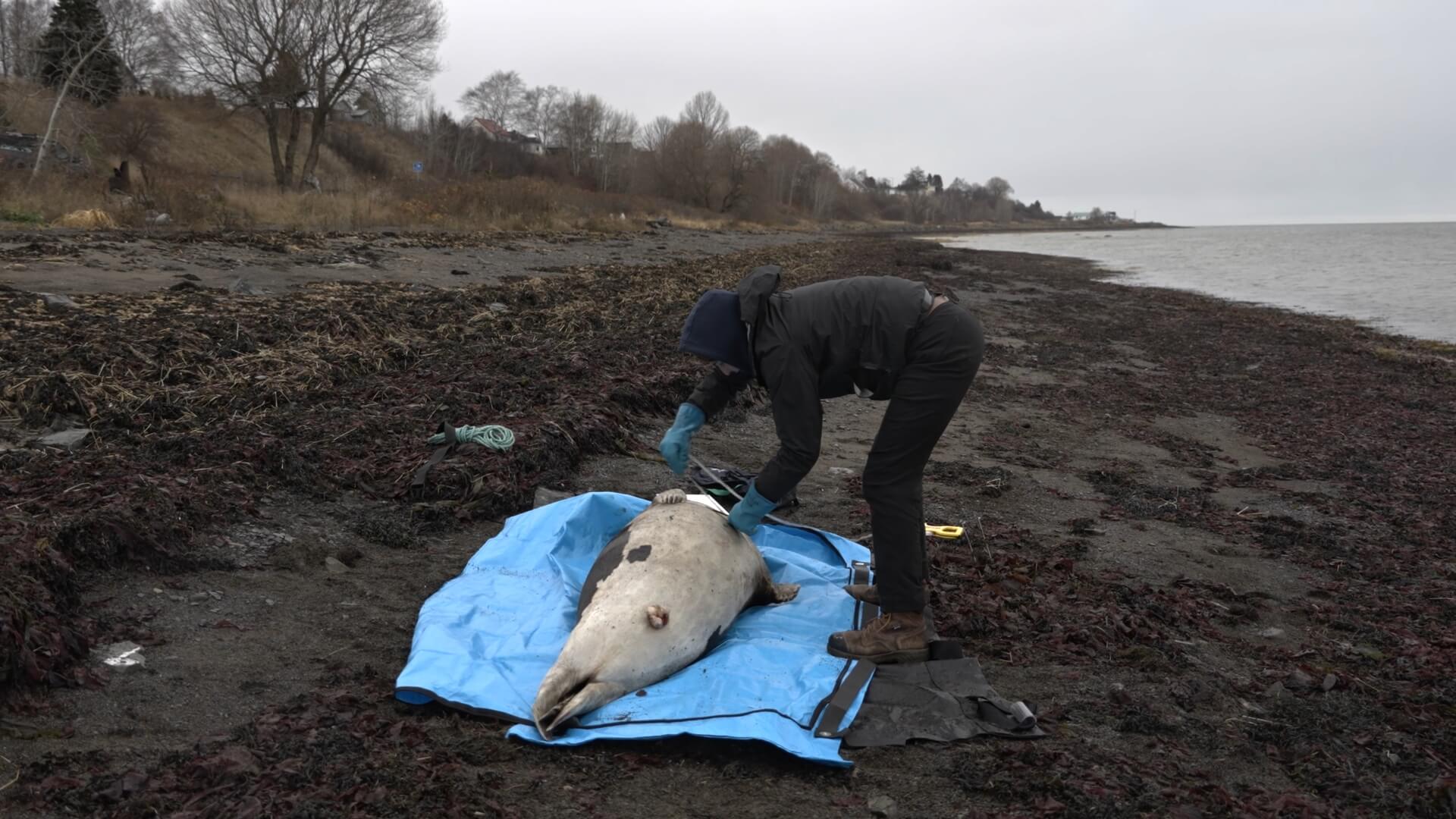
Since 2004, the GREMM-coordinated Quebec Marine Mammal Emergency Response Network (QMMERN) has brought together some fifteen organizations and institutions from across Quebec. The Network is responsible for organizing, coordinating and implementing measures aimed at reducing accidental mortality in marine mammals, rescuing marine mammals in difficulty, and facilitating the acquisition of data from beached or drifting carcasses in Quebec waters. QMMERN relies on the support of its volunteers up and down the St. Lawrence River, satellite teams ready to intervene in more isolated regions such as the Magdalen Archipelago and Anticosti Island, and mobile teams of field technicians.
QMMERN also manages Marine Mammal Emergencies (UMM), the 24-hour hotline to call if you see a dead or vulnerable marine mammal (or leatherback sea turtle). Depending on the situation, QMMERN can intervene by raising public awareness about best practices for coexisting with these animals, documenting the animal and its condition to ensure an appropriate response, developing protocols to prevent future incidents, or providing direct assistance to the animal if necessary.
Mériscope

In short:
Mériscope is an independent marine research station and a registered charity in Canada whose mission is to protect marine ecosystems in general and marine mammals in particular, with a focus on research, education, public awareness, and conservation.
In research:
Based in Portneuf-sur-Mer, the research station focuses on marine mammals—especially minke whales—while developing research projects in ecology, ecotoxicology, satellite tracking, and marine bioacoustics. Since 2001, Mériscope has compiled and maintained a catalogue of St. Lawrence minke whales that features over 310 individuals. In collaboration with McGill University, one of its projects aims to better understand the migration, feeding, and population structure of minke whales in the St. Lawrence. To this end, the team tags and collects biopsies from this species.


In education:
Mériscope works to raise awareness and support conservation efforts, and has been part of the Quebec Marine Mammal Emergency Response Network (QMMERN) since 2004. In 2019, the research station launched MérisCool, a program through which over 250 secondary and post-secondary students have been able to participate in a summer camp with Explos-Nature or a guided excursion in the St. Lawrence Estuary.
Career and internship opportunities:
The organization has also developed a credit-bearing internship program in collaboration with 40 universities across Canada, the United States, and Europe. These internships have allowed more than 450 students to take courses and complete advanced internships in marine-related professions. The organization also hosts master’s and PhD students to facilitate their fieldwork.
Mingan Island Cetacean Study (MICS)

In short:
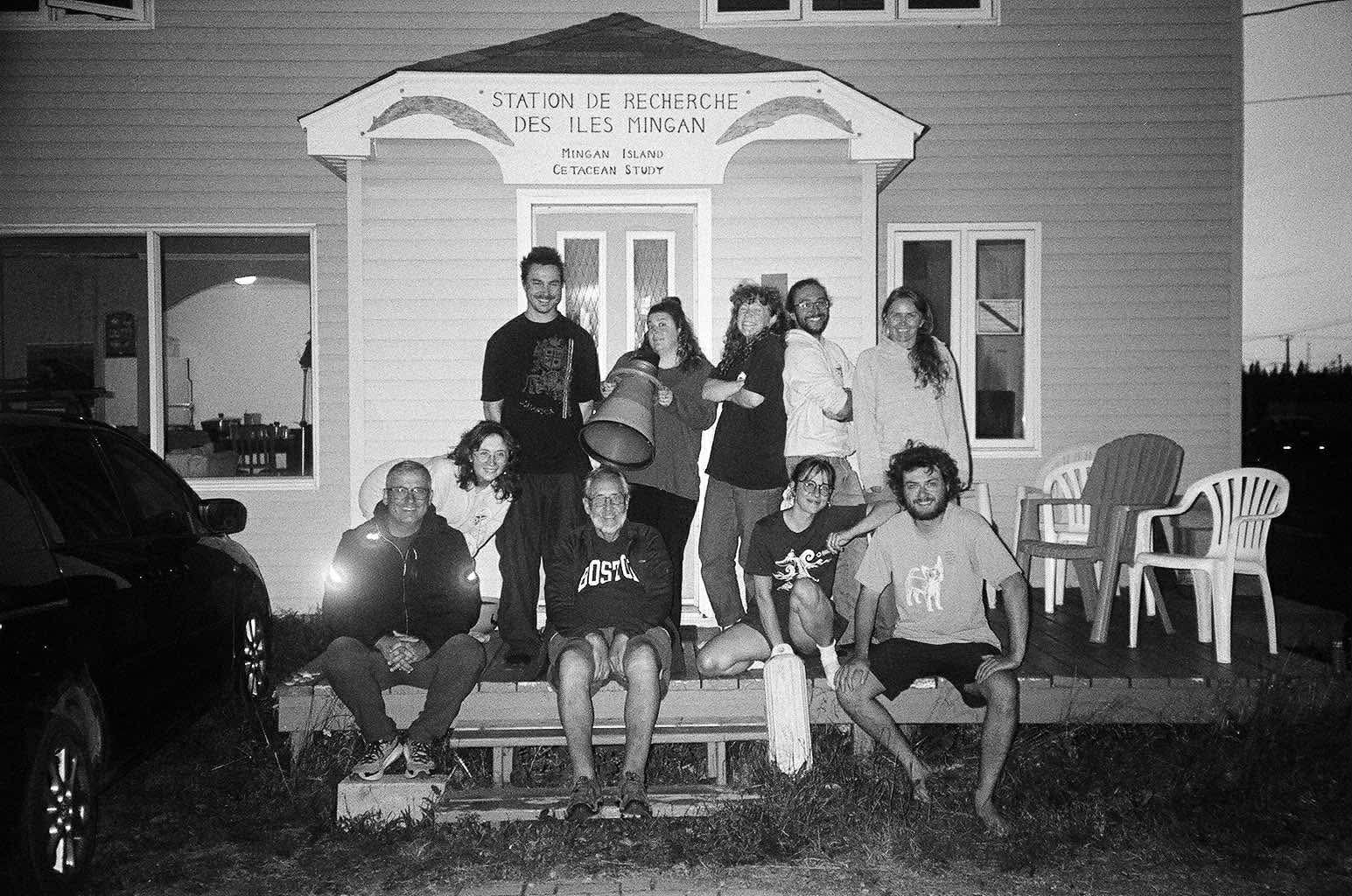
The Mingan Island Cetacean Study (MICS) is a non-profit organization dedicated to the ecological study of marine mammals. Founded in 1979, MICS was a pioneer in long-term research on cetaceans in the Gulf of St. Lawrence, especially blue whales. The organization’s main study areas are in Quebec’s Côte-Nord region in the Sept-Îles, Mingan, and Anticosti Island sectors, as well as along the Gaspé Peninsula.
MICS studies blue, humpback, fin, minke, and North Atlantic right whales; harbour porpoises; as well as Atlantic white-sided and white-beaked dolphins.
In research:
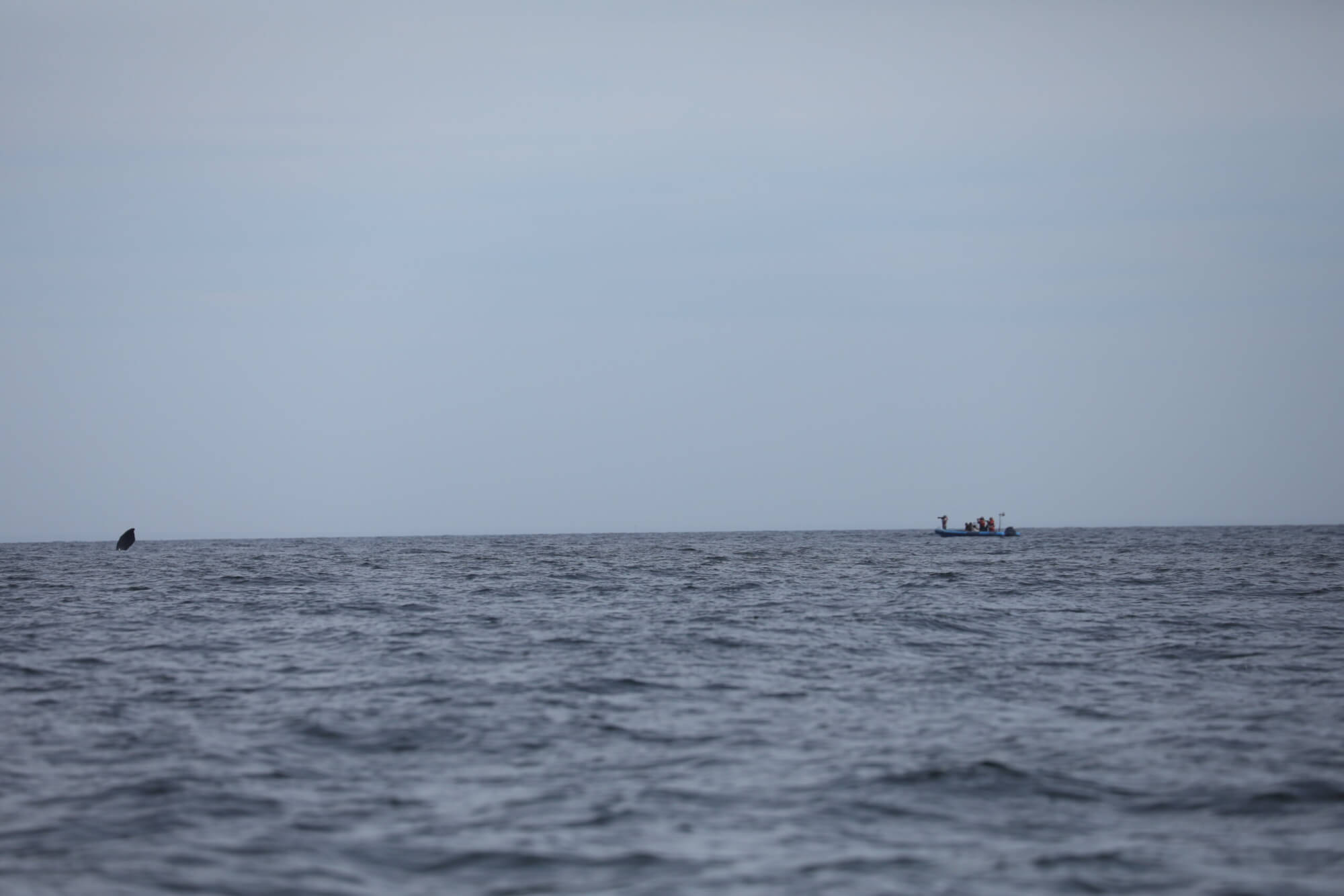
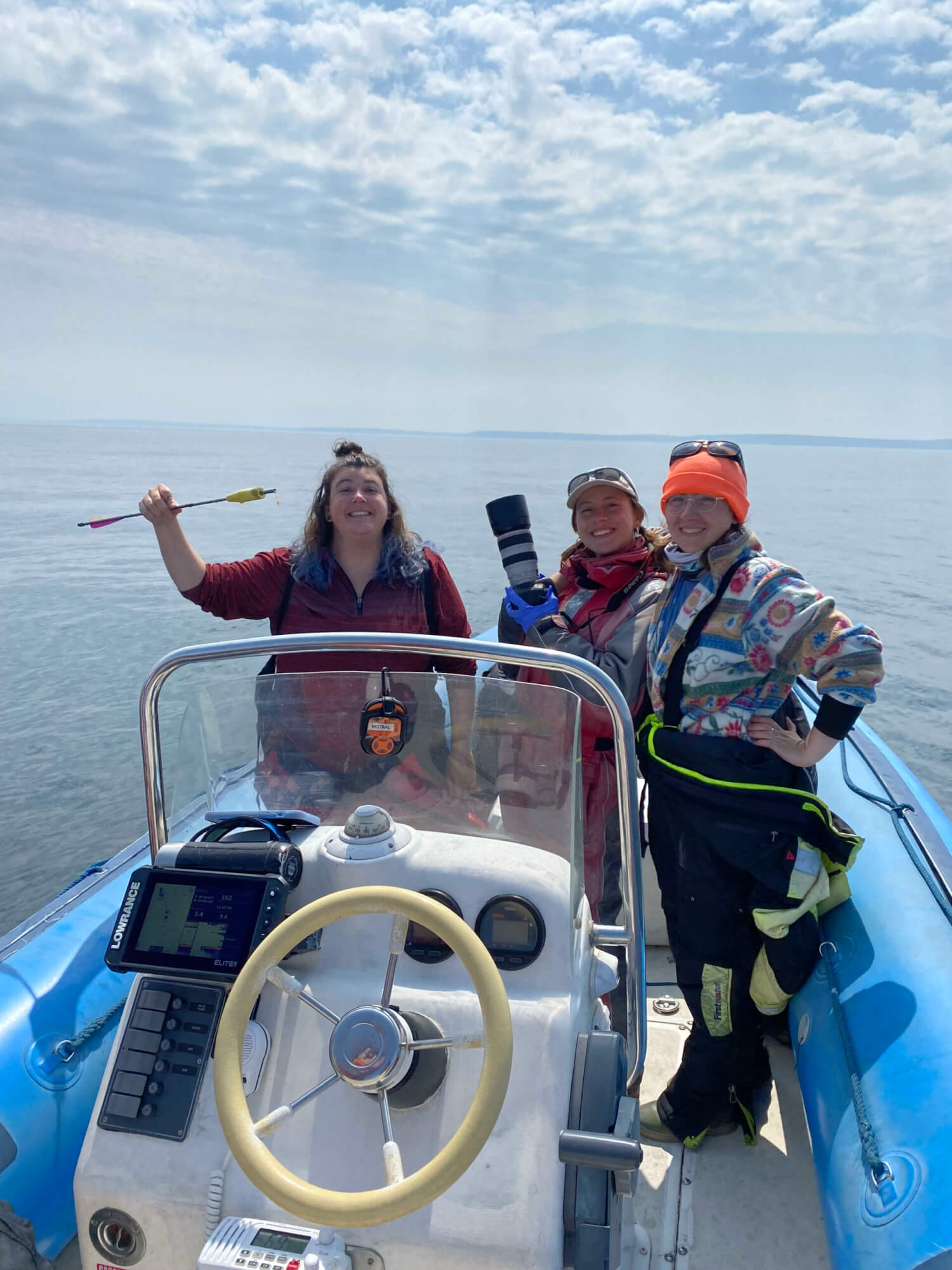
MICS conducts photo-identification and manages blue whale catalogues—one for the western North Atlantic and one for the east—which are used to track observed animals over time and space. The research centre also performs biopsies on selected individuals, a technique in which they take skin and blubber samples. Combined with photo-identification, biopsies help determine an individual’s sex and lineage, thus providing insight into the social structure and reproductive behaviours of the species under study. These samples can also be analyzed to determine the concentrations of contaminants such as pesticides and polychlorinated biphenyls (PCBs).
MICS research projects also include monitoring North Atlantic right whales, tracking cetaceans with satellite tags, measuring entanglement rates in fin and blue whales, studying humpback whale reproduction and body condition, differentiating trophic niches in fin whales in the St. Lawrence, and studying the sensory ecology and feeding behaviour of baleen whales.
In education:
The MICS Research and Interpretation Centre opened in 1992 and features a museum, a conference room, an audiovisual room, a library, and the team’s offices. Biologists conduct guided tours of the centre, providing valuable insights into marine mammal research in the St. Lawrence.
Career and internship opportunities:
- Summer internships
Between June and September, students can come for six weeks and immerse themselves in the daily life of the research station while honing their knowledge of marine mammals. Apply to become a summer intern!
- Offshore research expeditions
MICS offers opportunities to experience firsthand the work of scientists in the field. Participants can accompany scientists at sea for a day or even a week. The research station also offers outings dedicated to sunset photography.
Parks Canada
In short:
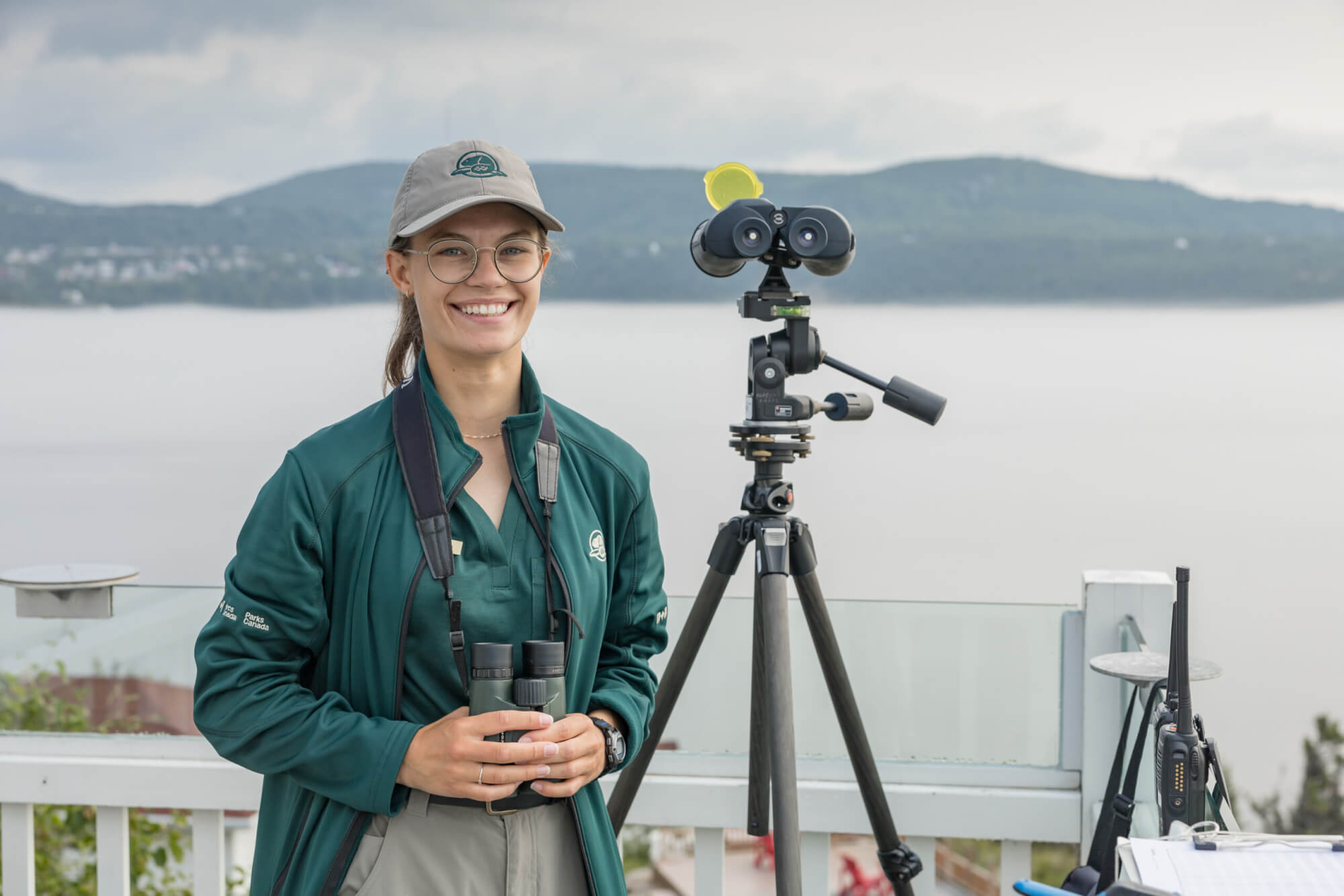
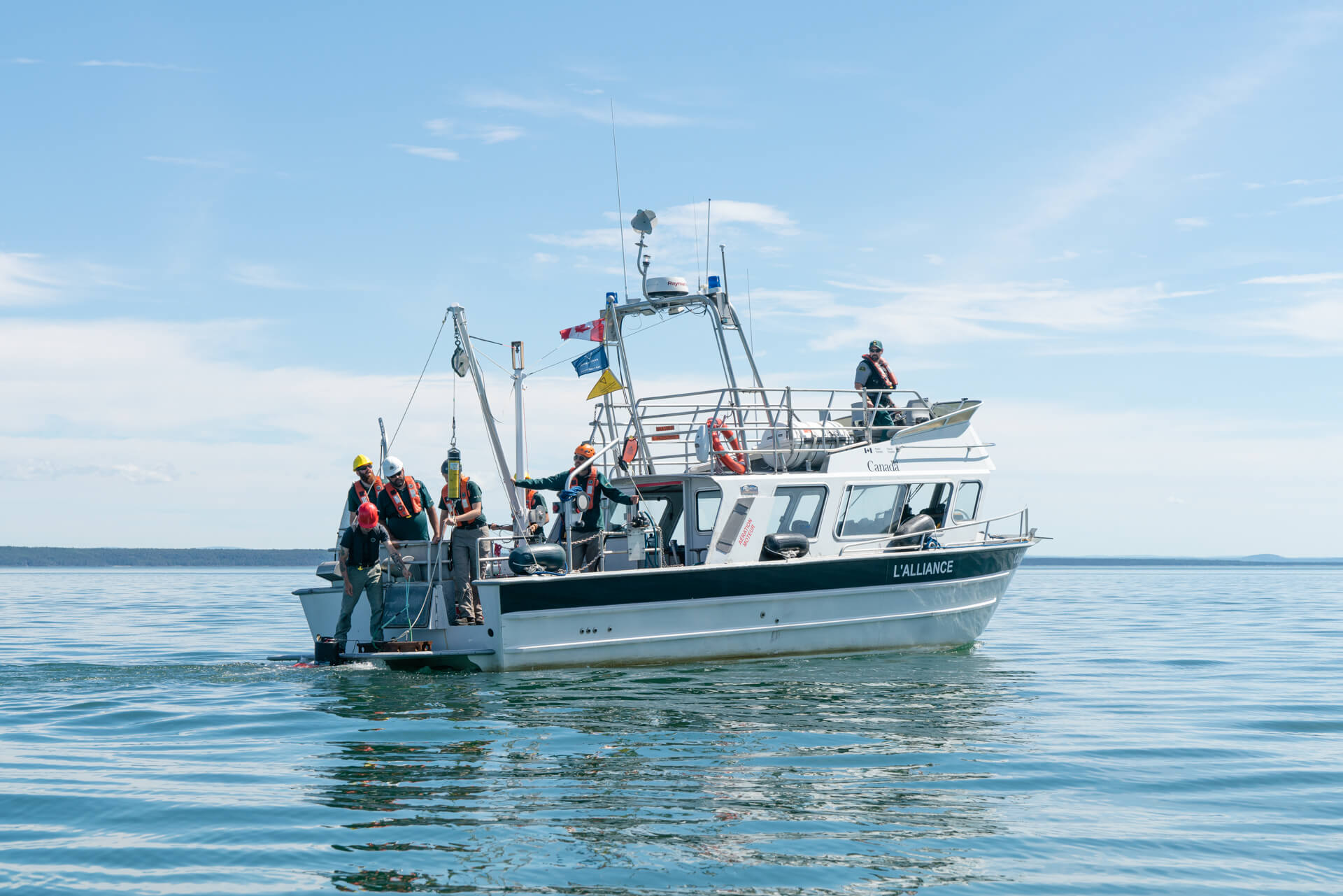
Parks Canada co-manages the Saguenay–St. Lawrence Marine Park, a marine protected area established in 1998. The team works primarily at the administrative office in Tadoussac, as well as three interpretation centres open to the public (Baie-Sainte-Catherine, Les Bergeronnes, Les Escoumins) and the Saint-Fidèle visitor centre (Charlevoix). Part of the team also conducts scientific monitoring and patrols at sea with the aim of raising awareness and enforcing regulations. The team helps fulfil the Marine Park’s mandate, i.e. to enhance the protection of its ecosystems for conservation purposes for present and future generations while promoting its use for educational, recreational and scientific activities. To support this mission, Parks Canada offers a variety of careers related to the protection and promotion of marine environments.
In research:
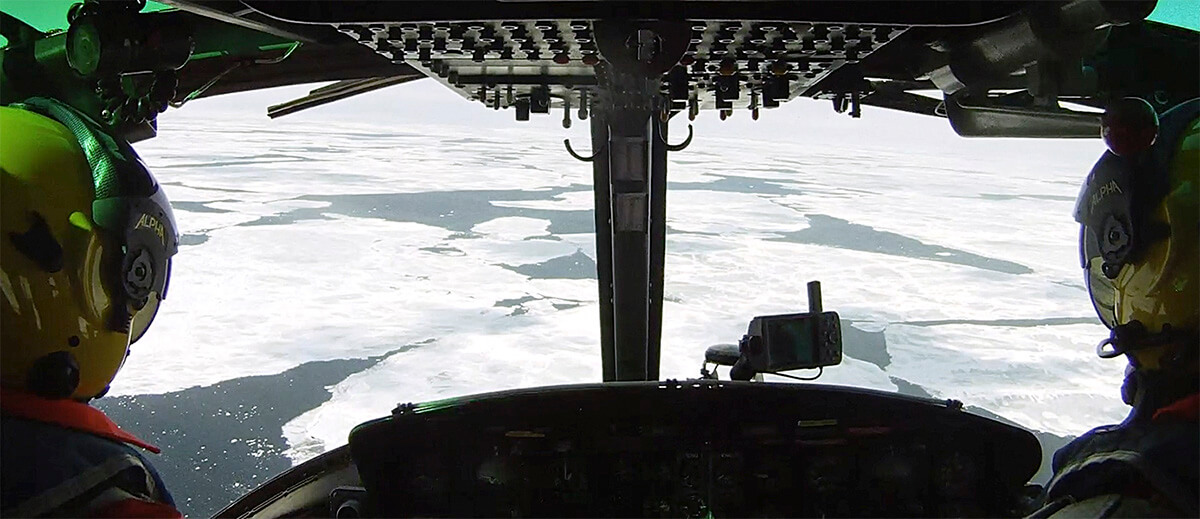
Parks Canada coordinates a program dedicated to ensuring the ecological viability of the Marine Park and the health of its ecosystems through 14 scientific monitoring programs conducted in collaboration with partners. Monitoring focuses on environmental quality, habitats, species, and the use of the marine environment, which encompasses the most important human activities. Depending on the project and their respective roles, research team members may be involved in data collection, analysis, or reporting.
In education:
Education and public awareness, which are essential for ensuring the protection of marine mammals and their habitat, rely on effective communication. Team members work to develop accessible content, educational programs, and promotional campaigns to inform the Marine Park’s various audiences about how best to conduct oneself in whale habitat and opportunities to explore the marine protected area.
Prime locations for observing marine mammals, the interpretation and observation centres administered by Parks Canada welcome over 60,000 visitors annually. On-site teams showcase the area’s natural and cultural treasures through educational activities and unforgettable experiences.
Career and internship opportunities:
Career opportunities are regularly offered in these various fields, including several student positions that allow individuals to contribute directly to the mission of protecting and promoting the Saguenay–St. Lawrence Marine Park.
Fisheries and Oceans Canada
This federal department has marine mammal research teams operating across Canada. In Quebec, the team is based at the Maurice Lamontagne Institute (MLI).
Maurice Lamontagne Institute
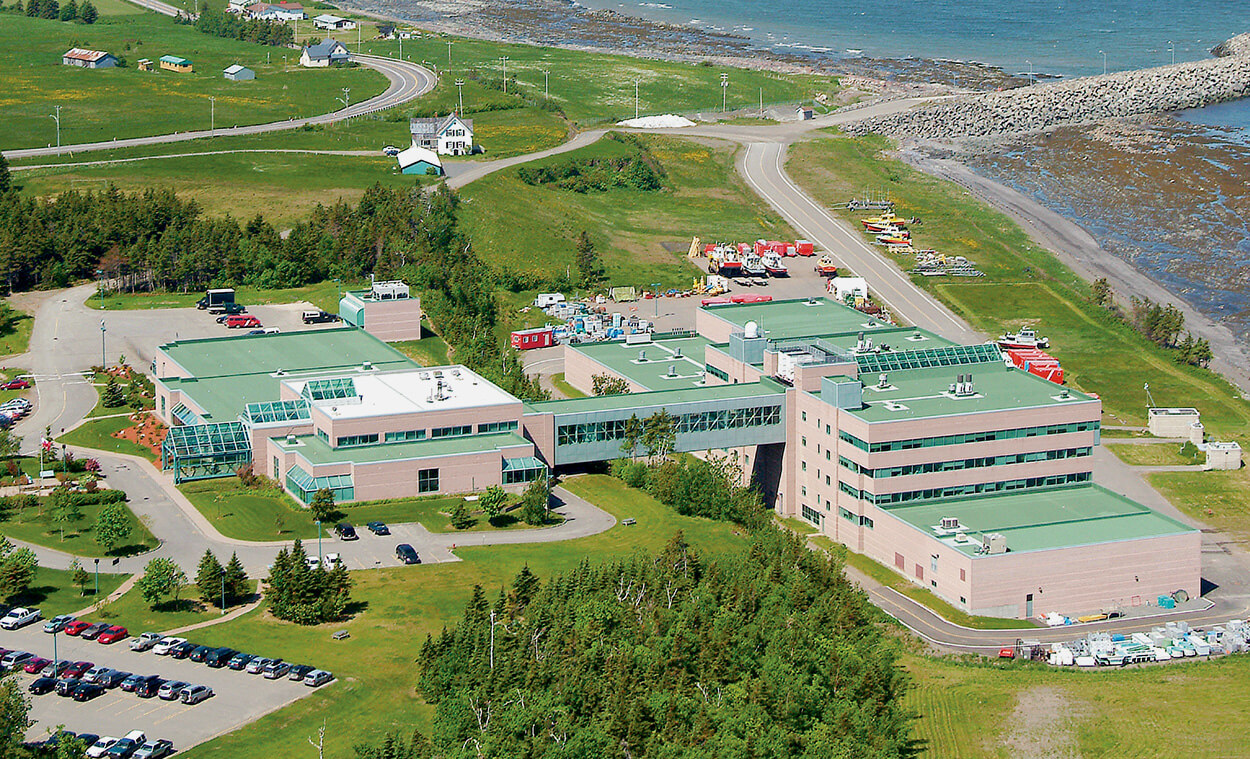
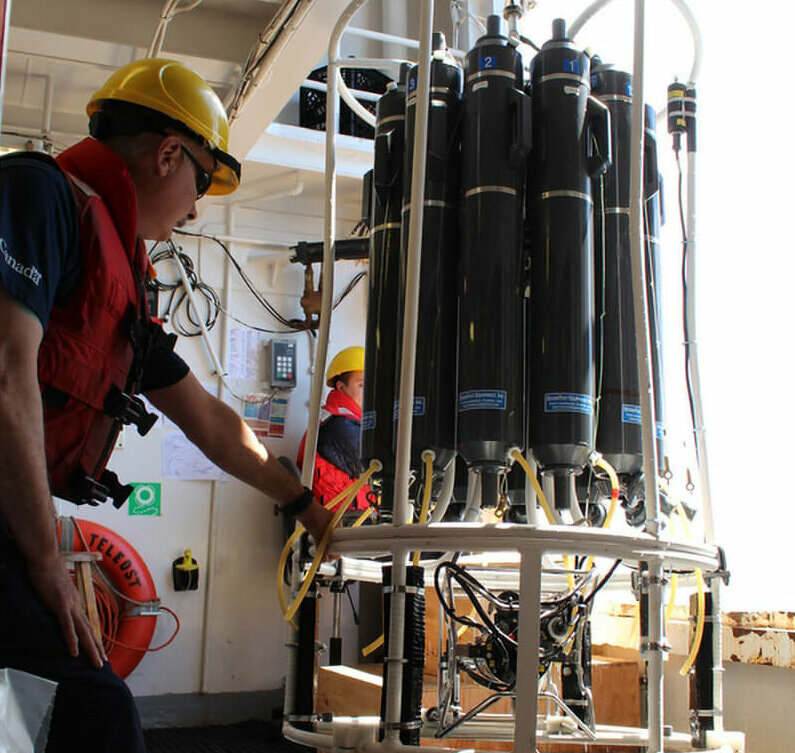
Located in Mont-Joli on the south shore of the St. Lawrence Estuary in Quebec, the Maurice Lamontagne Institute is part of Fisheries and Oceans Canada’s network of research centres. Founded in 1987, it is one of the top French-language marine science research centres in the world. With 70 laboratories, including a large tank room, nearly 500 employees work in ocean science and aquatic ecosystem management. These multidisciplinary teams provide the federal government with a rigorous scientific basis for the conservation and sustainable management of marine resources and aquatic ecosystems, protection of the marine environment, and safe navigation.
Their primary area of activity encompasses the St. Lawrence Estuary and Gulf, the Saguenay Fjord, as well as the Eeyou and Nunavik marine regions extending to James Bay, Ungava Bay, Hudson Bay and Hudson Strait. A few activities also relate to Quebec’s freshwater ecosystems, namely in the areas of fisheries protection, hydrography, invasive aquatic species, and aquatic species.
In research:
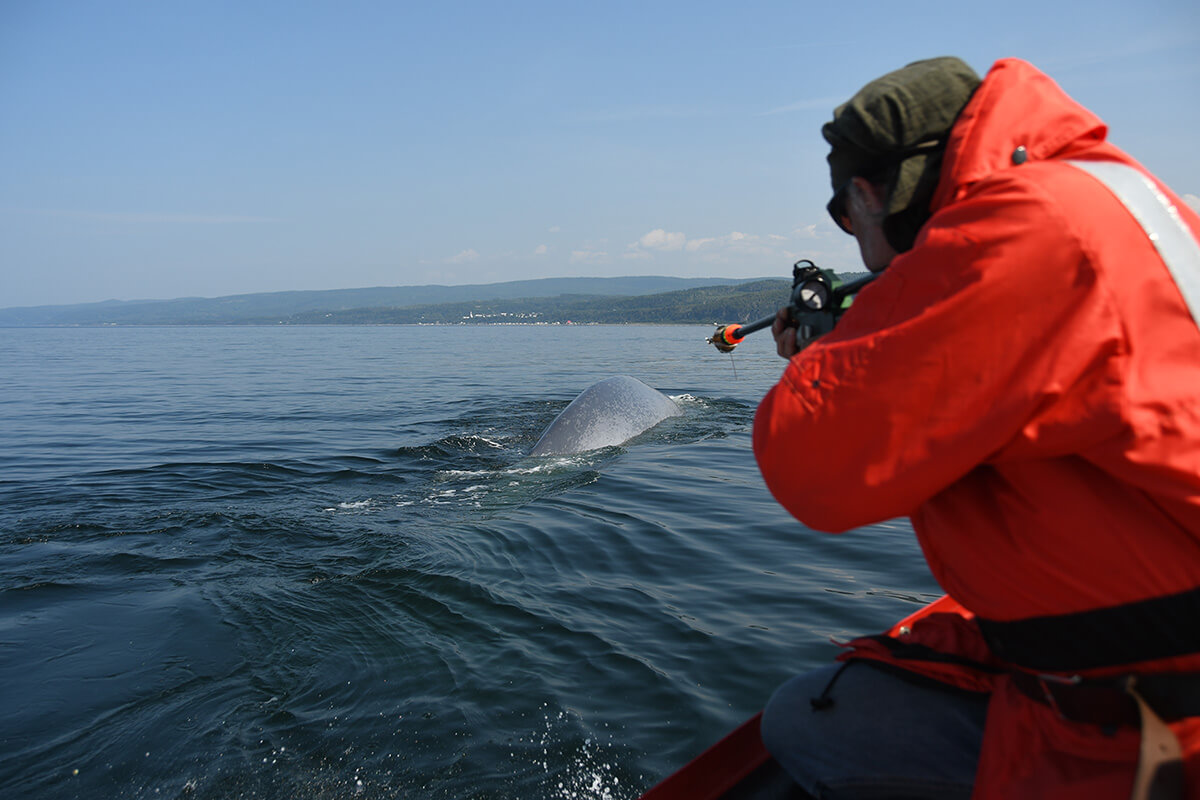
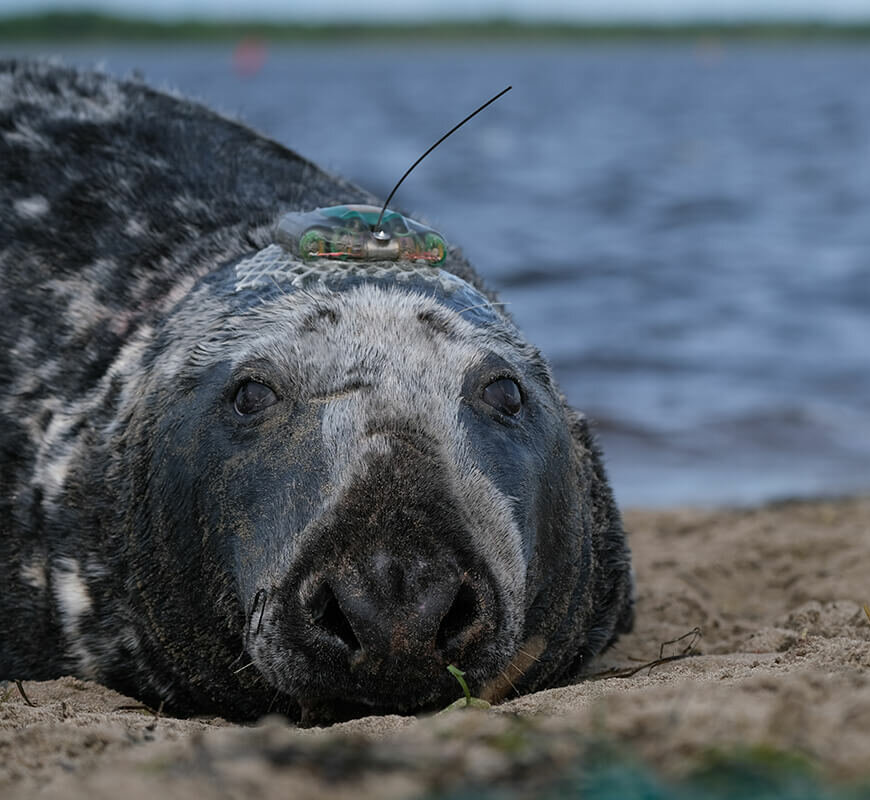
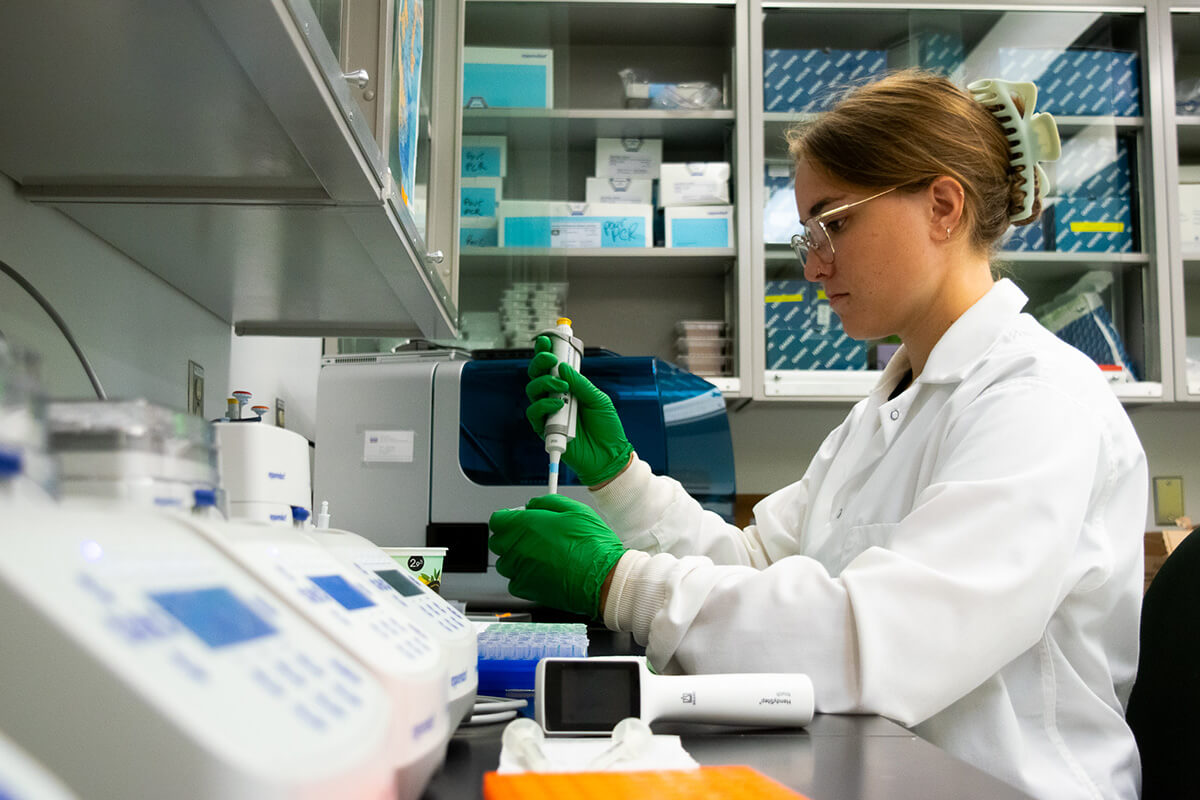
MLI employs a staff of approximately 40 in a variety of positions related to marine mammals, including:
- Marine mammal ecology research
- Population dynamics
- Estimation of population abundance and trends
- Estimation of catch rates to support the management of stocks
- Interactions with commercial fisheries and the ecosystem (e.g. diet and energy requirements)
- Geographic distribution, migrations, and habitat use (critical habitats [Species at Risk Act], marine protected areas [Oceans Act])
- Monitoring of threats and environmental changes
- Assessment, protection, and recovery of species at risk
- Population genetics
- Marine acoustics
In education:
The Institute organizes scientific conferences and guided summer tours for the public.
Career and internship opportunities:
Visit the government website to stay informed about job postings and opportunities under the Federal Student Work Experience Program.
To learn more:

Marine Mammal Observation Network (MMON)
In short:
Created in 1998, the Marine Mammal Observation Network (MMON) is a Quebec non-profit whose primary mission is the conservation and promotion of cetaceans and seals and their habitats, as well as the sustainable development of the maritime industry. The organization is mainly active in the St. Lawrence Estuary and Gulf. Through the implementation of a number of conservation, knowledge acquisition, environmental monitoring, education, and awareness projects, MMON strives to better regulate various economic activities in the St. Lawrence—such as whale watching, commercial fishing, coastal ecotourism, and maritime work—so that they are carried out in the spirit of sustainable development.
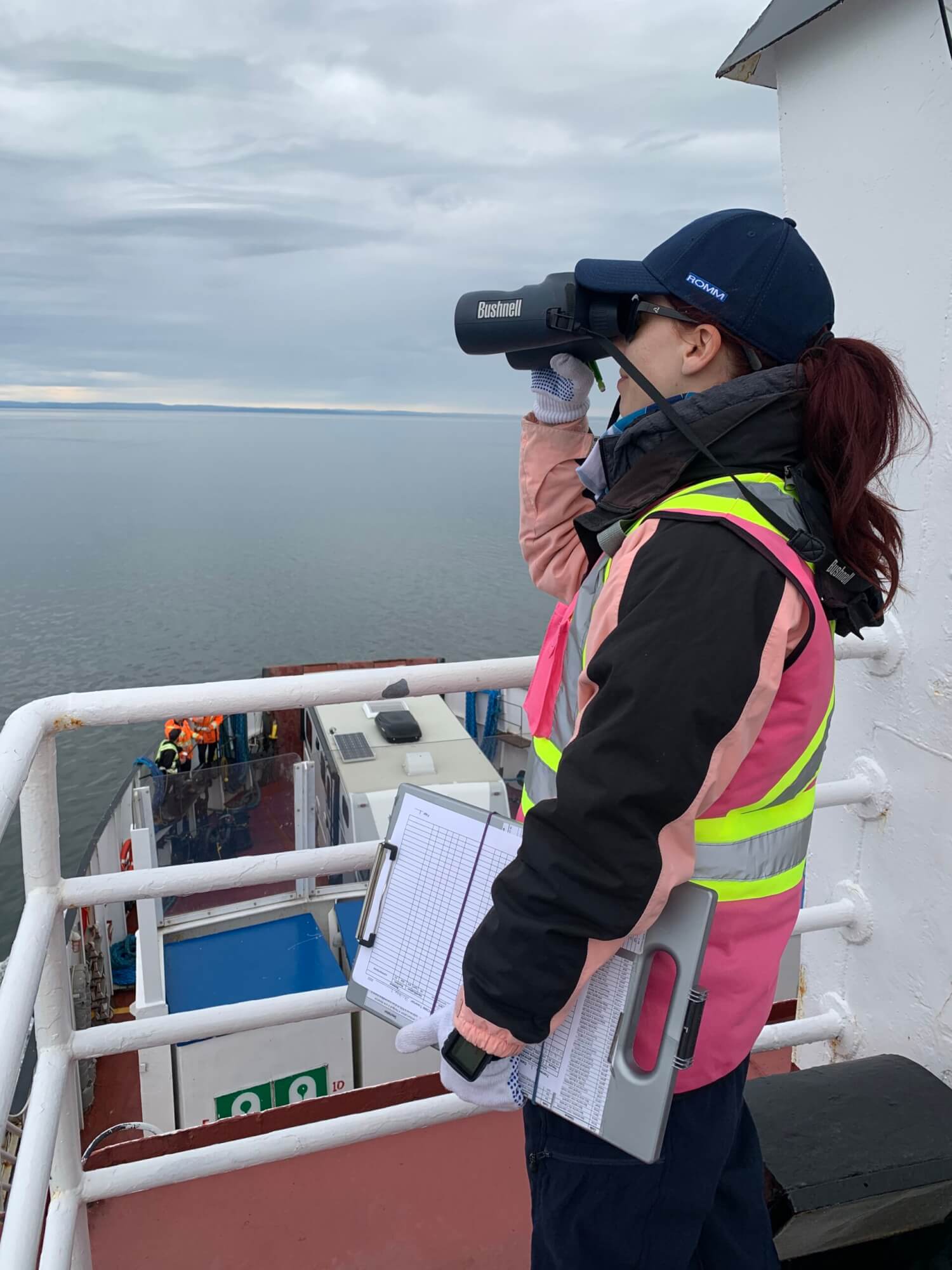
MMO training
Over the past decade, MMON has developed expertise in marine mammal observation activities, notably through numerous cetacean monitoring program contracts in the context of pier restoration work, dredging, geophysical and geotechnical surveys, and seismic surveys. For more information, visit mmo-omm.ca. In 2011, MMON established the first training program in Canada for marine mammal observers and passive acoustics system operators, in partnership with the École des Pêches et de l’Aquaculture du Québec. Since January 2024, this training (in French) has been updated in collaboration with the Cégep de La Pocatière and Cégep de Baie-Comeau. The training is recommended by Fisheries and Oceans Canada, and many business owners require the presence of observers during maritime work.
Observer member
MMON is built upon a network of observer members that include whale-watching companies, conservation parks, and shipping companies. They gather data on the whales and seals they observe throughout the season. Even members of the public can collect this information using the Vigie marine data collection and visualization tool.
Education and awareness
The “education and awareness” component is a key part of MMON’s activities. The organization aims to involve as many people as possible from diverse backgrounds in the protection of marine resources, especially marine mammals and endangered species. Over the years, MMON has carried out numerous projects, including the Mariner’s guide, Fisher’s guide and Whale-watcher’s guide. The team regularly organizes workshops and information booths, in addition to giving presentations to a variety of audiences.
Navigating Whale Habitat
Since its founding, the organization has implemented numerous training programs for a wide range of groups who interact with marine mammals in one way or another. Its most recent achievement is the creation of a platform on the website www.navigationbaleines.ca that brings together information on regulations, marine mammal identification training, awareness guides and more, depending on the user category (boaters, fishers, shipowners, tour operators and the general public.
Career and internship opportunities:
The Marine Mammal Observation Network (MMON) offers internship and employment opportunities (in French) for technicians and interpretive guides during the summer months. MMON also offers internships followed by employment to CEGEP graduates of bioecology and wildlife management programs across the province. Collaboration opportunities for master’s and PhD projects are also available.
Université du Québec à Rimouski (UQAR)

Institut des sciences de la mer (ISMER)
In short:
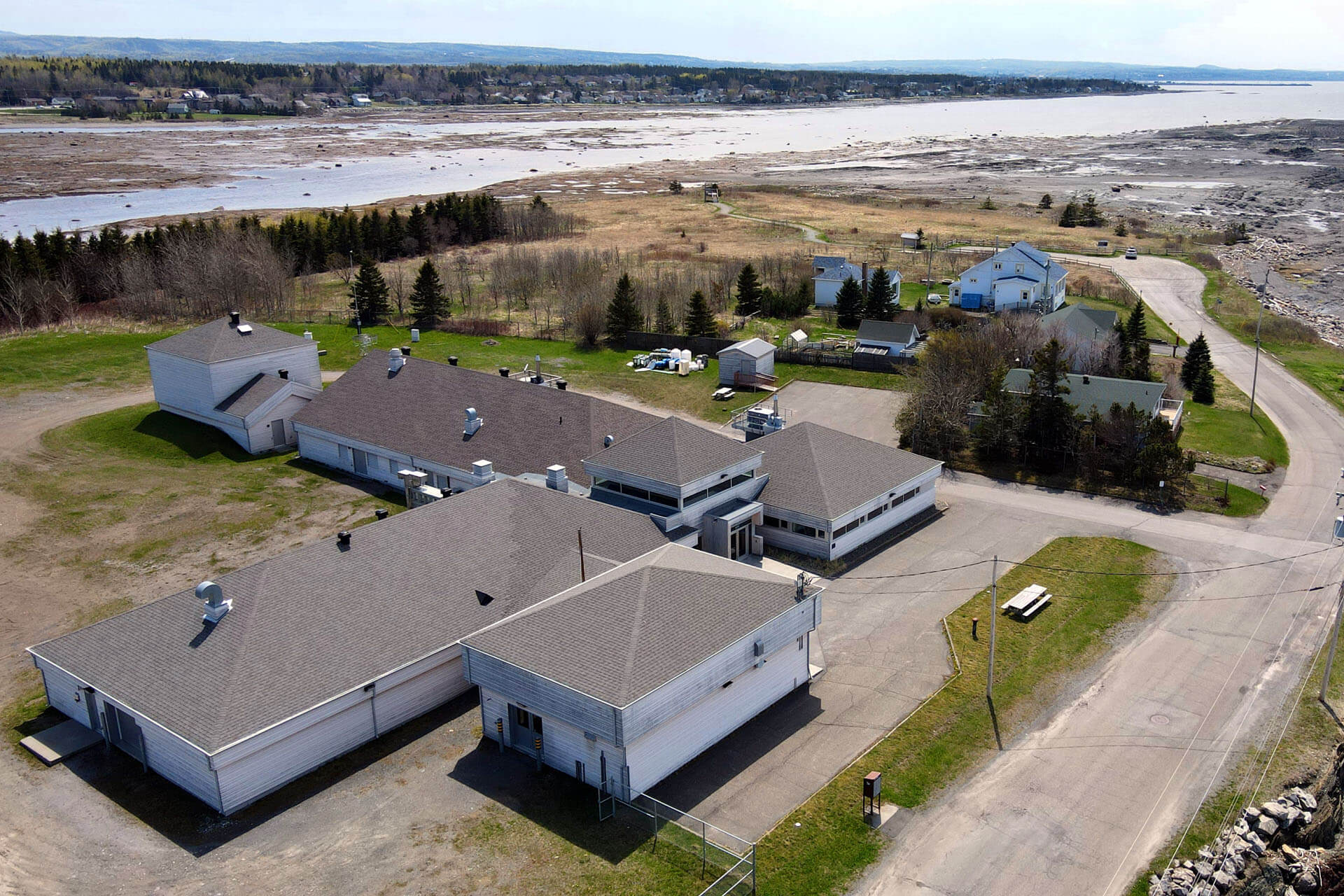
Founded in 1999, the Institut des Sciences de la Mer at the Université du Québec à Rimouski (ISMER-UQAR) is one of the foremost French-language academic research institutes of marine sciences in Canada. It brings together biology, chemistry, physics, and geology experts who are dedicated to research and the advancement of knowledge about marine and coastal environments.

In research:
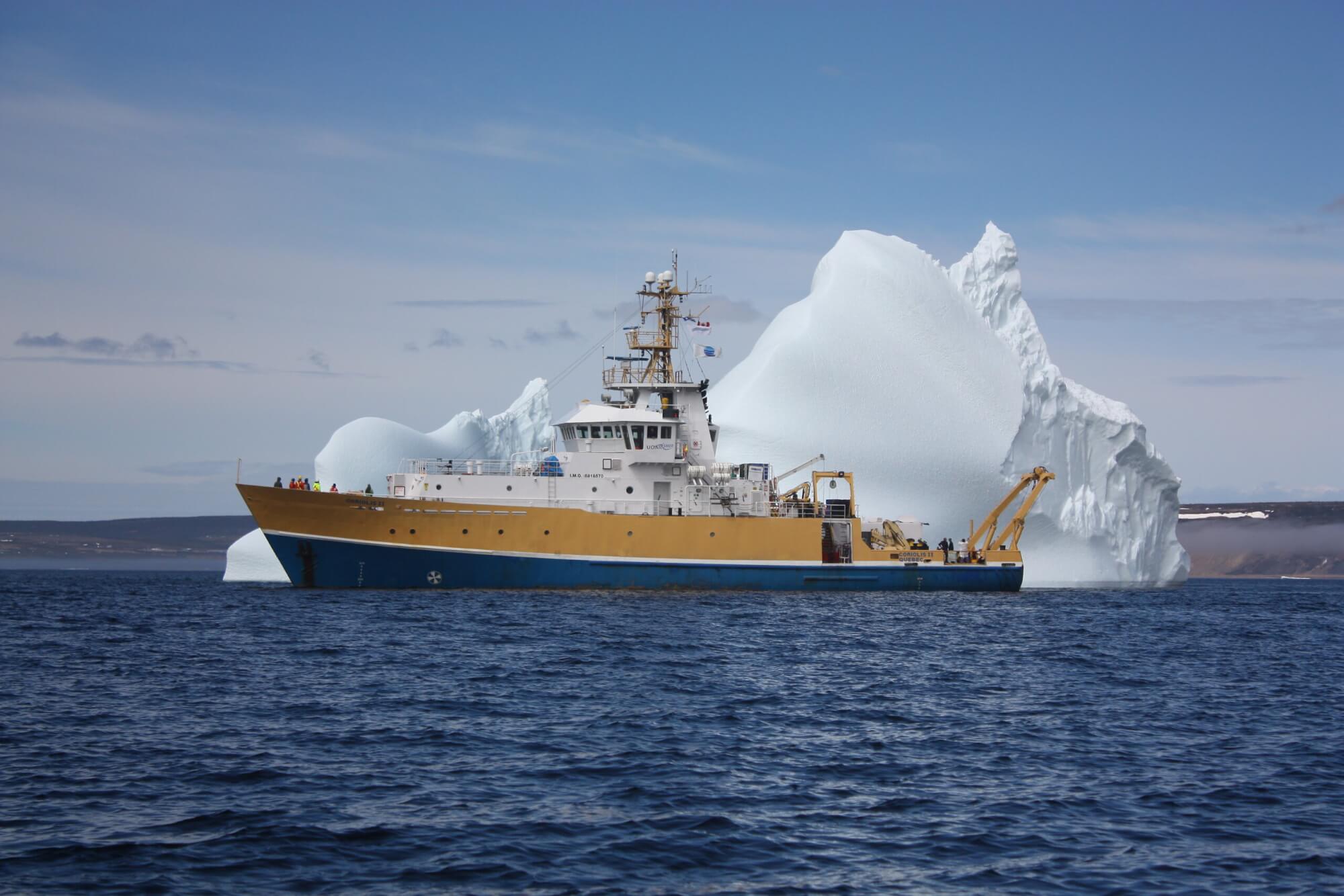
The Institute focuses on how marine ecosystems function with regard to climate change, the impacts of human activities, the sustainable development and exploitation of marine bioresources, marine geology, and natural hazards. ISMER-UQAR professors and students conduct research around the globe, from the Arctic to Africa and South America.
The institute is working on a marine acoustics research project with direct implications for marine mammals: the MARS Station. The team has catalogued the sounds of these mammals, which can be found here: Sounds at the Station | MARS Project (in French).
In education:
ISMER-UQAR trains over 150 students annually, providing them with access to an exceptional natural environment conducive to learning. Possible programs of study include a DESS (1-year graduate program), a master’s degree or a PhD in Oceanography.
Career and internship opportunities:
See job postings, internships, and other opportunities here!
Learn more:
Profile of Jeanne Mérindol, master’s student in Oceanography at UQAR-ISMER (Rimouski campus) (in French)
Listen to the first two episodes (in French) of the series Fleuve en eaux troubles: “Crabe des neige et baleine noire” or “Le Saint-Laurent “Réel capharnaüm”
Additional organizations
- Other noteworthy companies and organizations in Quebec include the Société des établissements de plein air du Québec (Sépaq), which offers summer opportunities for working as a guide-interpreter in the Baie Sainte-Marguerite area, an important location for St. Lawrence belugas!

- A number of whale-watching companies offer seasonal jobs as guide-interpreters and/or captains on board their boats.
- In Quebec, there are also many companies developing technologies designed to protect marine mammals. We suggest you check out the innovative work being done at SENSEA Canada, Merinov, or Whale Seeker.