
Strong Winds, Big Whales

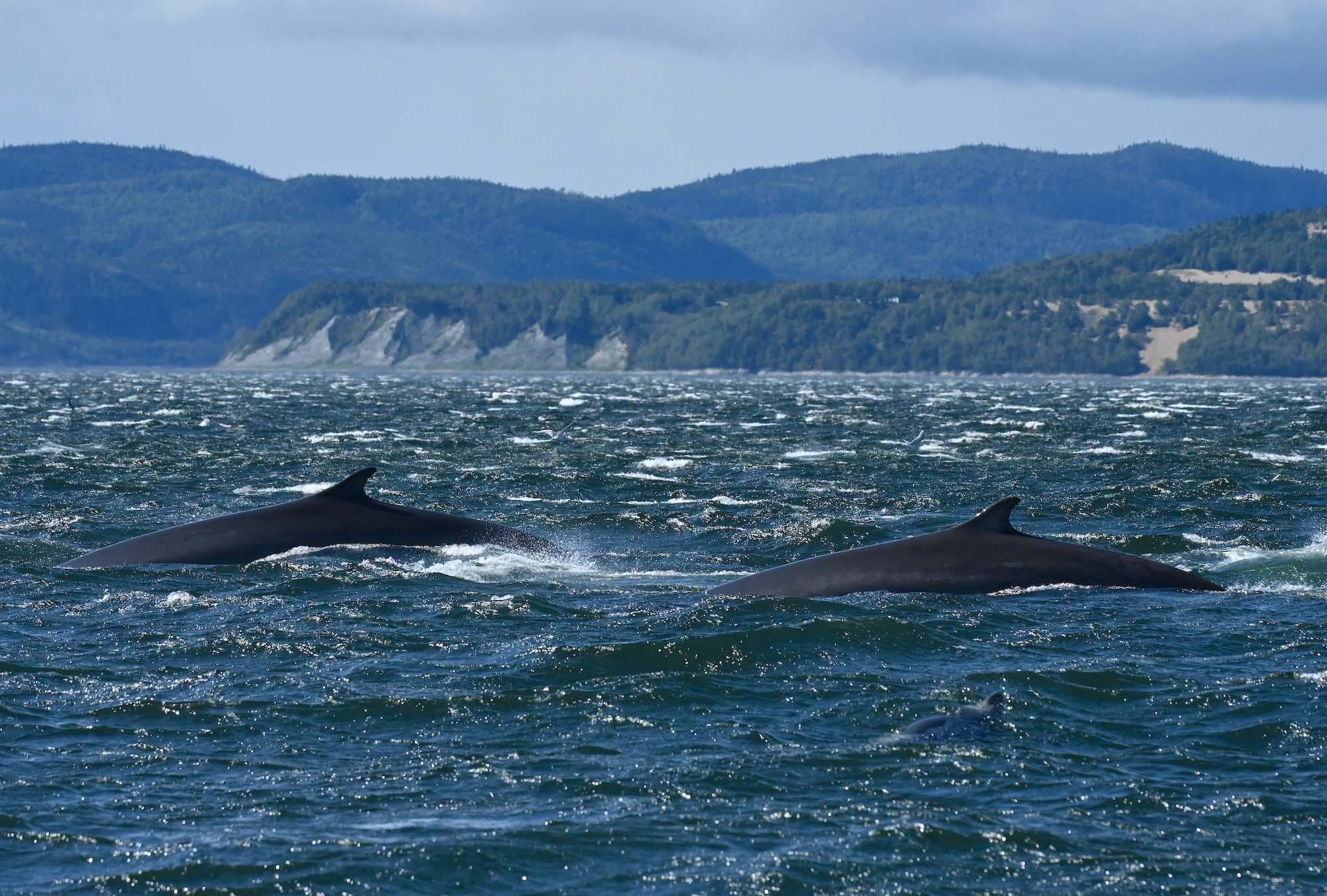
Despite the strong winds, fog, and plummeting air temperatures, marine animals of all kinds continue to roam the St. Lawrence. In the Minganie region, fins and blows of all shapes and sizes are being spotted, while off the Gaspé Peninsula, the glossy backs and blowholes of small and large cetaceans are quietly observed. The world’s second-largest whale maintains a strong presence at the head of the Laurentian Channel, with groups of around ten individuals sending their blows spewing into the azure sky.
V-shaped blows and big babies
“It’s a humpback frenzy here: 17 this week alone,” reports the Sept-Îles Education and Research Centre (CERSI). Identified individuals include Lazy Zhu (H731) and her calf, as well as Leprechaun (H379). Two blue whales were also spotted in the area. Meanwhile, a basking shark, three fin whales, and about ten North Atlantic right whales were observed in the Mingan sector, notes the Mingan Island Cetacean Study (MICS). MICS was able to identify individuals #3810, #2743, #3845 and #4539, as well as the female right whale Boomerang (#2503) and her calf, which was born last winter.
According to 2024 estimates, approximately 384 individuals of this species remain worldwide—a figure that is still low despite the 23 births tallied last winter. Entanglement and ship strikes are currently the primary threats to the species’ recovery. A study published last week by the Canadian Wildlife Federation states that one of the most effective measures for reducing the risk of collisions between ships and whales would be the establishment of marine traffic management zones. Furthermore, the study notes that not a single North Atlantic right whale has died from collisions in Canadian waters since 2019!
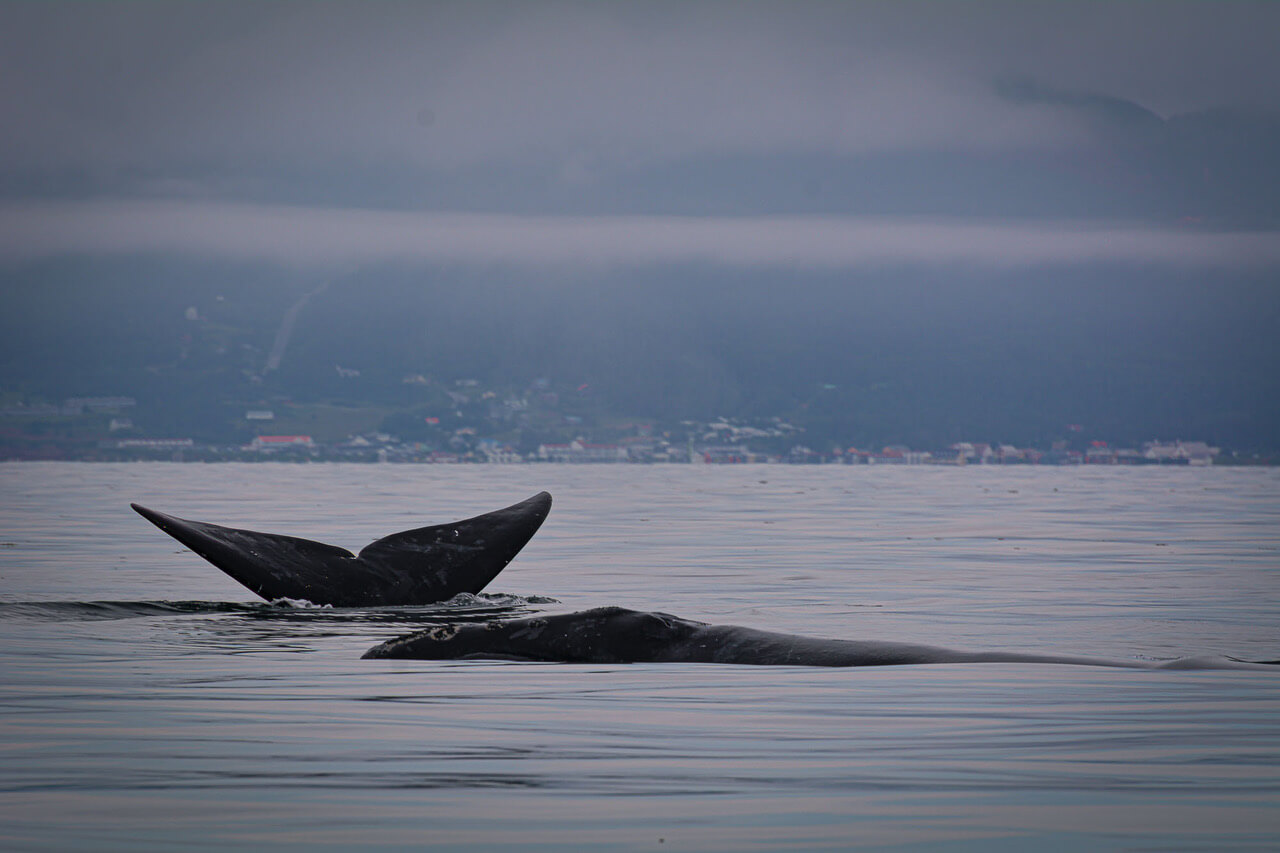
Near Baie-Comeau, a sharp observer reports the presence of a few humpbacks and minke whales. “We’re spoiled!” he adds. Off the coast of Baie Saint-Pancrace, a group of about thirty grey seals was spotted, along with a few harbour porpoises. Meanwhile, the female humpback Hunter (H461) and her calf were seen moving west of Franquelin. Near Forestville, a multitude of harbour porpoises were swimming offshore.
Quiet yet diverse
Harbour seals near the Cap-aux-Os beach, minke whales at L’Anse-aux-Amérindiens, and a porbeagle shark round out the sightings list in Gaspé Bay. “It’s been very quiet in the bay for some time now,” points out one naturalist. An ocean sunfish—also known as Mola mola—was spotted near the Magdalen Islands. Meanwhile, a few North Atlantic right whales have been reported between the Gaspé Peninsula and Anticosti Island, as well as at the entrance to Chaleur Bay.
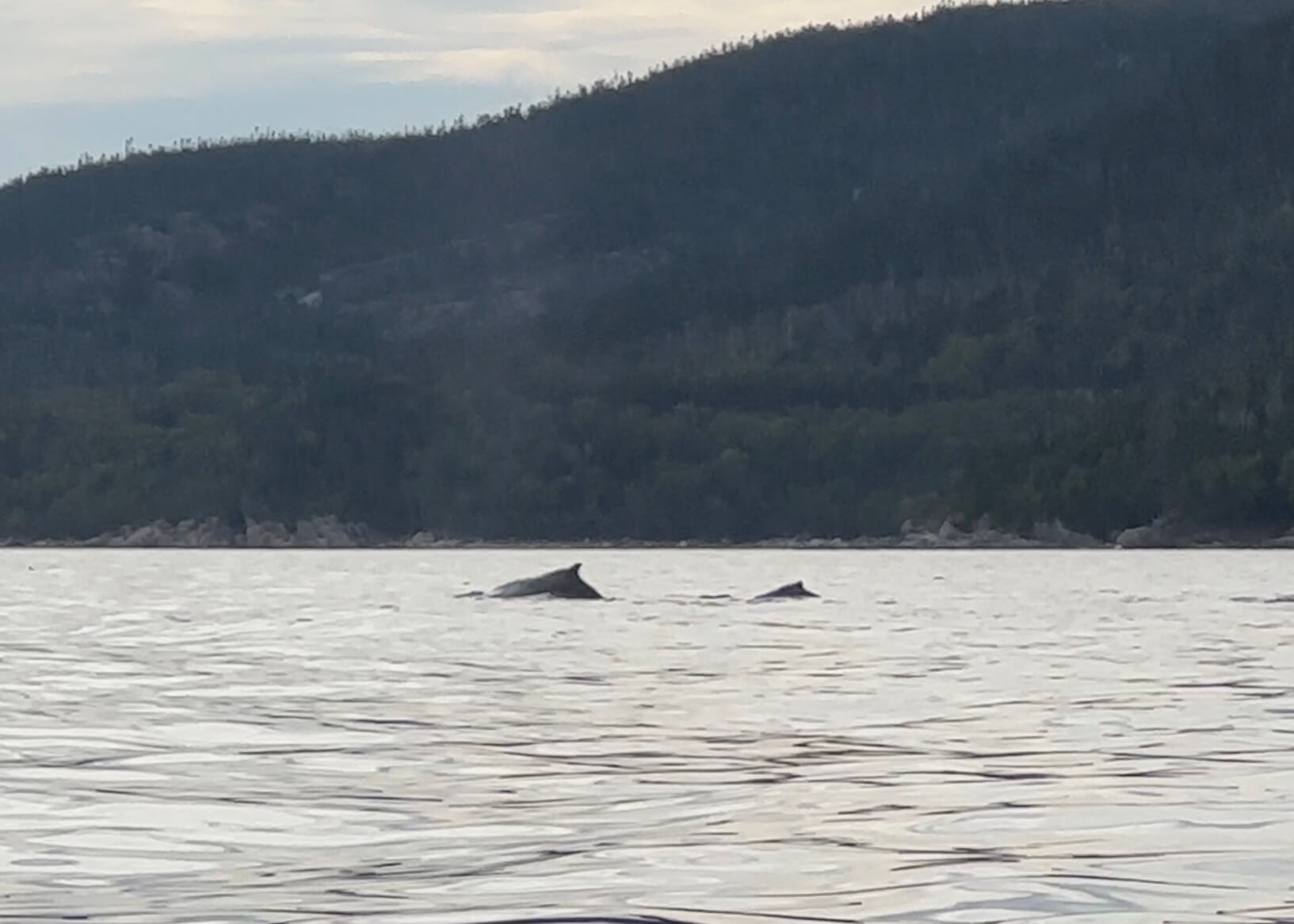
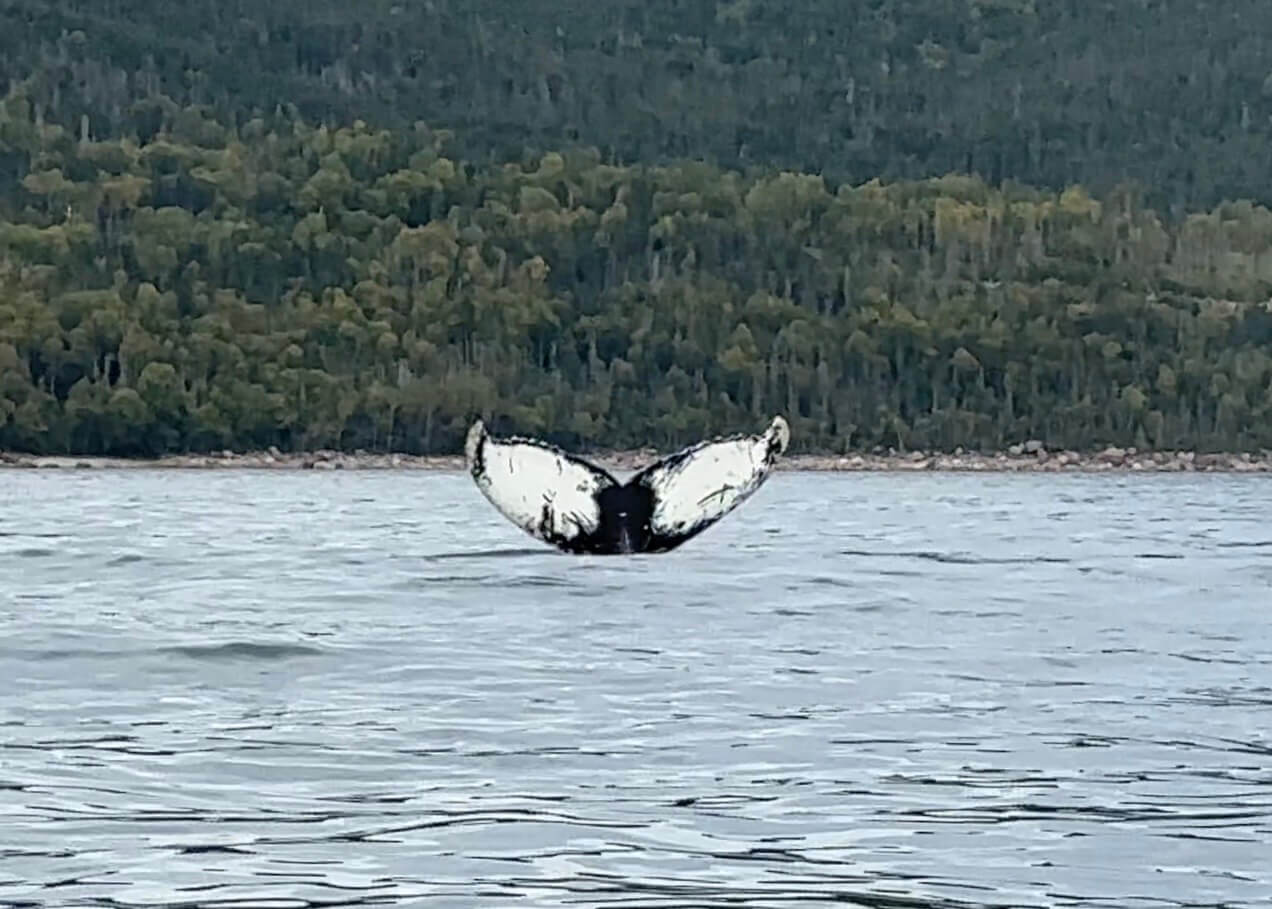
In Sainte-Anne-des-Monts, dolphins appear to have been spotted by an observant local resident. Farther west, near Petits-Méchins, a humpback whale was reported on the Vigie Marine citizen science platform. Another humpback was spotted off the coast of La Martre, not to mention a minke whale and a blue whale!
Fin whales... and more fin whales!
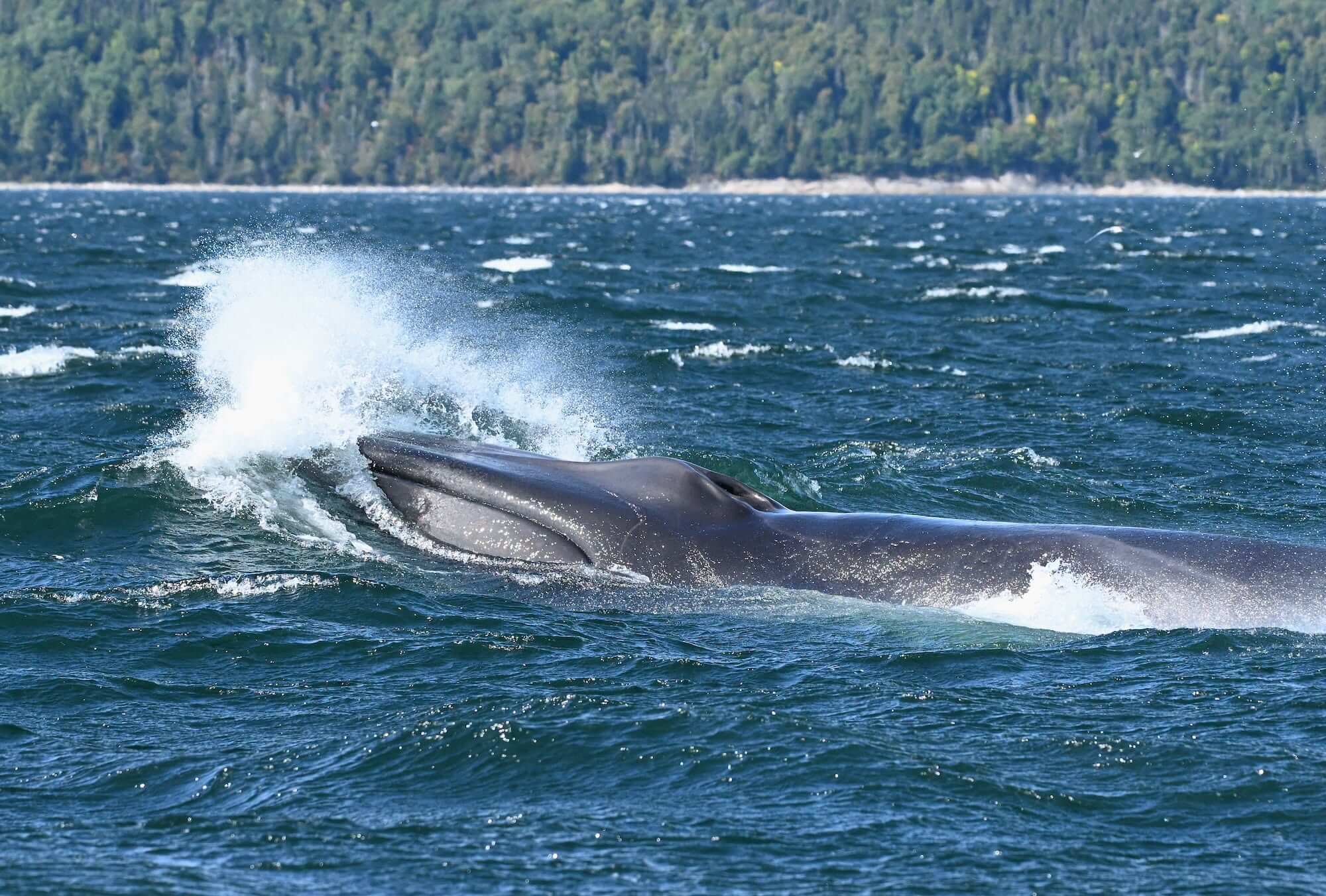
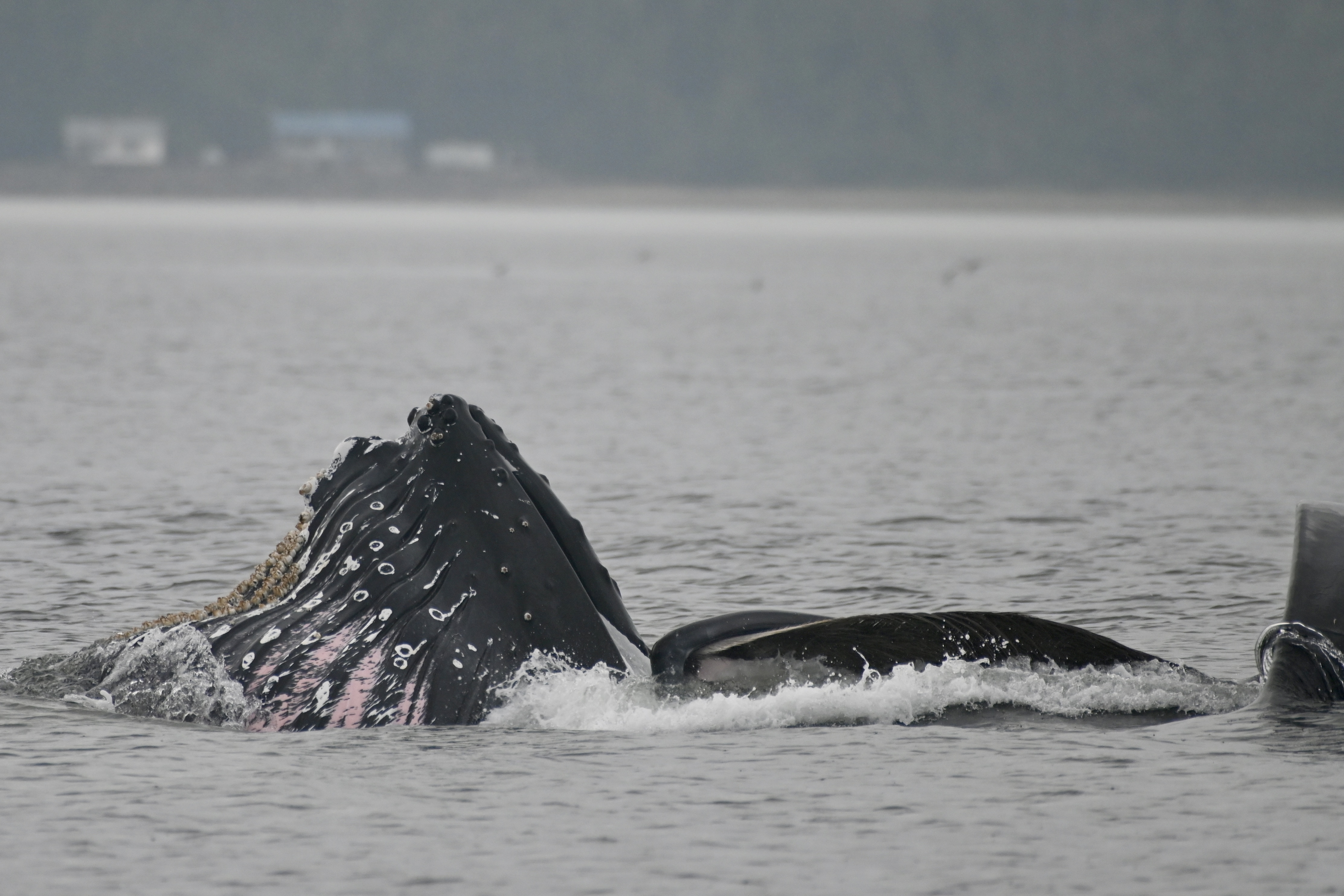
Whether alone or in groups of close to a dozen, fin whales have been stealing the show in the Saguenay–St. Lawrence Marine Park. “The fin whales were so active in the afternoon; they would often partially lift their heads to breathe between or right over the waves,” notes a naturalist and wildlife photographer, describing the behaviour he observed in the world’s second-largest cetacean between Tadoussac and Les Bergeronnes. Meanwhile, blue whales B369 and B408 were spotted farther east, near Les Escoumins. B408 has reportedly visited the Marine Park just three times: in 2006, 2013, and 2026, according to the research team at the
Group for Research and Education on Marine Mammals (GREMM).
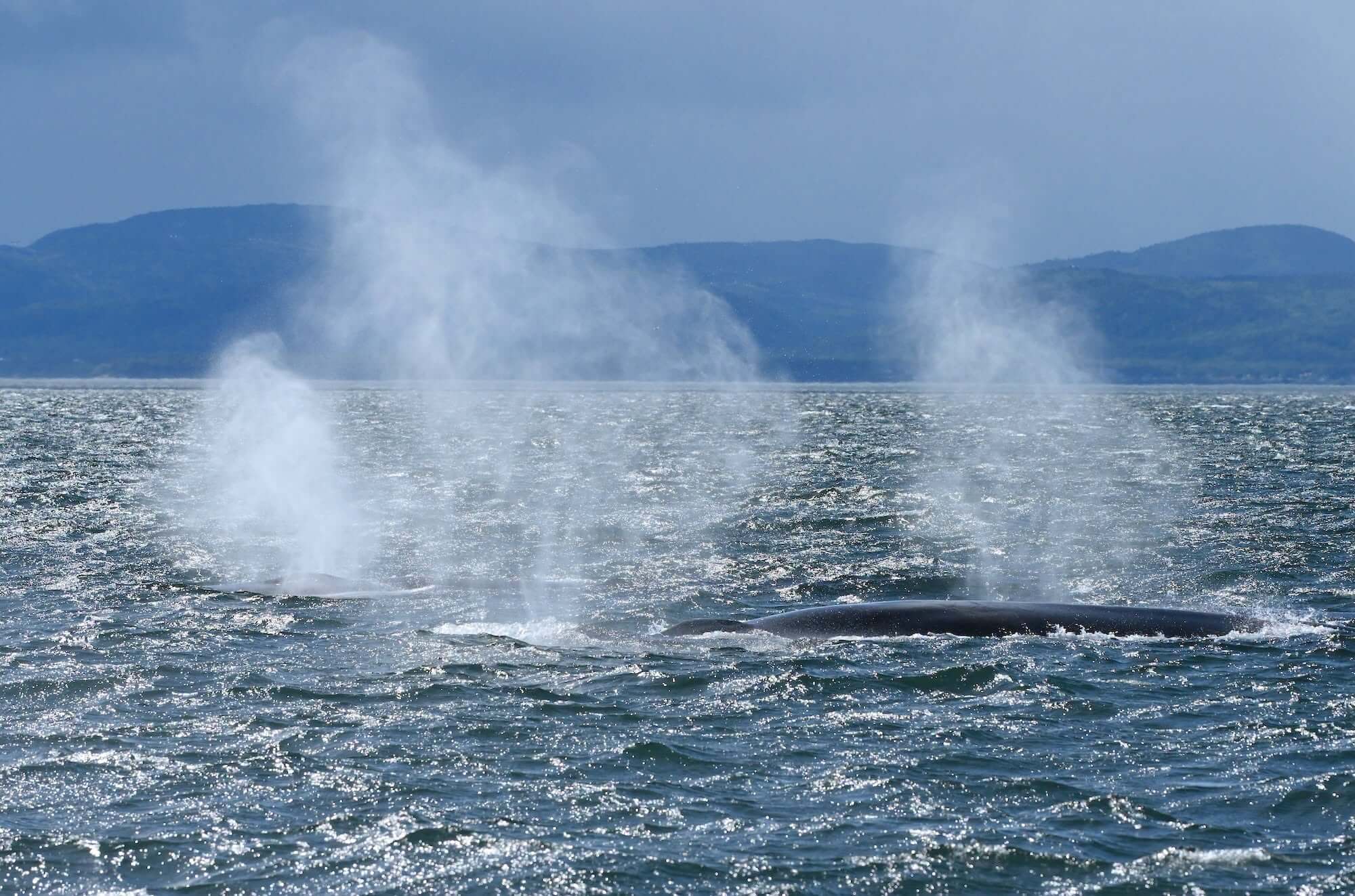
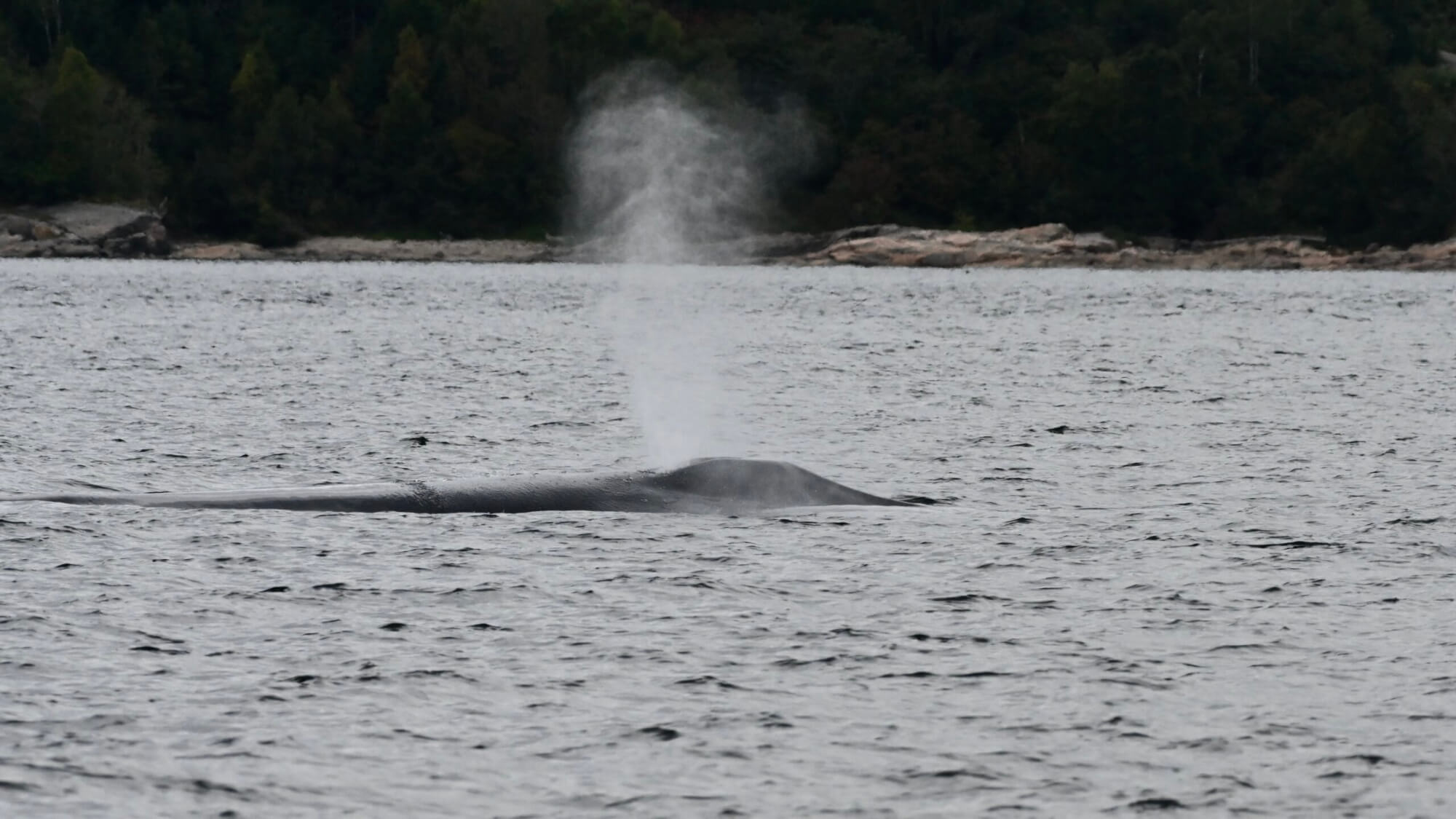
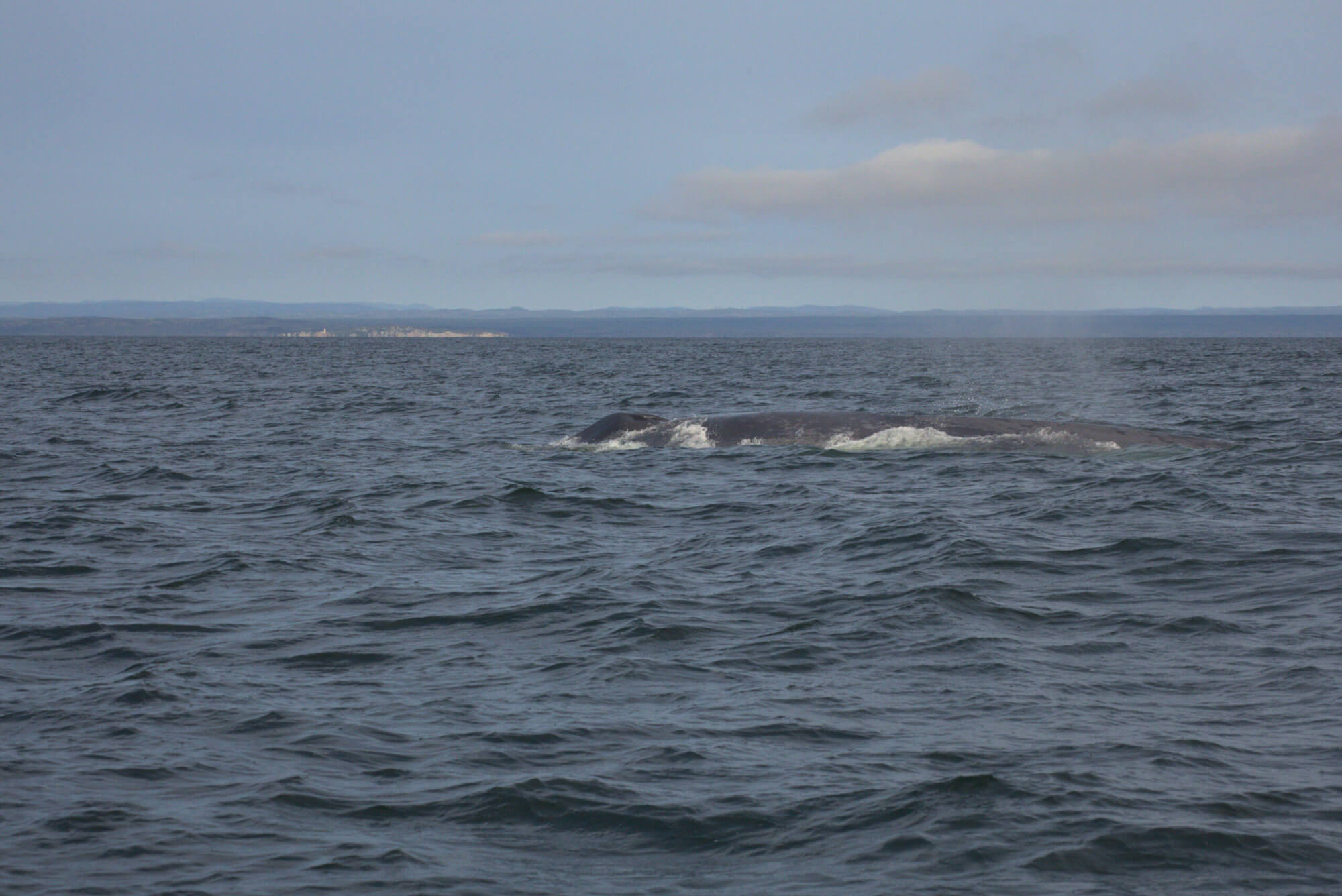
Where had it been all those years? Did it slip under the research teams’ radar, or did had it gone somewhere else to feed? Blue whale migration patterns remain rather poorly understood. During migration, certain individuals will occasionally develop site fidelity to specific areas. Moreover, most of their movements are dictated by the distribution of their preferred prey: krill! Does B408 favour the Gulf of St. Lawrence?
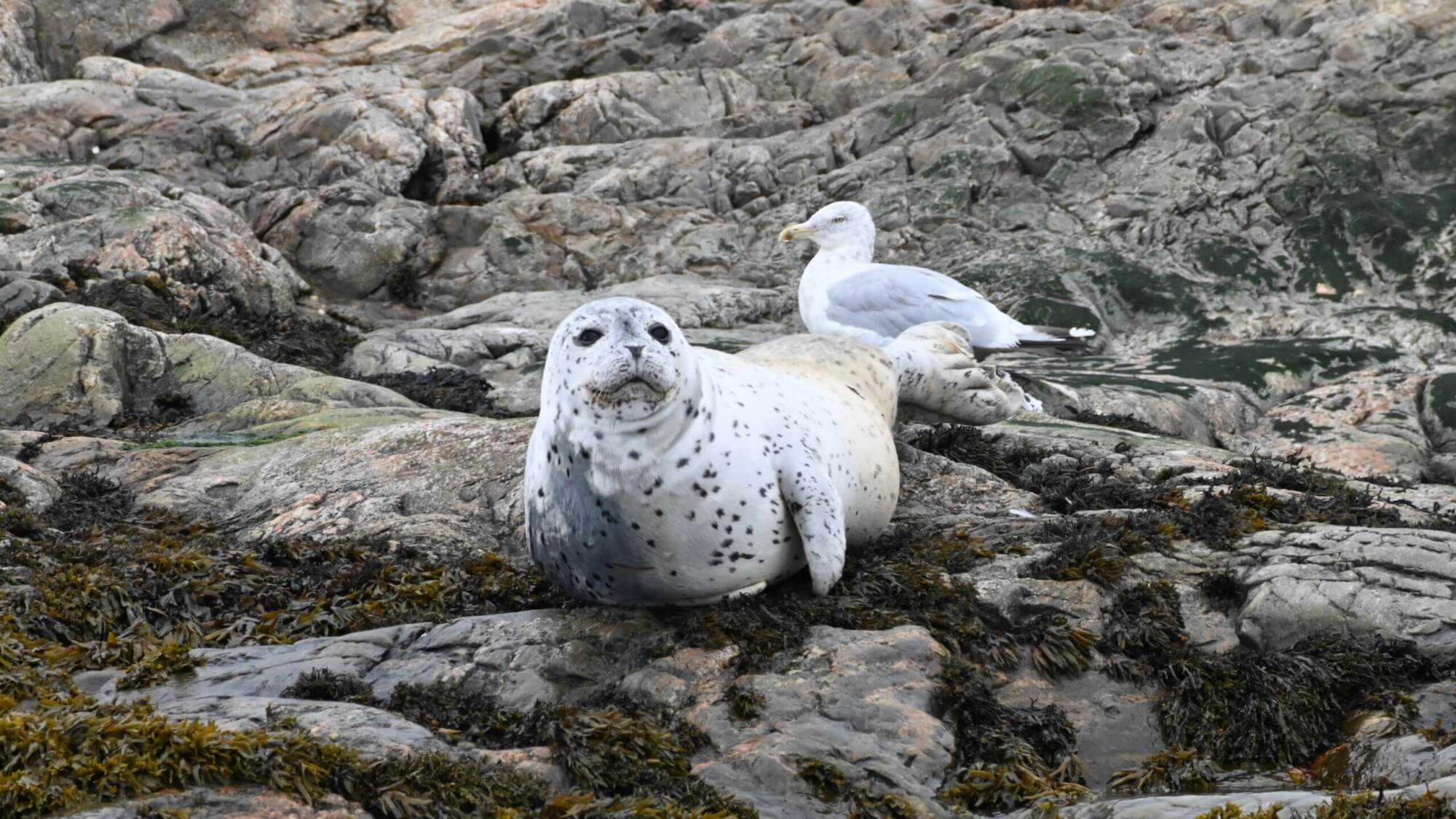
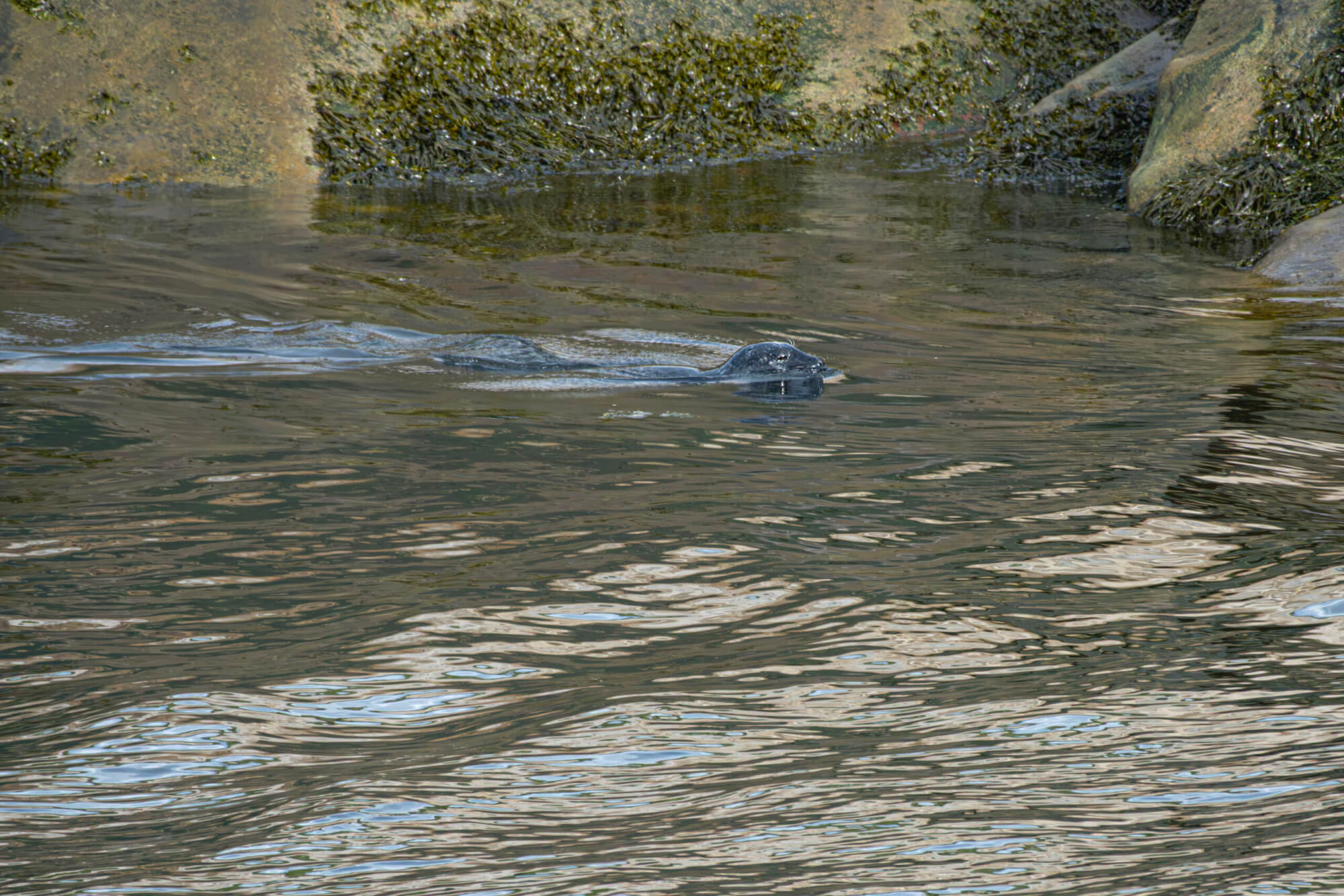
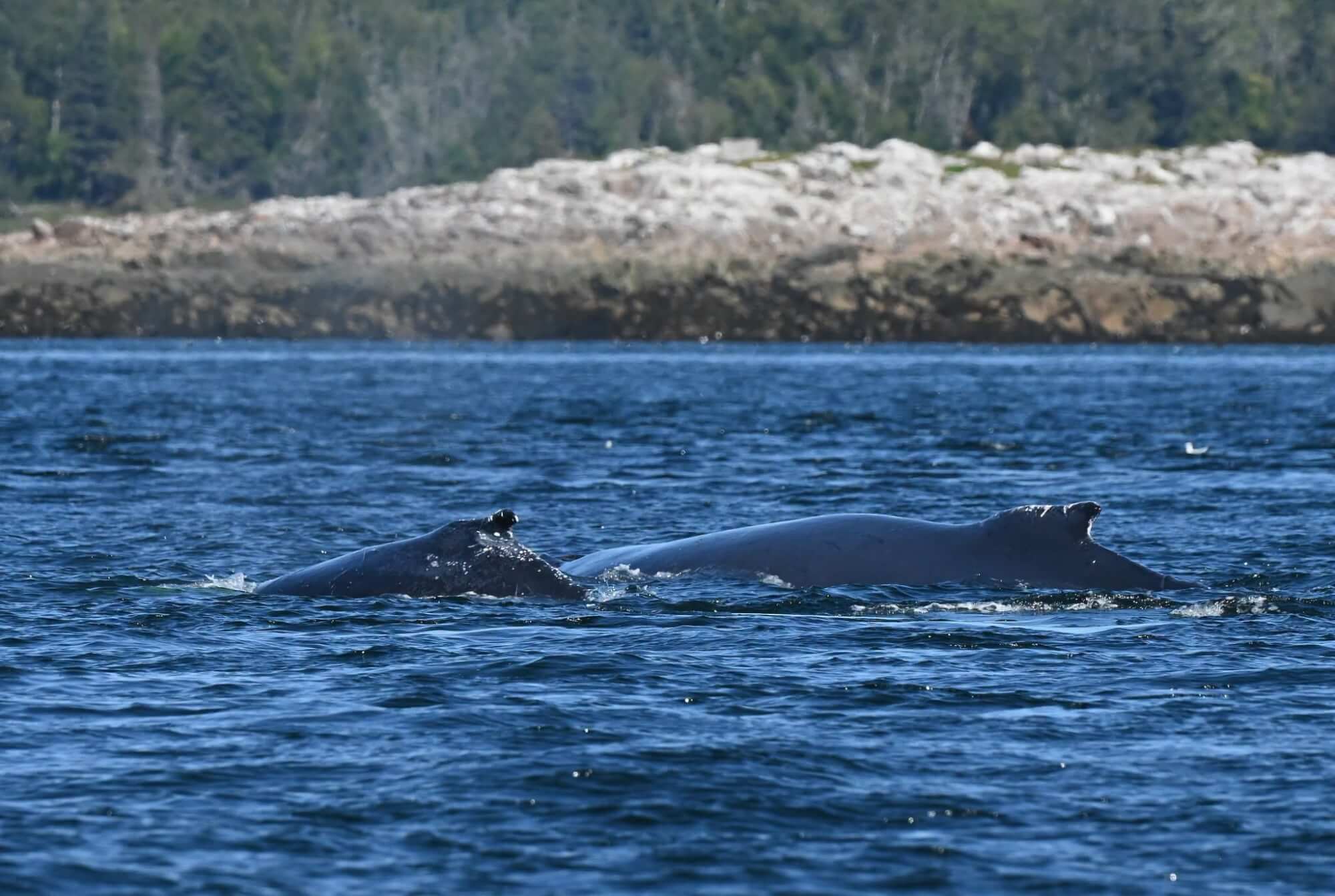
Humpback whales are still present in the Marine Park, even if their numbers have tapered off compared to recent weeks. Among them, H1004 and H944 (a.k.a. “Katana”) were identified near Les Escoumins. In the absence of humpback sightings, attention has occasionally shifted to harbour seals resting on the rocks, grey seal heads sticking out of the water, or minke whales surfacing nearby. Belugas were also spotted swimming at several locations, notably in the Saguenay Fjord and off Saint-Siméon.
Where are the whales this week? Sightings map
These data were reported by our network of observers. They give an idea of the presence of whales and in no way represent the actual distribution of whales in the St. Lawrence. Just for fun!
Click on the whale or seal icons to discover the species, the number of individuals, additional information or photos of the sighting. To enlarge the map, click on the icon in the top right-hand corner. The map works well on Chrome and Firefox, but not so well on Safari.
To display the list of sightings, click on the icon in the top left-hand corner.
Thanks to all our collaborators!
Special thanks go out to all our observers who share their love for marine mammals with us.
Your encounters with cetaceans and pinnipeds are always a pleasure to read and discover. On the water or from shore, it is your eyes that give life to this column.
- Croisières Baie de Gaspé
- Sylvie Carré
- Camille Degache
- Laetitia Desbordes
- Justin Kiefer
- Philippe Laborde
- Diane Ostiguy
- Sandrine Papias
- Renaud Pintiaux
- Pascal Pitre
- Jean-François Rail
- Simone Richard
- René Roy
- Guillaume Savard
- Andréanne Sylvain
- Ophélie Turgeon
- Marielle Vanasse
And to all the others!
Additionally, we would like to acknowledge the following teams that also share their sightings:
Sept-Îles Research and Education Centre (CERSI)
Group for Research and Education on Marine Mammals (GREMM)
Marine Mammal Observation Network (MMON)
Quebec Marine Mammal Emergency Response Network (QMMERN)
Mingan Island Cetacean Study (MICS)
Mériscope
Would you also like to share your observations? Have you seen any marine mammals in the St. Lawrence? Whether it’s a spout offshore or just a couple of seals, drop us a line and send your photos to [email protected]!

Odélie Brouillette
Odélie Brouillette joined the GREMM team as a writer and naturalist in 2022, and has been a project manager in scientific communication since 2023. With a background in biology, she loves learning and sharing with others what's most important to her. She has always been fascinated by marine environments and whales, and hopes to contribute to their protection through awareness-raising and popularization.
Recommended articles
Mama Whales and Their Calves Roam the St. Lawrence
It would hardly be an exaggeration to say that the St. Lawrence has been teeming with life these past few…
Chance Encounters in the Estuary
The undisputed stars this past week were white-beaked dolphins, which reminds us of the importance of being in the right…
Feeding Scenes, Chevrons and Pigmentation Patterns
As new arrivals continue to show up across the St. Lawrence, visitors flock to admire the landscapes and wildlife, while…