
Listening to Belugas by Hydrophone in Baie-Sainte-Marguerite

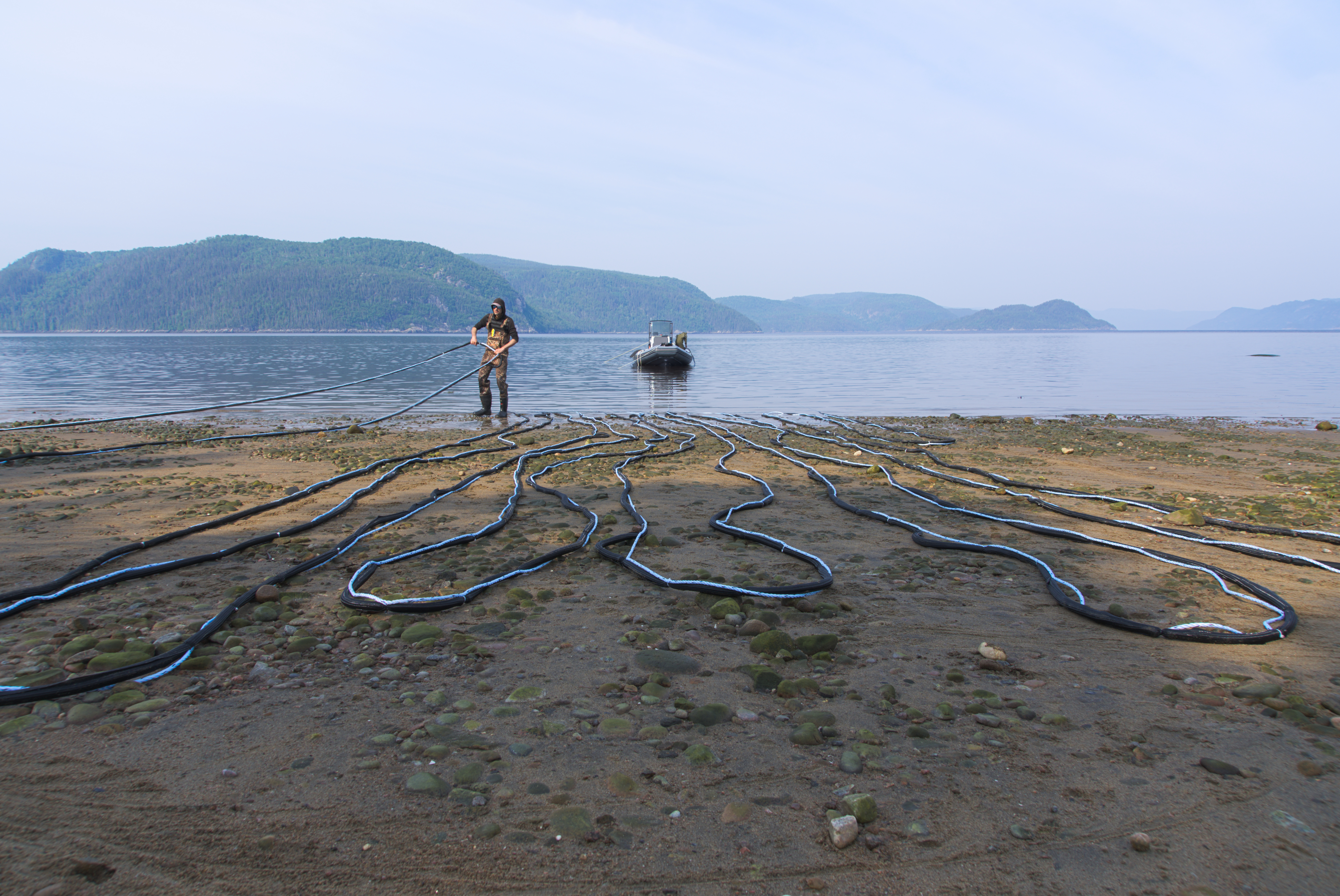
After several months of preparations, the Window on Belugas project has just reached a new milestone in Baie-Sainte-Marguerite thanks to the addition of an important component: acoustics. In the early morning hours of June 30, the GREMM and Sépaq teams joined forces by sea and by land for a major undertaking: deploying a hydrophone in Baie Sainte-Marguerite that would be tethered to the Halte du Béluga lookout. This hydrophone enhances the outreach program that provides visitors insight into the daily lives of St. Lawrence belugas while adhering to measures designed to protect them. A whole new dimension of these cetaceans’ environment is now open to the public.
Window on Belugas project
Launched in 2018, Window on Belugas is a project that combines scientific research, conservation, and public awareness. Since 2024, the data collected by scientists have been interpreted at the Putep ‘t-awt site in Cacouna, the Marine Mammal Interpretation Centre (CIMM) in Tadoussac, and Halte du Béluga, a site managed by the Société des établissements de plein air du Québec (Sépaq).
Thanks to this hydrophone, the soundscape of belugas is now within earshot! In addition to discovering images captured by the “beluga brigade” research team and interpreted by naturalists, visitors can now listen to the vocalizations of this white whale—which is well-known for its loquacity—while observing them from shore at any of the project sites. For example, it will be possible to hear them as they feed, as belugas emit echolocation clicks to locate their prey in the underwater darkness. Belugas also notably make contact calls, grunts, hisses, jaw snaps, and squeaks, though the majority of their vocalizations remain unknown!
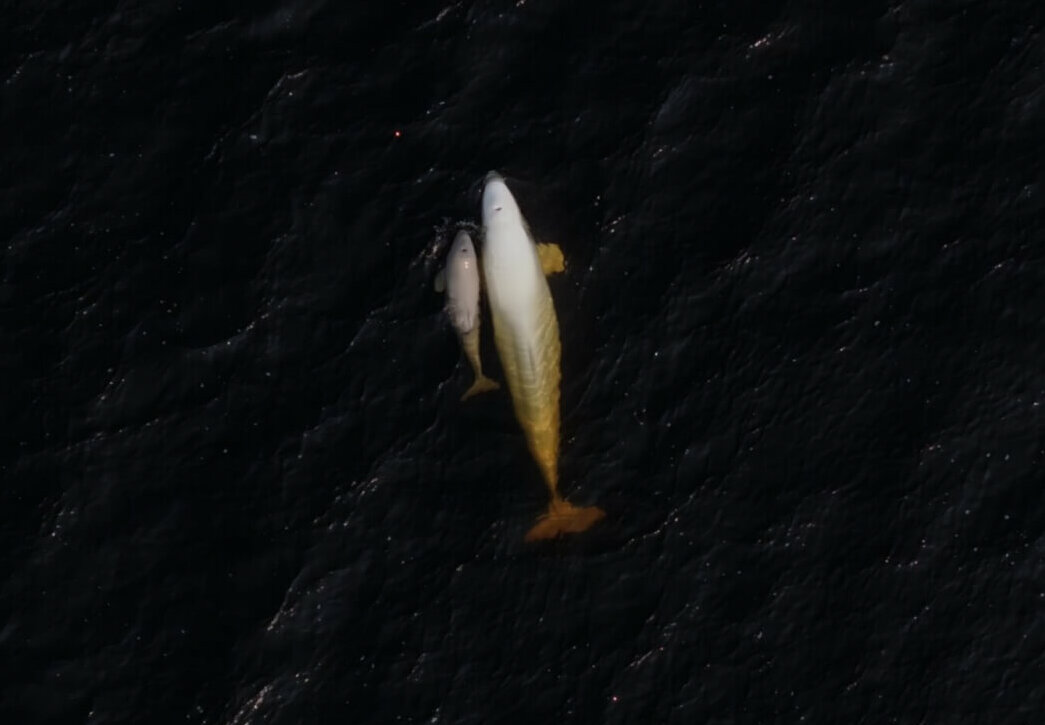
Echoing the belugas
In addition to the tethered hydrophones, stand-alone hydrophones are deployed at the start of the season in Baie Sainte-Marguerite, Kamouraska, and Cacouna. They record continuously to provide passive acoustic monitoring and are retrieved at the end of the season. Using the recordings from these two types of hydrophones, scientists try to correlate the acoustic activity under water with that of the beluga herds observed at the surface. This knowledge will eventually allow scientists to interpret the sound recordings from the passive acoustic monitoring to determine the size, composition, direction, and activities of the pod.




Step 1: Gather the gear
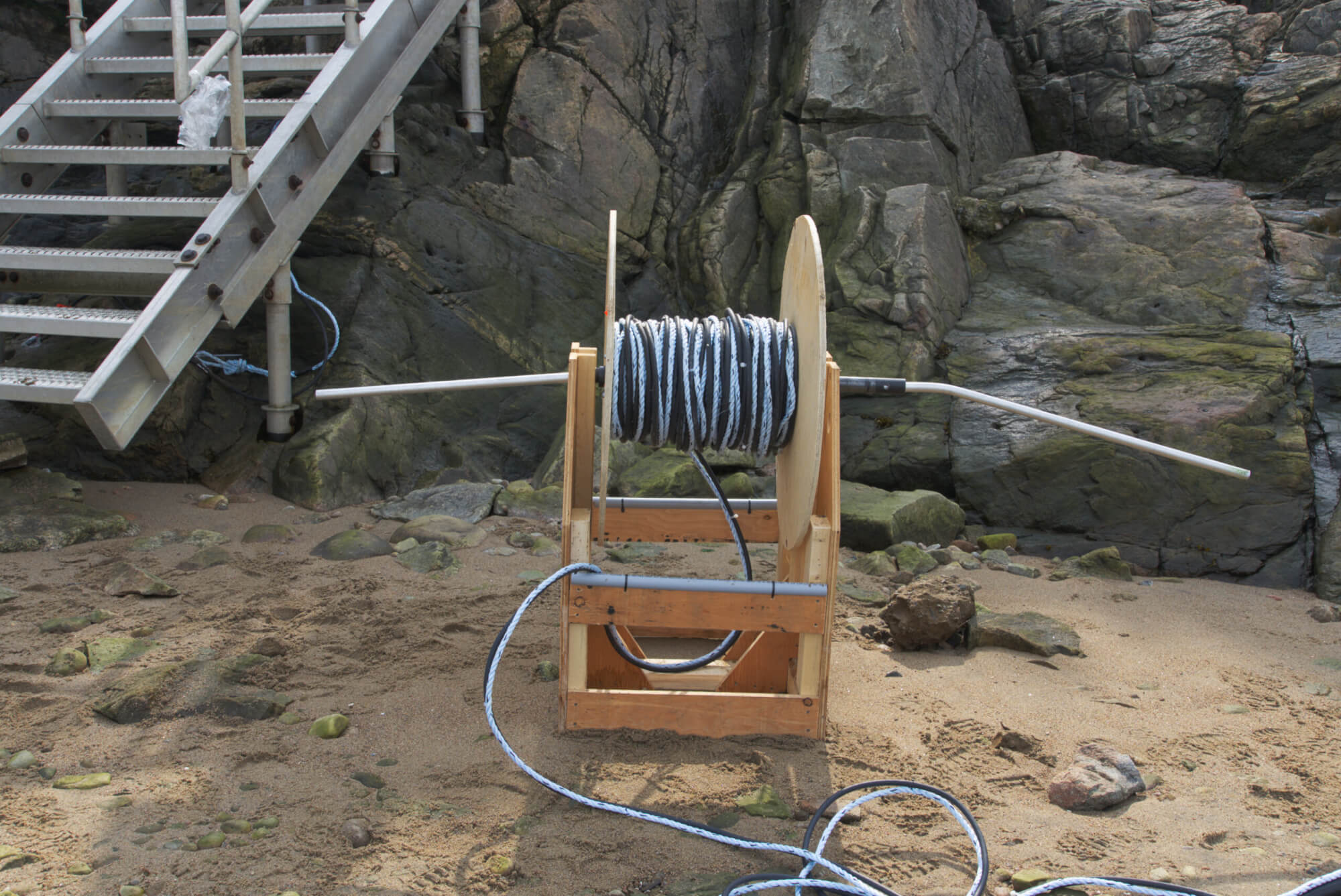
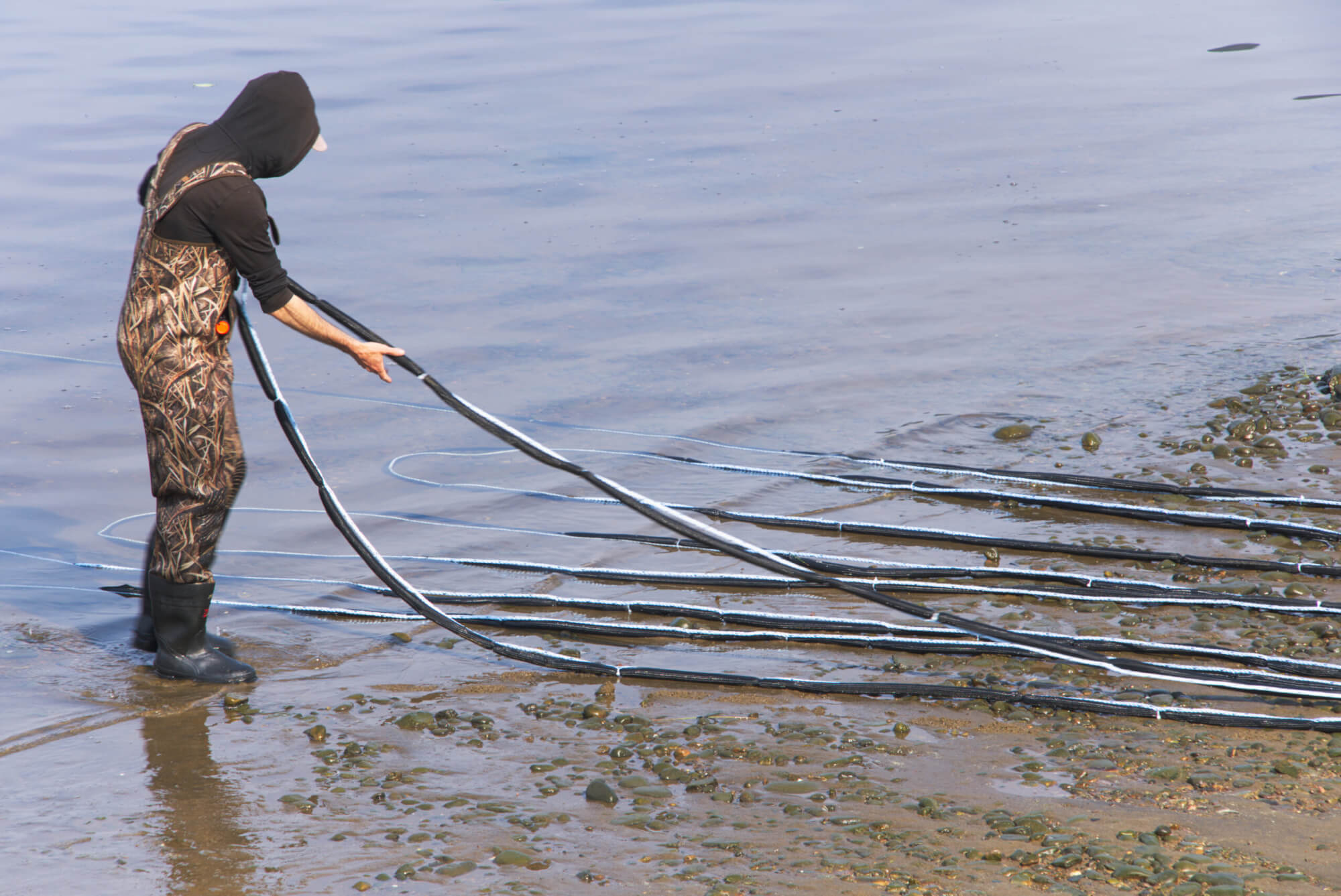
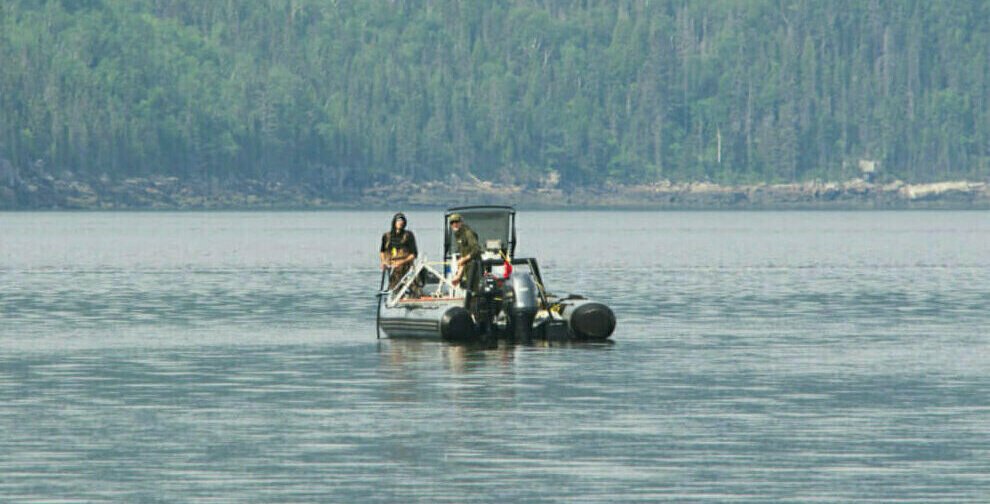
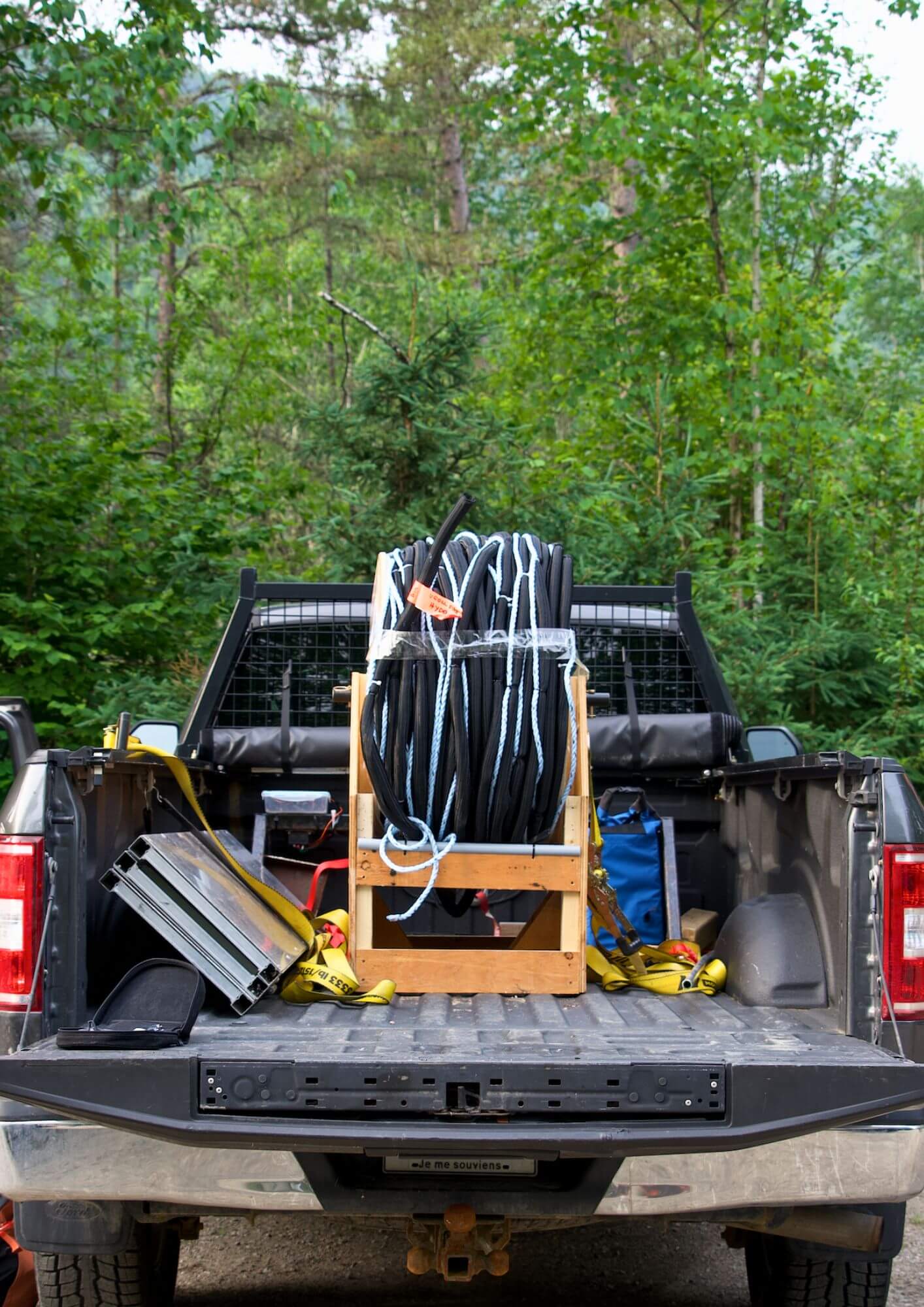
The ground team is responsible for bringing all the equipment—a reel of cable and weighted rope, shovels, a ladder, a toolbox, backpacks, bottled water, etc.—to the Halte du Béluga site, which cannot be reached by car. The weighted rope allows team members to handle the cable without touching it too much, as it is fragile. A second, larger reel weighing 100 kg is towed by ATV to the beach below the rest area. The cable was previously encased in a sheath to protect it from nibbling sea urchins. Aboard Tryphon, a Zodiac that provides good mobility, two members of GREMM’s team bring the hydrophone from Tadoussac to the bay.

Step 2: Unwind the cable reels
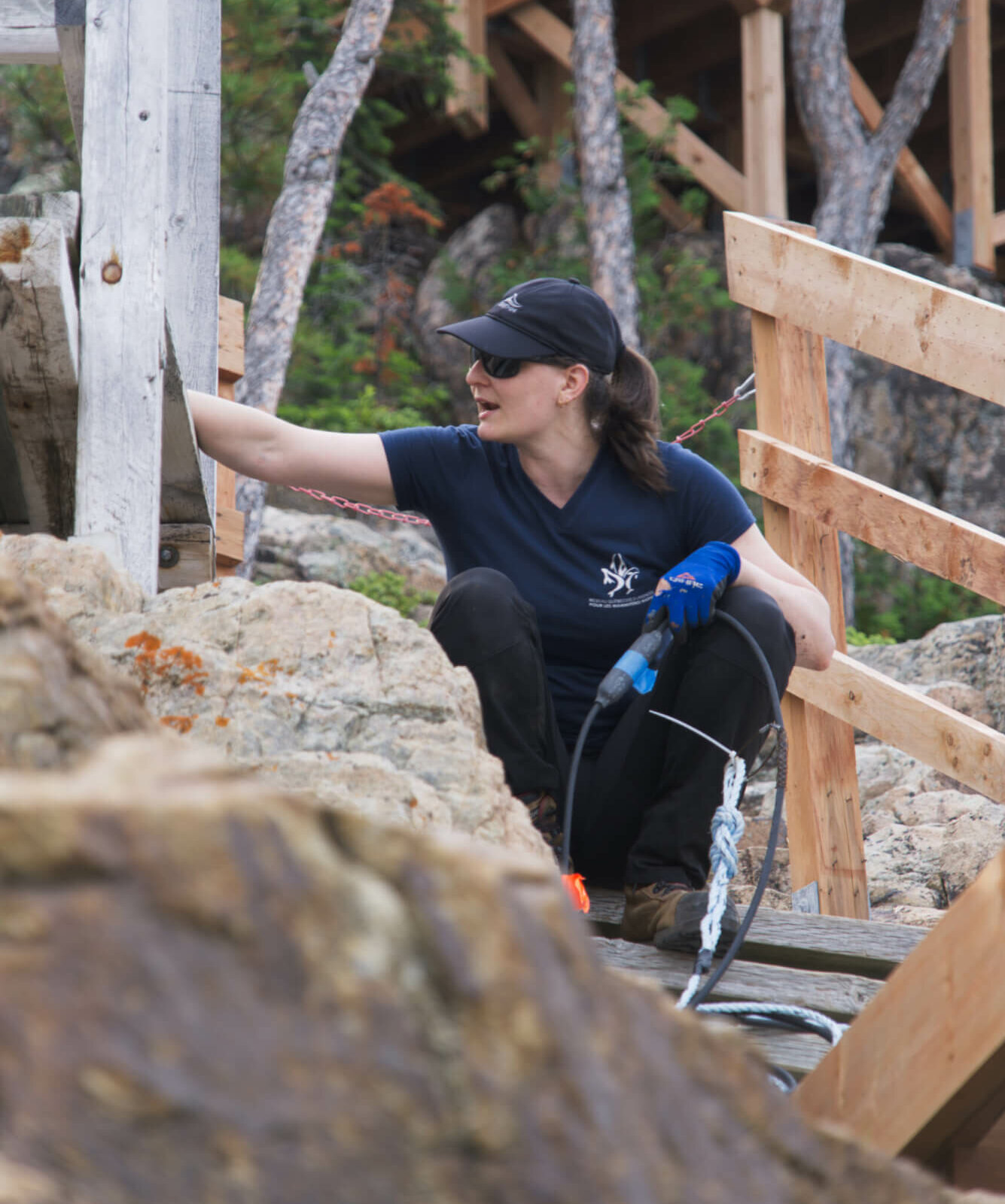
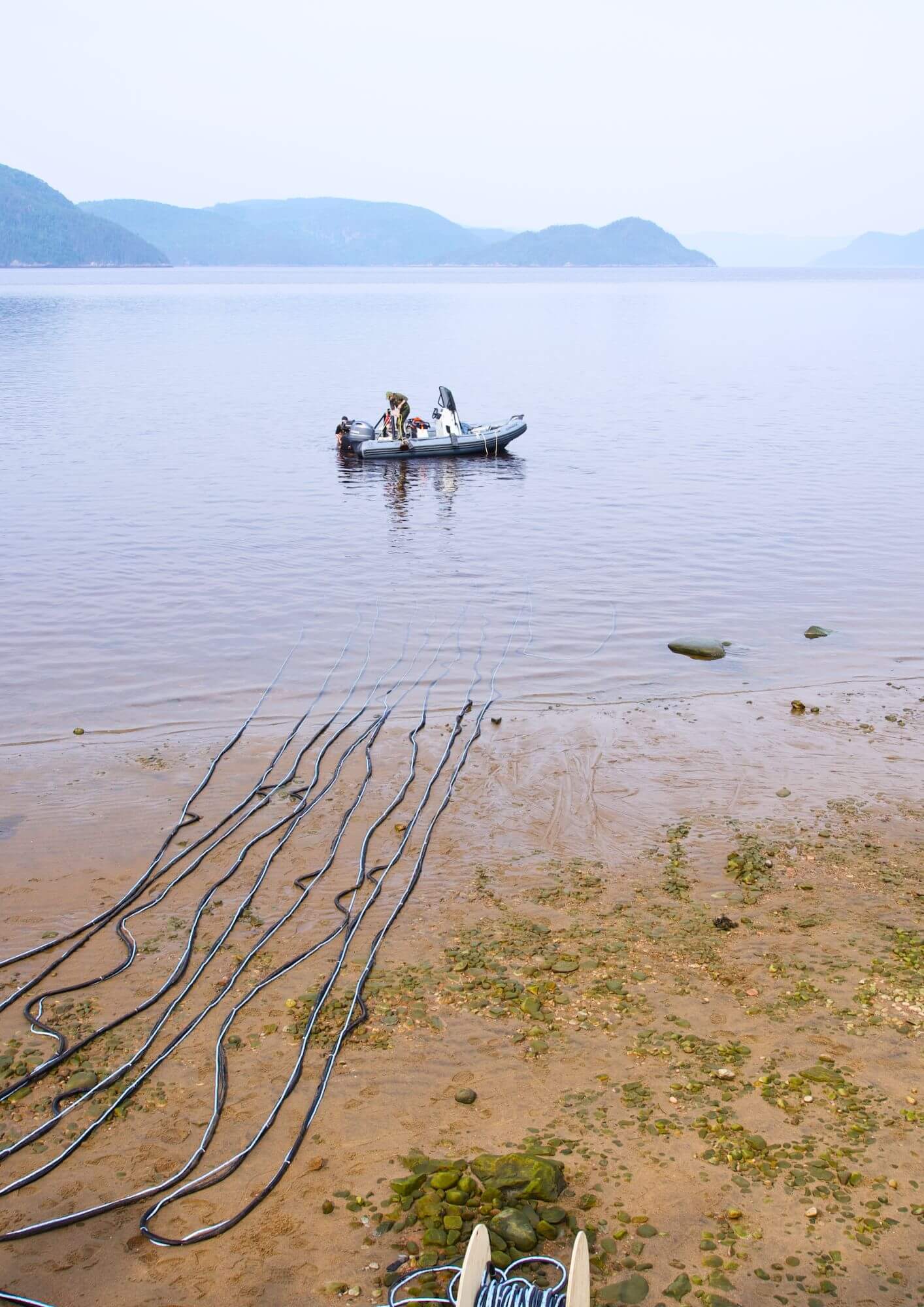
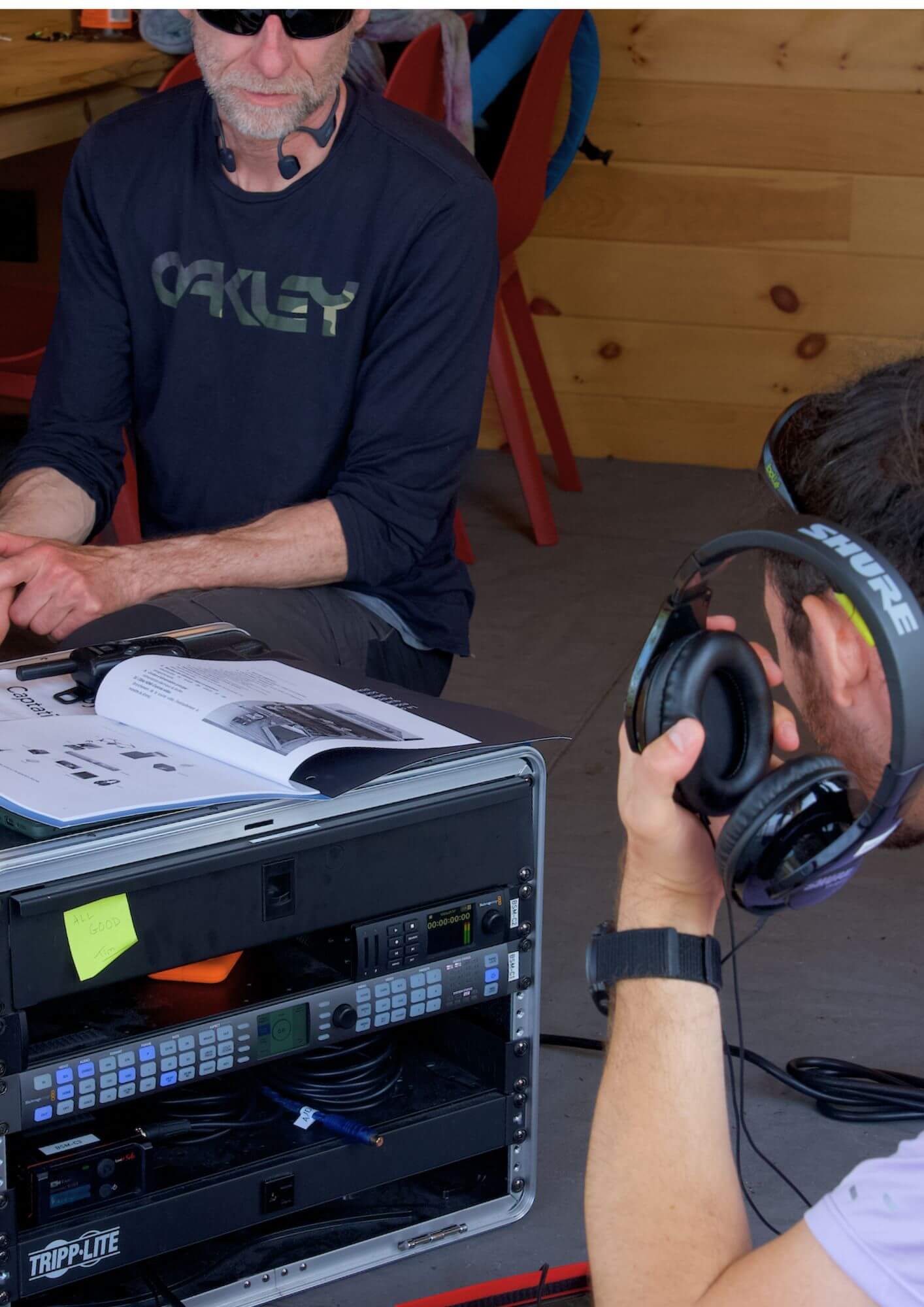
The large reel is unwound from the beach and connected to the hydrophone. Meanwhile, another team unwinds the other reel from the lookout to the bottom of the stairs that lead down to the beach, where it will be connected to the large reel. After that comes a series of acrobatic manoeuvres to navigate the bushes, trees, and rocks that obstruct this steep path and to conceal the cable under the stairs so that it is protected and not in the way of passersby. The cable is then connected to the recording and transmission system—a large black box that records underwater sounds and transmits them together with the images!
Step 3: Deploy the hydrophone!
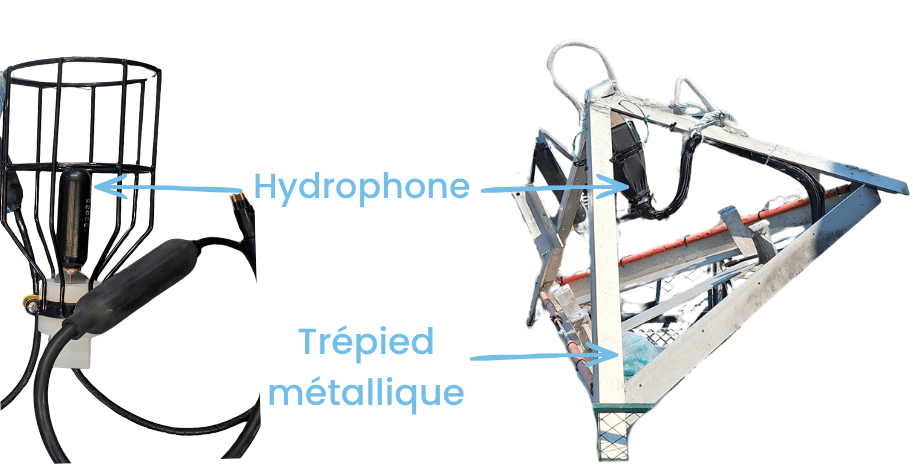
The hydrophone is housed inside a bell-shaped cage, which is then covered with a tarp to protect it from background noise such as the sound of flowing water. The entire assembly is mounted on a metal tripod for support. Once the cables are fully deployed, the crew members lower the hydrophone to a depth of about 20 metres in a crevice in the bay.
Step 4: Test the connection
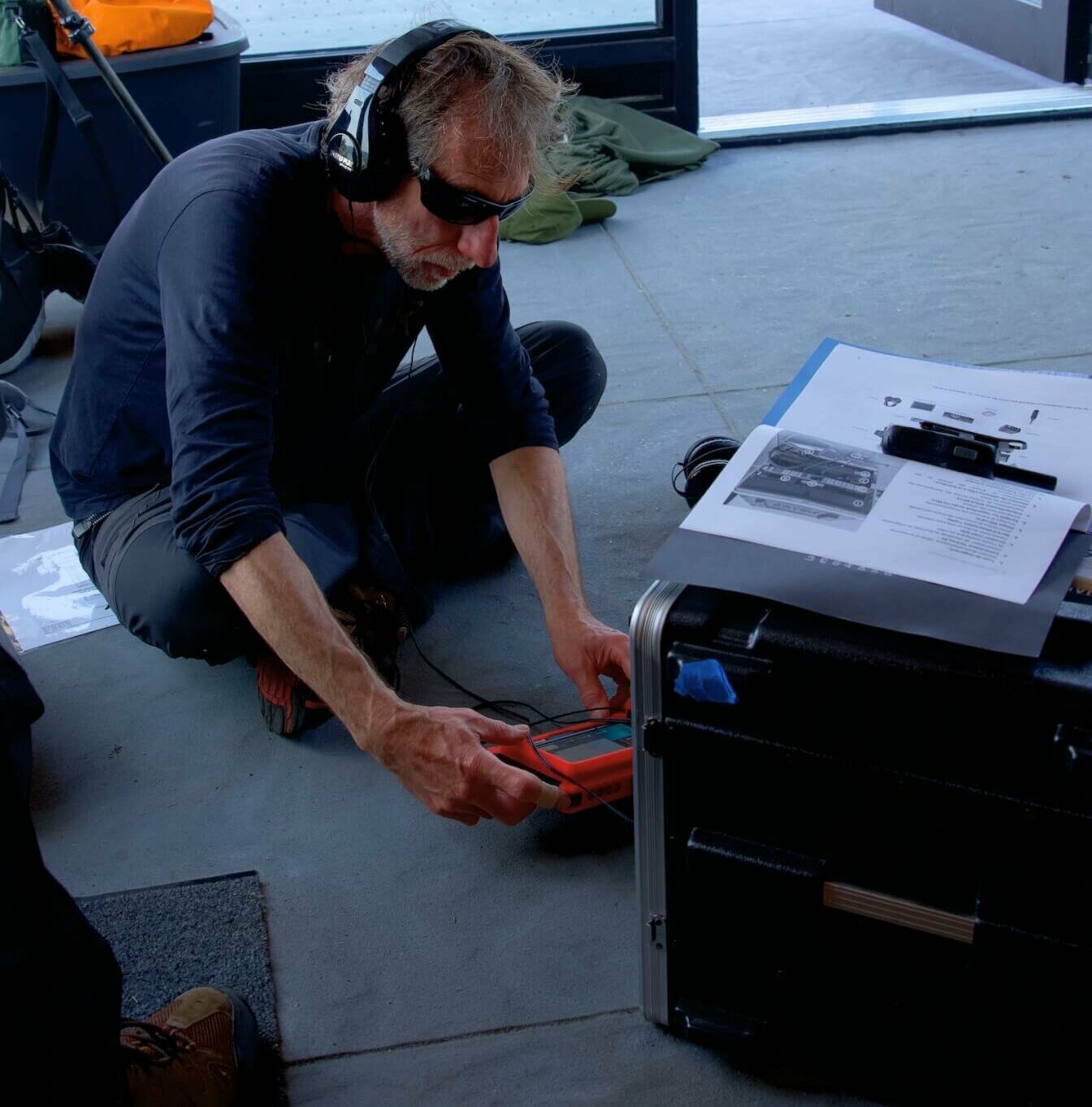
At last, its time to test the equipment! Are the cables correctly transmitting the sounds being picked up by the hydrophone? Is the transmitter working? After forty-five minutes of tinkering, we can conclude that everything is working like it’s supposed to! Hooray!
Step 5: Bury 30 metres of cable
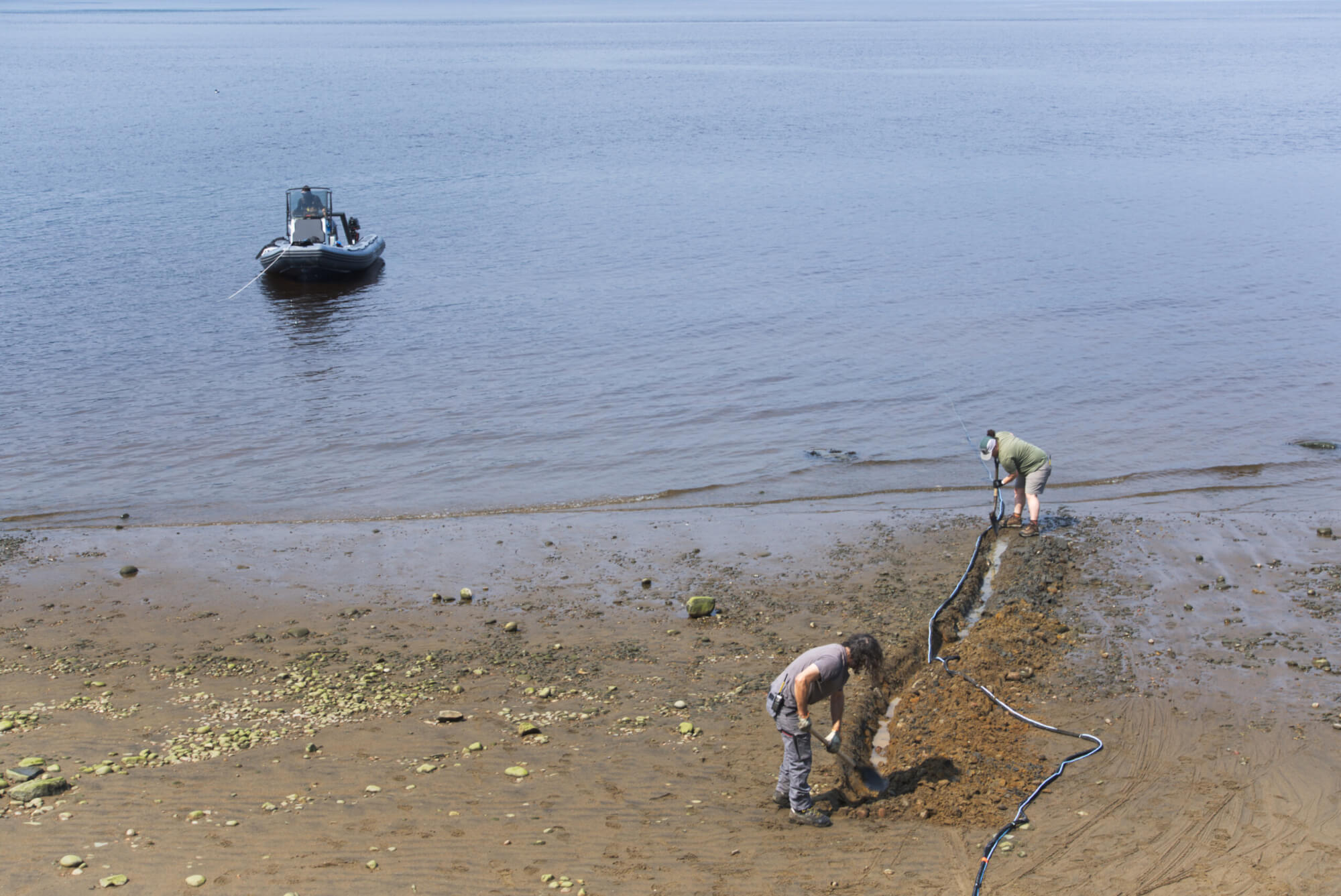
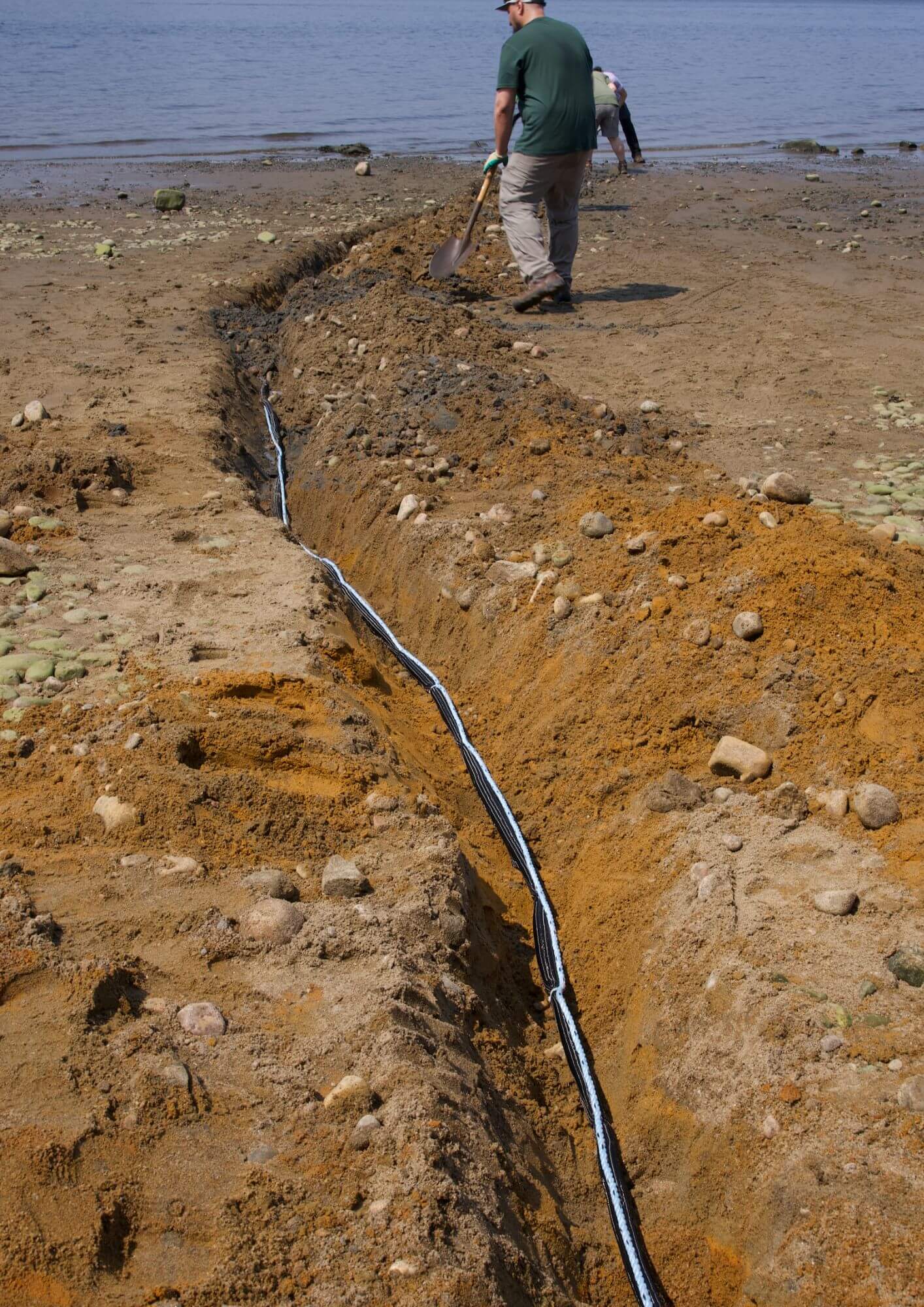
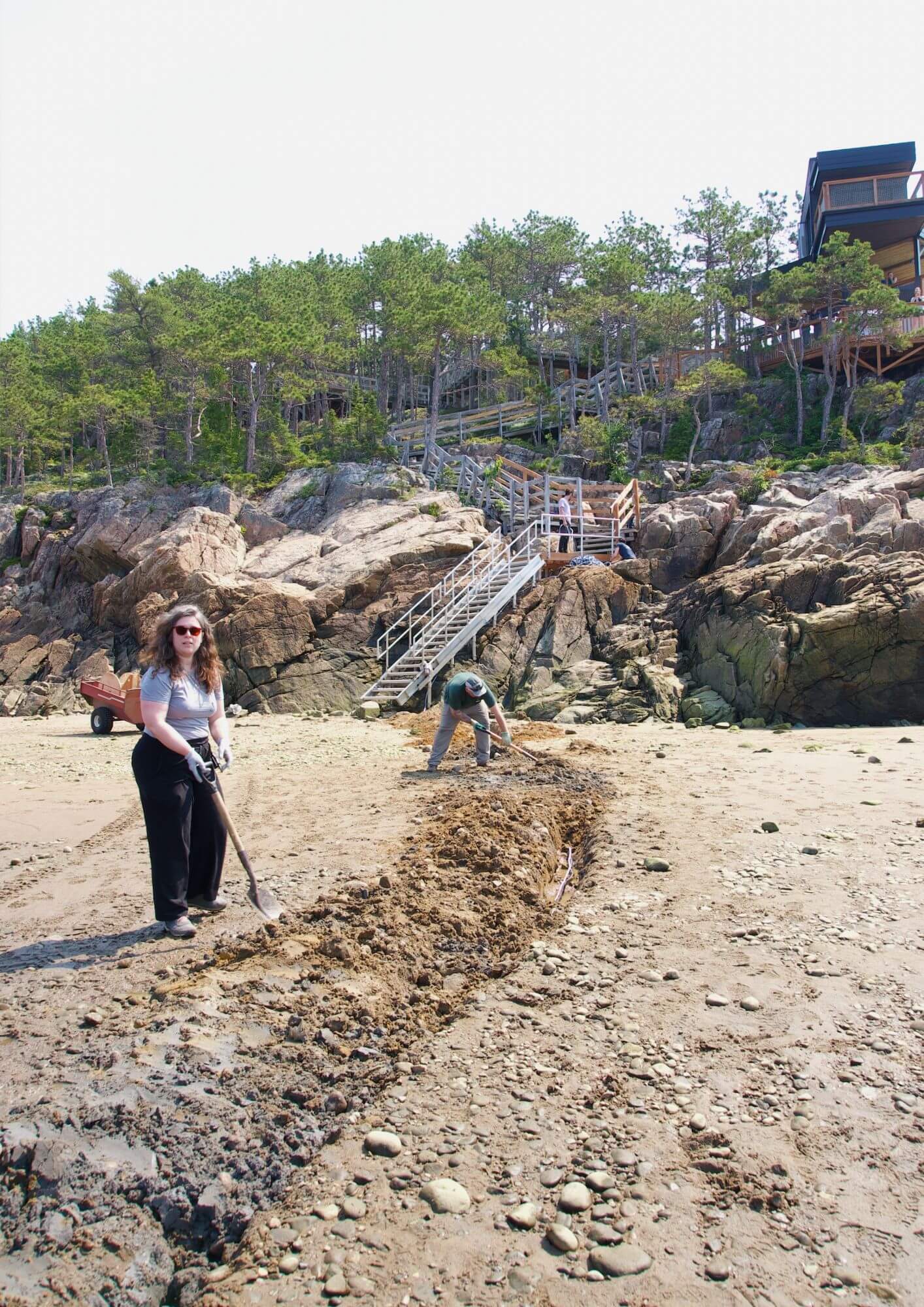
As testing begins, the cable and rope must be buried in the sand before the tide comes in so that they are invisible at low tide. Shovels and pickaxes in hand, Sépaq employees dig a trench 30 centimetres deep by about thirty metres long, just in time to beat the incoming tide.

Ready to go
This major addition completes the Window on Belugas project at the Baie-Sainte-Marguerite (in French) site! Audio and visual can now be combined: beluga footage filmed by drone pilots will be streamed live on the website, as well as at the Marine Mammal Interpretation Centre (CIMM) in Tadoussac and at the Putep ’t-awt observation site in Cacouna! A hydrophone is also being deployed at the same time as drones are being launched from Antarès (in French), GREMM’s research vessel that will soon be in Cacouna! We are now entering the acoustic world (in French) of this endangered species, which is one of the most important aspects of the these creatures’ lives.
The success of the operation hinged on several factors:
Learn more:
- Clément Chion, Emmanuel Fernandez, Paul Ducrocq, Paul Laurent, Dominic Lagrois, Irene Roca, Jean-François Sené́cal, and Robert Michaud. Passive Acoustic Detection and Real-Time Localization of Belugas in the St. Lawrence Estuary
- Emmanuel Fernandez, Irene Roca, Emilie Frizzle, Robert Michaud, Marie-Ana Mikus, Valeria Vergara, Clément Chion. Real-Time Acoustic Monitoring: Lightweight Beluga Call Classification Across Habitats
- Emmanuel Fernandez, Irene Roca, Emilie Frizzle, Robert Michaud, Marie-Ana Mikus, Valeria Vergara, Jaclyn Aubin, Clement Chion. Lightweight beluga call classification under habitat variability and marine traffic noise

Thalia Cohen Bacry
Thalia Cohen Bacry is a science writer for the GREMM, having previously worked as a naturalist in 2023. A UBC graduate, she completed a master's degree in international studies at the Université Laval and is continuing her learning in several fields, including geography, political science and animal behavior. Passionate about environmental protection, she grew up in Savoie, surrounded by lakes and mountains, before immigrating to Canada and discovering even bigger and wilder spaces. Intrepid, curious and persevering, she loves to learn, observe and analyze in order to raise awareness about protecting our oceans.
Recommended articles

Protecting Whales, One Conversation at a Time
As the beluga calving season in the St. Lawrence enters into full swing, so too do public awareness efforts. For…
A Rigorous Protocol for Studying Large Rorquals
Aboard the BpJAM (one of GREMM’s research vessels) with the Large Rorqual Project team, I scan the horizon in the…
Over the years…
July 7, 2025: It’s early in the morning, and I'm waiting for news from the research team. Will weather conditions…