Training to Work with Marine Mammals

Are you intrigued by the oceans and the mammals that inhabit them? Do you want to understand them, protect them, or raise awareness about their fragility? Do you enjoy biology, communication, or work in the field? Whatever your replies, remember that anyone who has the desire can find their niche in the field of marine mammals! The most important thing? Your hunger for knowledge!

A wide variety of fields of study can lead to work with marine mammals: chemistry, genetics, acoustics, animal behaviour, physiology, oceanography, geography, mathematics, and even law or tourism! While some paths are more direct than others, a good knowledge of science and fluent English are always big pluses.

Before reading further, we recommend that you consult this article, which shares useful tips to work in this field. Below, we have selected a number of jobs that are more directly related to marine mammals. Enjoy the read!


Research- and Science-oriented Careers

The field is vast… incredibly vast! Likewise, the areas of specialization are many: ecotoxicology, environment, cellular and molecular biology, genetics, and oceanography, just to name a few.

Different paths

For the next stage of your academic journey, ask yourself: What exactly do I want to do? If working in the field appeals to you, but you don’t necessarily want to perform statistical analyses or manage teams and projects, a college (Cégep) diploma or a bachelor’s degree might suffice.

If you would rather lead a team, specialize in a specific area, solve biological riddles, analyze and interpret data, and share your acquired knowledge in written scientific publications, then graduate studies would be more your path!

If you find yourself torn between the two—i.e. wanting to specialize but reluctant to commit yourself to a master’s program—know that there are also specialized graduate diplomas (DESS). If you’re drawn to a specific field and you feel you’re still lacking certain skills after earning your bachelor’s, but a master’s is too much of a commitment for you, there might be a DESS at a university somewhere with your name on it! Depending on the path you choose, your acquired skills could be used to create, plan, or implement research projects and scientific studies. Projects focus more on methodology and data collection, unlike studies, which also encompass the production of results.
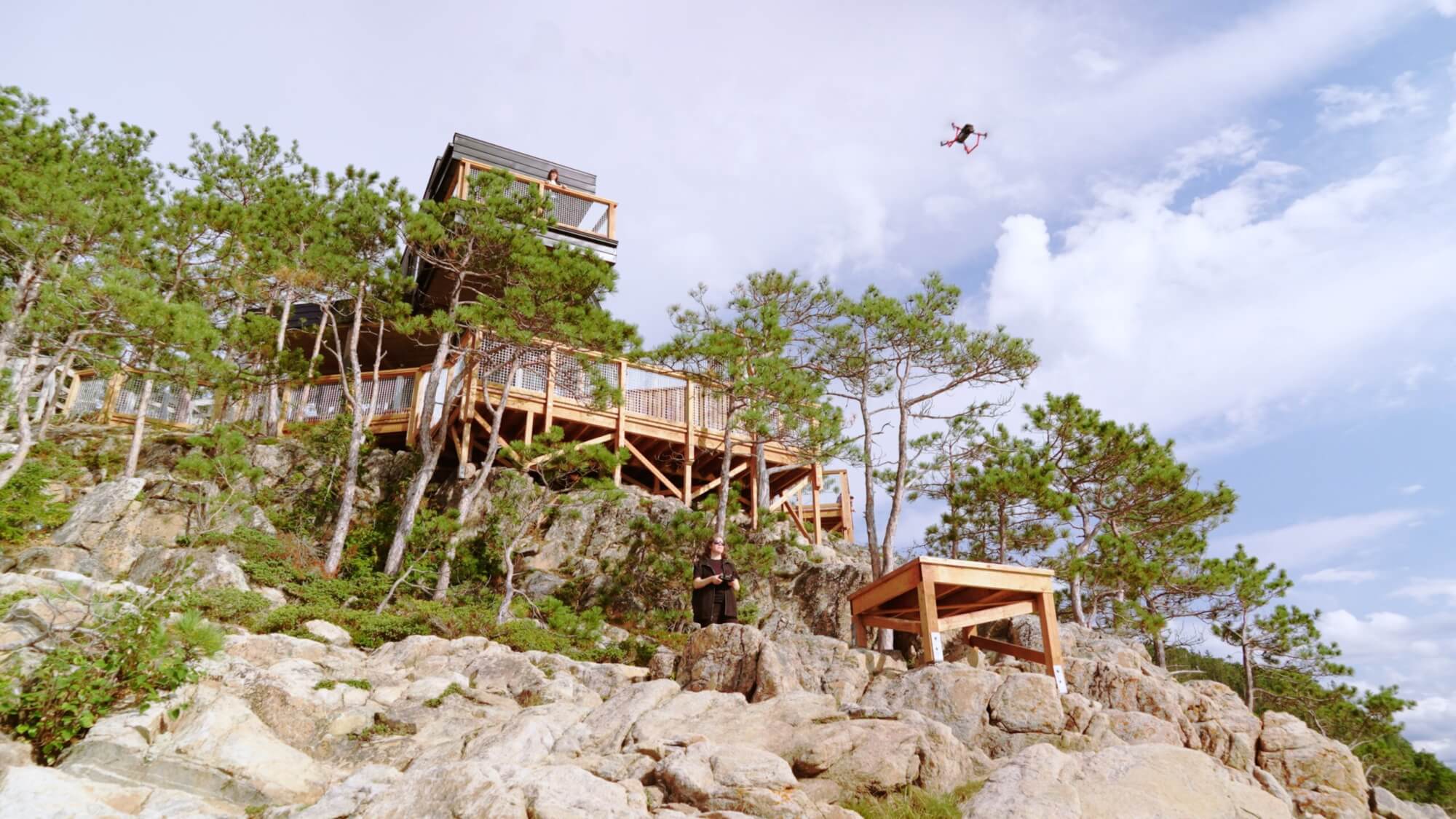
Wildlife technician: To become a wildlife technician, a Diploma of College Studies (DCS) in environmental science or biology and work experience in the field are key. We suggest a DCS in natural sciences or environmental science. You’ll learn to conduct wildlife surveys, collect data in the field, and even fly a drone!

  • Marine biologist: Marine biologists typically handle reporting and the analysis of field data. Keep in mind that job duties vary depending on the organization you are working for. With this kind of training, you could perform a variety of tasks and pursue careers such as:
    • Research assistant or technician: You love hands-on work and want to participate in the study of marine mammals by supporting research efforts.

Description:

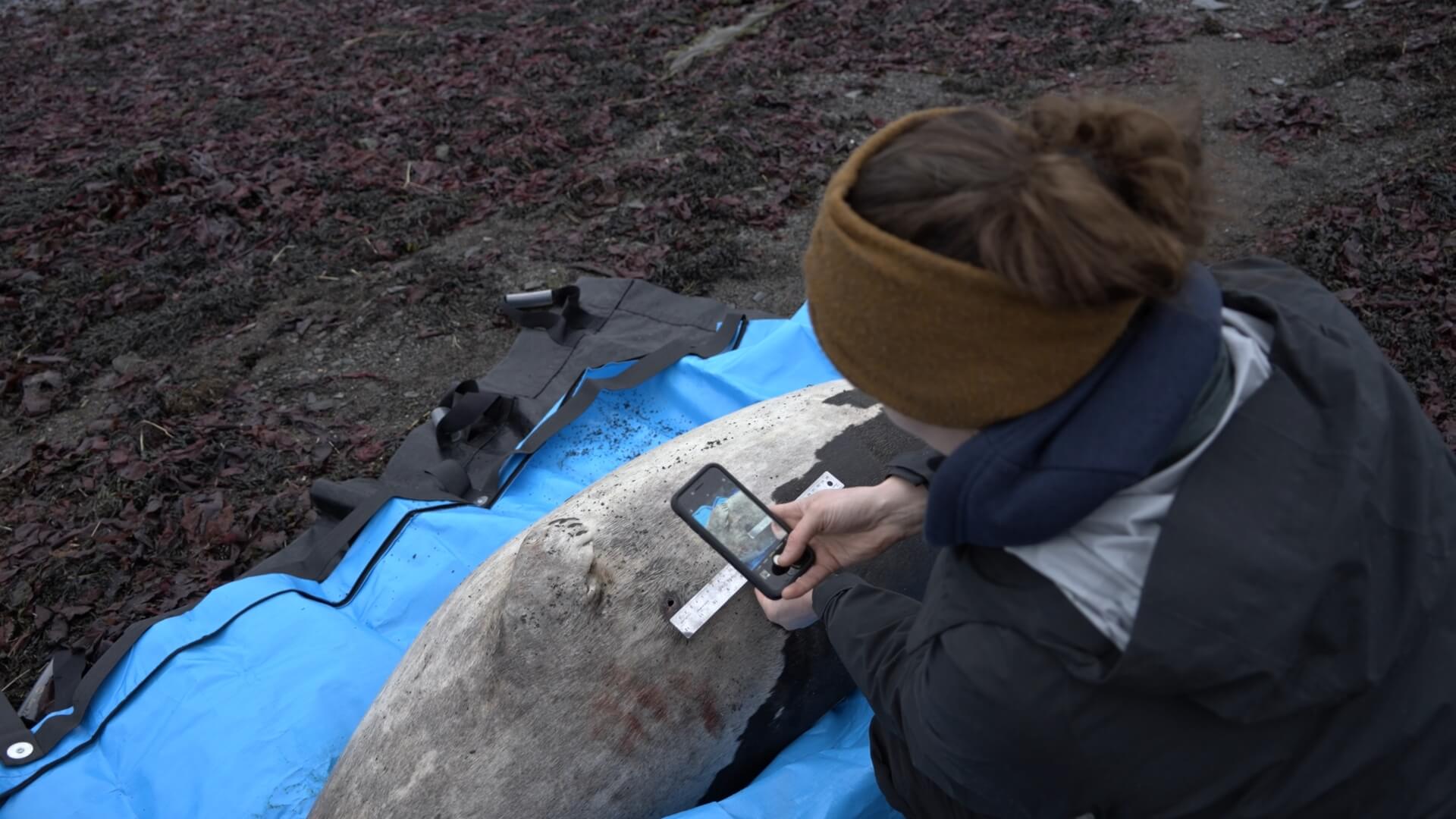
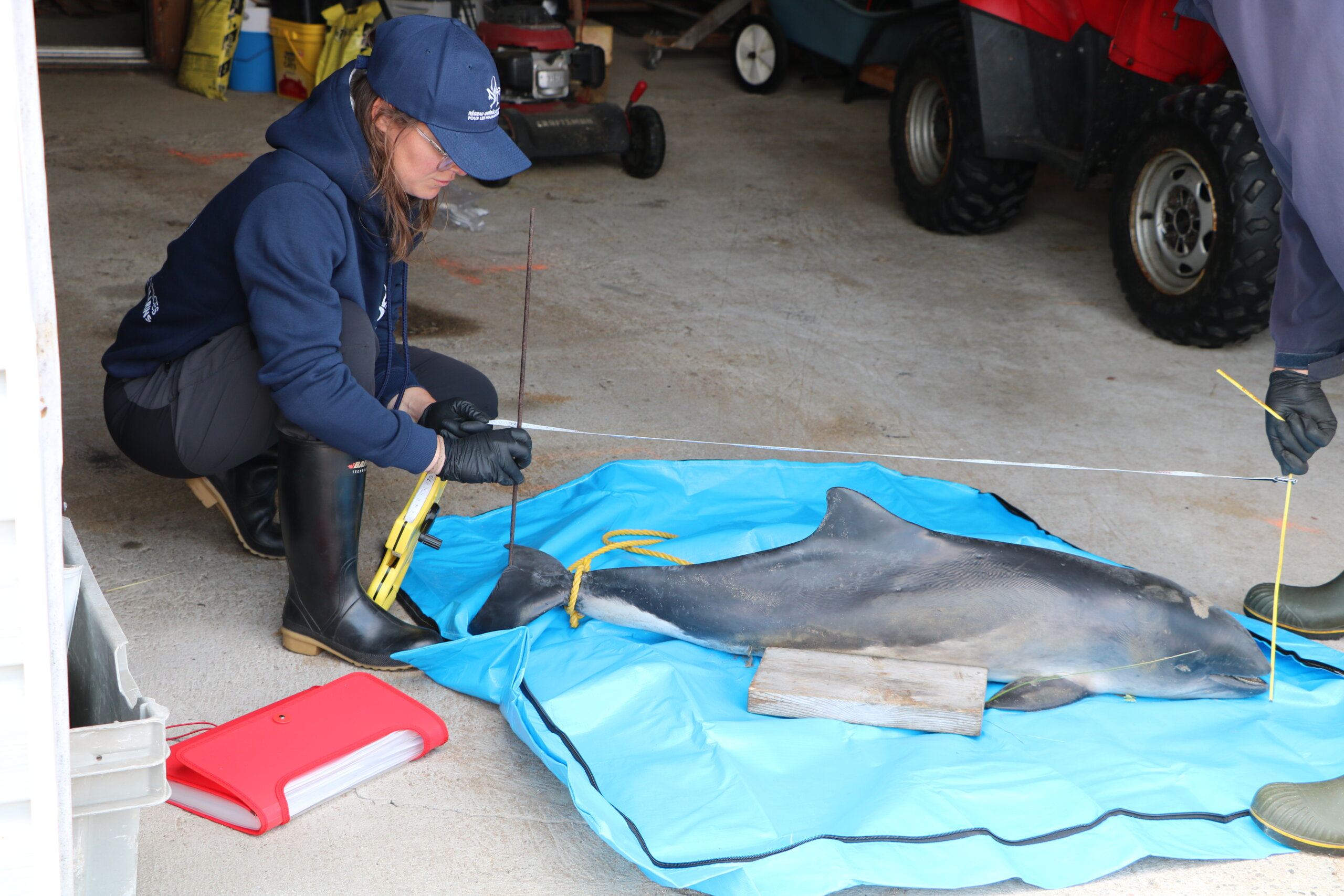
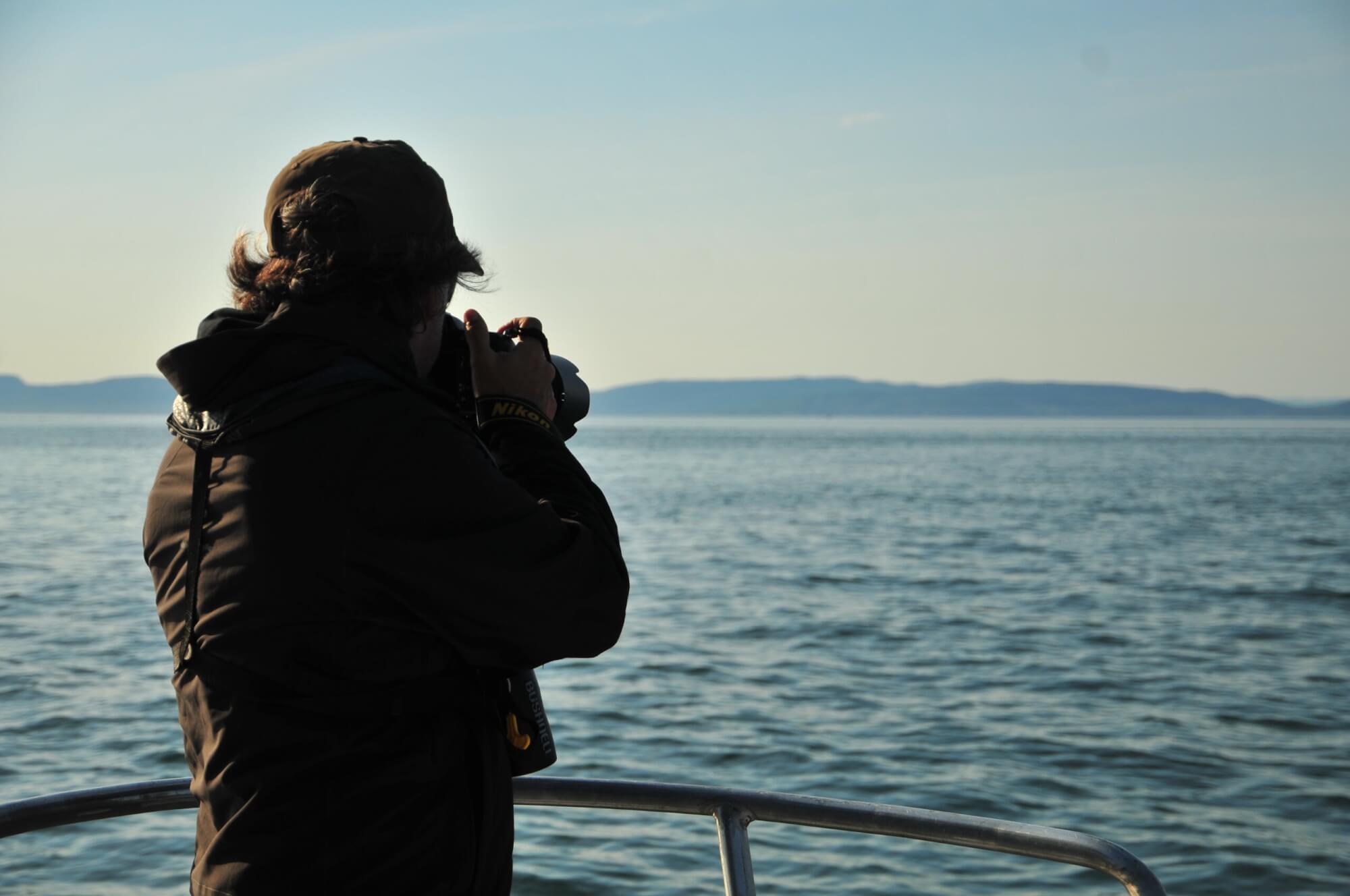
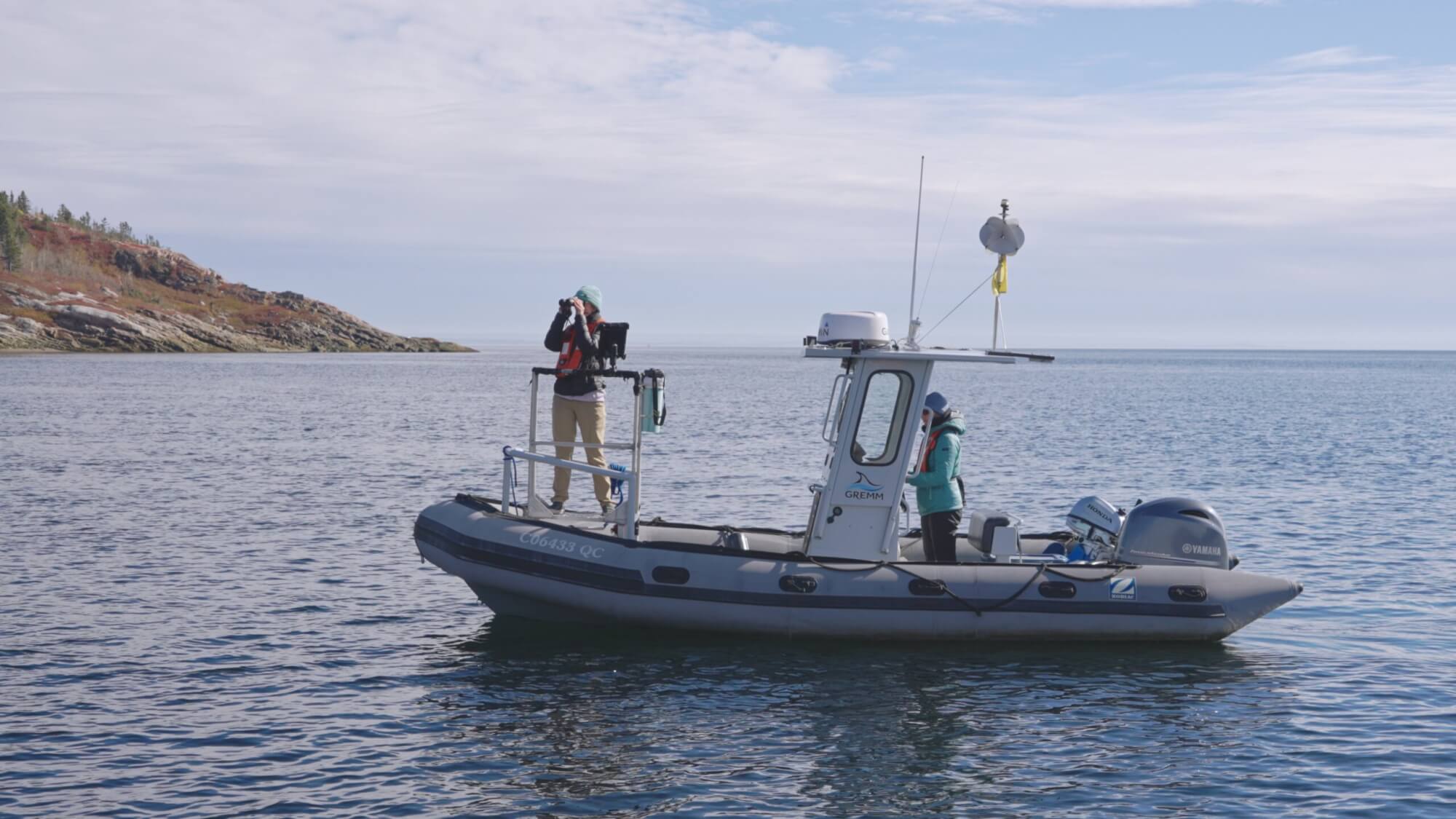
Your role will be to assist scientists and research professionals in their projects. You will be responsible for helping gear up for field trips and directly participating in data collection. The data collection techniques you might be called upon to use are diverse: taking photographs (photo-identification), visual scanning, tallying animals, piloting drones, performing biopsies or necropsies, deploying hydrophones, etc. Once the work at sea or on land is complete, you will be responsible for data entry and may participate in preliminary analysis. Being a research technician means being at the heart of research work.


© GREMM

    • Research professional: You’re a true jack-of-all-trades, and you’re interested in research and fieldwork.Description:While scientists design and supervise research projects, research professionals assist them with project execution and provide technical and administrative support. You will participate in and lead fieldwork and office missions by performing and/or supervising a variety of data collection techniques such as photo-identification, photogrammetry, biopsy, and acoustic recording. You will also be involved in database management and the preparation of scientific reports and grant applications. In short, you will be a key pillar for facilitating quality research.

Diving a little deeper:

Government of Canada. Demystifying the work of research professionals.

  • Scientific researcher: Do you have a knack for natural sciences and a desire to unravel the mysteries of the marine world? Is scientific rigour paramount for you? As a scientist, your role is to help find answers to biological questions in an effort to better understand and protect marine mammals.One of the best-known PhDs is in oceanography. As an oceanographer, you study the oceans in a holistic manner, including their biology, chemistry, geology, and physics, as well as marine organisms and their behaviour. You may be involved in studying marine mammals in their environment. You can also pursue a PhD in biology or marine biology.

    Description:

    Scientists are essential pillars for environmental or species conservation and for educating both the public and the scientific community. Once data collection is complete, the processing begins, followed by statistical analysis. A sharp eye is needed to decipher the meaning of these data. Whether in the form of reports, manuscripts, or scientific articles, you’ll need to share the results of your work in writing. You’ll work closely with organizations and government institutions to develop protection strategies. You’ll present your studies at conferences and congresses. Being a scientist means contributing to collective knowledge.


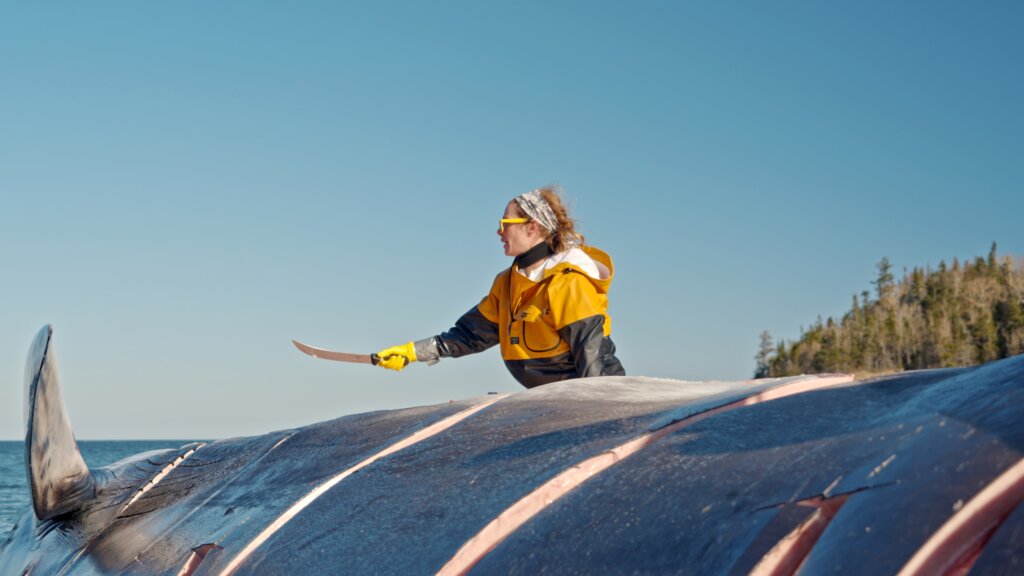
A veterinarian specializing in zoological medicine performs a necropsy on a fin whale in the Gaspé Peninsula. © GREMM
  • Specialized veterinarian: Do you have a keen interest in animal health? You could perform necropsies or analyses on live animals (whether in aquariums or in the wild), or on carcasses.

Description:

You will be consulted to investigate animal mortality, as analyzing the causes of death can tell us a great deal about potential threats. You might be called upon to intervene in cases of strandings or entanglements. In some cases, you might treat and reintroduce an animal back into its environment or even join research projects! The possibilities are vast, and the field is constantly re-inventing itself by coming to the aid of marine mammals, both individually and collectively.

Career path:

To become a specialized veterinarian, you need to complete a five-year PhD in veterinary medicine and obtain a licence to practice from the Ordre des médecins vétérinaires du Québec. In Quebec, only one institution offers a comprehensive veterinary medicine program: the Faculty of Veterinary Medicine at Université de Montréal in Saint-Hyacinthe (in French). However, since the fall of 2025, the first three years can be completed at Université du Québec à Rimouski (UQAR) (website in French) in collaboration with Université de Montréal (UdeM).

Academic specialization or experience with marine mammals is a valuable asset for working in this field. In your fourth year, you can specialize in areas such as wildlife medicine or zoo medicine, for example. The fifth year of the program is dedicated to internships at the Faculty and in veterinary clinics. This is when you should start looking for opportunities with marine mammals. Marine mammal internships are competitive and are often located outside Quebec.

You can also further specialize by completing a three-year DESS (website in French) with a concentration in zoological medicine.

Diving a little deeper:

Ordre des médecins vétérinaire du Québec. Becoming a veterinarian (in French)

CRC Handbook of Marine Mammal Medicine (third edition)

IFAW. Sarah Sharp: animal rescue veterinarian

Profile of Dr. Stéphane

Bear in mind:

These various academic paths will provide you with the tools you need to study marine mammals and better understand them, whether it’s for estimating their abundance or researching their habitat use, their culture, their vocal repertoire, or the threats they face, including climate change, entanglement, collisions, contamination, noise pollution, etc.

Master’s projects, which last a minimum of two years, and PhD projects, which require no fewer than four years, are often advertised as job offers. You will therefore need to apply and later go through an interview process. Another option is to write directly to specialists in your field of interest and share your research ideas with them. Master’s and PhD programs often depend on grants, unlike bachelor’s degrees, which are more accessible. Also, in most cases, you’ll need to earn a master’s before you can tackle a doctorate. In other words, you have to enjoy school!

Diving a little deeper:

Government of Canada. Careers in scientific research.

Choose the best courses to study marine mammals.

Eco Canada. Marine biologist.

National Institute of Scientific Research. My research project: Sophia Ferchiou’s PhD in Marine Biology (in French).

Field Intervention Careers

Responder, technician, rescue and intervention program manager: Are you calm under pressure, resourceful, and knowledgeable about the marine environment? Do you enjoy physical work and raising public awareness? Then a career in intervention might be for you!

Description:

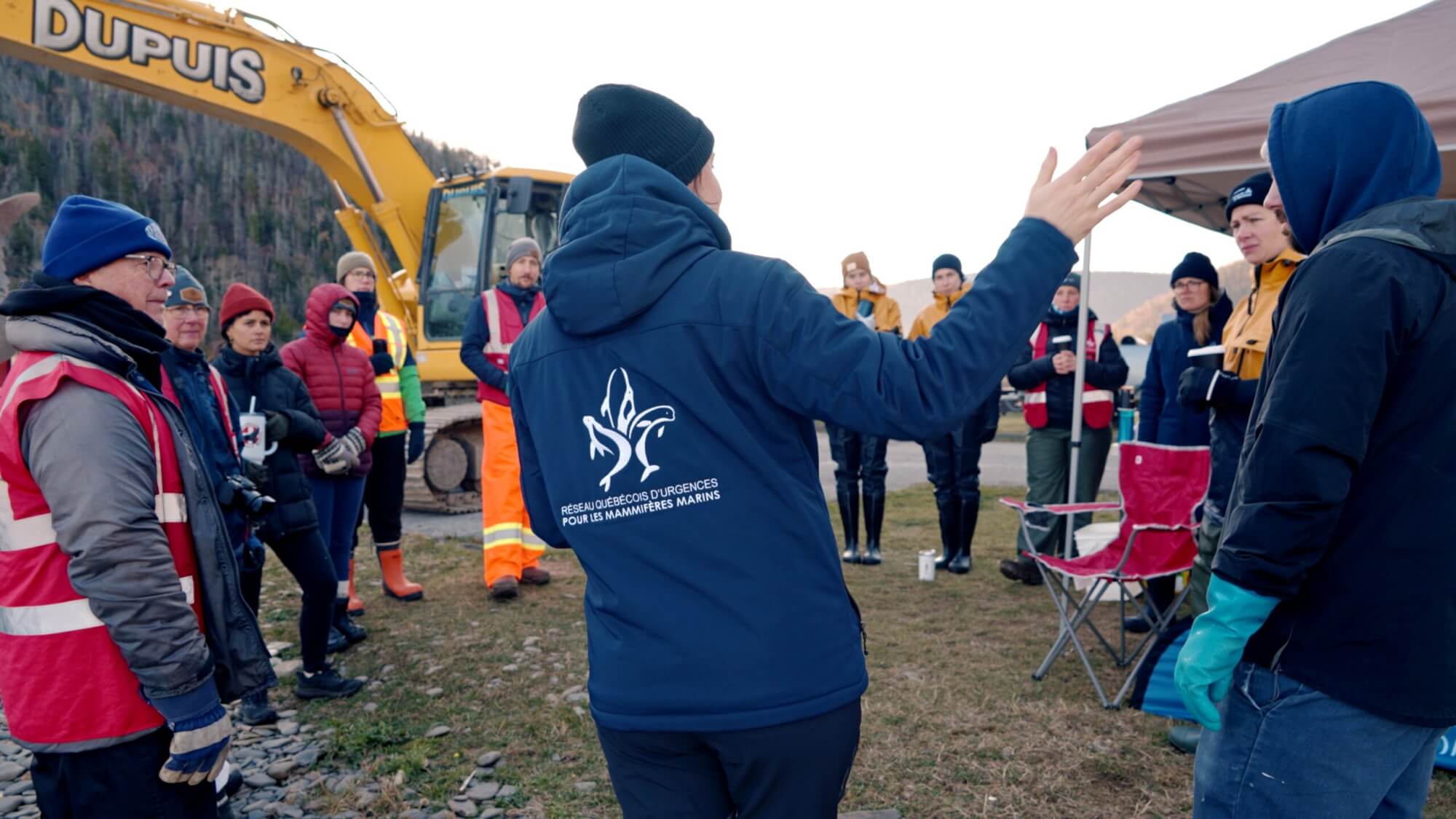
You will be responsible for coordinating the care of injured, sick, distressed, or dead marine mammals, as well as liaising with the public and collecting samples from carcasses. You will act as a first responder during incidents involving marine mammals. You will collaborate with local communities and other players such as volunteers and veterinarians.

Marine Mammal Emergencies call centre responder: Are you interested in handling emergency calls, similar to 911 but for whales and seals in the St. Lawrence? You will record cases of dead, injured, or sick animals and educate members of the public how to properly conduct themselves around marine mammals. This position represents a vital bridge in the communication channels with response teams.

Description:

Bringing together a large number of organizations and institutions, the Quebec Marine Mammal Emergency Response Network (QMMERN) is responsible for coordinating and implementing measures aimed at reducing accidental mortality of marine mammals, rescuing animals in difficulty, and facilitating the acquisition of data from animals that have perished in St. Lawrence waters. Managed by the Group for Research and Education on Marine Mammals (GREMM), the Marine Mammal Emergencies (UMM), call centre is the hub of operations. As a UMM responder, you will process and follow up on cases, provide online support to field response teams, and help raise public awareness. Depending on their needs, you may even be called upon to assist teams in the field!

Career path:

  • Diploma of College Studies (DCS) or bachelor’s degree in biology, environmental science, or communications.

Marine Mammal Observers (MMOs)

Do you love observing marine mammals? Do you want to make a difference in their protection? Have you ever considered becoming a marine mammal observer?

Description:

As an MMO, you will be the eyes and ears of offshore construction site teams to assess the presence and behaviour of marine wildlife. In Quebec, the Marine Mammal Observation Network (MMON) offers MMO-PAM training that is specifically tailored to Canadian waters. Combining theory and practice, this course teaches marine mammal identification and biology. While it offers an important foundation in this field, the course is not mandatory. Job duties are straightforward: monitoring the presence of target species within a defined area, informing the contractor of mitigation measures to be followed, and documenting work progress and the presence of certain cetaceans during monitoring. When you spend entire days in the field, you must be prepared to face all types of weather conditions.

Diving a little deeper:

The Marine Mammal Observer (OMM-PAM) profession

French-language training programs in Quebec (in French)


Careers in Communication and Education

To help protect marine mammals, is public awareness raising more appealing to you? If so, then a career in education or communication would definitely be a good fit.

Education project manager: Interested in creating and spearheading projects that raise awareness and educate people about marine mammals? Your collaboration and communication skills will bring visibility to your organization and better support its mission.

Description:

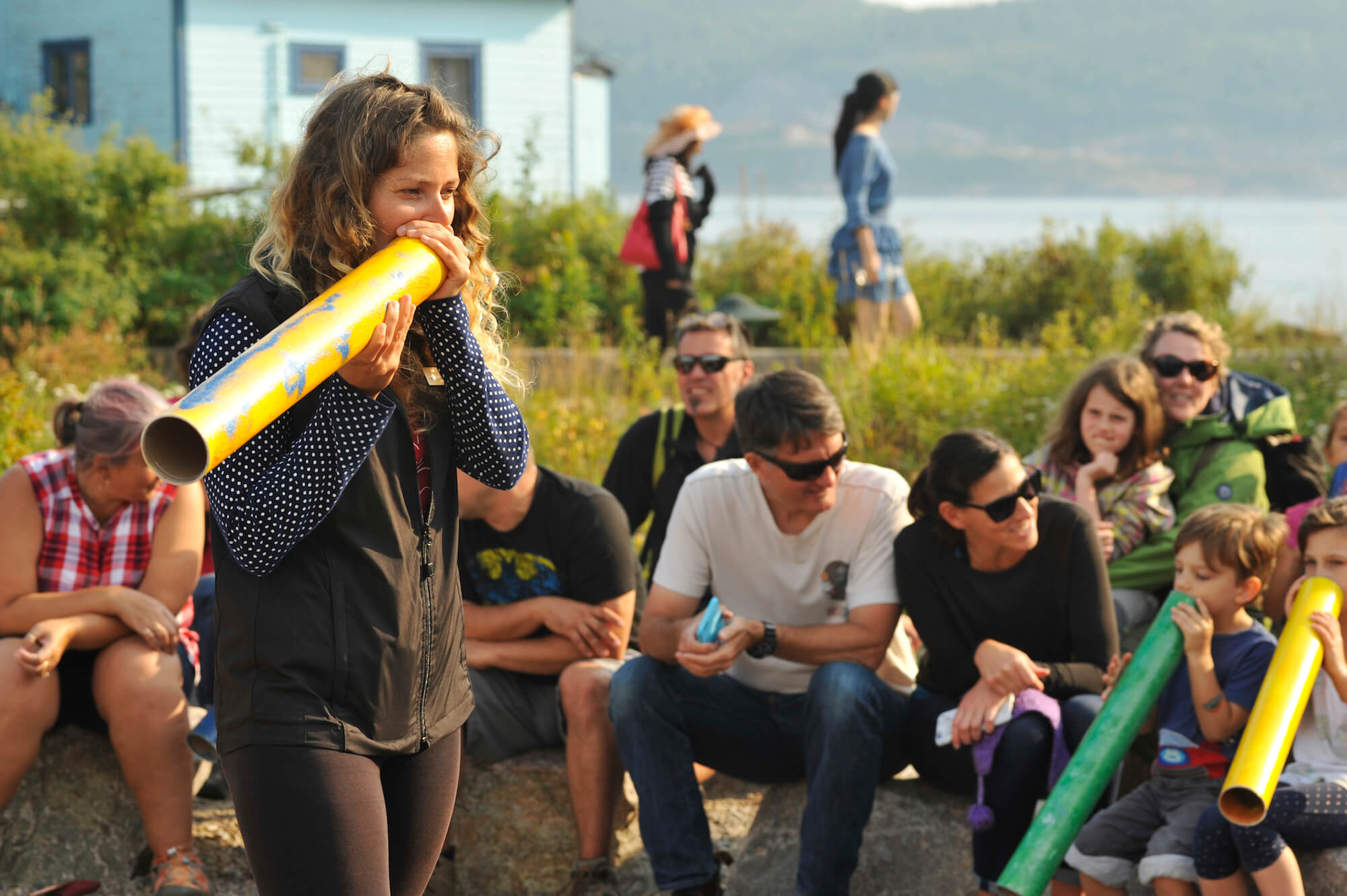
You will become a professional in science outreach and communication. You will design educational activities such as presentations, workshops, and even exhibitions, in addition to contributing to the creation of educational materials that are tailored to the target audience. You will collaborate with scientists, associations, museums, aquariums, and even nature parks. This position is at the crossroads of science, education, and environmental commitment. Therefore, it is important to have a solid background in biology as well as strong communication skills. You will ensure that your projects run smoothly, supervise your team, adhere to deadlines, and apply for grants.

This position is highly multidisciplinary and there is no single path to success. That said, here are a few suggestions. Ideally, you should have a solid foundation in animal biology, ecology, or literature. You can specialize with a master’s degree in biology, management, or even pursue a program in science communication! A professional master’s degree is preferable, as it’s better suited for education and outreach.

Science communicator or writer: Are you a curious person who likes to stay up to date with the latest developments? Do you enjoy writing, and are you fluent in French with a good written command of English? Have you ever considered a career in science communication? You’ll use the art of storytelling to educate, raise awareness, and encourage the public to take action. You’ll write articles and manage social media for organizations working with marine mammals.


Description:


Whether it is with the government or a conservation organization, you can play a vital role in making the world of cetaceans more accessible to the general public. Your tasks will include writing articles, managing social media, organizing educational events, and conducting interviews with specialists. You will educate and engage the public by sharing information about whales and their environment. Your role will be to share knowledge while promoting the protection of these species and their habitats. You will help re-imagine a world where humans coexist with cetaceans with curiosity, respect, and compassion.


For this sphere, a strong understanding of complex scientific concepts and the ability to synthesize them are essential.

  • Bachelor’s in Science, Environment, Biology >

→ Develop your writing skills

  • Microprogram in Communication and Journalism

→ Some examples: UQAM; ULaval (both sites in French)

  • Master’s in Public Communication and/or Journalism

Interpretive guide or naturalist: Are you passionate about marine mammals and love sharing what you know? Are you outgoing and comfortable speaking in front of crowds? Then you’ve got what it takes to be a naturalist! You’ll draw on your scientific knowledge to educate the public about marine mammals and conservation, inspiring new ambassadors for our oceans and our whales!

Description:

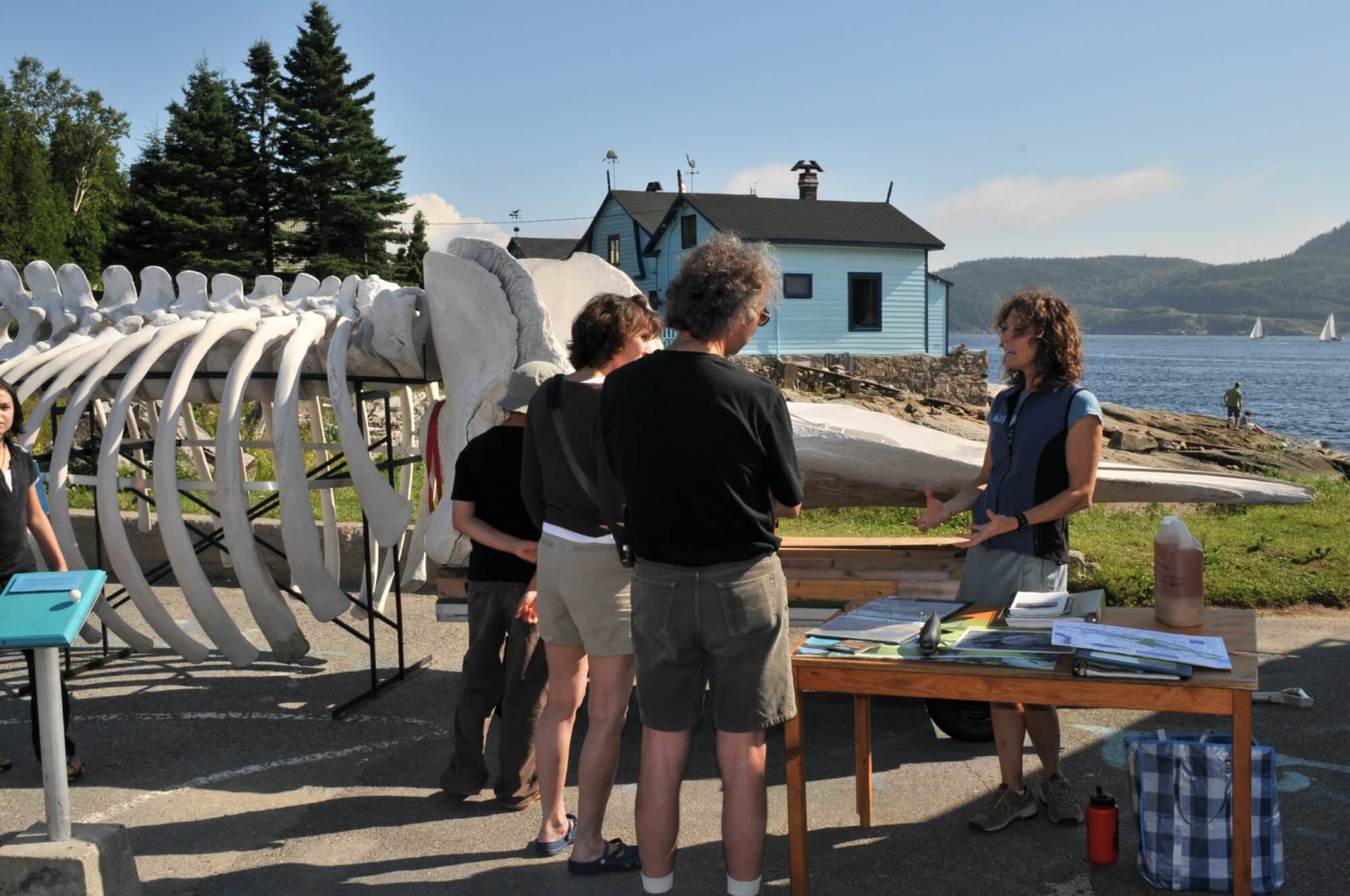
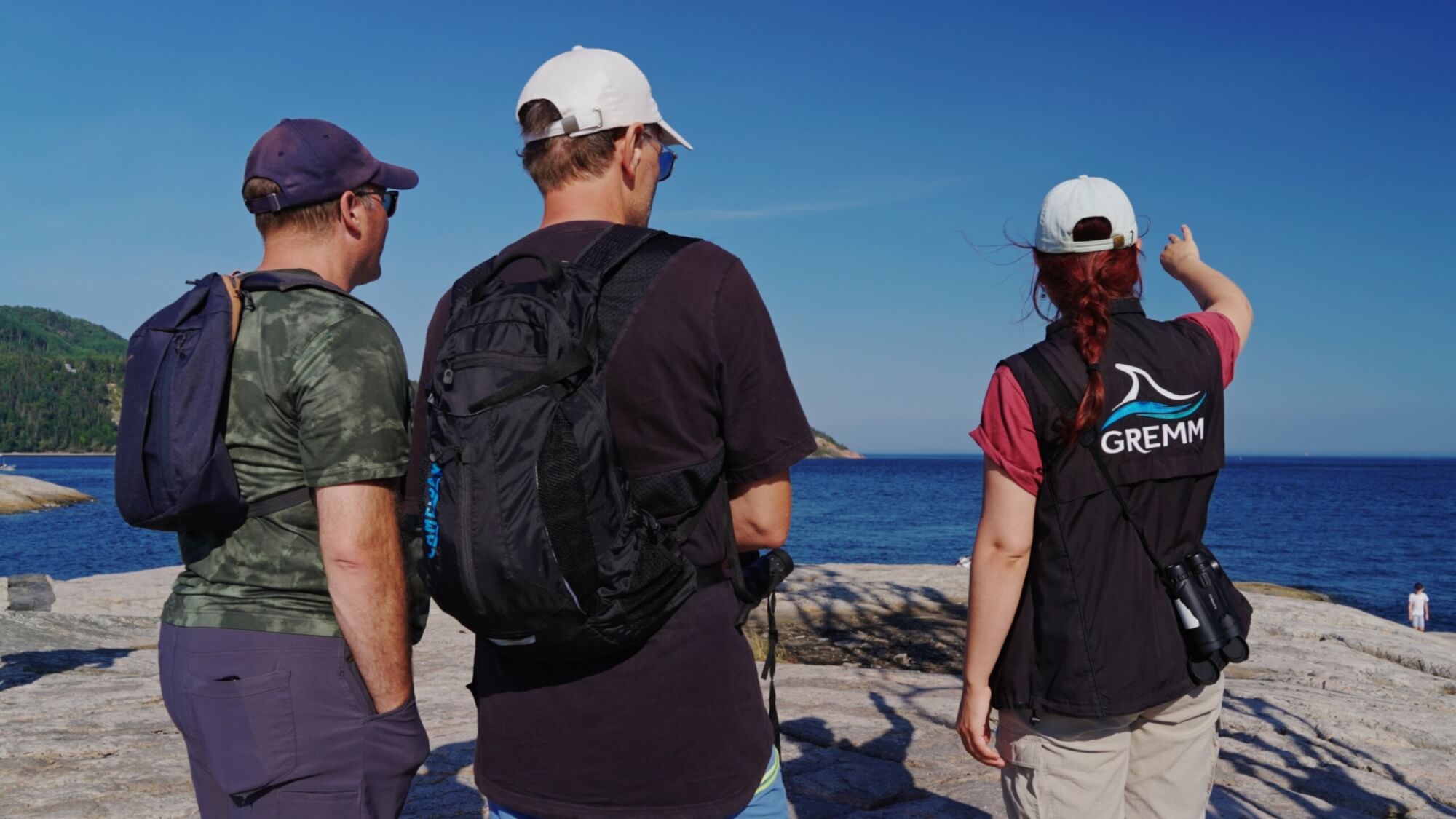
Whether in a museum, at shore-based observation sites, or out at sea, you’ll become the bridge between the mysterious world of cetaceans and a curious public. With your knack for explaining scientific concepts in simple jargon, you’ll raise awareness about whales and their environment. You’ll help protect these giants of the sea, one conversation at a time!

A strong background in science and marine mammals is a plus. Having completed post-secondary studies is also a big advantage, as it shows that you are able to learn quickly. Also valued is experience in tourism, public outreach, or interpretation (even in a different field), as well as customer service. This job requires an excellent command of French and English, especially spoken.

College degree:

  • Attestation of College Studies (ACS) “Adventure Guide”: Skill-building in the safe supervision, planning, and leading of outdoor activities.
  • Diploma of College Studies (DCS)
    • DCS in “Tourism Technology”: A specialization in developing tourism products is a plus.
    • DCS in “Natural Environment Technology”: Useful for natural heritage management and interpretation.

Bachelor’s degree: Biology, Environmental Science, or Ecology

Useful training: First aid and CPR courses, Emergency Response Training at Sea (ERTS) course (FUM-A2 Certificate) if you work on the water.

Conclusion


Full of mysteries waiting to be cracked, the world of cetaceans fascinates many. If this is the case for you, there is a wide range of jobs to work with whales outside the fields of biology and natural sciences. You could become a catalyst for change, both for their protection and for our understanding of these giants of the seas. To inspire you, below is a non-exhaustive selection of other careers that could lead to work with marine mammals:


  • Chemist: Analyzes water quality and the impact of pollutants on marine life.
  • Computer engineer: Creates applications and supports the technological infrastructure that allows research to advance. Artificial intelligence is also a rapidly growing field that offers seemingly endless job opportunities. Take a look at organizations such as Whale Seeker, Merinov or Sensea Canada in Quebec. With advances in artificial intelligence, even a graduate in computer engineering can work with marine mammals, for example by designing software for remote sensing or photo-identification.
  • Robotics engineer: Designs and builds machines to support marine mammal research.
  • Graphic designer / web developer: Creates content or websites that support marine conservation.
  • Engineer: Develops and maintains equipment for marine mammal research.
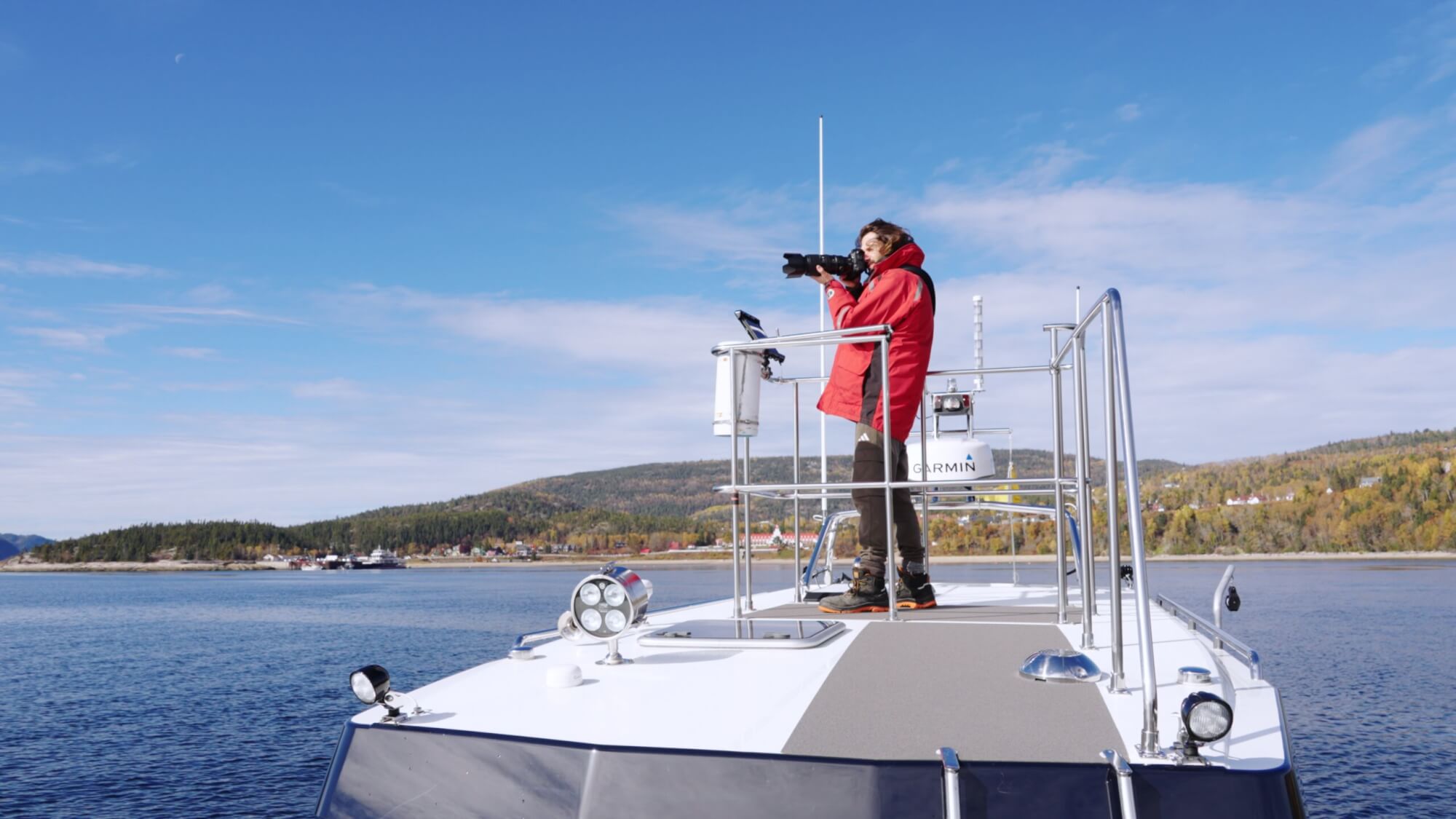
  • Photographer or filmmaker/videographer: Captures photos and videos of marine life for documentaries and magazines.
  • Legal expert: Advocates for marine mammals and their environment at the legislative level. In Canada, the captivity of marine mammals in aquariums has been banned.
  • Philanthropy: Participates in managing fundraising events, setting up major funding campaigns, and cultivating relationships with donors to ensure the financial health of organizations that endeavour to study and protect marine mammals.
  • Writer: Authors books for all types of audiences to raise awareness about marine mammal protection!
  • Construction worker: Builds and maintains research facilities or even enclosures for aquariums or sanctuaries.

Recommended reading:

Whale Scientists. How to become a whale scientist

Advice from the Ocean: Unexpected Paths into Marine Conservation

A few things to keep in mind:

  • Build a strong foundation in sciences such as chemistry, biology, or mathematics.
  • Polish your social and communication skills, both written and oral. Never underestimate this skill!
  • It is important to be able to work both independently and as part of a team.
  • Look for scholarships to financially support your interests.
  • Seek out volunteer opportunities or join environmental organizations to cultivate your passion and build a community and network.
  • When weighing graduate programs, enquire about the teaching faculty and the types of marine mammal research conducted at the university. You will likely work on a professor’s specific project for your research projects or thesis.