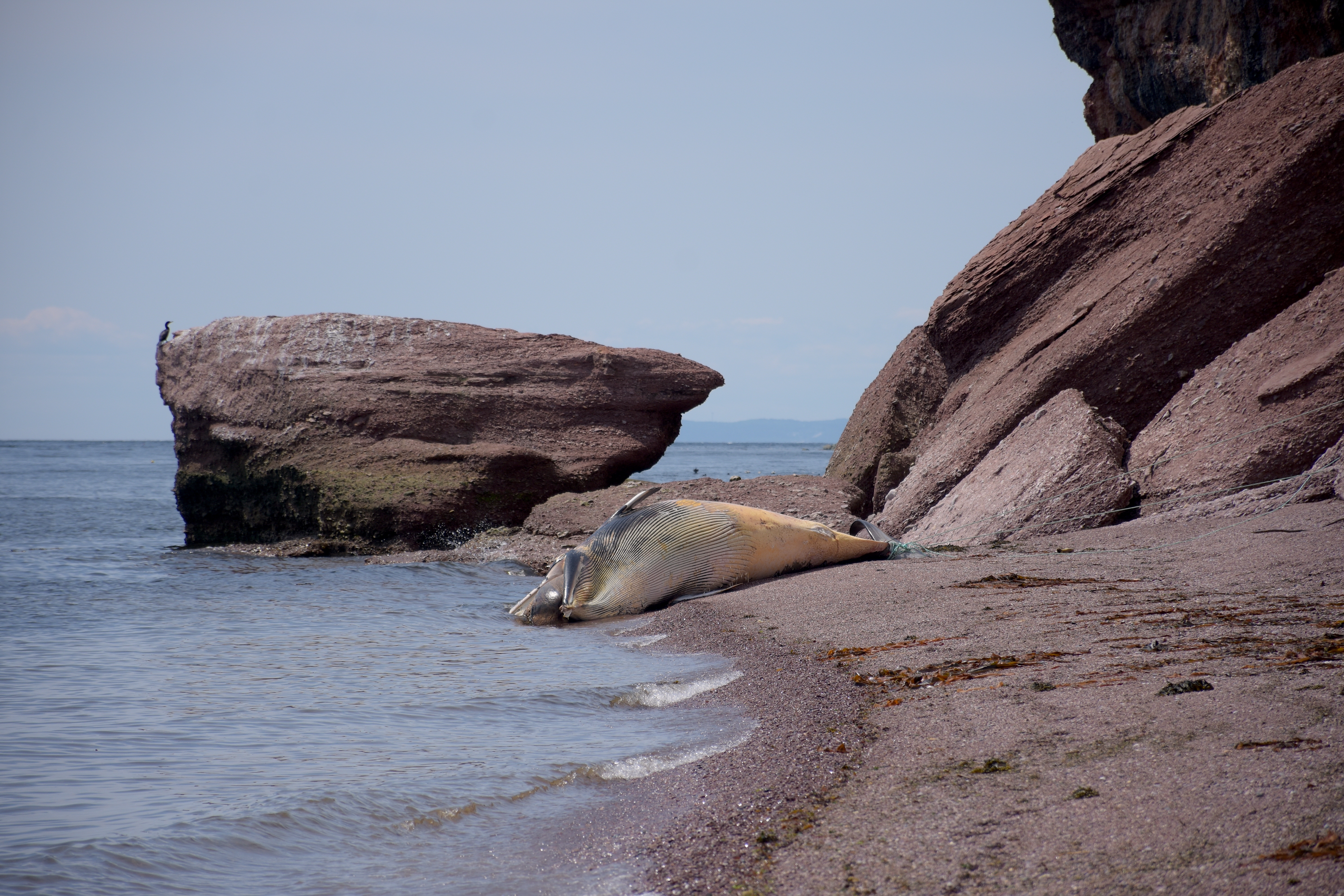
Beached Fin Whale: QMMERN Takes to the Field After Bp919 Found Stranded

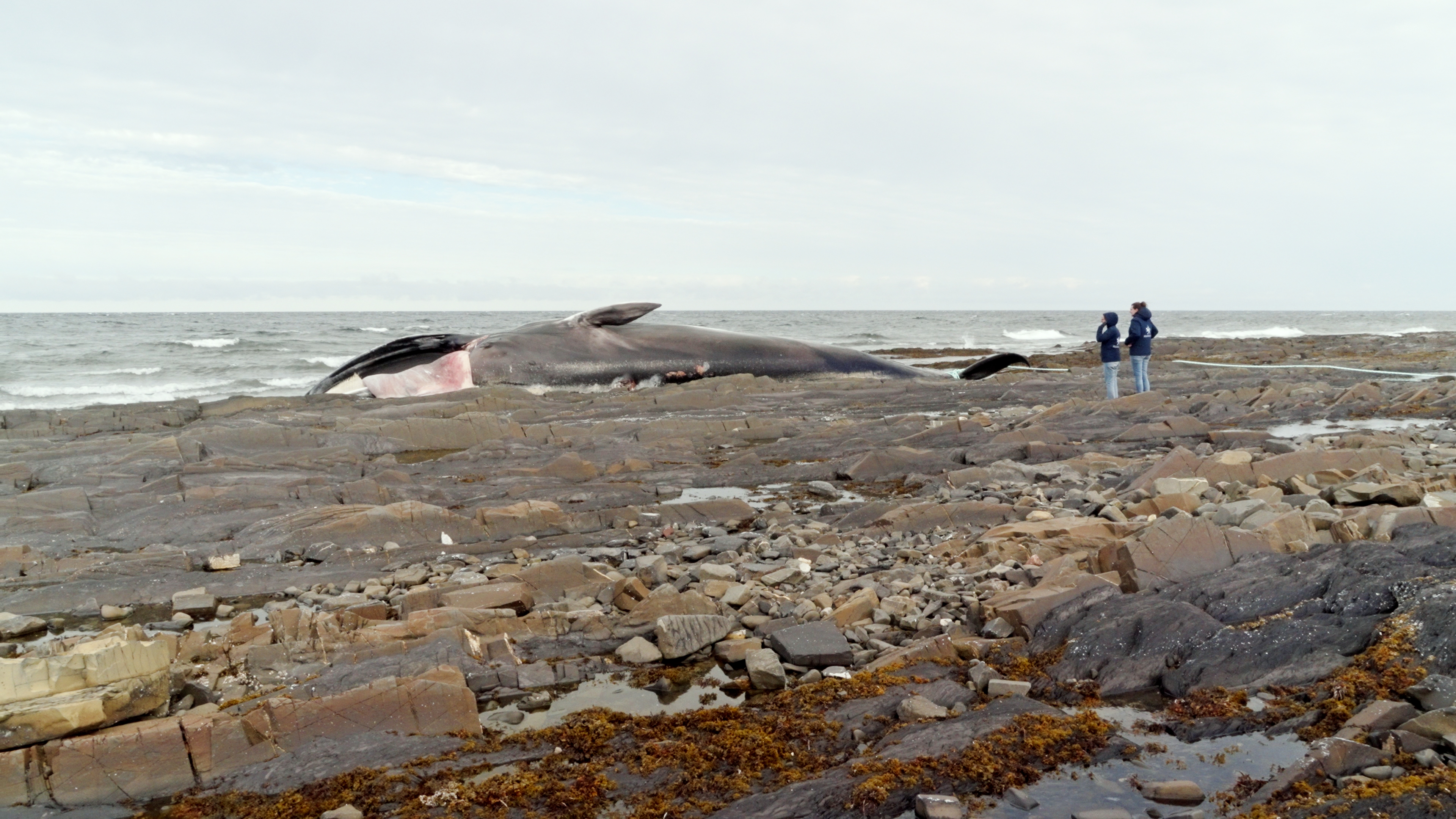
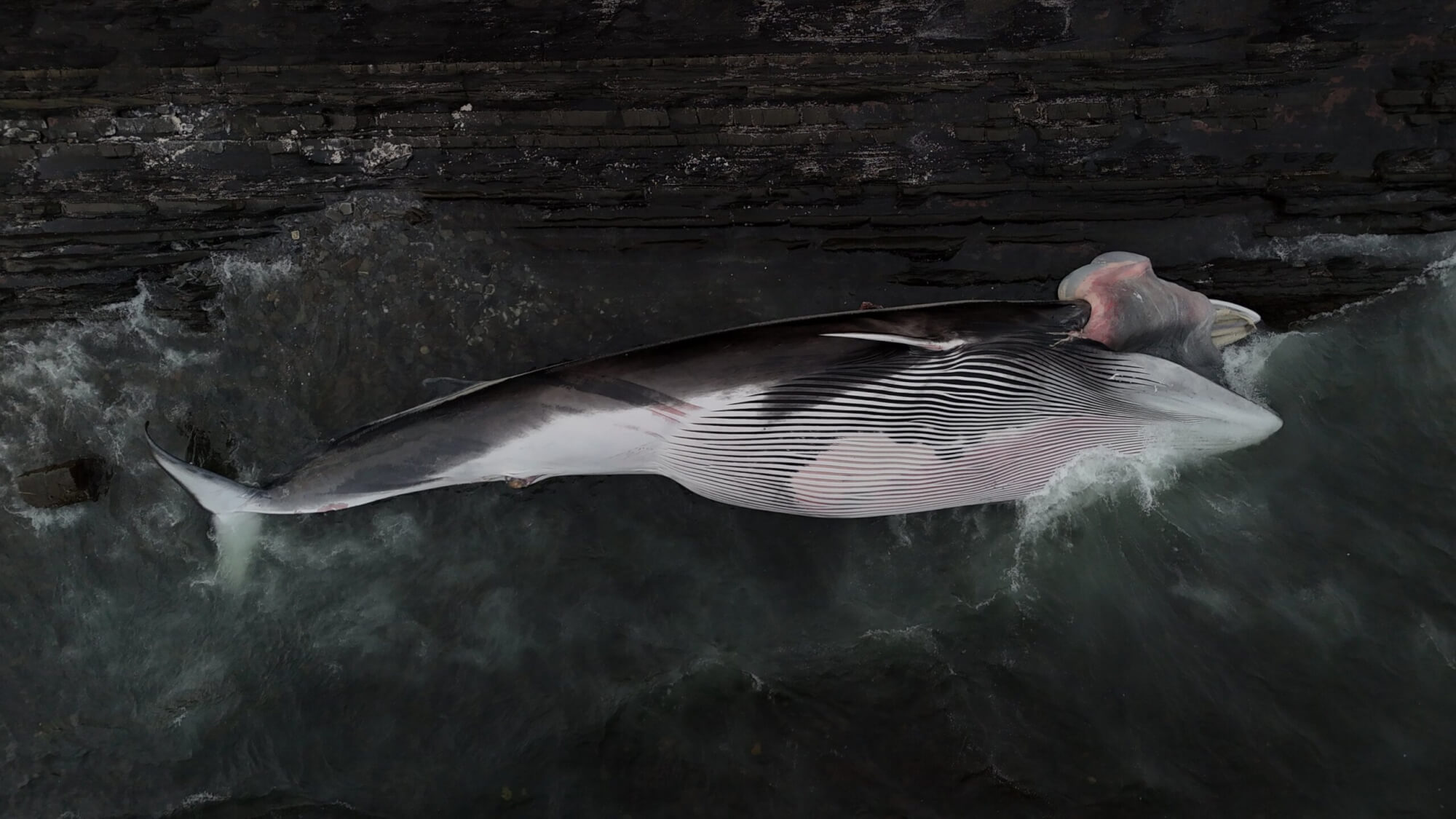
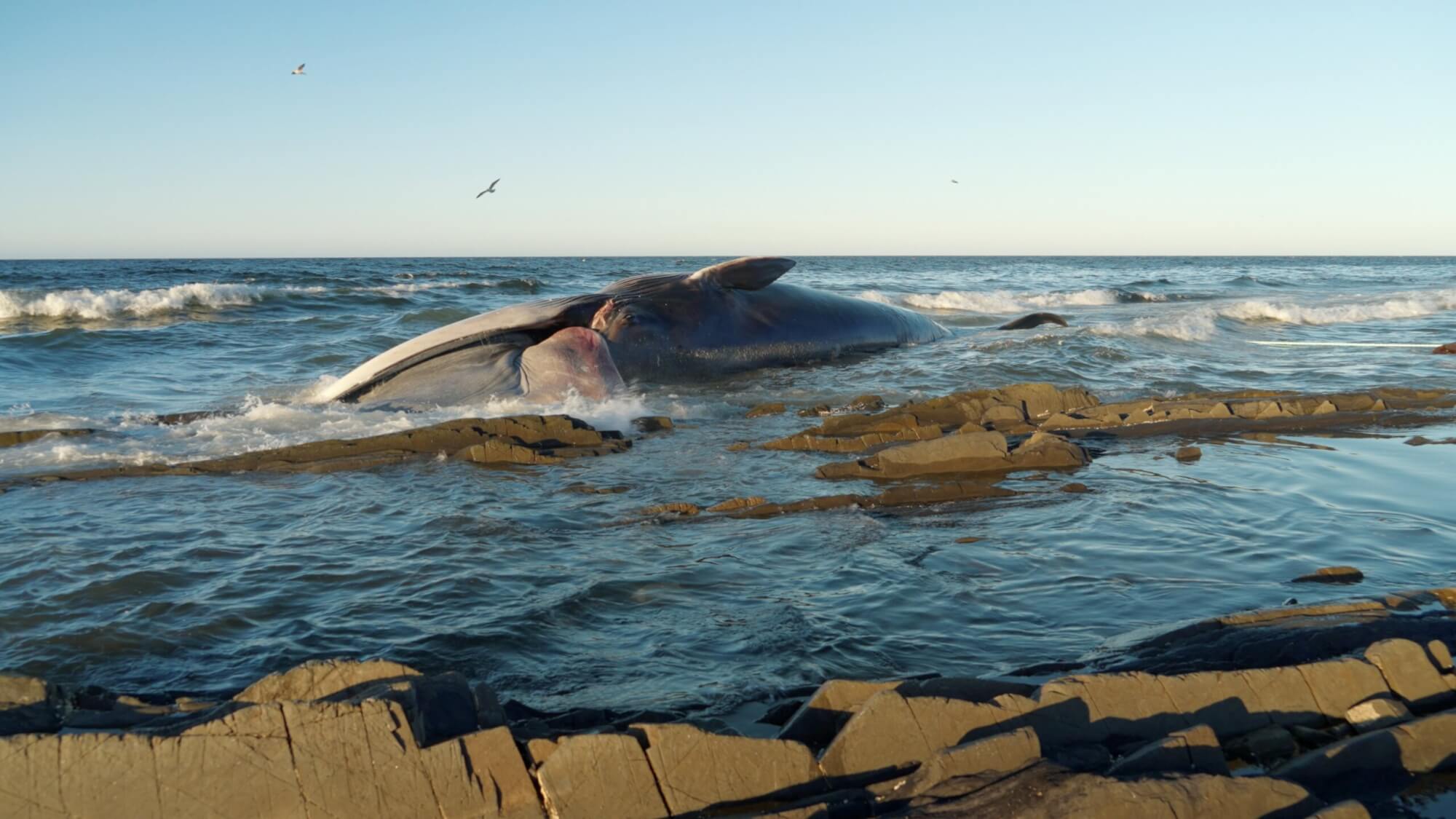
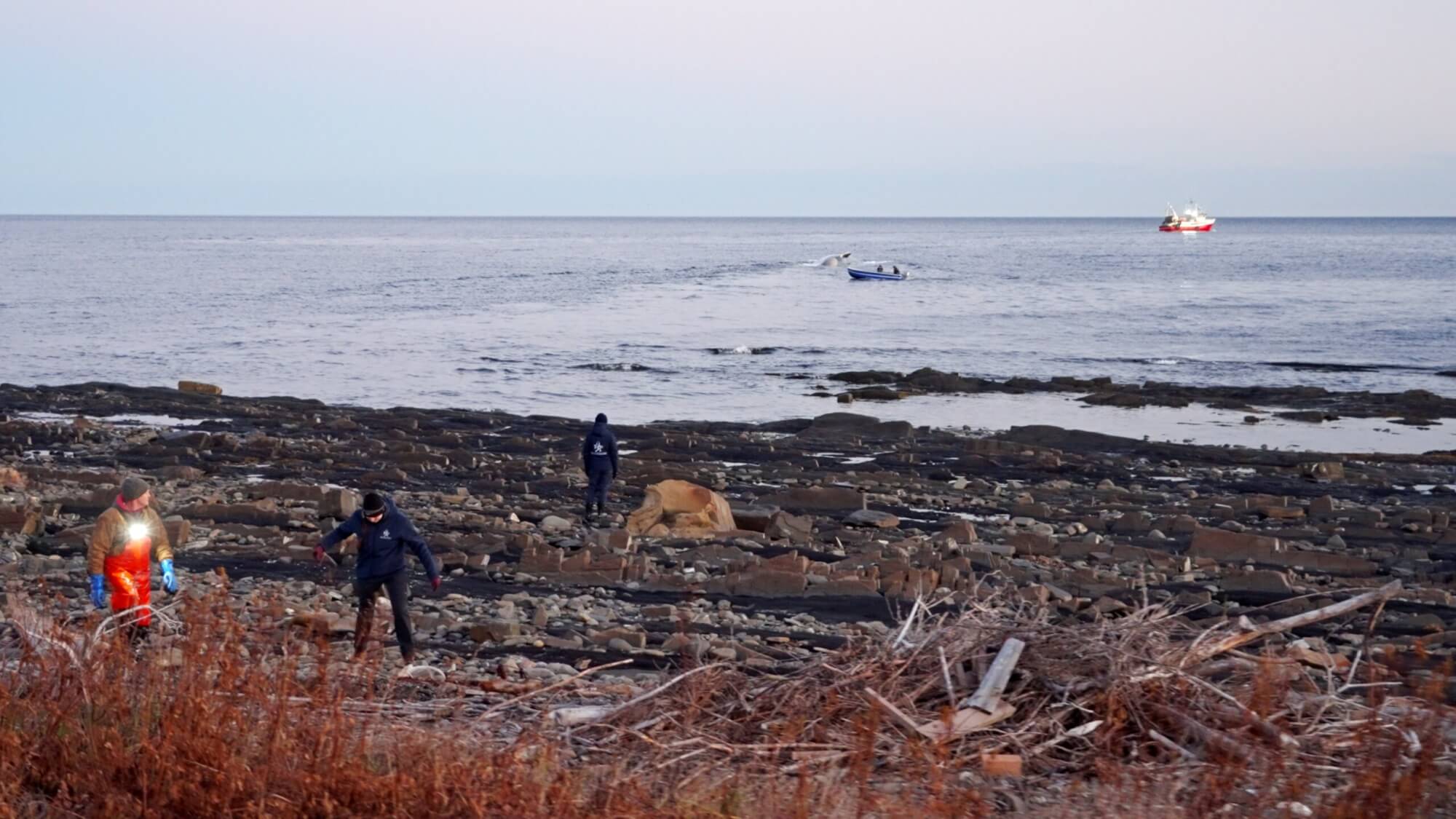
On October 24, 2025, Marine Mammal Emergencies (UMM) received a call concerning a large dead whale stranded on the shores of the Gaspé Peninsula, a dramatic scene reported by a resident of Grande-Vallée. A witness managed to provide UMM with striking drone images of the dead animal. This marked the beginning of a lengthy intervention, which ultimately led to the conclusion that the fin whale, later identified as Bp919, might have died of asphyxiation.
Getting started...
After compiling numerous reports on the cetacean’s presence, the UMM’s intervention protocols were quickly put into action by the Quebec Marine Mammal Emergency Response Network (QMMERN). Remarkably fresh and in good condition, the carcass presented a unique opportunity for collecting important scientific data. Furthermore, the fin whale is listed as a species of special concern by the Committee on the Status of Endangered Wildlife in Canada (COSEWIC). A direct line of communication with Fisheries and Oceans Canada (DFO) and veterinarians from Université de Montréal’s Faculty of Veterinary Medicine in Saint-Hyacinthe (FMV) was established to develop an action plan for a necropsy—a complex procedure for an animal of this size!
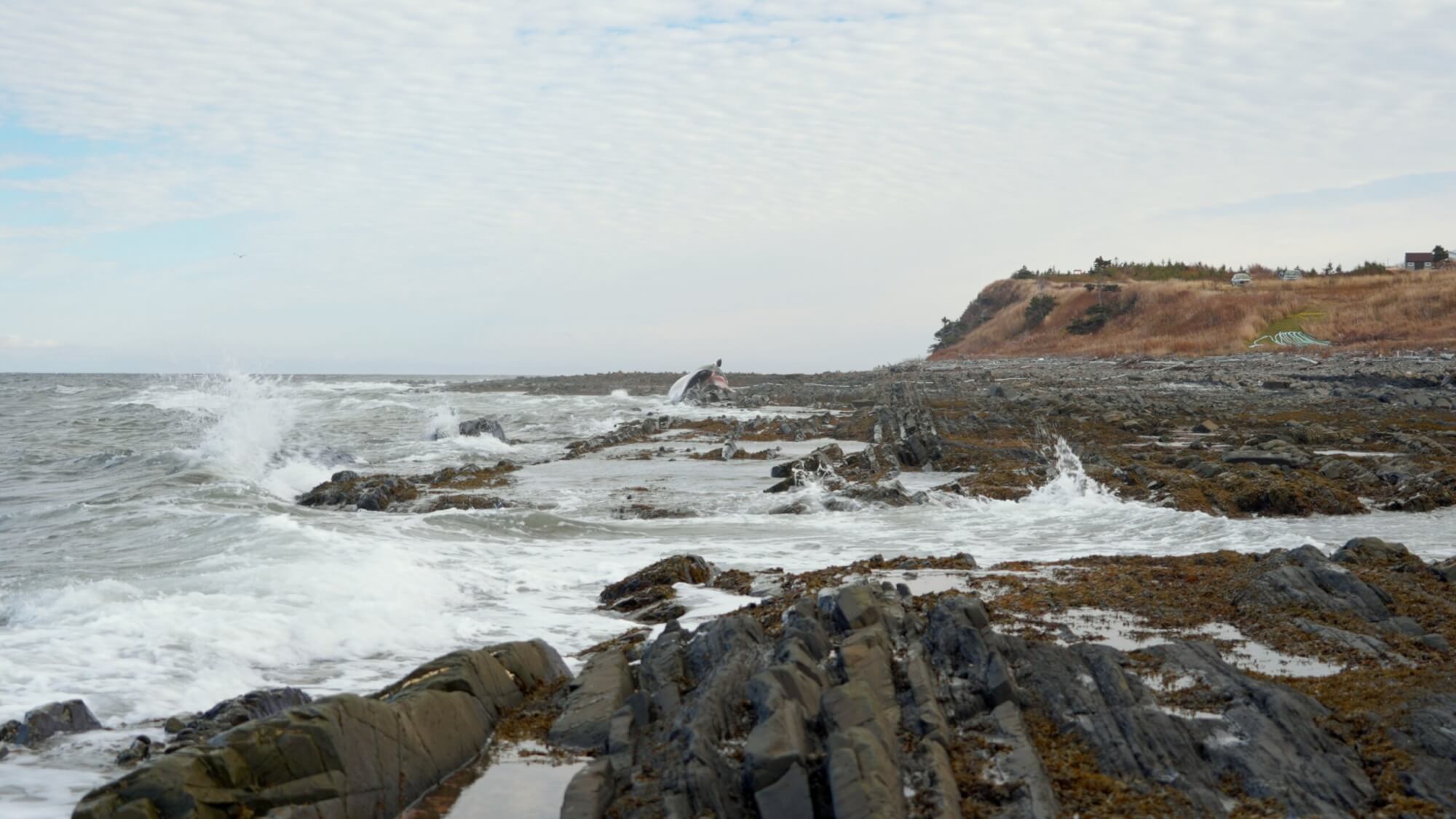
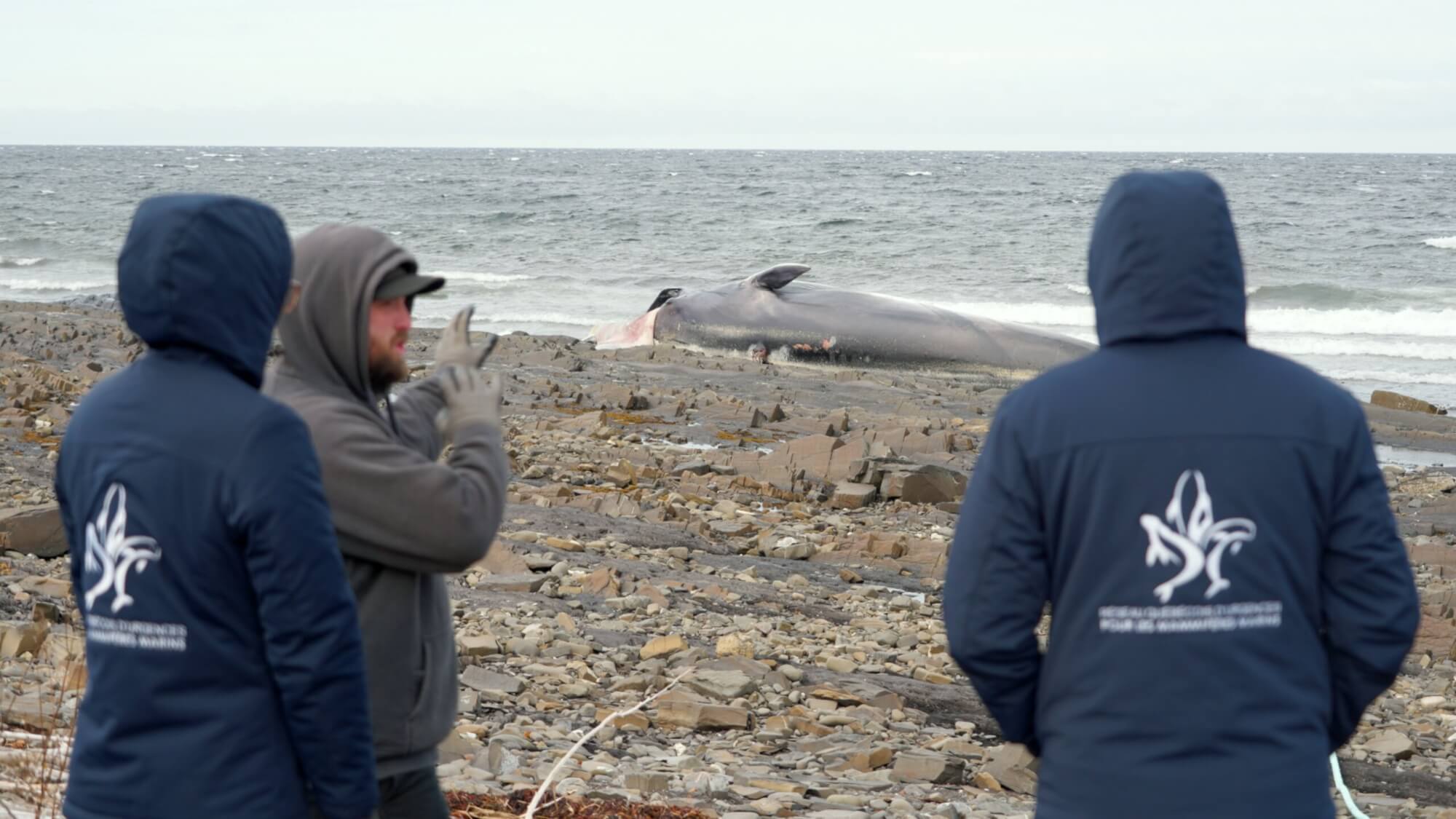
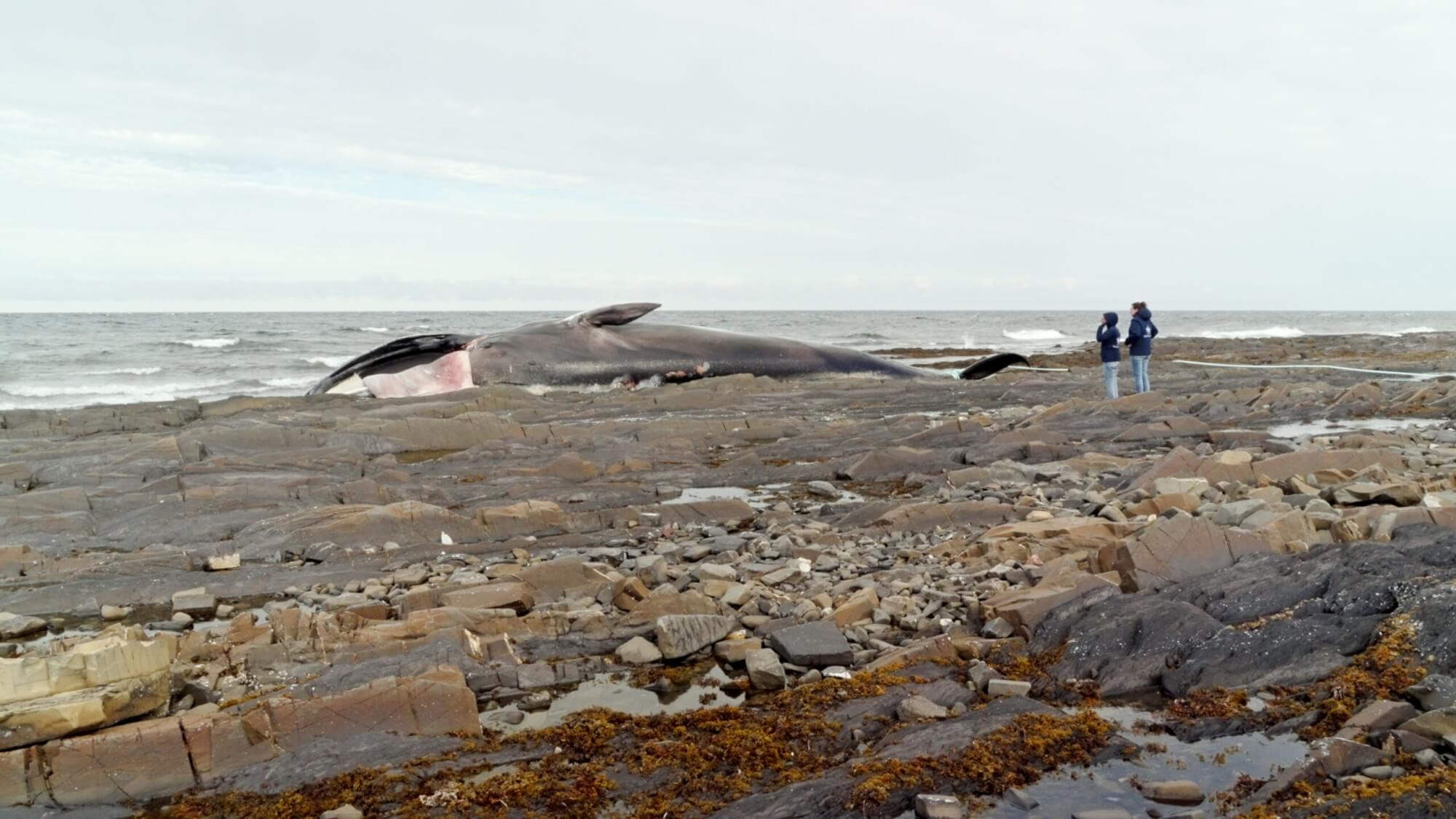
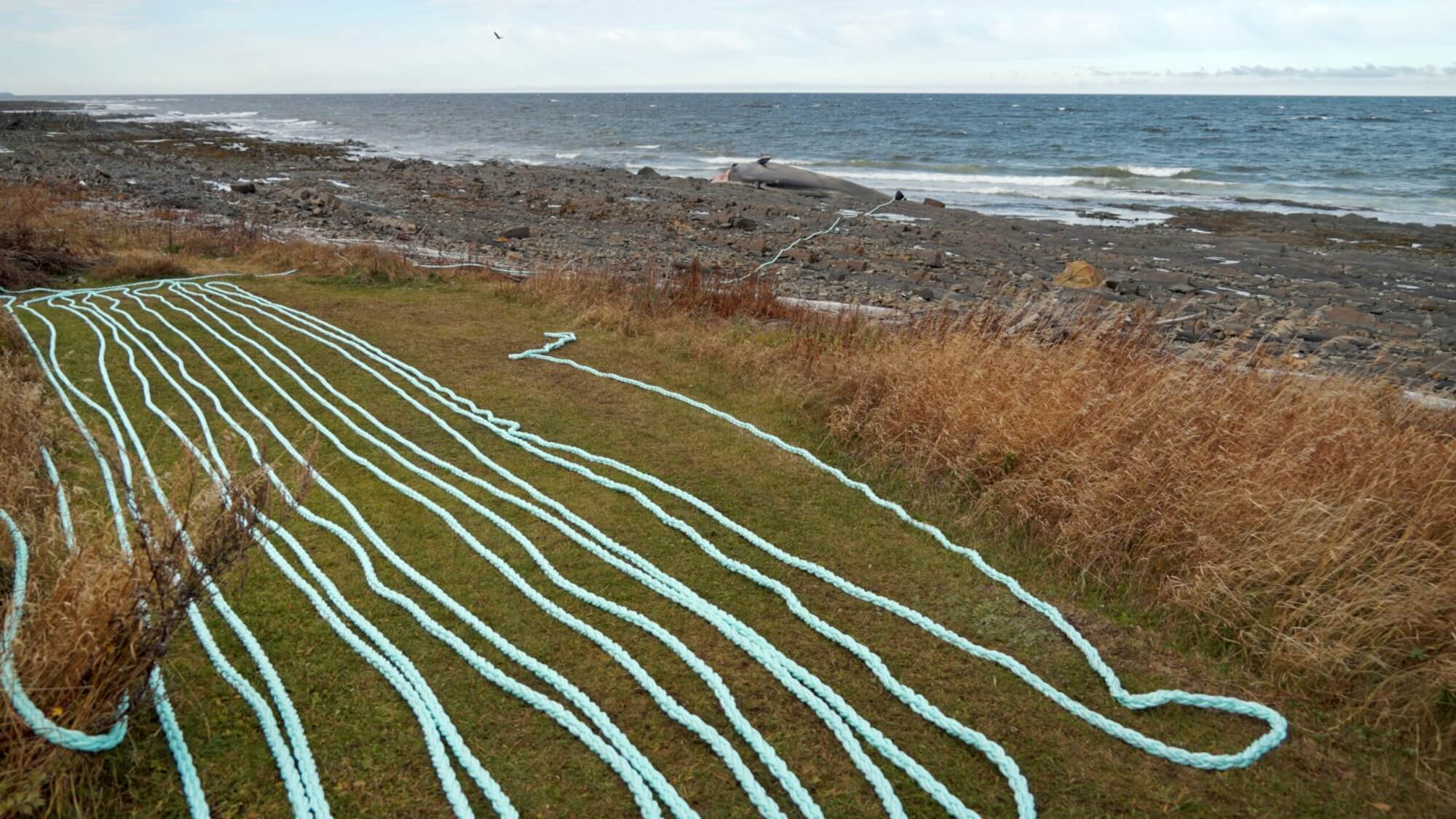
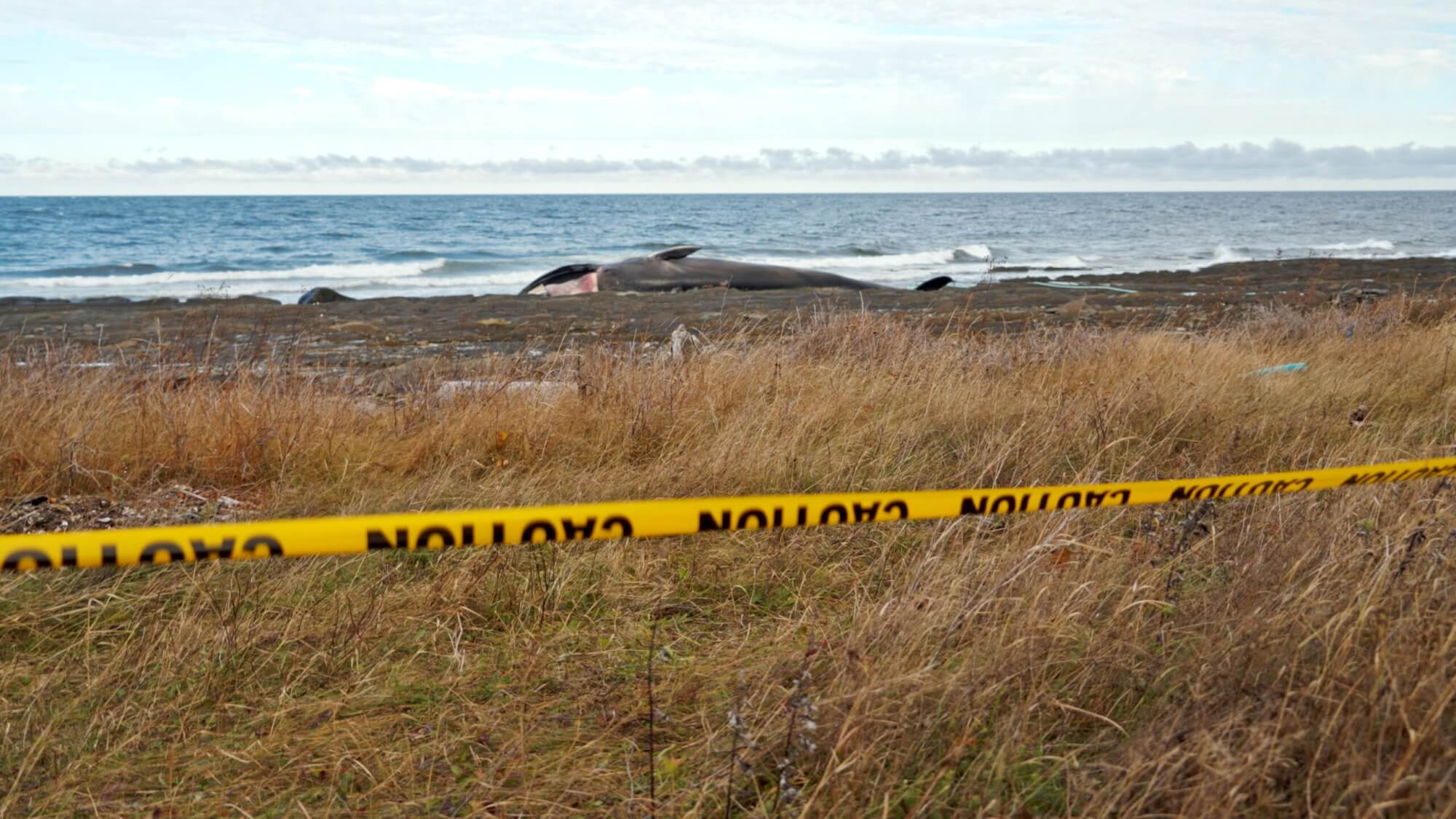
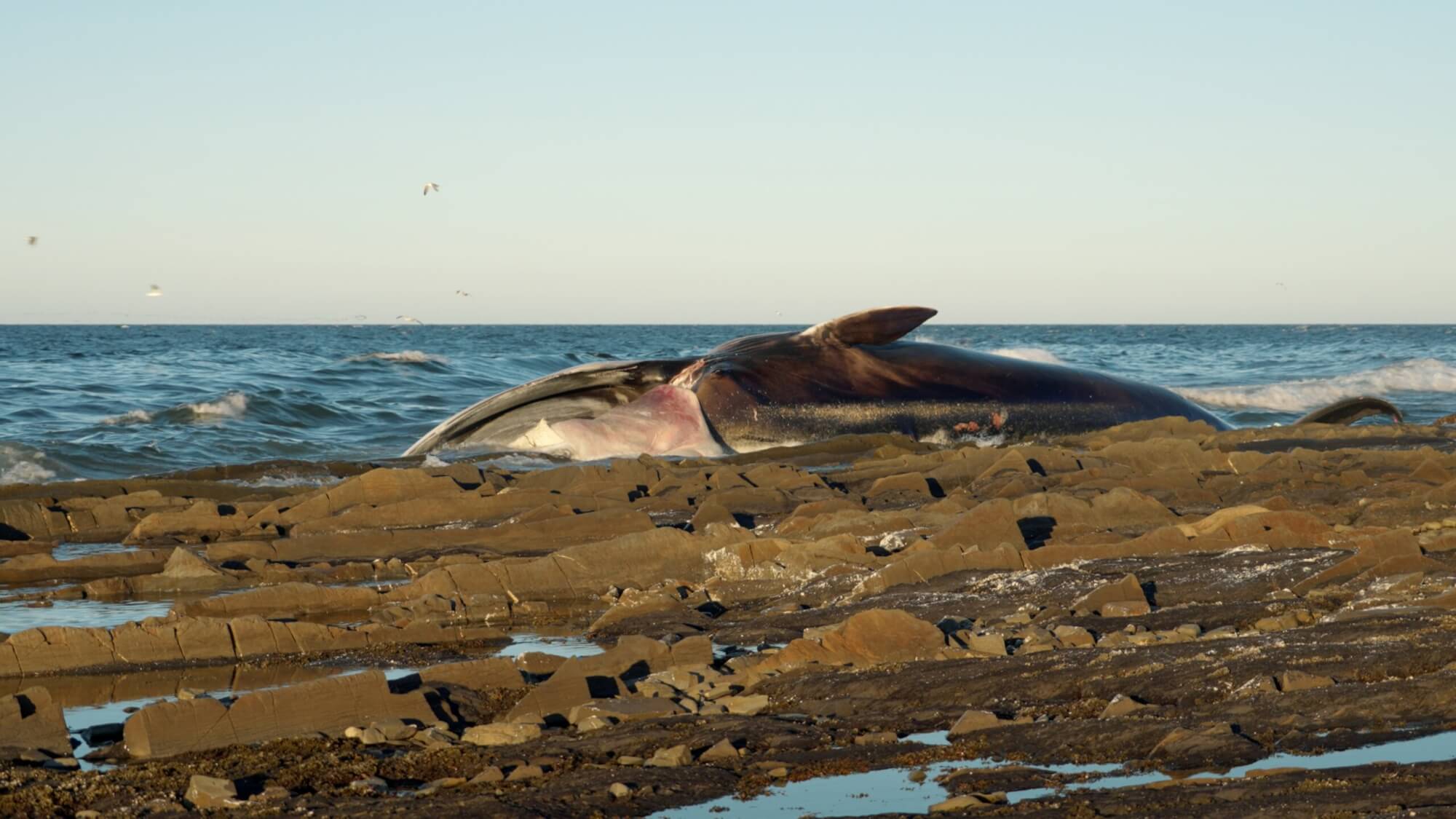
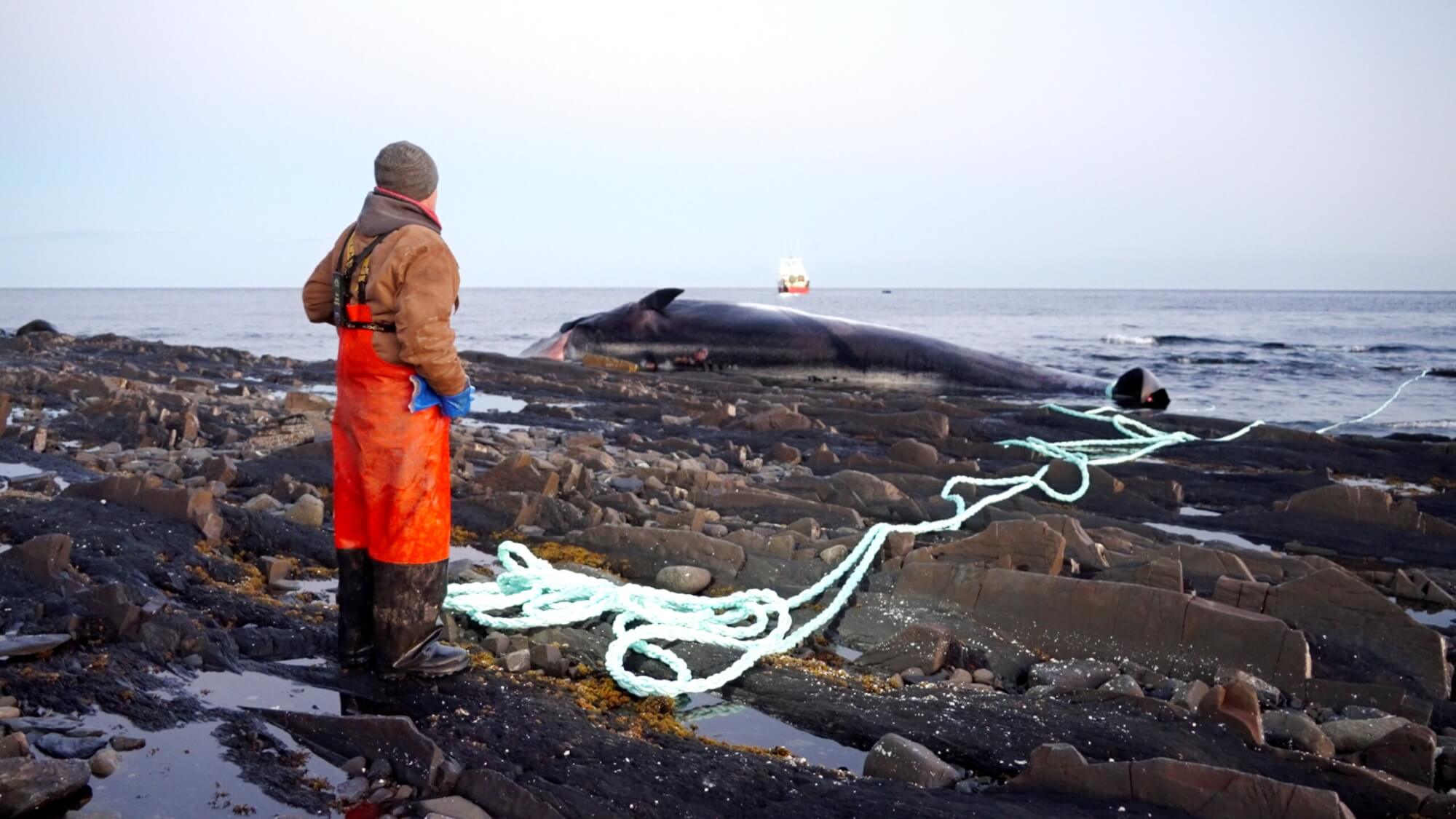

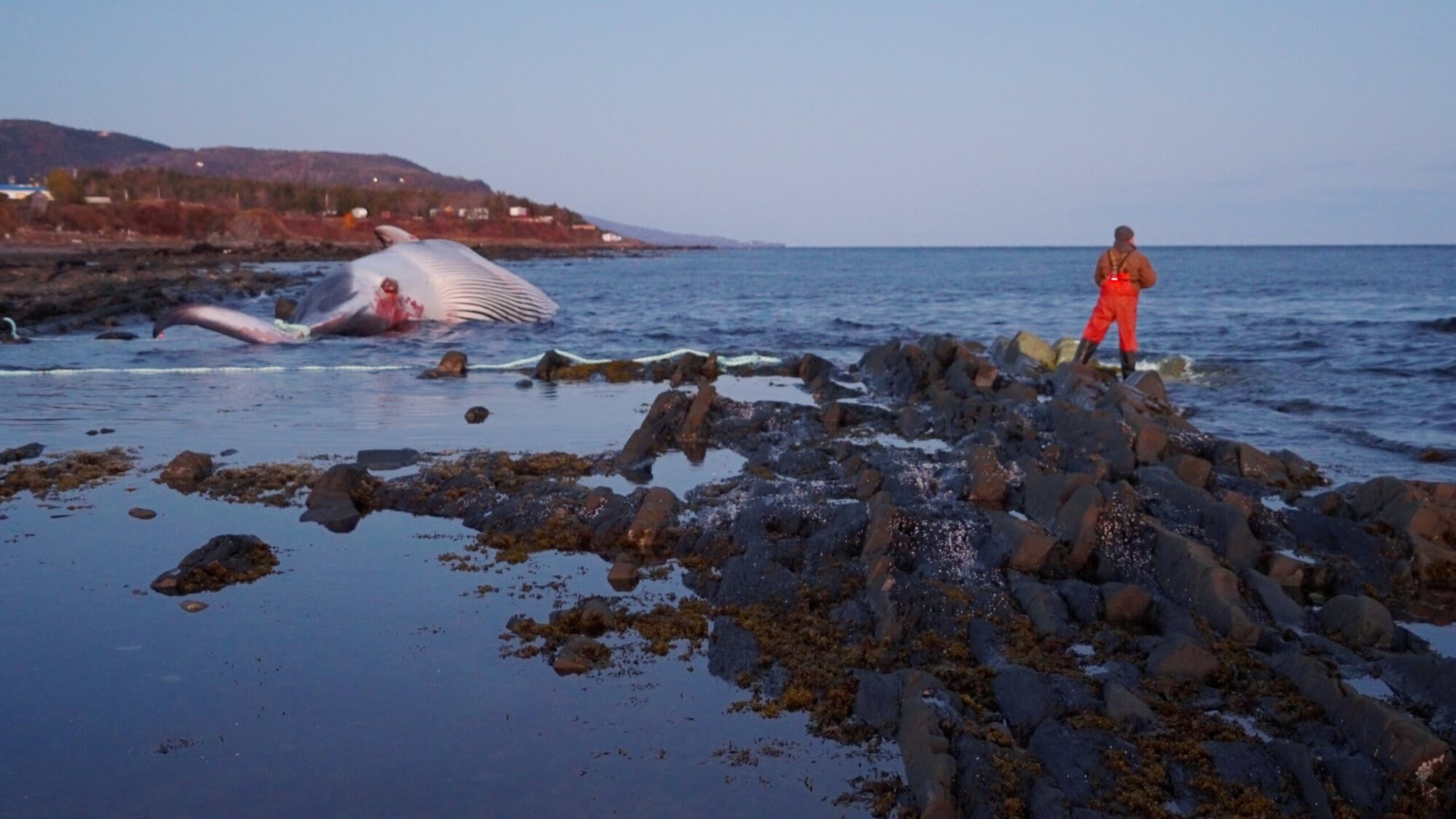
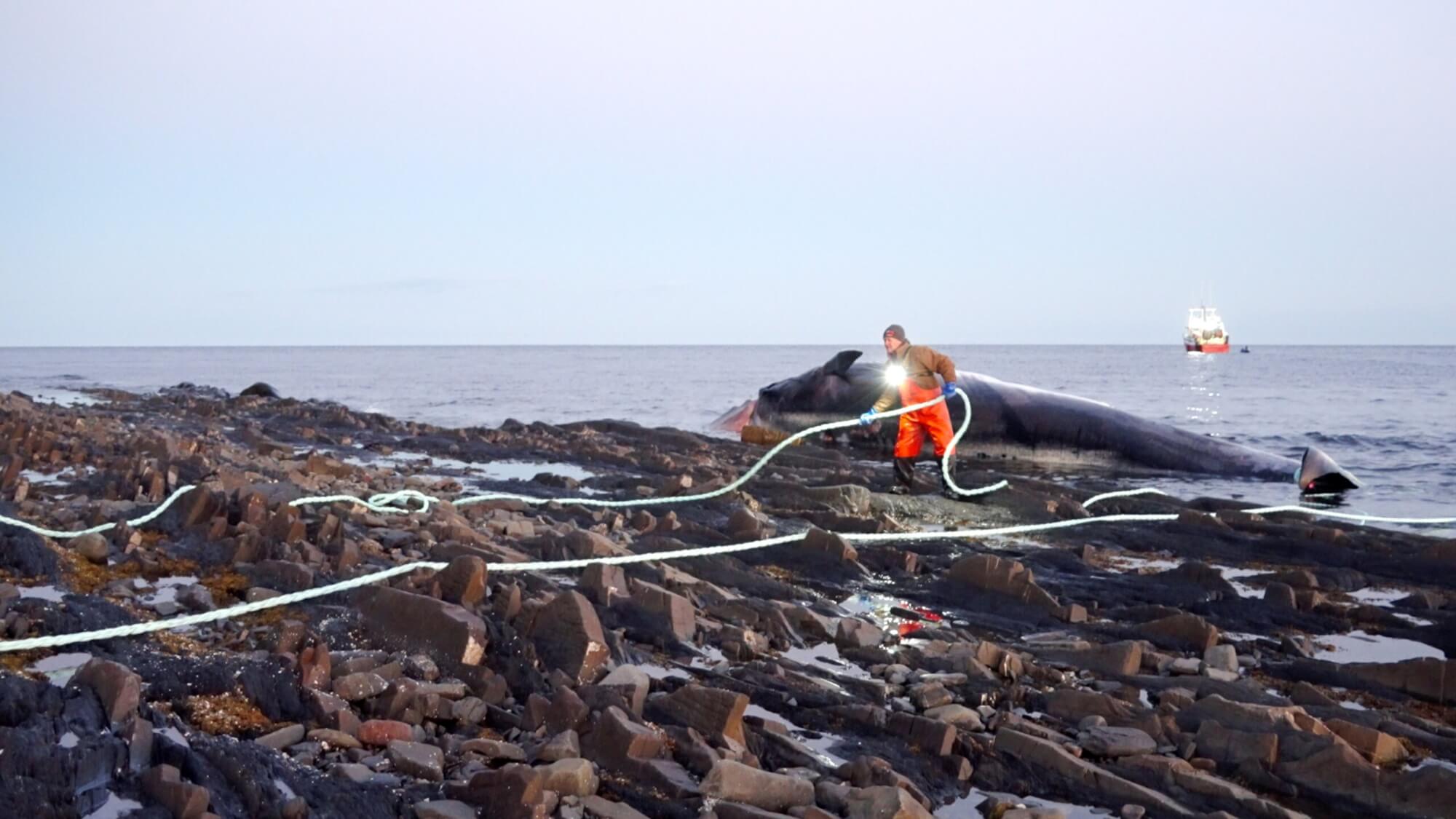
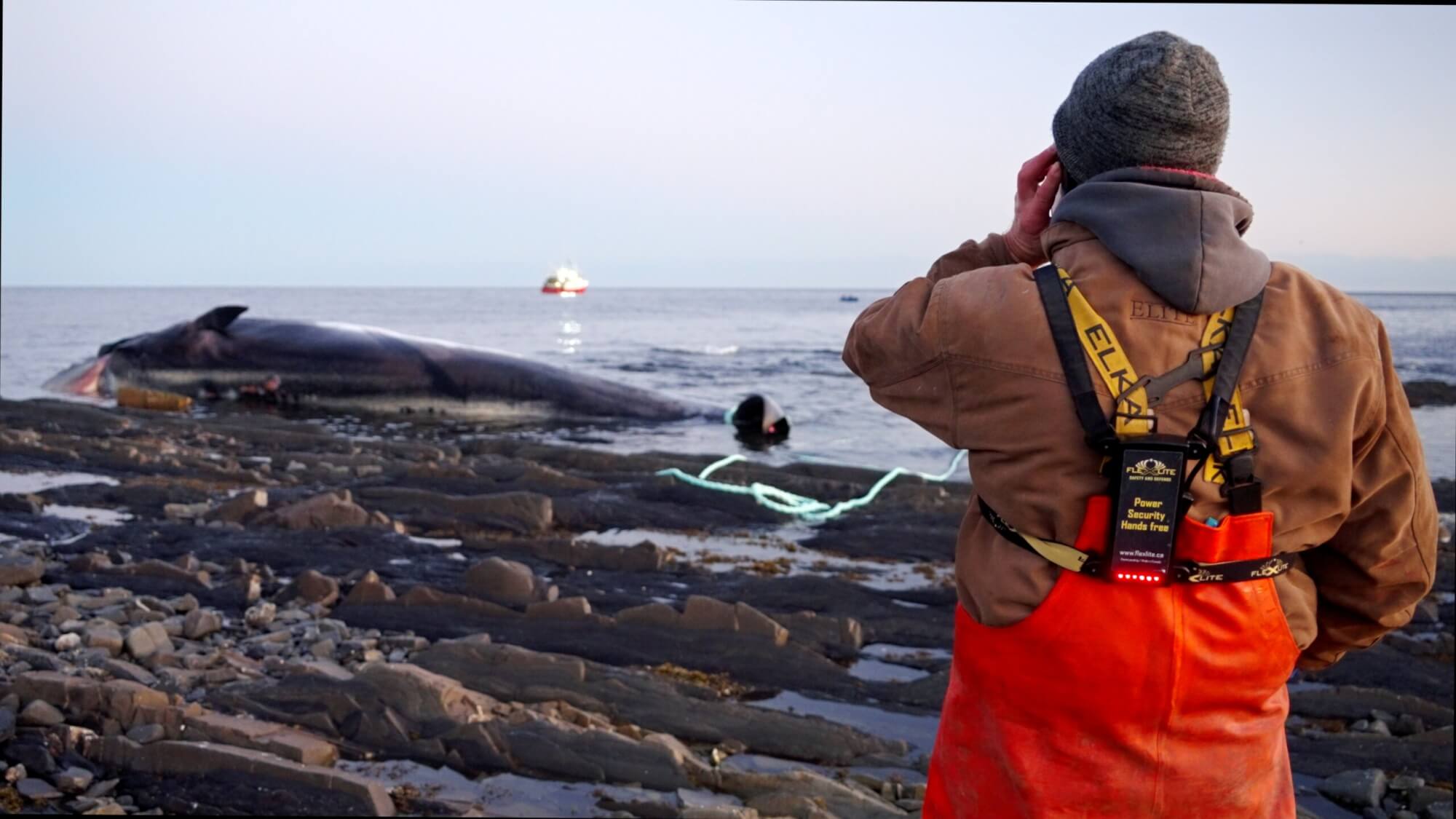
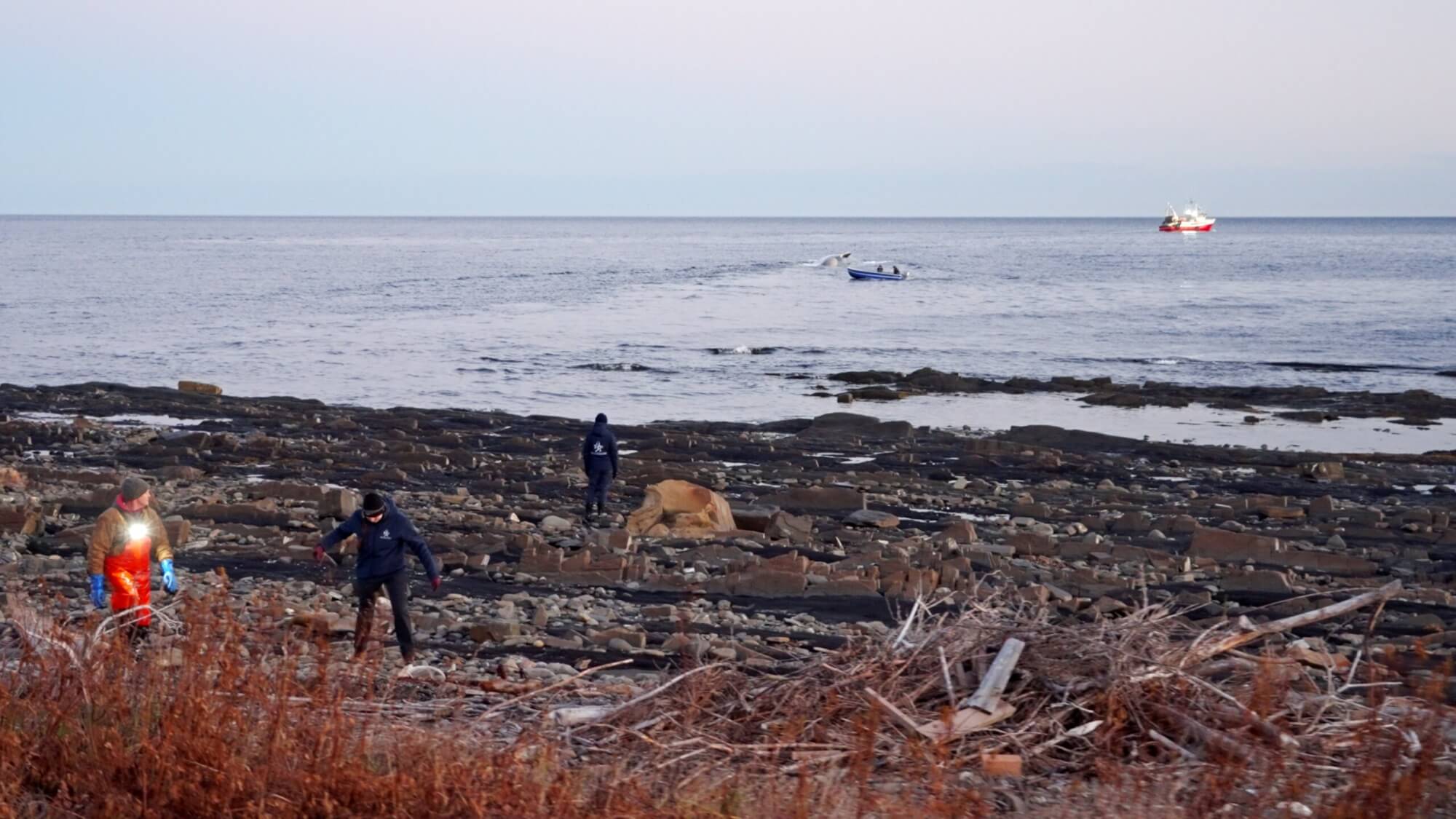
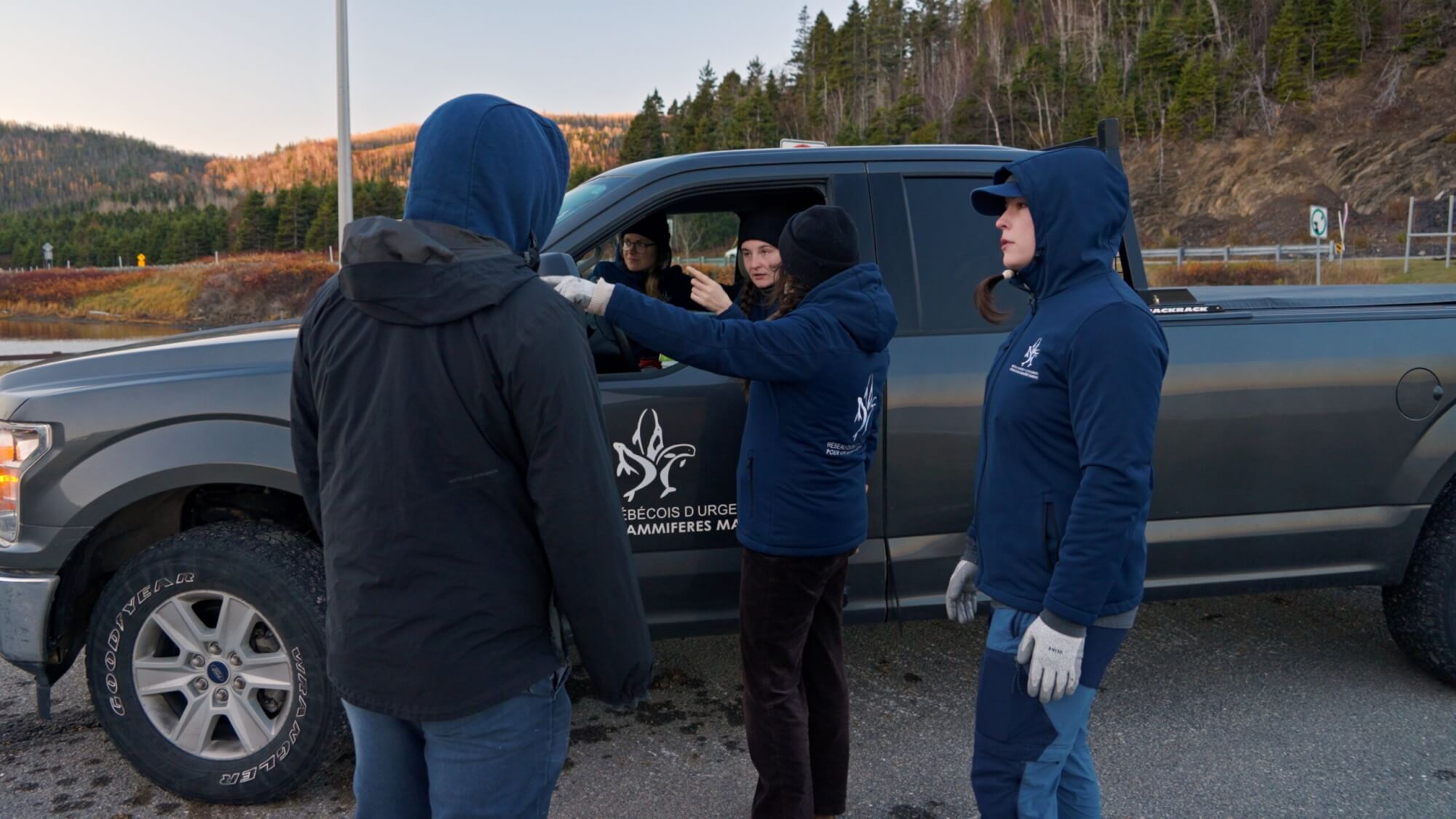
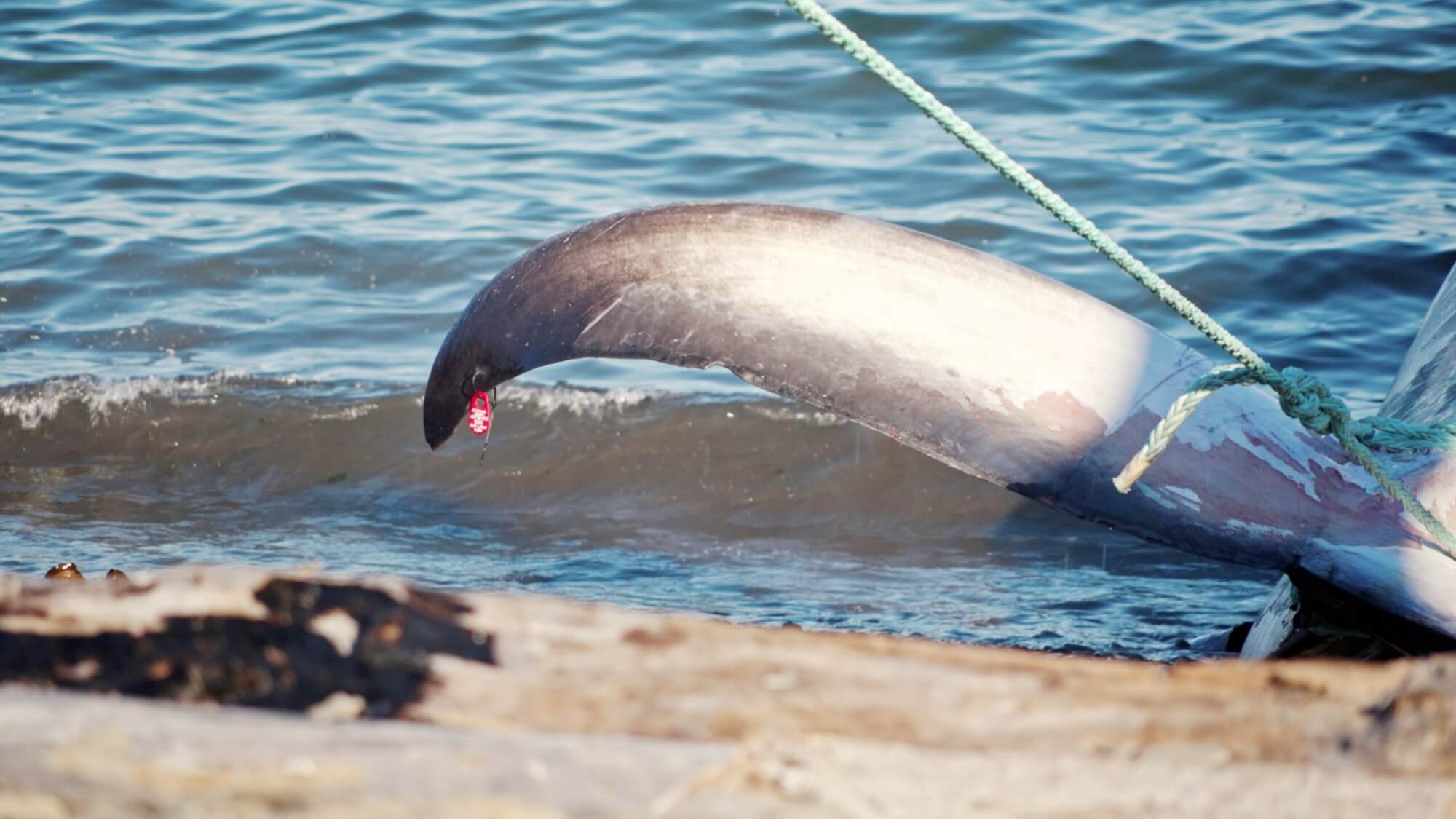
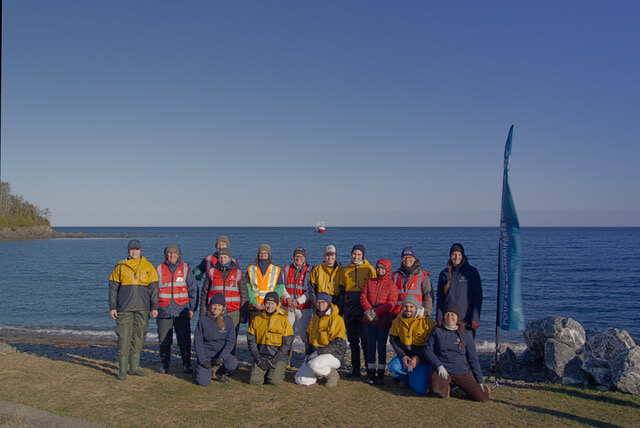
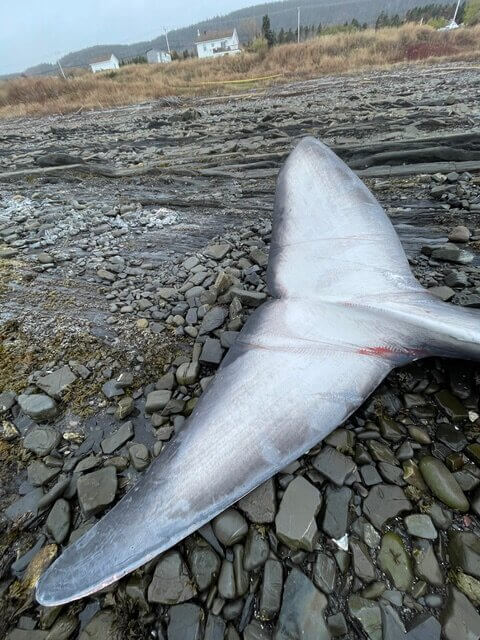
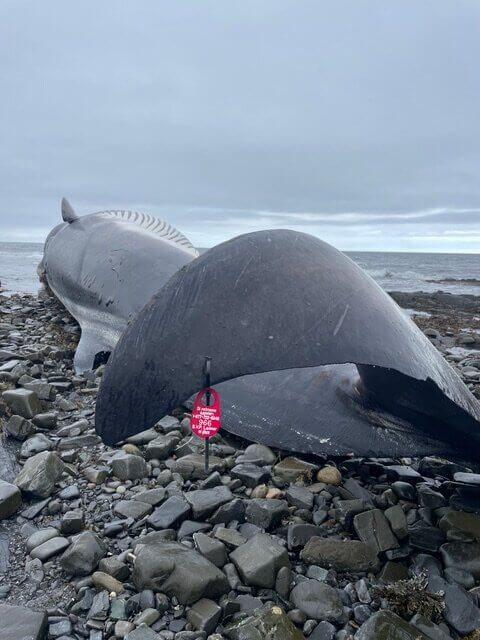
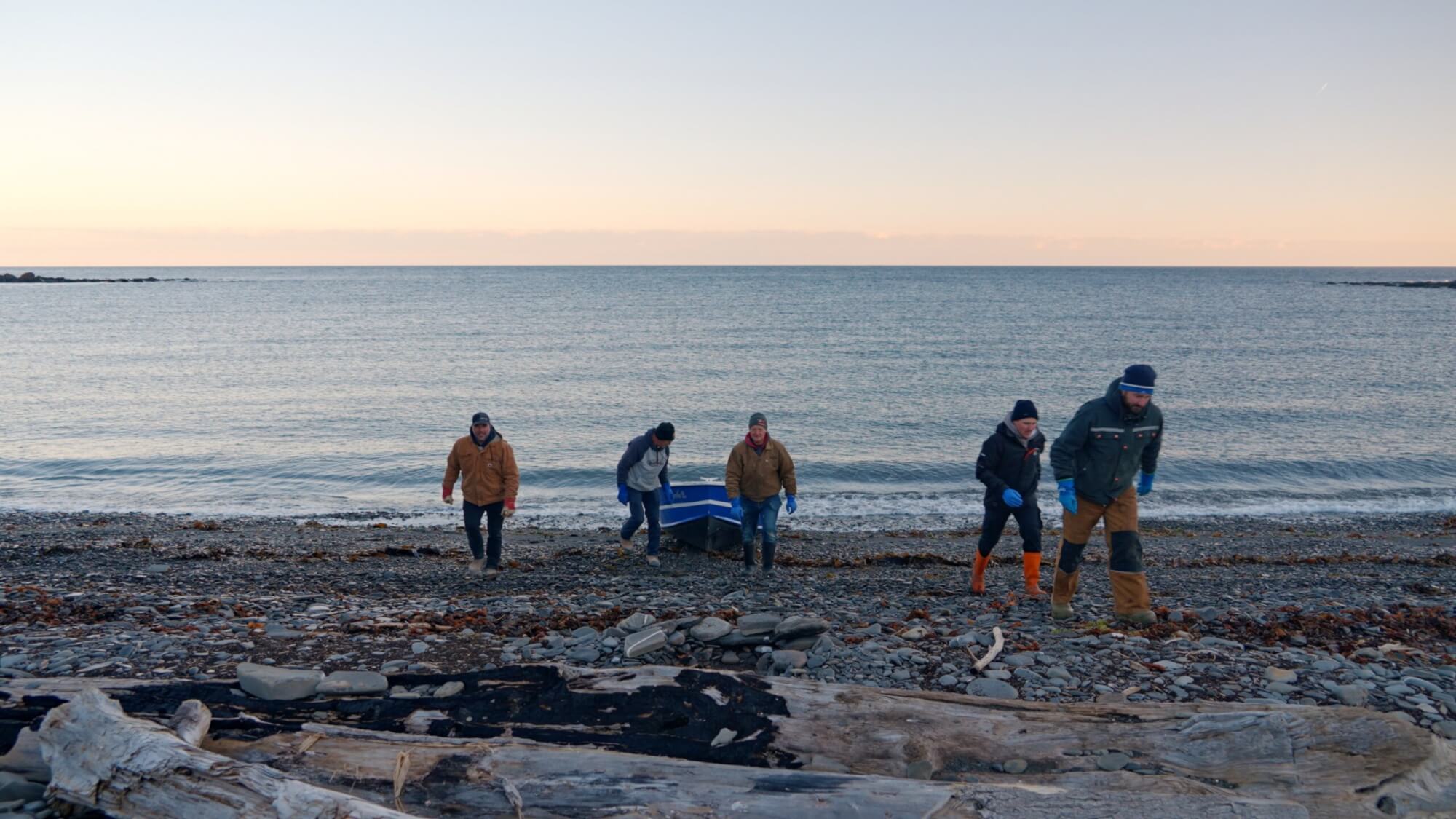
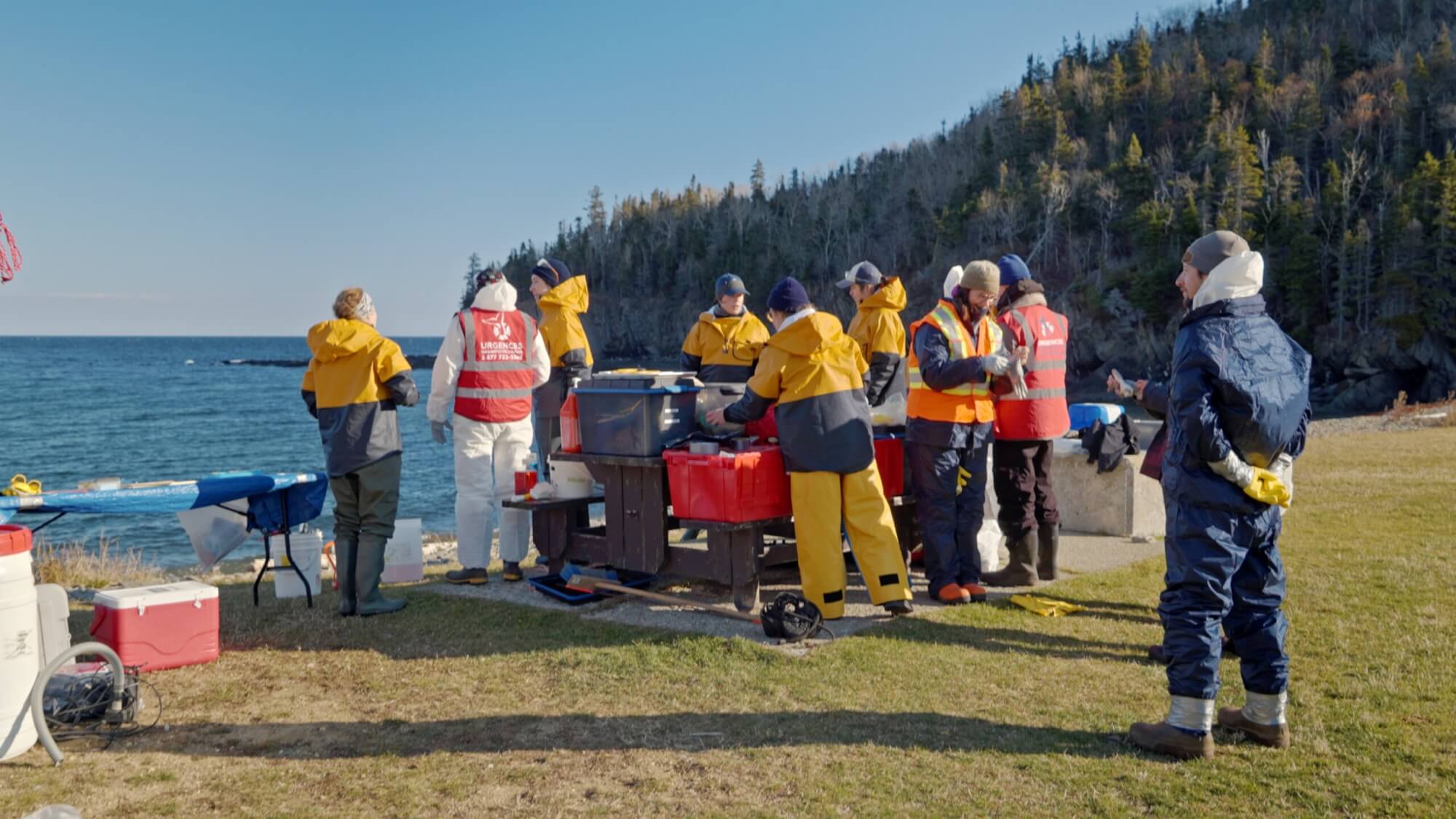
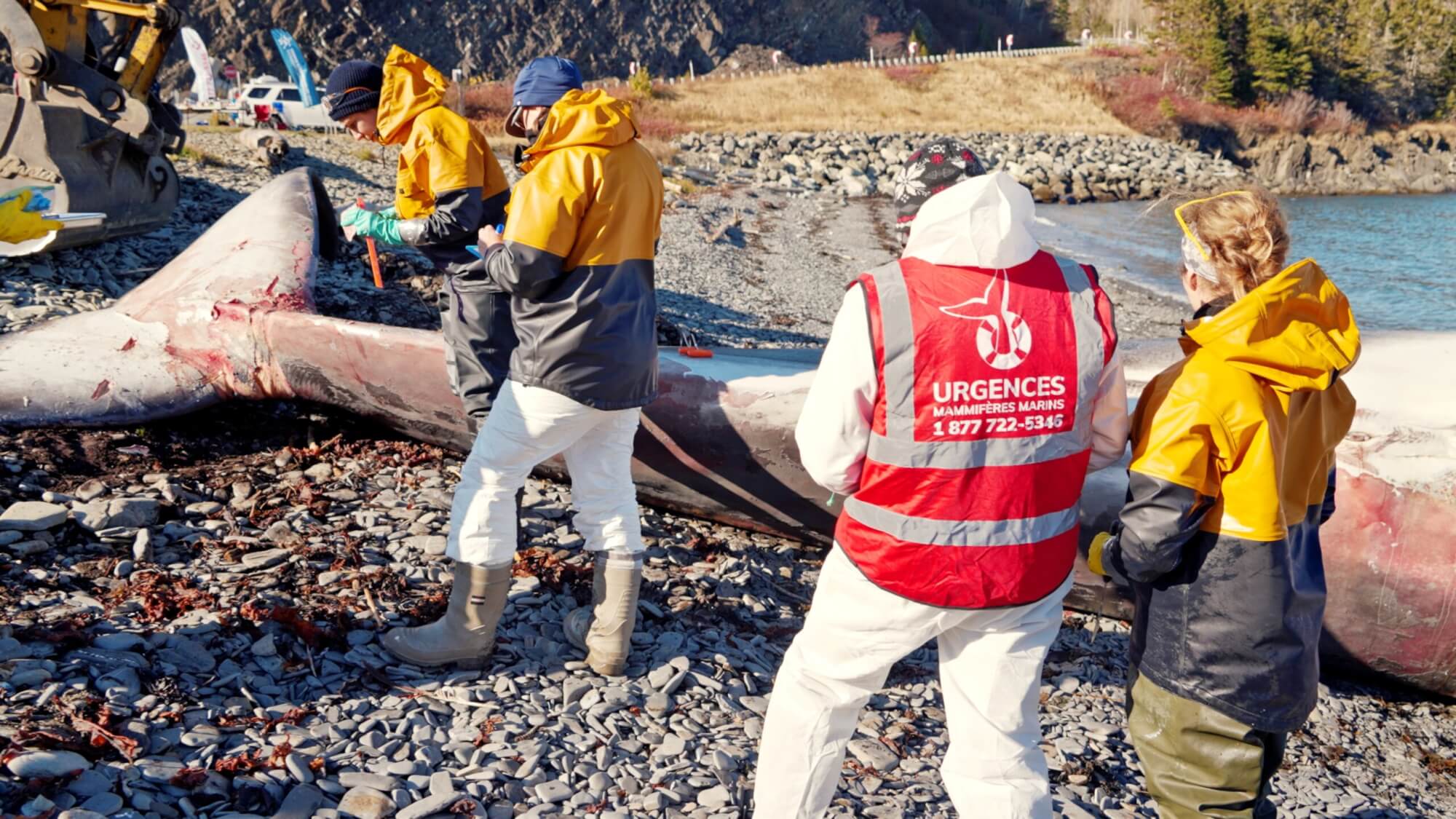
On Saturday, October 25, the mobile team left the QMMERN warehouse in Métis-sur-Mer at 5 in the morning to travel to the site. When they arrived, the fin whale’s body was half-submerged in the chilly waters of the St. Lawrence. The technicians immediately began collecting samples and taking various measurements. The animal measured 19 metres long! Unfortunately, due to local conditions at the water’s edge, data collection became too difficult and had to be resumed at a later time. Fieldwork is heavily dependent on the weather and the complications it can bring.
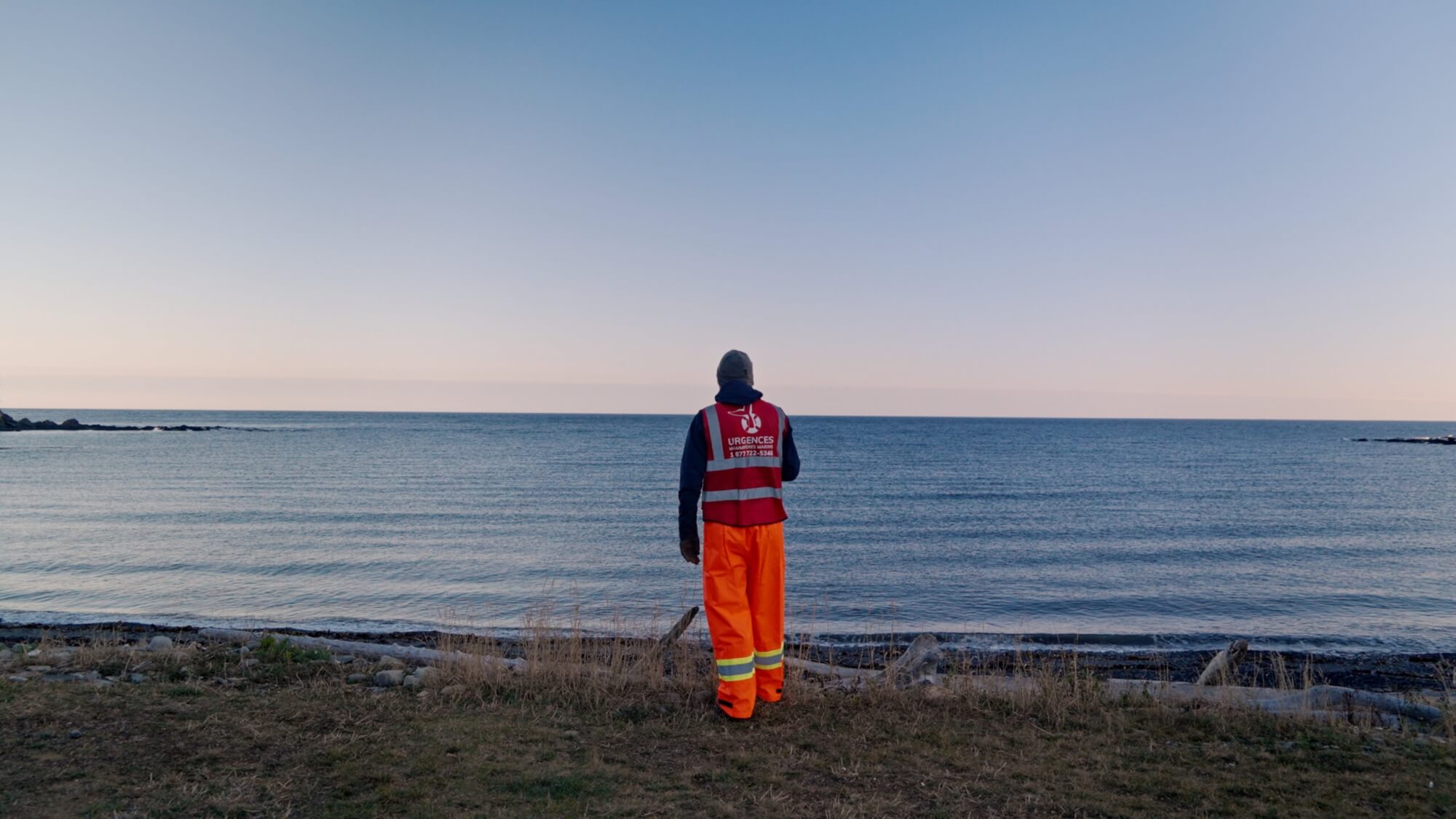
The following day, QMMERN relied on its volunteers to raise public awareness and act as lookouts to ensure that curious onlookers kept their distance from the carcass. A whale of this size attracts a lot of attention. After all, it’s the second largest animal on the planet!
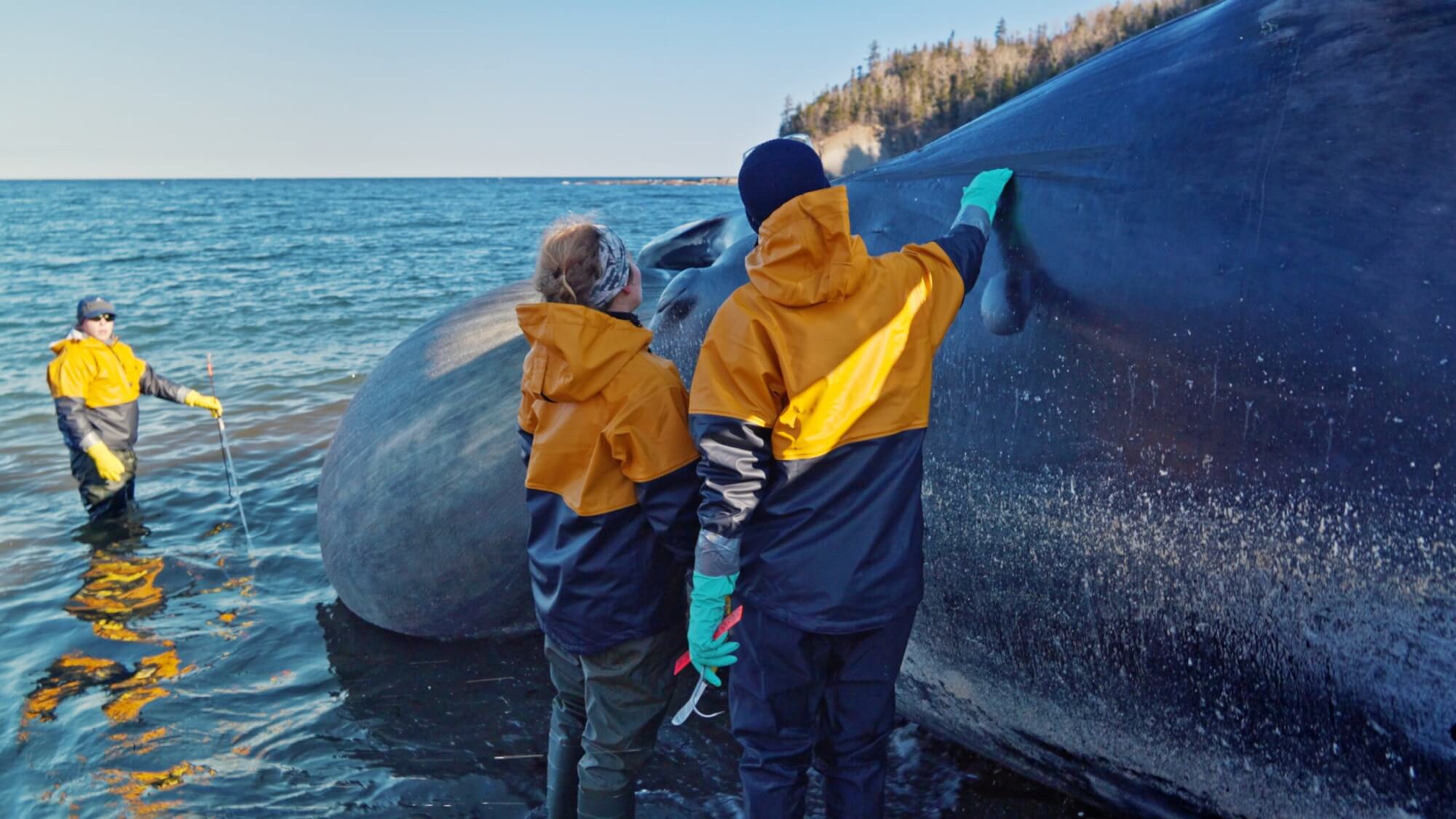
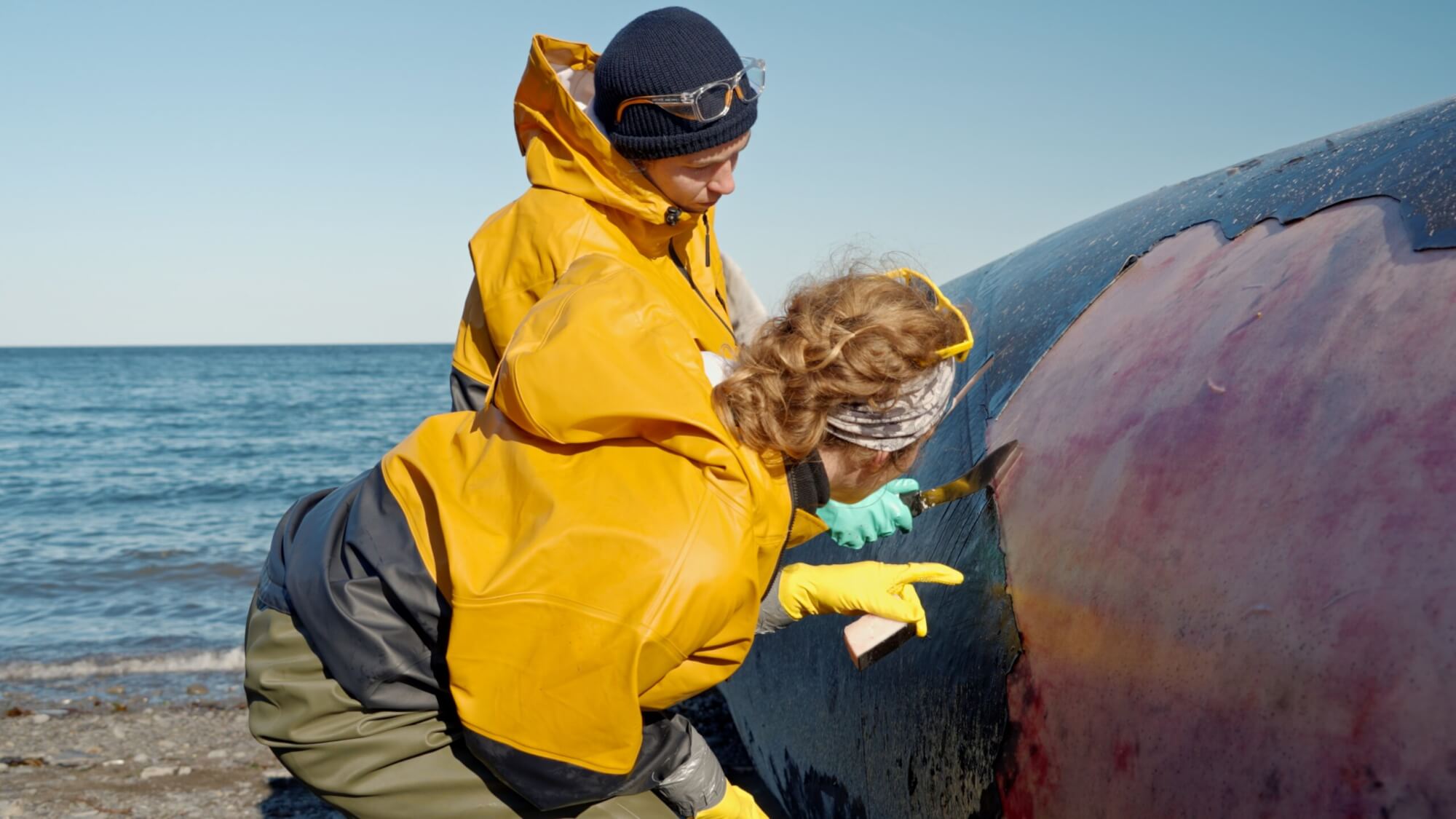
On Monday morning at low tide, the fin whale was completely exposed, enabling one of the members of QMMERN’s mobile team to wrap up the external documentation of the animal’s flanks. She took numerous photographs of all the marks, lesions, and distinctive features visible on the carcass, which enabled GREMM’s team to identify the individual that same day. The information gathered on this whale over the past few years will notably help determine whether or not it was a regular visitor to the St. Lawrence River.
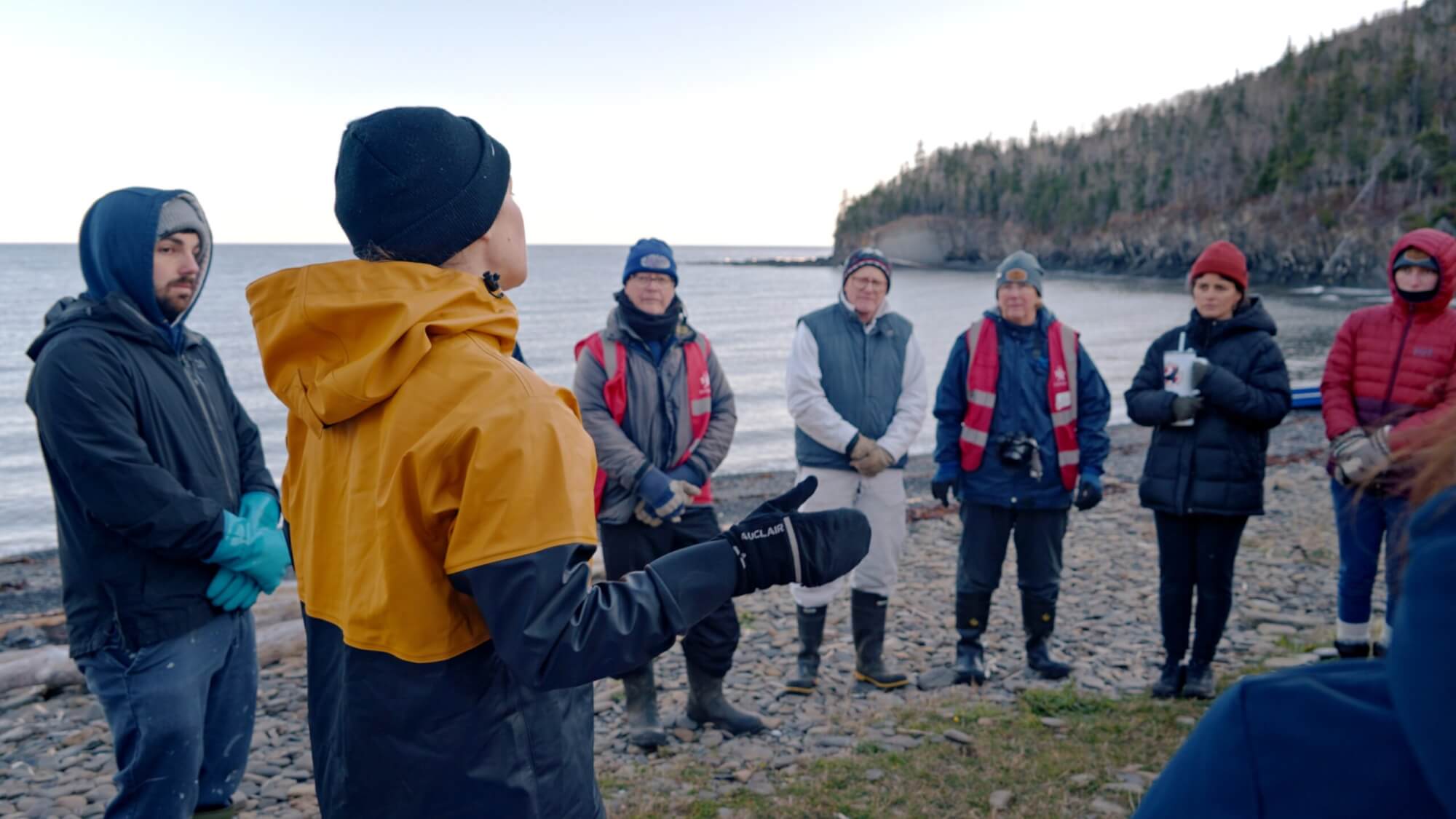
The information gathered on this whale over the past few years will make it possible, among other things, to verify whether it was a regular visitor to the St. Lawrence River.
Bp919’s story
Bp919 was first documented in the St. Lawrence Estuary in 1990. Since then, its presence has been observed in these waters in 15 of the last 35 years. It has also been observed in the gulf by our colleagues at the Mingan Island Cetacean Study (MICS). Analysis of a biopsy in 2004—a tiny piece of blubber and skin taken from the animal’s back—confirmed that Bp919 was a female! However, GREMM’s research team never saw her with a calf during all these years. Given that fin whales give birth between November and January, and that females nurse their young for 6 to 7 months, it is possible that Bp919 has reproduced. However, she may have already parted with her calf or calves before returning to the estuary.
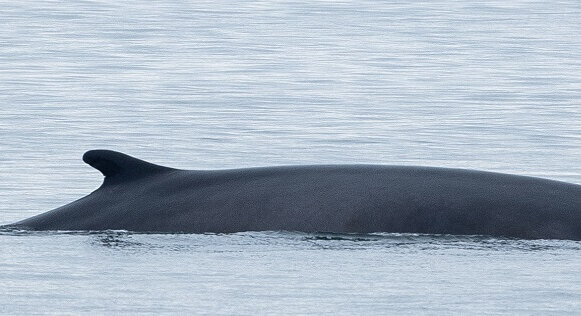
Sadly, Bp919 found herself entangled at some point in her life. During the 1999 sighting, scientists noticed a mark on her peduncle indicating a past entanglement. What exactly happened remains a mystery, but the animal somehow managed to escape and live for several more years until the tragic event that ultimately led to her death.
On May 2, Bp919 was observed in the Marine Park area by a naturalist and wildlife photographer posted on shore. The female fin whale was not seen again all season until her carcass was found washed up on the Grande-Vallée shoreline in October.
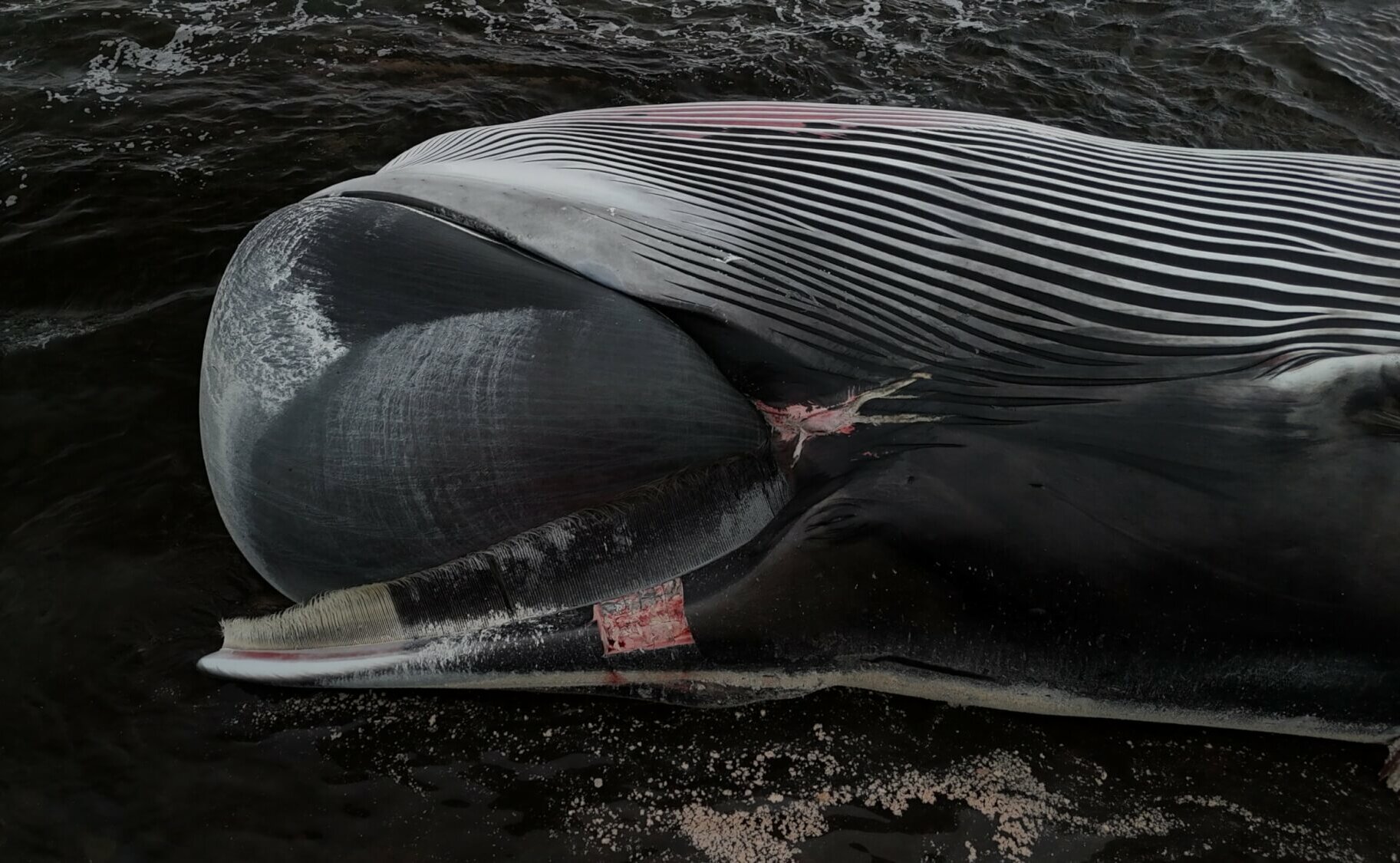
Performing a necropsy on a whale: a lengthy process.
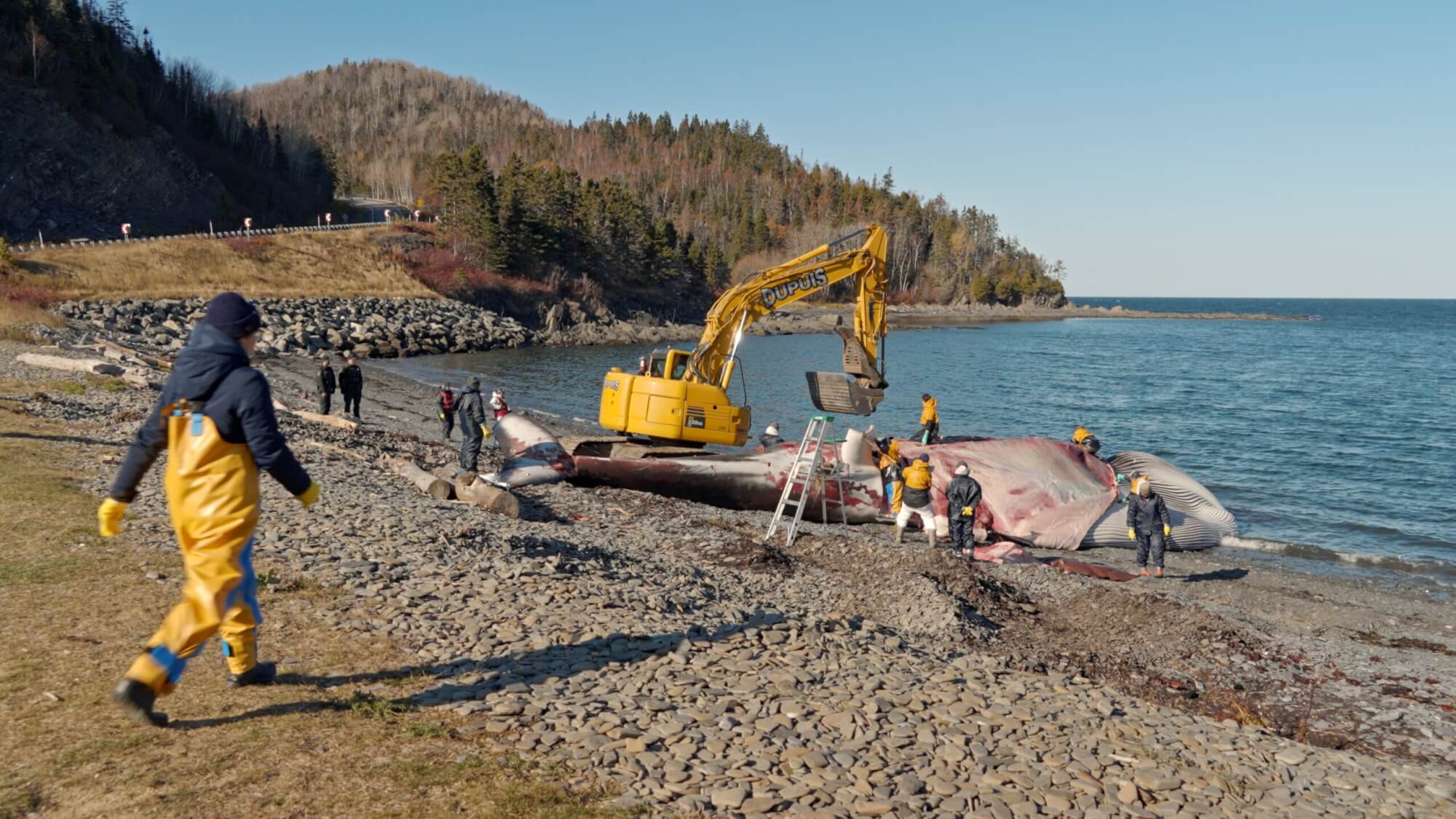
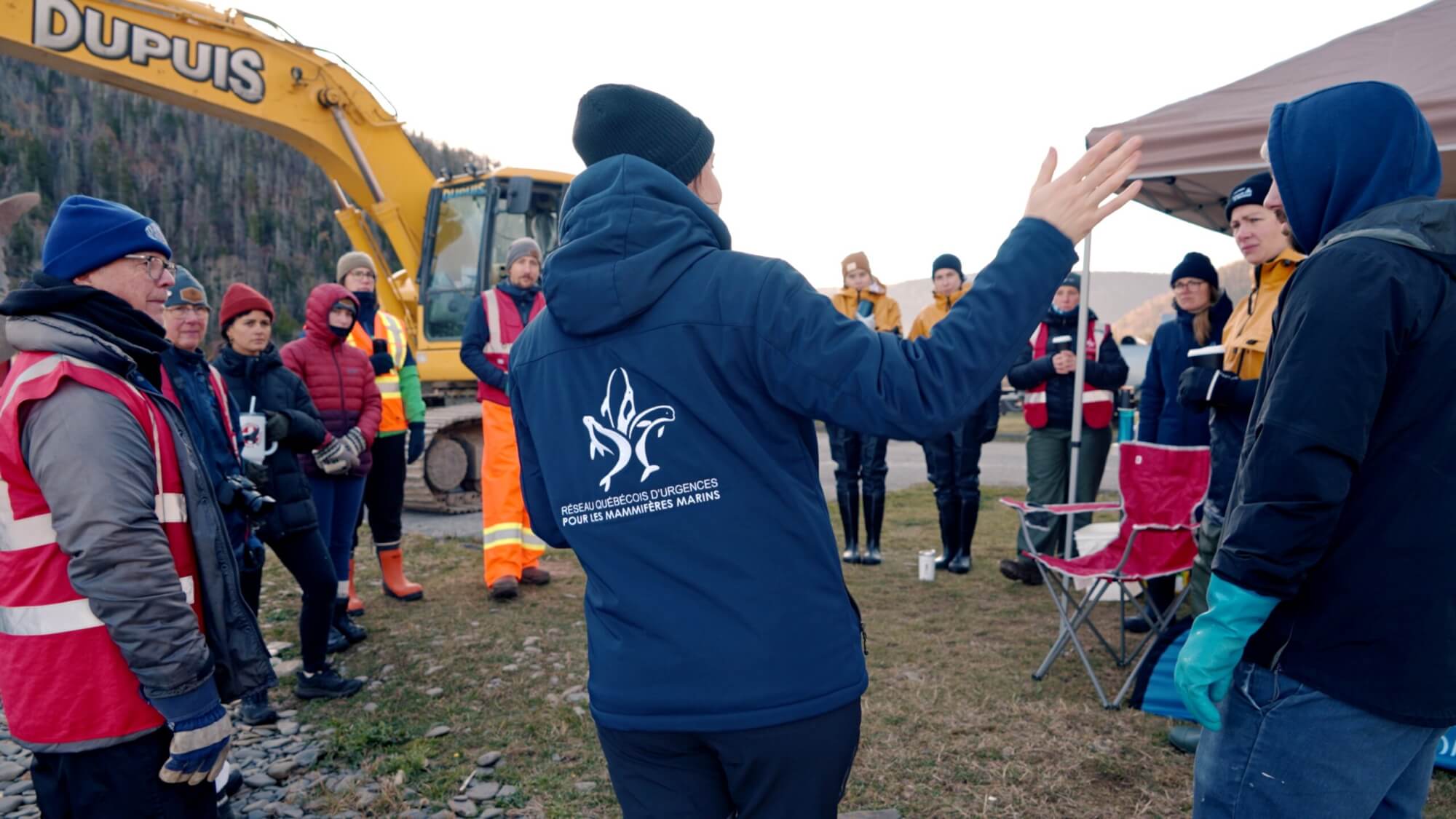
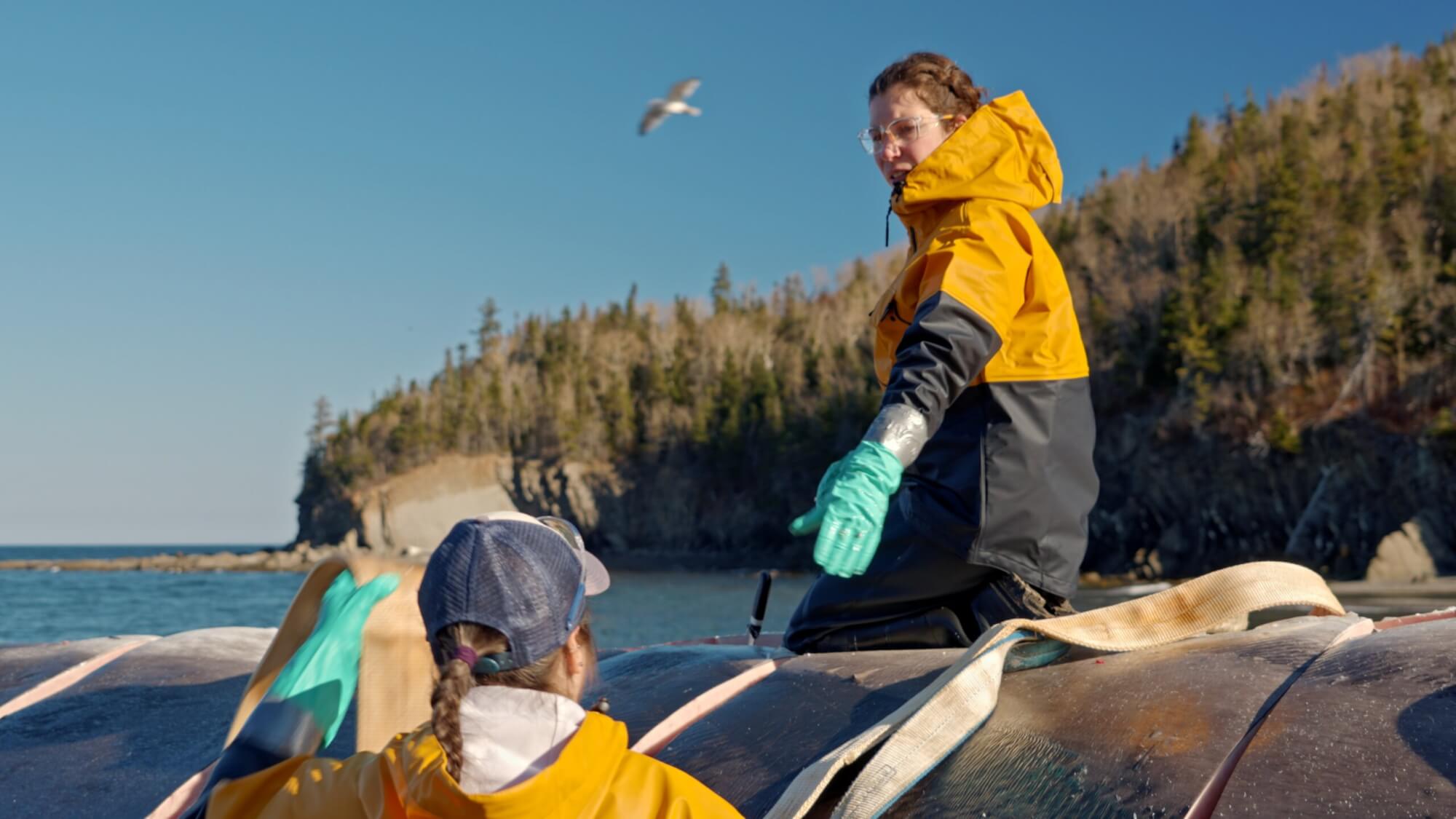
The process began on Wednesday, October 29. To carry it out, the carcass first had to be transported to a more accessible and secure location. This is where the entire team gathers for the necropsy: members of the QMMERN, FMV veterinarians, volunteers and fisheries officers from DFO, as well as a heavy equipment operating crew.
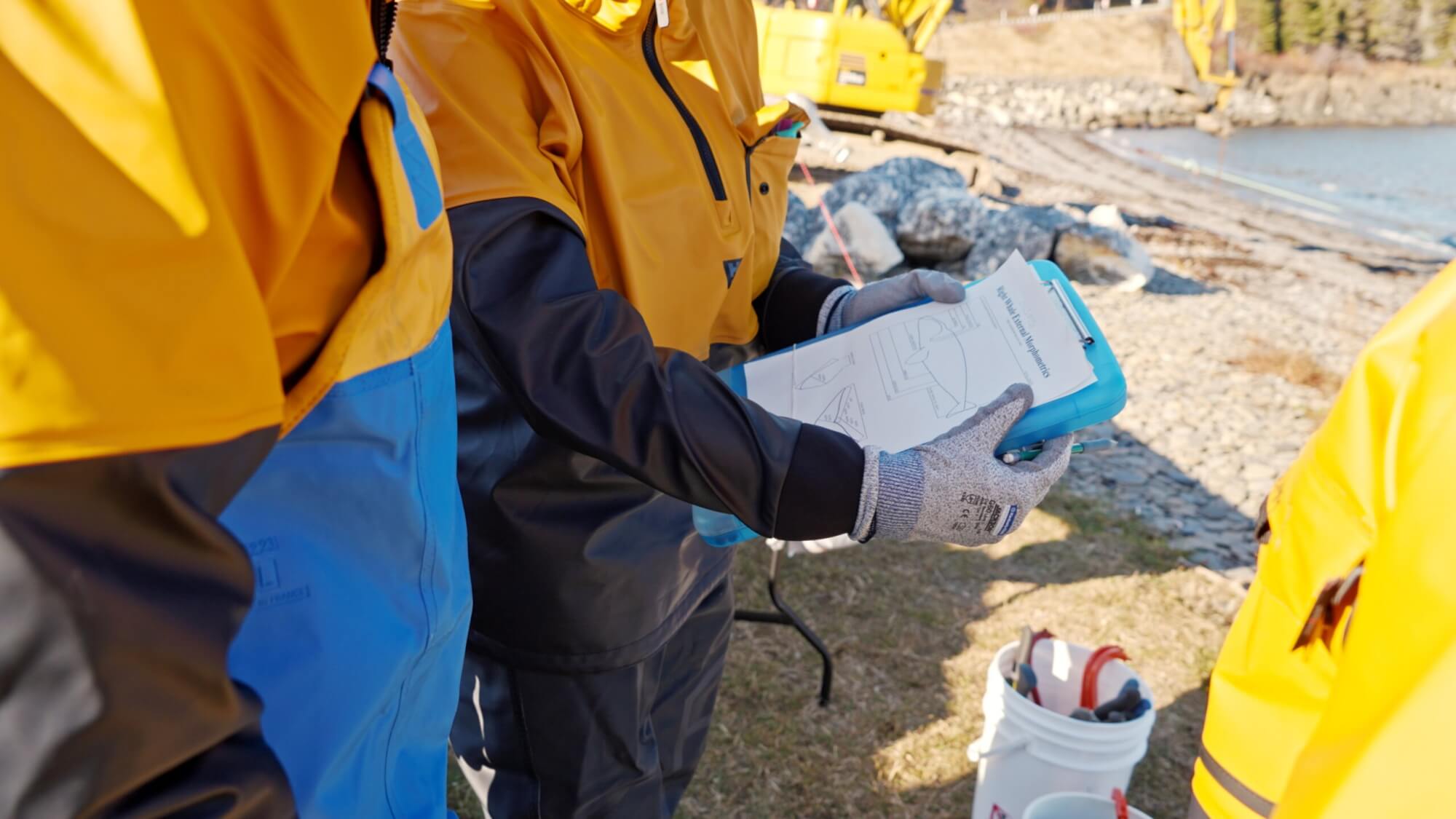
It all begins with exhaustive documentation and sampling during which the length, width, and depth of each lesion on the body are noted, as are any other observable characteristics.
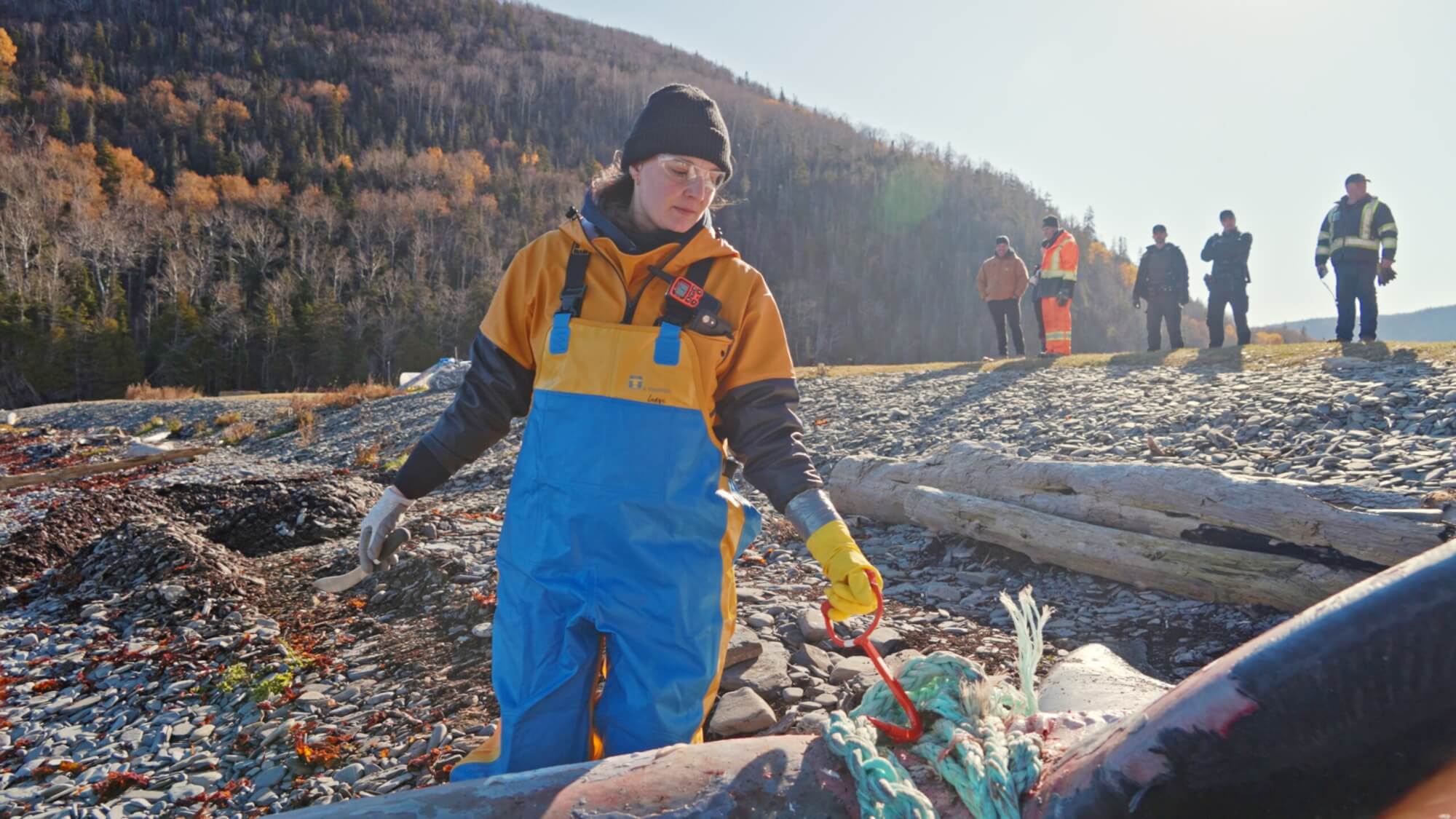
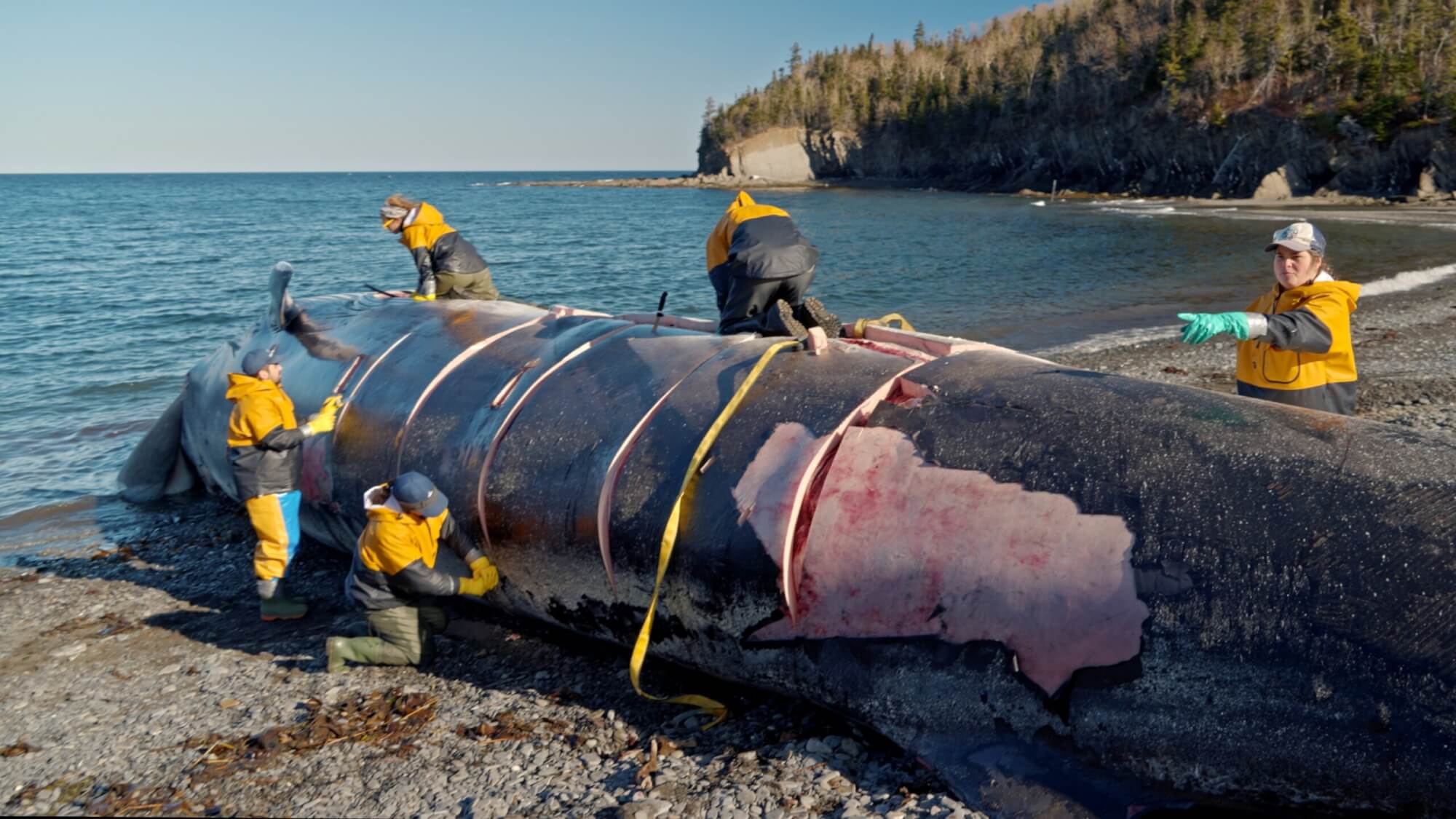
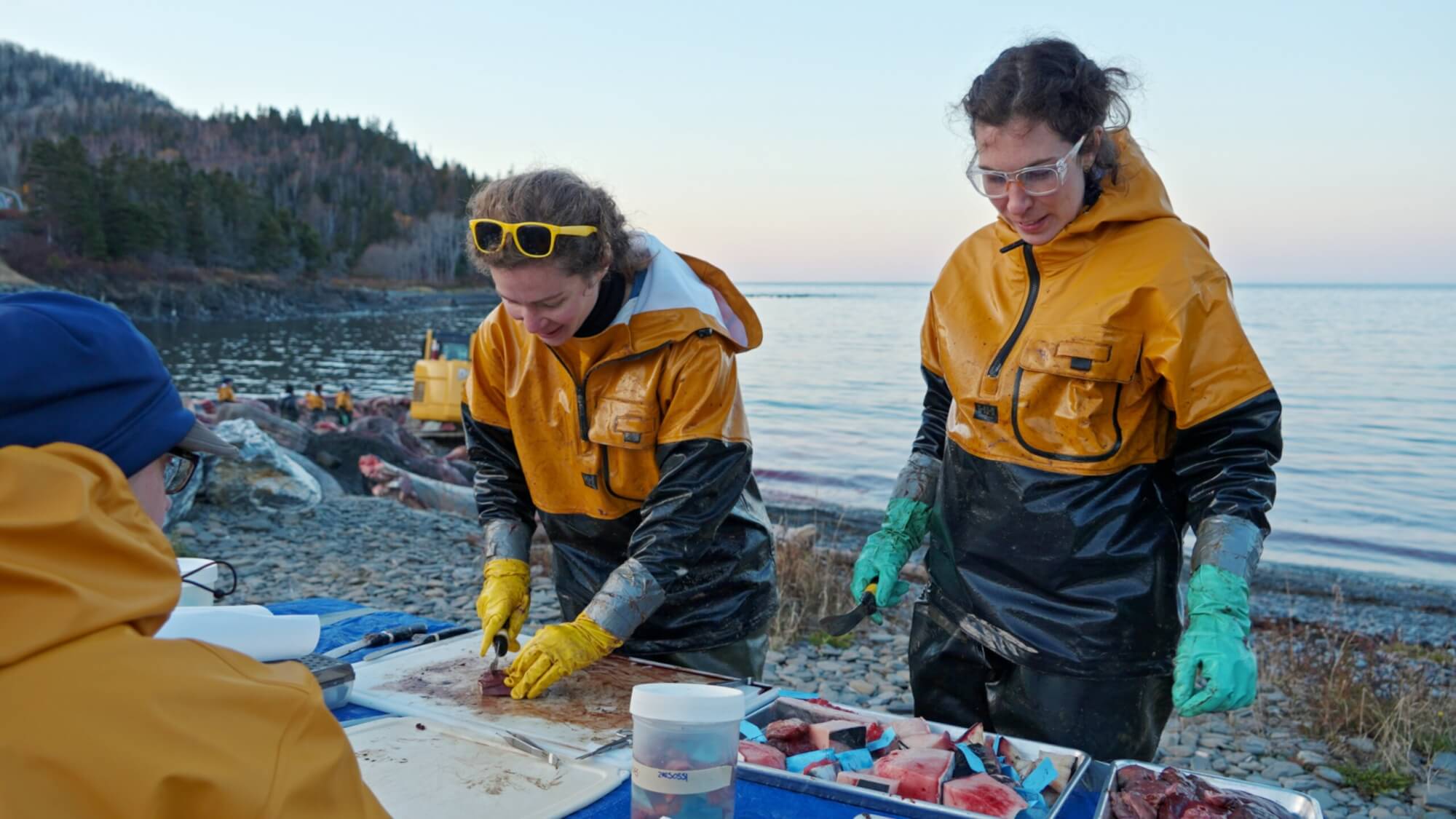
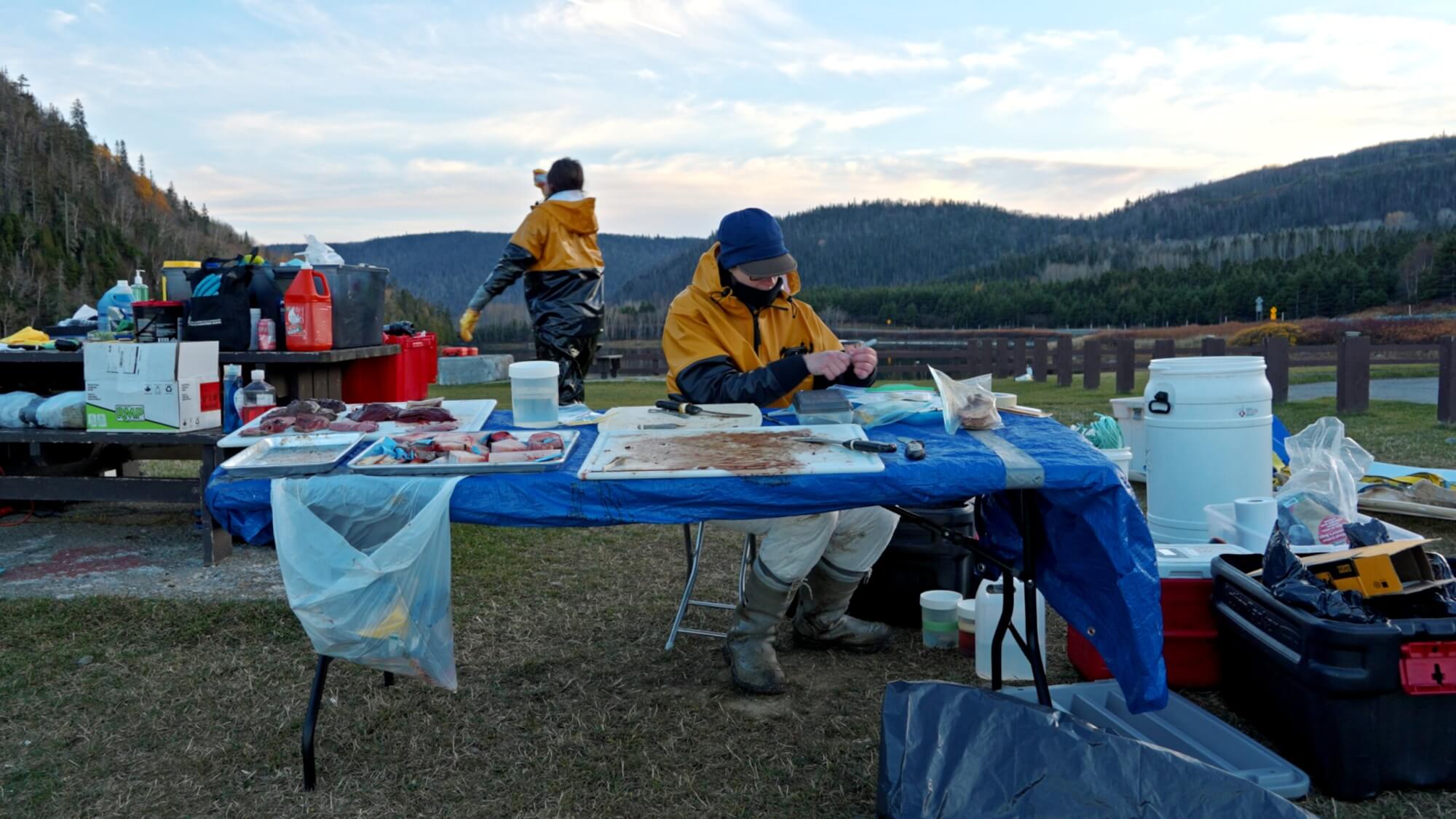
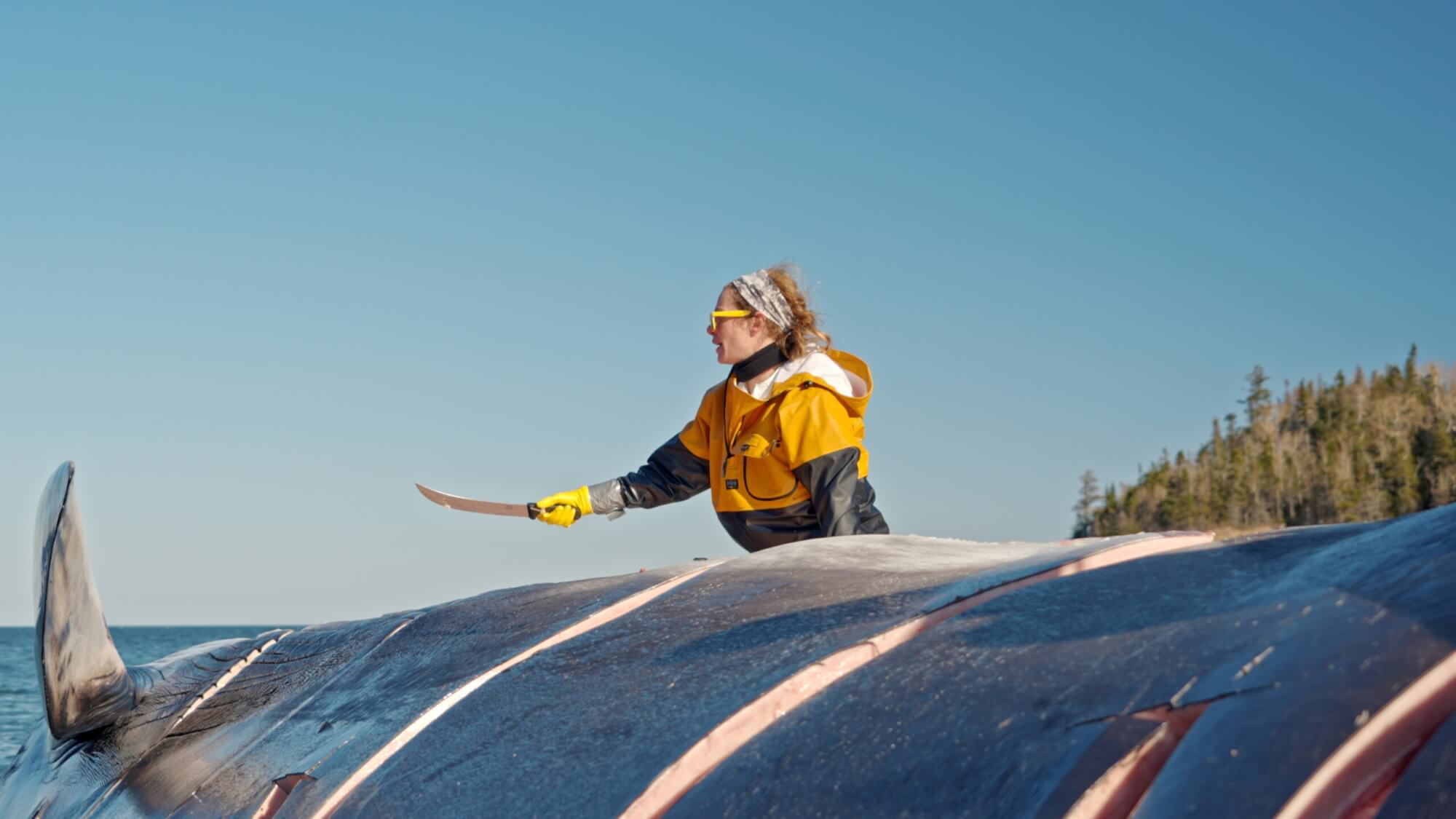
Next, the whale is flensed using extra sharp knives. Skin and blubber are removed from the muscle while carefully observing the underlying tissues to detect any trauma not visible on the surface. Analysis of this tissue damage will allow veterinarians to determine whether it was inflicted before or after the animal’s death. The whale is examined from head to tail: Each internal organ is palpated and inspected, after which the skeleton is checked for any fractures. This is a lengthy task requiring know-how and attention to detail. As the corpse is being dissected, several samples are collected for QMMERN’s partners: baleen, muscle, blubber, eyes… even the tympanic bulla!
Once the necropsy has been completed, the nearly 45-tonne carcass is trucked to a landfill in Gaspé.
How did it die?
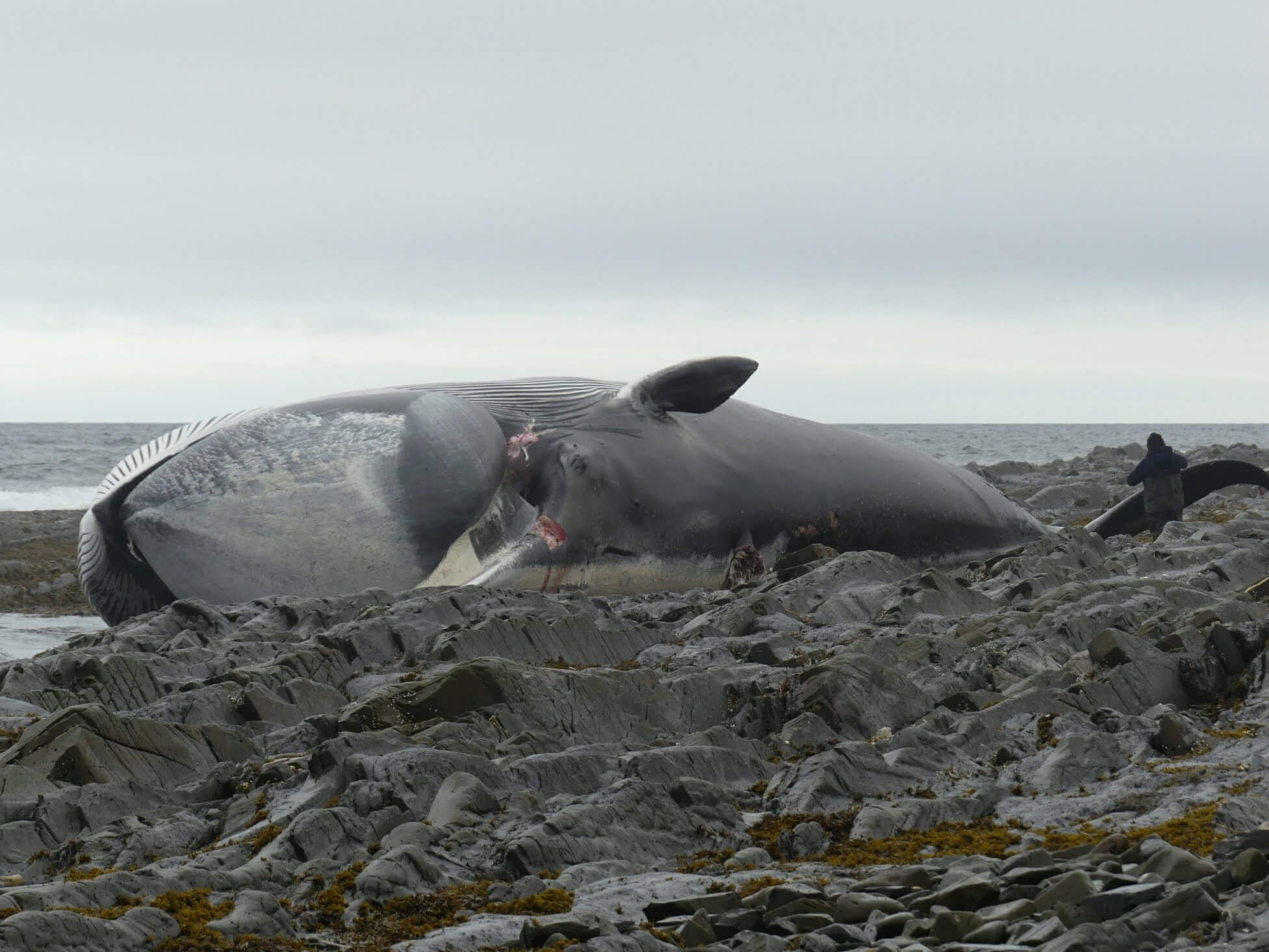
According to macroscopic analyses carried out by veterinarians in the field, the whale’s death was likely caused by entanglement in fishing gear. The animal was probably forced underwater and died of asphyxiation, unable to return to the surface. This diagnosis is based mainly on the multiple linear lesions found on the body, but also on the integrity of the carcass when it was reported to UMM. The visible lesions were highly suggestive of entanglement. However, it is necessary to wait for the results of histological analyses, which can sometimes take several months, before concluding beyond doubt that no other cause imperceptible to the naked eye was involved in the death of this animal (e.g., infections).
The threat of entanglements
It’s not easy being a whale in the St. Lawrence. The route to feed is fraught with peril, especially when it comes to fishing nets, ghost gear and other ropes!
In 2024, a young North Atlantic right whale known as “Shelagh” (#4510) was spotted entangled northwest of the Magdalen Islands. The juvenile was spotted again in mid-June, at which time it had freed itself of its tethers. Others are not so lucky. A few weeks later, the Campobello Whale Rescue Team, an organization specializing in whale rescue, successfully freed a young female North Atlantic right whale (in French) that had gotten herself wrapped up in fishing gear off the coast of Matane. In 2025, it happened again! The male #5132, which as been entangled since December 2024, was observed again in the estuary in May, then off Prince Edward Island (both in French) in June. Its future remains uncertain.
In the St. Lawrence, entanglements marks are common. A 2021 study by our colleagues at the Mingan Island Cetacean Study (MICS) estimates that 50% of the fin whales that visit our waters show signs of entanglement.
Another study conducted in the St. Lawrence in 2024 by the Sept-Îles Education and Research Centre (CERSI) concluded that 50% of the fin whales and 48% of the humpbacks studied had lesions and scars attributable to human activities. Of the 49 individuals bearing lesions, 46 showed marks stemming from entanglements, while three had marks caused by collisions with small watercraft.

This exceptional event underscores the importance of careful coexistence with the marine mammals of the St. Lawrence, as well as the need for effective and proactive coordination during unusual situations such as a beached fin whale.
Thank you to the teams who participated in this large-scale operation!



Équipe Baleines en direct
Recommended articles
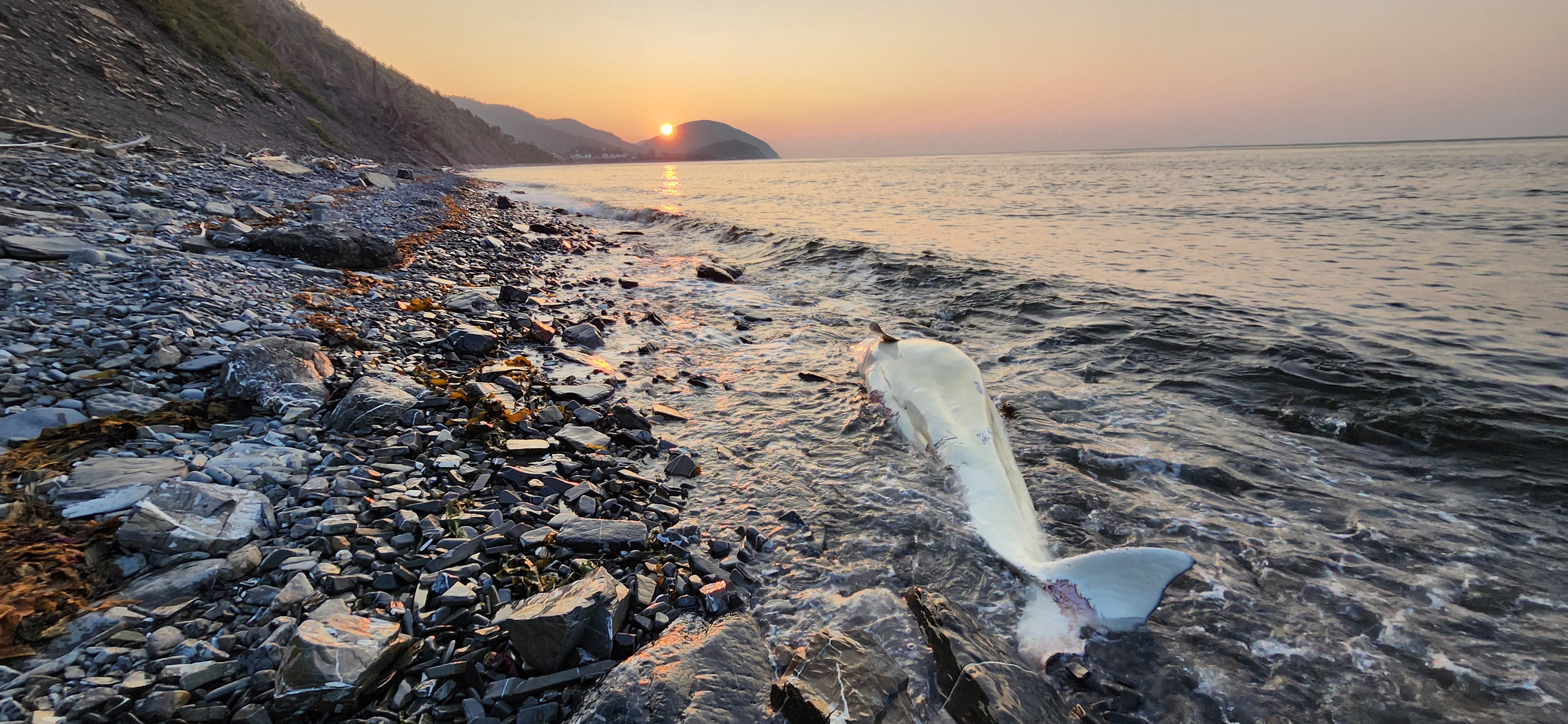
Beluga Mortality Report: 19 Carcasses Discovered in 2025
Between the start of 2026 and the release of this 2025 beluga mortality report, three carcasses have already been reported…
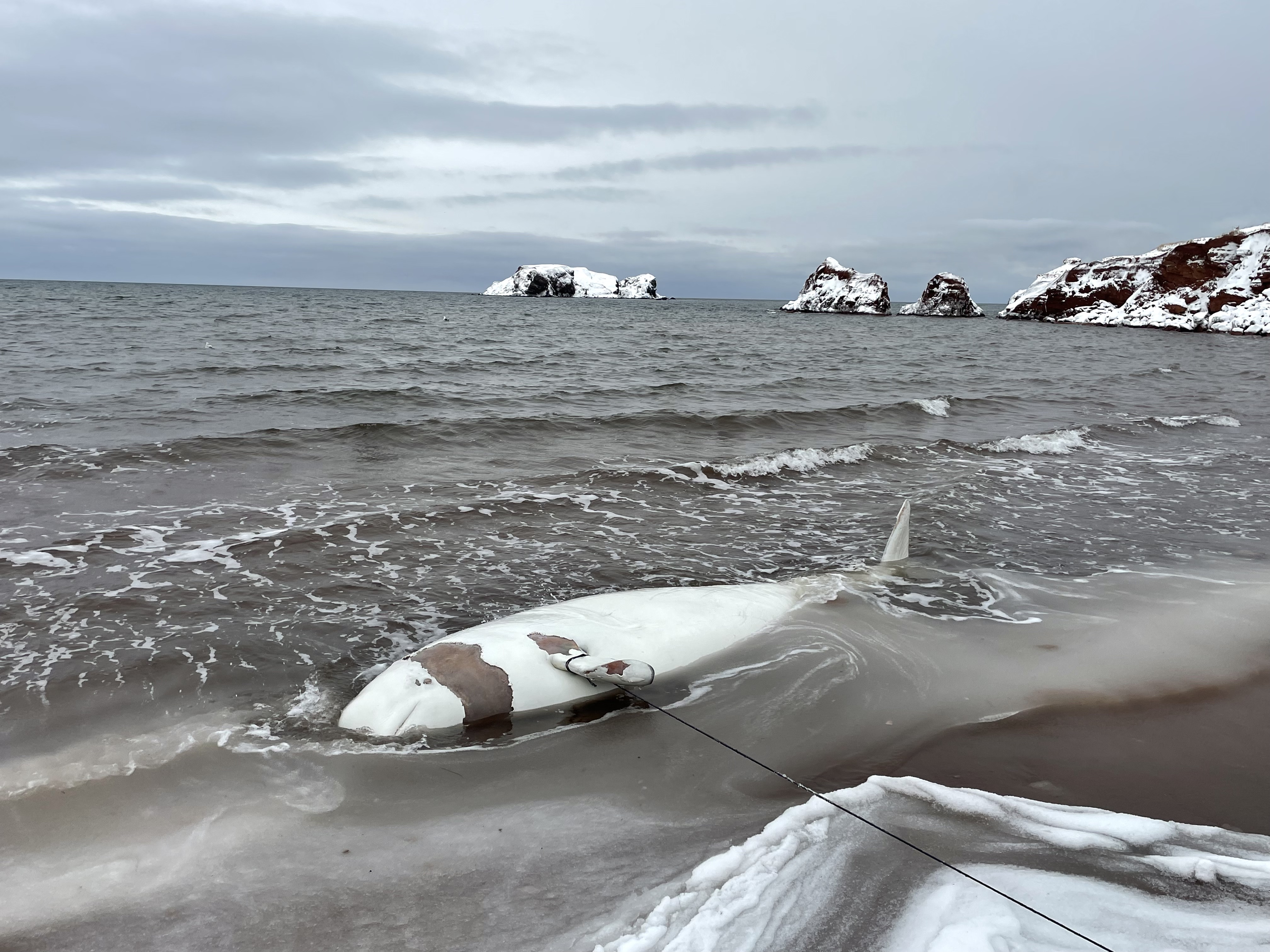
First Beluga Carcass of the Year Recovered in the Magdalen Islands
Sunday, January 18: The Marine Mammal Emergencies (UMM) telephone rings. Cédric Gascon, a technician and UMM responder for the past…