
Belug-ice

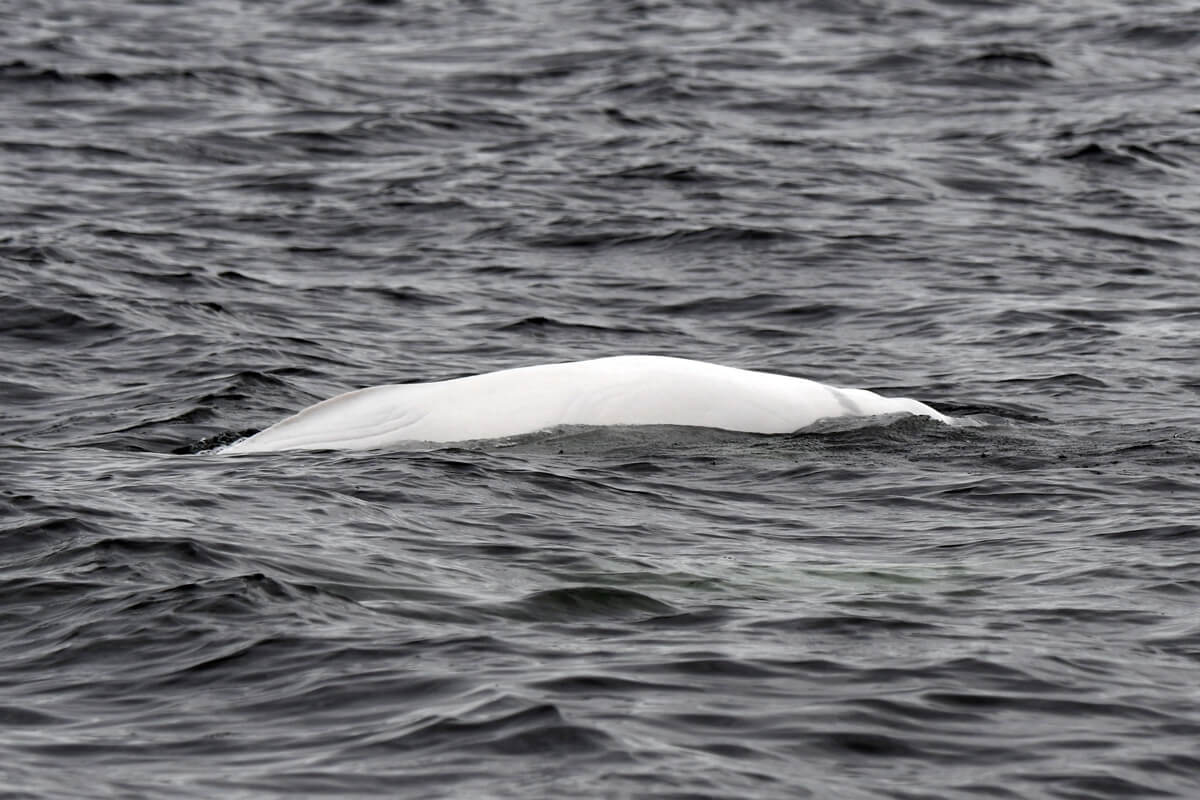
Between the snow squalls, a small group of belugas weaves its way through the ice floes off Les Bergeronnes on February 5. Nearly a dozen of these white whales are moving along Batture à Théophile toward Cap de Bon-Désir. They swim, completely indifferent to the cold, the wind, the frigid water that supports their bodies, continuing their life as belugas in a St. Lawrence deserted by pleasure craft and fishing boats. All that remain are the big freighters, the bulk carriers, the tankers that deliver the clothes, food and other everyday items that fill our homes. The belugas’ soudscape changes in winter. The hum of engines is replaced by the grinding of ice. Only this year, the ice floes around them are sparse.
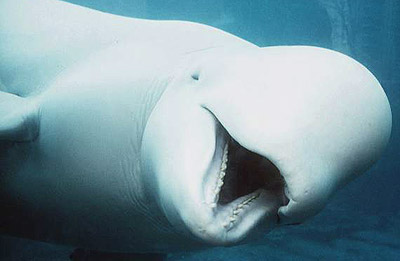
The incredible vocal repertoire of belugas might be an adaptive response to the squeaking and crackling sounds of the pack ice. Because ice is an integral part of their living environment. This species is usually found in the Arctic, where it lives year round. The small population that resides in the St. Lawrence is a legacy of the last ice age. “Our” belugas do not visit their distant cousins in the Arctic. If there is any mixing between the populations, these are isolated cases involving vagrants like the narwhal that has been observed in the Estuary since 2016. But whether or not that occurs with belugas, visually, there is no way of knowing. Only by conducting a genetic analysis and examining contaminant profiles would we be able to determine whether this beluga is an exceptional visitor to the St. Lawrence.
Belugas have a high tolerance for the presence of ice. In Alaska, researchers were amazed by what they observed in belugas fitted with satellite tags. These animals travelled 700 km through waters that were 90-100% covered by ice! Their excellent ability to find their way using sound is certainly helpful in finding places where they can surface to breathe. But no so fast! In the Arctic, polar bears are just as skilled at locating these little trickles that put belugas at risk. This natural predator can spend hours staring at a hole in the hope of seeing a marine mammal surface to breathe. At least the belugas of the St. Lawrence don’t have this threat to contend with.
More news from down South!
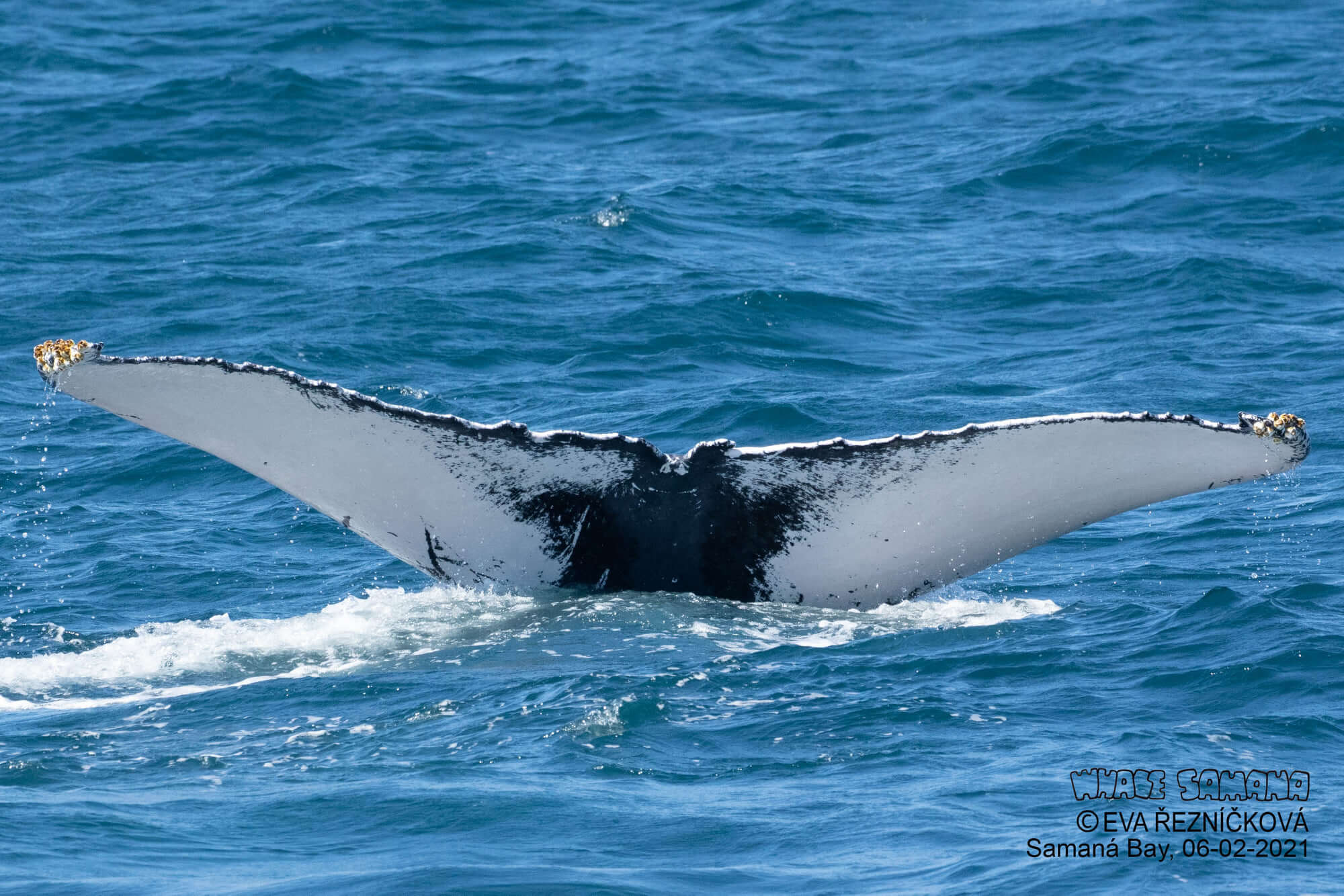
On February 7, in photos taken by the cruise company Whale Samana, René Roy identifies the female humpback Fleuret. Known since 1982 by the Mingan Island Cetacean Study, this female is the daughter of Pseudo, and the mother of no fewer than seven calves! In 2019, her most recent offspring Hockey is herself accompanied by a calf. Fleuret is therefore a grandmother. Will we see her again

Marie-Ève Muller
Marie-Ève Muller is responsible for GREMM's communications and spokeperson for the Quebec Marine Mammal Emergencies Response Network (QMMERN). As Editor-in-Chief for Whales Online, she devours research and has an insatiable thirst for the stories of scientists and observers. Drawing from her background in literature and journalism, Marie-Ève strives to put the fragile reality of cetaceans into words and images.
Recommended articles
Côte-Nord: Prime Location for Autumn Whale Watching
Across Quebec, fall has truly arrived, as evidenced by the turning leaves and the arrival of certain marine mammal species…
Strong Winds, Big Whales
Despite the strong winds, fog, and plummeting air temperatures, marine animals of all kinds continue to roam the St. Lawrence.…
Mama Whales and Their Calves Roam the St. Lawrence
It would hardly be an exaggeration to say that the St. Lawrence has been teeming with life these past few…